Nuclear News Daily—5/15: DOE $94M SMR boost / Duane Arnold / Oak Ridge milestone
발행일
May 15, 2026
미리보기
In this issue: DOE selects companies for $94M in SMR deployment awards, a decommissioning milestone at Oak Ridge, the details of First American Nuclear’s partnership with AtkinsRéalis, and more. Feature Friday: Today’s feature, from the May issue of ...
도입부: In this issue: DOE selects companies for $94M in SMR deployment awards, a decommissioning milestone at Oak Ridge, the details of First American Nuclear’s partnership with AtkinsRéalis, and more.
Getting back to yes: A local perspective on decommissioning, restart, and responsibility
For 45 years, Duane Arnold Energy Center operated in Linn County, Iowa, near the town of Palo and just northwest of Cedar Rapids. The facility, owned by NextEra Energy, was the only nuclear power plant in the state. In August 2020, a historic derecho swept across eastern Iowa with winds approaching 140 miles per hour. Damage to the plant’s cooling towers accelerated a shutdown that had already been planned, and the facility entered decommissioning soon after. Today the national energy landscape looks very different than it did just six short years ago. Electricity demand is rising rapidly, and reliable, carbon-free baseload power has become increasingly valuable. In that context, Linn County has approved the rezoning necessary to support the recommissioning and restart of Duane Arnold and is actively supporting NextEra’s efforts to secure the remaining state and federal approvals. If successful, Duane Arnold would become one of the first U.S. nuclear facilities to move from decommissioning status back to active operation. For the industry, this is often framed as a technical or economic challenge. For local governments, the conversation is broader. Go deeper: To learn about the nuances of the complicated conversation at the local level, read Charlie Nichols and Mike Lukan’s full story on Nuclear Newswire.
approves a $16.5M loan to prepare a potential manufacturing site for hardware production, including uranium enrichment equipment, to bolster local employment and fast-track nuclear energy. Salt Lake Tribune
consumption will grow over 55% by 2050, driven by data centers and electric transport, according to NEMA, which advocates for grid enhancements to manage this surge effectively. Utility Dive
may indicate an unobserved system of a neutral meson bound to a nucleus, offering insights into hadron masses and quantum chromodynamics. Physics World
DOE selects companies for $94M in light water SMR deployment awards
Eight companies will collectively receive more than $94 million in cost-share funding to expedite the near-term deployment of small light water modular reactors, the Department of Energy announced Thursday. This Tier 2 disbursement under the Generation III+ SMR Pathway to Deployment Program is follows last year’s $800 million disbursement—which went to the Tennessee Valley Authority and Holtec to aid their deployment, respectively, of a GE Vernova Hitachi Nuclear Energy BWRX-300 at Clinch River in Tennessee and two Holtec SMR-300s at the Palisades site in Michigan. Read more on Nuclear Newswire.
NRC commissioners talk attrition, recruitment, retention at Senate hearing
Last month, all five commissioners of the Nuclear Regulatory Commission went before the U.S. House Committee on Energy & Commerce’s Energy Subcommittee to discuss the agency’s fiscal year 2027 budget and share priorities and activities key to the agency. On Wednesday, the five took the NRC’s $892.3 million budget request for FY 2027 to the U.S. Senate’s Environment and Public Works Committee, where the focus shifted more toward the attrition of NRC employees and attempts to recruit and retain. Go deeper on Nuclear Newswire.
Oak Ridge hails demolition of two enrichment buildings in single year
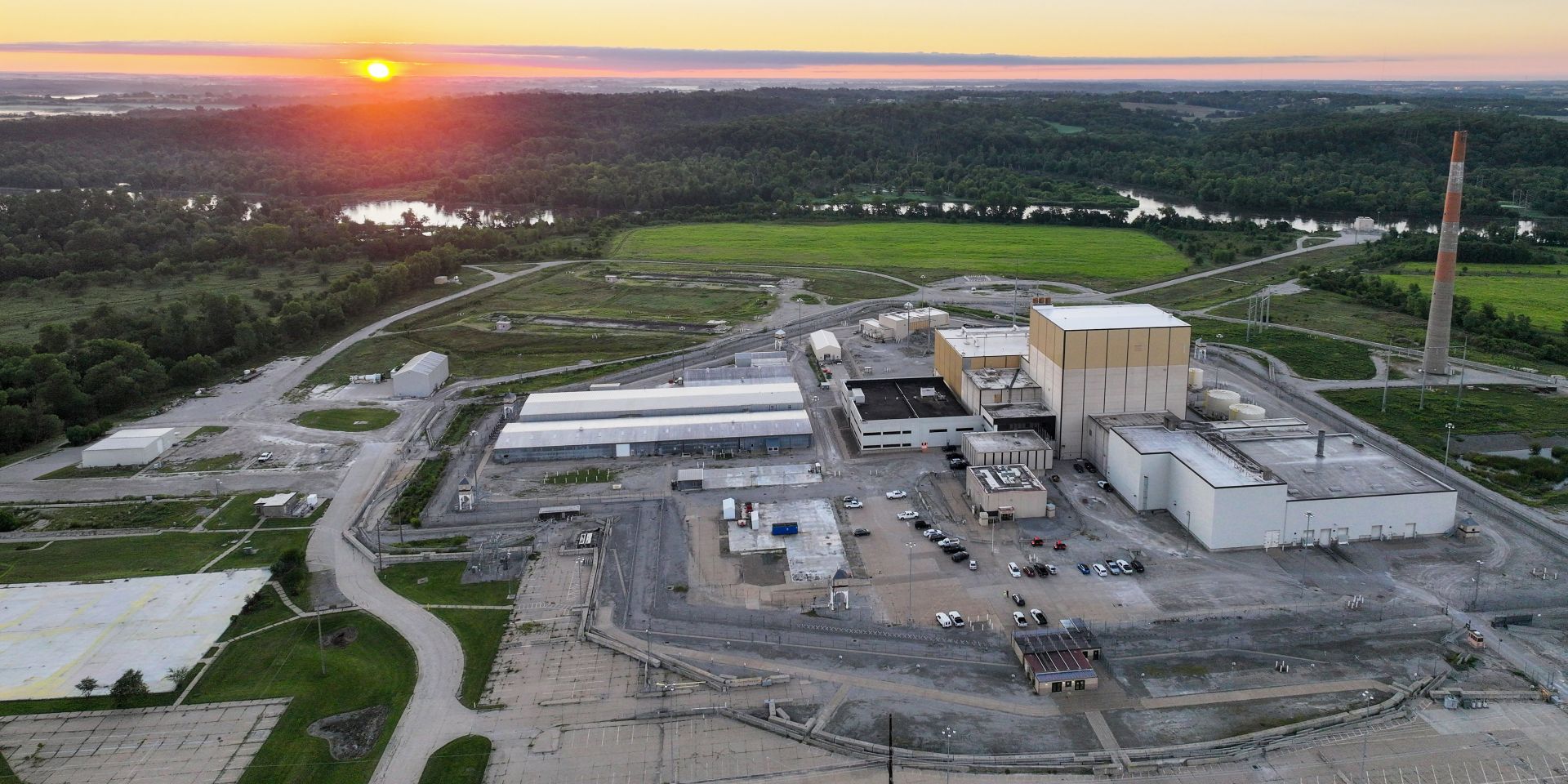
The Department of Energy’s Office of Environmental Management announced that its Oak Ridge Office of Environmental Management is setting a new benchmark in cleanup progress at the Tennessee nuclear site—conducting demolition of two former Manhattan Project–era uranium enrichment facilities in a single year. Go deeper on Nuclear Newswire.
Indianapolis-based reactor development start-up First American Nuclear announced on May 13 that it has entered into a strategic alliance with Montreal-based nuclear engineering company AtkinsRéalis. Together, the companies now plan to jointly develop, test, and license FANCO’s EAGL-1 reactor design. Go deeper on Nuclear Newswire.
Utah State University expands INL collaboration with SUPER agreement
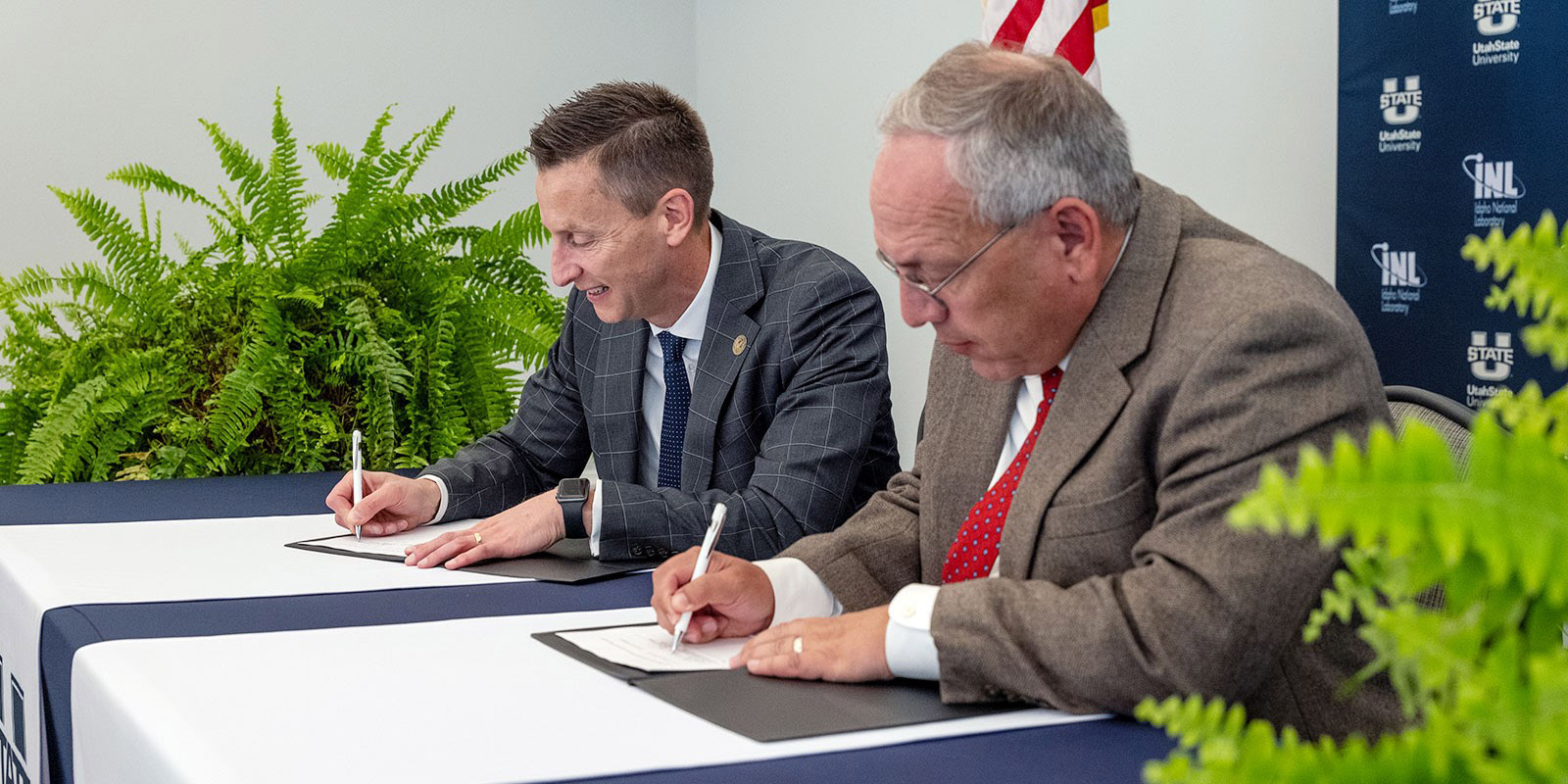
Utah State University and Battelle Energy Alliance, an Idaho National Laboratory contractor, have signed a memorandum of understanding, committing to a Strategic Understanding for Premier Education and Research (SUPER) agreement, which formalizes and expands the university’s collaboration with INL. Go deeper on Nuclear Newswire.
WIPP: Lessons in transportation safety—Nuclear Newswire South Korea looks to Southern and NuScale—Nuclear Newswire Eden targets domestic medical radioisotope production—Nuclear Newswire Trump-class battleship will be nuclear-powered—U.S. Naval Institute Department of Transportation launches SMR initiative—U.S. DOT
스페인 수사관들은 2024년 지중해에서 침몰한 러시아 화물선이 — 원래 시리아로 향하는 무기 회수 임무의 일환으로 알려졌던 — 북한으로 향하는 원자력 원자로 부품을 비밀리에 운반하고 있었다는 사실을 발견했습니다.
2024년 12월 엔진실 폭발에 이어 스페인과 알제리 사이의 지중해에서 침몰한 러시아 화물선이 북한으로 향할 가능성이 높은 잠수함용 원자력 원자로 2기의 부품을 운반하고 있었다는 사실이 수사를 통해 밝혀졌습니다.
ADVERTISEMENT
ADVERTISEMENT
우르사 메이저(Ursa Major)호는 12월 23일 선원 16명을 태운 채 침몰했습니다. 14명이 구조되어 스페인으로 이송되었으며, 2등 기관사 니키틴(Nikitin)과 기관사 야코블레프(Yakovlev) 등 선원 2명은 여전히 실종 상태로 사망한 것으로 추정됩니다.
스페인 수사관들은 이제 CNN이 입수한 스페인 수사 세부 내용에 따르면, 해당 선박이 러시아의 첨단 원자력 기술이 북한으로 전달되는 것을 막기 위해 서방 군대가 희귀한 초공동화(supercavitating) 어뢰를 사용해 의도적으로 침몰시킨 것으로 보고 있습니다.
러시아 외무부는 처음에 선박이 "엔진실 폭발" 후 침몰했다고 밝혔으나 폭발에 대한 설명은 제공하지 않았습니다.
그러나 선박의 러시아인 선장은 이후 수사관들에게 선박의 화물 목록에 "비위험 상품"으로 신고된 두 개의 대형 해치 커버가 실제로는 잠수함에 사용되는 것과 유사한 원자력 원자로 2기의 부품이었다고 진술했습니다.
수사 내용을 잘 아는 소식통에 따르면, 선장은 또한 선박이 결국 원자로를 납품하기 위해 북한의 라선(Rason) 항구로 항로가 변경될 것이라고 생각했다고 밝혔습니다. 그는 신변 안전에 대한 우려로 화물에 대해 더 이상 논하지 않았습니다.
이전에 스파르타 III(Sparta III)로 알려졌던 이 선박은 2009년에 건조되었습니다. 공식 화물 목록에는 상트페테르부르크에서 블라디보스토크로 대형 크레인 2대, 빈 컨테이너 129개, 해치 커버를 운반하는 것으로 명시되어 있었지만, 수사관들은 모스크바가 해당 화물을 러시아의 광범위한 철도망을 이용하는 대신 왜 해상으로 세계 일주를 통해 보내려 했는지 의문을 제기했습니다.
수사 결과 크레인들은 북한 도착 시 민감한 원자력 화물 납품을 지원하기 위해 선박에 탑재되었음이 시사됩니다.
이 사건에 대한 스페인 수사의 일부 세부 사항은 2024년 12월 무르시아(Murcian) 지역 신문 라 베르다드(La Verdad)에 의해 처음 보도되었습니다.
의심스러운 정황과 러시아의 개입
이 선박은 러시아 국방부 산하 기업인 오보론로지스티카(Oboronlogistika)가 운영했다. 침몰 불과 두 달 전, 오보론로지스티카는 자사 선박들이 핵 물질 운반 허가를 취득했다고 발표했다.
해당 선박은 러시아의 2022년 우크라이나 전면 침공 이후, 소유 기업의 크렘린 군사 물자 지원 역할로 인해 미국과 영국의 제재 대상에 올라 있었다.
침몰은 북한 지도자 김정은(Kim Jong-un)이 러시아의 우크라이나 전면 침공을 지원하기 위해 약 1만 명의 병력을 파견한 지 두 달 만에 발생했다. 수사관들은 크렘린이 이에 대한 대가로 평양에 원자력 기술을 이전했을 가능성이 있다고 보고 있다.
러시아와 북한은 또한 2024년 말부터 상호 군사 지원을 약속하는 협정을 체결한 상태다.
원자력 추진 잠수함은 김정은이 2021년 당 정치 회의에서 발표한 첨단 무기 희망 목록 중 하나였다. 다른 무기에는 고체연료 대륙간탄도미사일, 극초음속 무기, 정찰위성, 다탄두 미사일 등이 포함됐다.
북한은 2025년 12월 김정은의 시찰 사진을 공개했으며, 사진에는 조립 홀에서 건조 중인 원자력 추진 잠수함 선체가 대부분 완성된 모습으로 방식 도료로 보이는 것이 칠해진 채 포착됐다.
평양은 해당 잠수함을 "전략 순항미사일 잠수함" 또는 "전략 핵공격 잠수함"이라 칭하며 핵무기로 무장할 계획임을 시사했다.
중대한 제재를 받고 있는 국가인 북한이 원자력 추진 잠수함을 건조하는 데 필요한 자원과 기술을 확보할 수 있는지에 대한 의문이 제기되는 가운데, 전문가들은 당초 평양이 퇴역한 러시아 원자로를 도입하기보다는 모스크바의 기술 지원을 받아 독자적으로 원자로를 설계했을 가능성이 더 높다고 봤다.
침몰 이후 수개월간 수심 약 2,500미터에 위치한 난파 현장 주변에서 상당한 군사 활동이 포착됐다.
사고 발생 일주일 후, 러시아 스파이 선박 얀타르(Yantar)가 우르사 마요르(Ursa Major) 난파 현장 상공에 5일간 머물렀다. 얀타르는 이후 2025년 초 영국 해역 인근에서 탐지돼 영국 정부로부터 강력한 경고를 받기도 했다.
한편, 공개 비행 데이터에 따르면 미국의 원자력 탐지 전용 '스니퍼(sniffer)' 항공기가 지난 1년간 침몰 선박 상공을 두 차례 비행한 것으로 나타났다.
스페인 당국은 막대한 비용과 위험 부담 없이는 선박의 항해기록장치 인양이 불가능하다고 밝혔다. 전문가들은 방사성 물질이 없었다면 왜 그러한 상황이 발생하는지 의문을 제기했다.
러시아의 주장과 시리아 연관성
러시아의 국가 연계 운영사 오보론로지스티카(Oboronlogistika)는 해당 선박이 "항만 인프라 및 북극 항로 개발을 목표로 한 국가 과제의 일환으로 중요한 프로젝트 화물을 싣고 극동으로 또 다른 항해를 시작하는 중이었다"고 주장했다.
그러나 우크라이나 군사정보국(HUR)은 이전에 우르사 메이저(Ursa Major)호가 실제로는 바샤르 알아사드(Bashar al-Assad) 정권 붕괴 이후 타르투스(Tartus)와 흐메이밈(Khmeimim) 기지에서 러시아 군사 장비 철수를 지원하기 위해 시리아로 향하고 있었다고 보고한 바 있다.
우르사 메이저호는 수년간 러시아의 '시리아 익스프레스(Syrian Express)'의 일환으로 사용되었는데, 이는 시리아 내 러시아 군에 군사 장비와 무기를 수송하는 보급 경로였다.
영국의 제재 목록에는 오보론로지스티카 소속 선박들이 시리아에서 흑해로 미사일을 수송하는 데 사용되었다고 명시되어 있다.
스페인 조사단은 해당 선박이 시리아로 향할 것이라는 정황이 실제 항해 목적을 숨기기 위한 위장 가능성이 높다고 결론지었다.
야당 의원들의 압박을 받은 스페인 정부는 2월에 수사에 관한 간략한 성명을 발표하여, 잠수함에 사용되는 것과 유사한 원자력 반응로 두 기의 부품에 대한 선장의 증언을 확인했다.
한국 정보기관은 2025년 9월 모스크바가 이미 평양에 원자력 반응로 한 기를 넘겨줬다고 보고했으며, 다수의 한국 정부 관계자들은 국내 언론에 크렘린이 2025년 상반기에 북한에 원자력 잠수함 추진 모듈 2~3기를 보낸 것으로 의심된다고 전했다.
스페인 해안에서 침몰한 러시아 화물선이 북한에 핵 원자로를 운반 중이었다는 조사 결과는 국제 비확산 체제의 심각한 균열을 드러내는 충격적인 사건이다. 이는 러시아가 유엔 안전보장이사회 대북 제재를 공공연히 위반하며 북한의 핵 역량 강화에 직접 기여하고 있음을 시사하며, 러시아-북한 간 전략적 협력이 무기 거래를 넘어 핵 기술 이전으로까지 확대됐을 가능성을 제기한다. 이 사건은 서방 국가들과 국제원자력기구(IAEA)에게 러시아의 핵 확산 행위에 대한 강력한 대응을 촉구하는 압력을 가하는 한편, 유럽 해역에서의 러시아 밀수 네트워크 실태를 재조명하게 만든다. 아울러 침몰 선박에 적재된 핵 물질로 인한 환경 오염 위험성도 스페인 및 주변 국가들에게 긴급한 현안으로 부상할 것으로 보인다. 이 사건은 러시아의 고립 심화 속에서도 지속되는 북·러 밀착 관계가 글로벌 안보 질서에 미치는 심대한 위협을 재확인시켜 준다.
※ 이 글은 해외 원자력 바로알기를 위한 정보 전달을 목적으로 제공됩니다. 특정 기업이나 종목에 대한 투자 권유가 아니며, 모든 투자 판단과 그에 따른 책임은 투자자 본인에게 있습니다.
인디애나폴리스 기반 원자로 개발 스타트업 퍼스트 아메리칸 뉴클리어(FANCO)가 몬트리올 소재 원자력 엔지니어링 기업 아트킨스레알리스(AtkinsRéalis)와 전략적 동맹을 체결하여 EAGL-1 원자로 설계의 공동 개발, 시험, 인허가를 추진한다.
EAGL-1은 납-비스무트 냉각재를 사용하는 액체금속 고속 스펙트럼 원자로로, 240MW의 전력을 생산하도록 설계되었으며, 2033년까지 본격적인 전력 공급을 목표로 한다.
FANCO는 연료에 관해 "불가지론적(agnostic)" 입장으로, 혼합산화물 연료와 기타 초우라늄 연료 외에 고수준 저농축 우라늄(HALEU)도 활용할 수 있다고 밝혔다.
---
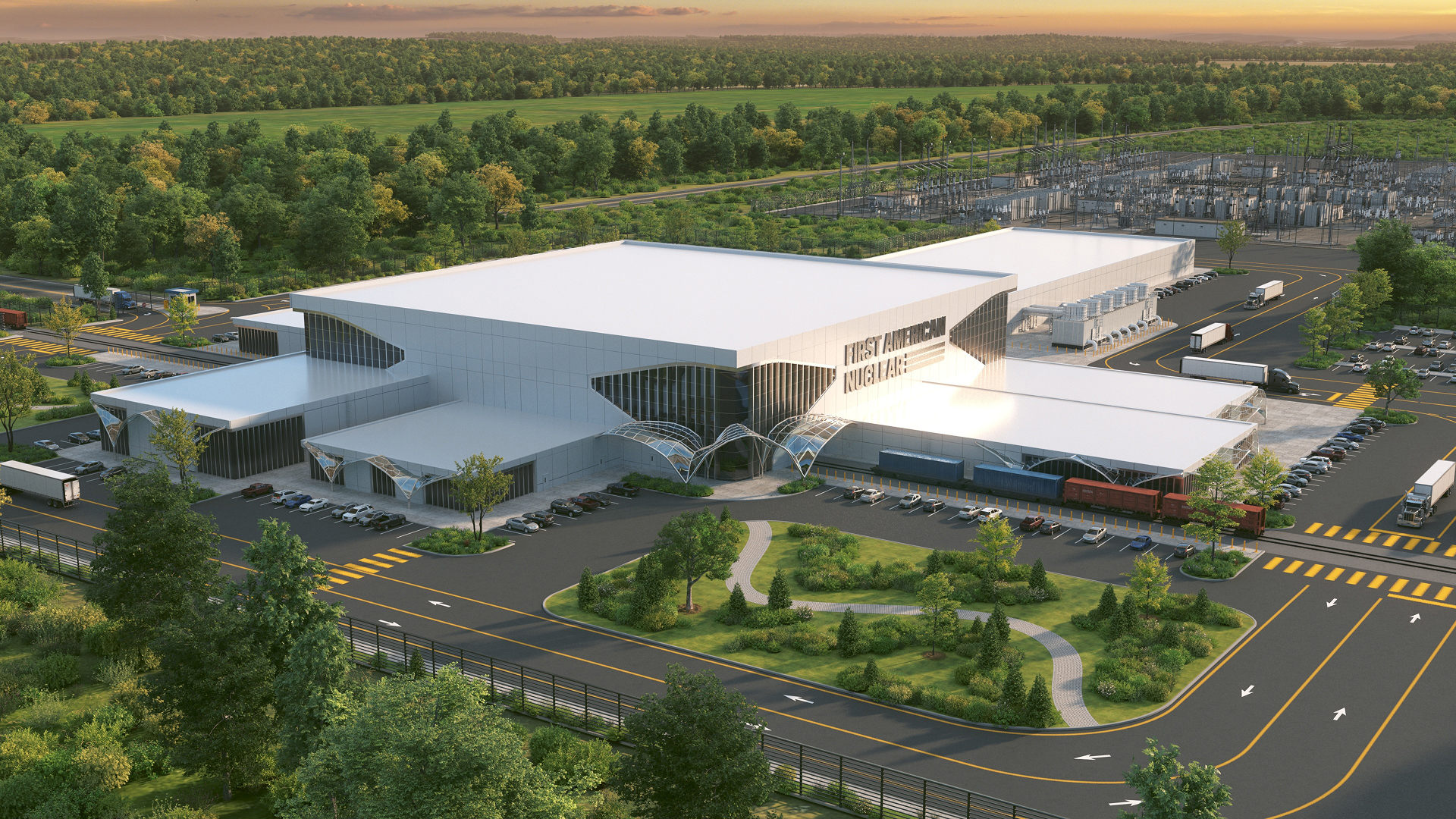
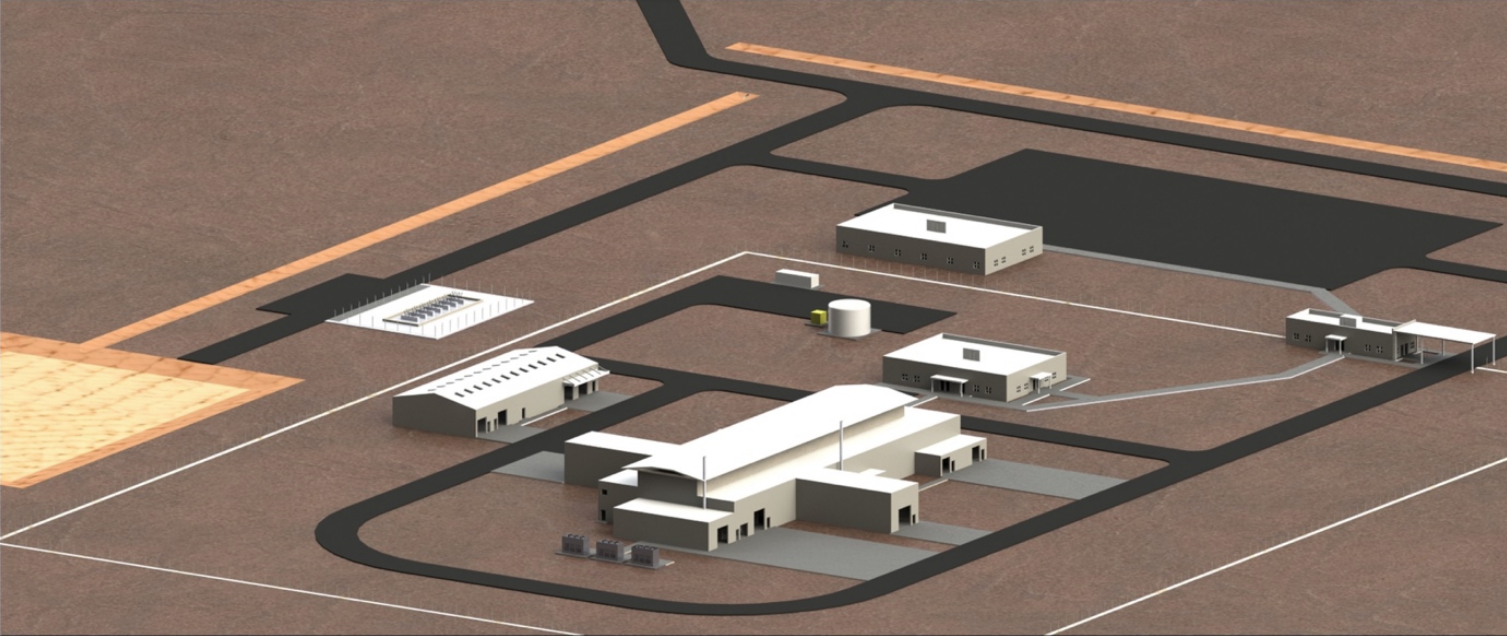
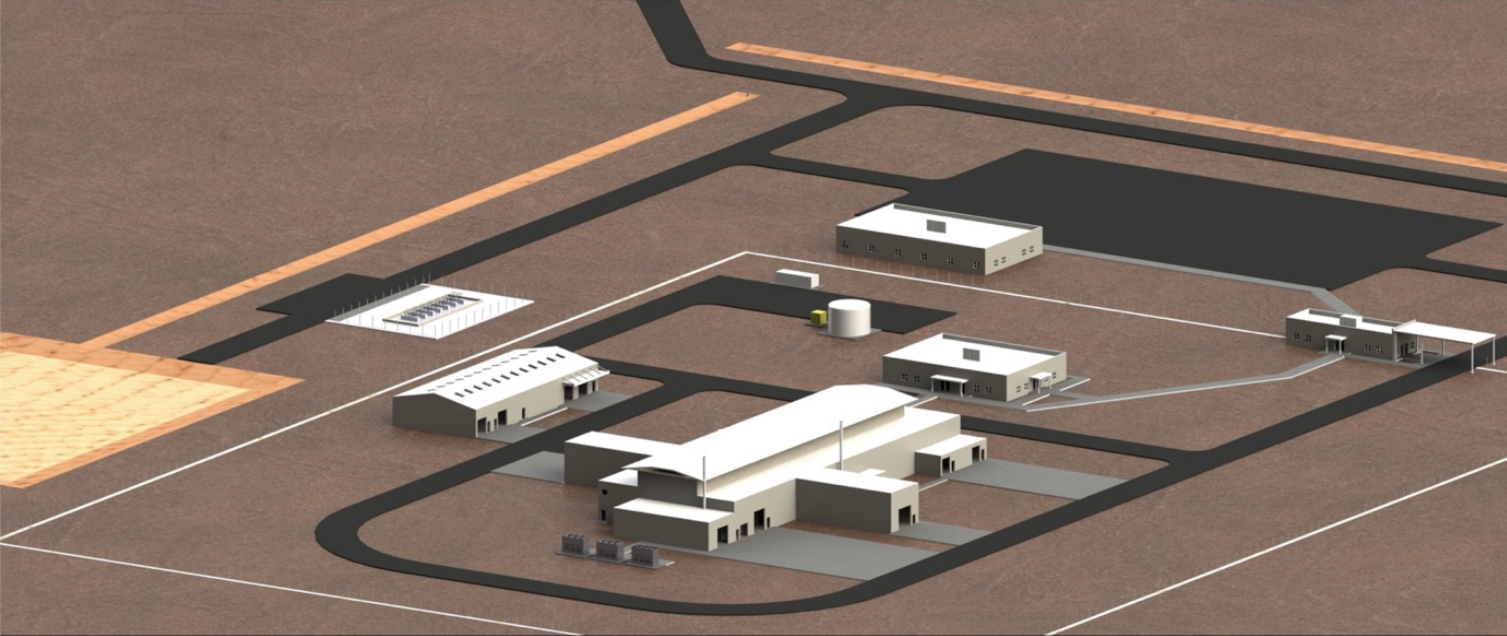
퍼스트 아메리칸 뉴클리어의 "에너지 파크" 조감도 (이미지: FANCO)
인디애나폴리스에 본사를 둔 원자로 개발 스타트업 퍼스트 아메리칸 뉴클리어(First American Nuclear, FANCO)는 5월 13일, 몬트리올에 본사를 둔 원자력 엔지니어링 기업 아트킨스레알리스(AtkinsRéalis)와 전략적 동맹을 체결했다고 발표했다.
양사는 이제 FANCO의 EAGL-1 원자로 설계를 공동으로 개발, 시험, 인허가할 계획이다. FANCO 입장에서 이번 협약은 수십 년의 원자력 프로젝트 개발 경험을 보유한 파트너를 확보하는 기회다. 아트킨스레알리스(AtkinsRéalis) 입장에서는 인디애나주에 입지를 마련하는 기회가 된다.
협약 세부 내용: 이번 새로운 협약을 발표하는 보도자료에 따르면, 아트킨스레알리스(AtkinsRéalis)는 북미에서 FANCO의 EAGL-1 원자로, 연료 제조 및 재활용 시설 프로젝트에 대한 독점 엔지니어링·조달·건설관리(EPC) 사업자로 역할을 담당하게 된다.
향후 배치 규모에 대해서는 아직 공개되지 않았다. 알려진 것은 FANCO가 인디애나주에 최초의 원자력 발전소를 건설하기 위해 주정부와 협력하고 있다는 사실이다.
지난 11월, FANCO는 인디애나폴리스에 본사를 설립하고, "원자력 에너지 파크" 및 관련 제조 시설 계획을 상세히 공개했다. 이번 보도자료에서 아트킨스레알리스(AtkinsRéalis)는 인디애나주 진출 계획에 동참한다고 밝혔다. 이 회사는 "FANCO 본사 인근 사무소 개설, 인력 및 공급망 개발 이니셔티브 협력, 뉴클리어 인디애나 연합(Nuclear Indiana Coalition) 및 기타 업계 단체 참여" 등을 포함한 "상당한 규모의 거점"을 인디애나주에 구축하겠다고 발표했다.
보도자료는 또한 양사 직원들이 이전에 미국 에너지부(DOE)의 글로벌 원자력 에너지 파트너십(Global Nuclear Energy Partnership) 및 선진 연료 캠페인(Advanced Fuels Campaign)과 같은 프로젝트에서 협력한 바 있음을 강조했다.
양측은 현재 첫 번째 EAGL-1이 "2033년까지 본격적인 규모로 전력 공급을 시작(delivering power at scale)"하는 것을 목표로 설정했다.
원자로 상세 정보: EAGL-1은 납-비스무트 냉각재를 사용하는 액체금속 고속 스펙트럼 원자로로 설계되고 있다. "EAGL"이 어떤 단어의 약자인지는 아직 회사 측에서 공개하지 않았다.
규모와 관련하여, 회사는 EAGL-1이 "전형적인 6기 원자로 클러스터에서 240메가와트의 전력을 생산하도록 설계되었으며, 이는 150만 가구에 전력을 공급할 수 있는 규모"라고 밝혔다. FANCO는 아직 잠재적 첫 배치에 몇 기의 원자로 유닛이 포함될지 명시적으로 밝히지 않았다.
연료와 관련하여, 회사는 연료에 "불가지론적(agnostic, 특정 연료에 얽매이지 않는)" 입장이라고 주장하며, "대부분의 원자로에서 사용하기엔 오염이 심한" 기존 DOE 비축 물질을 원료로 한 혼합산화물 연료 및 기타 초우라늄 연료를 검토 중이라고 밝혔다. 또한 EAGL-1 시스템은 고수준 저농축 우라늄(HALEU) 연료도 사용할 수 있다고 회사 측은 밝혔다.
인허가 절차와 관련하여, FANCO는 원자력 혁신 가속화 게이트웨이(GAIN, Gateway for Accelerated Innovation in Nuclear) 바우처를 통해 태평양 북서부 국립연구소(PNNL, Pacific Northwest National Laboratory)가 자사 원자로를 연구하면서 초기 순풍(tailwinds, 유리한 조건)을 맞았다. 회사에 따르면 PNNL은 "EAGL-1 설계는, 추가적인 설계 개발 및 분석을 전제로, 새로운 규정이나 새로운 규제 체계 없이 기존 [원자력규제위원회(NRC)] 기준 하에서 인허가가 가능할 것"이라는 결론을 내렸다.
FANCO는 또한 현재 납-비스무트 테스트 루프를 구축 중이며, 이를 통해 "모델 및 과거 분석에만 의존하는 것이 아닌, NRC에 명확한 실제 성능 데이터를 제공할 것"이라고 밝혔다.
올해 초, 회사는 EAGL-1에 대한 규제 참여 계획을 NRC에 제출했다. 이 계획에서 FANCO는 초기에 10 CFR 파트 50에 따른 건설 허가 취득을 추진할 것이라고 상세히 밝혔다.
AI 분석
아트킨스레알리스(AtkinsRéalis)와 FANCO의 이번 전략적 동맹은 미국 소형 원자로 시장 진입을 노리는 양사에게 상호 보완적인 협력 구조를 형성한다는 점에서 주목할 만하다. 납-비스무트 냉각 고속로는 기존 경수로 기술과 차별화된 방향으로, DOE 비축 초우라늄 폐연료를 활용 가능하다는 점이 핵연료 순환 측면에서도 의미 있다. 2033년 상업 운전 목표는 인허가 일정과 기술 성숙도를 감안할 때 도전적인 일정이나, 조기 NRC 규제 참여와 GAIN 바우처 지원은 긍정적 신호다. 인디애나주와의 협력과 지역 내 공급망·인력 개발 계획은 지역 정치적 지지를 확보하려는 전략으로 보이며, 미국 내 원자력 르네상스 흐름과도 맥을 같이한다. 다만 실제 배치 규모 및 구체적 자금 조달 계획이 아직 공개되지 않아 향후 발표에 귀추가 주목된다.
테네시 밸리 공사(TVA)가 테네시주 오크 리지의 클린치 리버 원자력 부지에 GE 버노바 히타치 뉴클리어 에너지(GE Vernova Hitachi Nuclear Energy)의 BWRX-300 소형모듈원자로(SMR) 건설을 위한 허가 신청서를 원자력규제위원회(NRC)에 제출했다.
TVA는 BWRX-300에 대해 미국 최초, 북미 두 번째로 건설 허가를 신청한 기업이 되었으며, NRC는 약 2년 반 내 검토 완료를 목표로 하고 있다.
TVA는 현재까지 클린치 리버 SMR 프로젝트에 총 3억 5,000만 달러를 배정했으며, DOE의 9억 달러 보조금 프로그램의 주요 신청자 중 하나로, 보조금 확보 시 2033년 상업 운전을 목표로 하고 있다.
---
테네시 밸리 공사(Tennessee Valley Authority, TVA)는 어제(2025년 5월 20일) 테네시주 오크 리지의 클린치 리버 원자력 부지에 GE 버노바 히타치 뉴클리어 에너지(GE Vernova Hitachi Nuclear Energy) BWRX-300 소형모듈원자로(SMR) 건설을 위한 건설 허가 신청서를 원자력규제위원회(Nuclear Regulatory Commission, NRC)에 제출했다고 발표했다.
이번 신청을 통해 TVA는 BWRX-300에 대한 건설 허가를 신청한 미국 최초의 기업이 되었으며, 캐나다 온타리오주 달링턴(Darlington) 부지에 대해 캐나다 원자력안전위원회(Canadian Nuclear Safety Commission, CNSC)에 신청한 온타리오 파워 제너레이션(Ontario Power Generation, OPG)에 이어 북미에서는 두 번째다.
주목할 발언: TVA 사장 겸 최고경영자(CEO) 돈 모울(Don Moul)은 "이번 신청은 TVA와 우리 지역, 그리고 우리나라에 있어 중요한 이정표입니다. 우리는 새로운 원자력 기술과 그 공급망 및 납품 모델의 개발을 가속화하여 미국의 에너지를 해방시키고 있기 때문입니다"라고 말했다. 그는 이어 "TVA는 BWRX-300 기술을 위한 최초의 신청서를 개발하고 설계를 발전시키는 데 노력을 기울였으며, 동일한 기술을 도입하고자 하는 다른 전력 회사들을 위한 길을 만들었습니다"라고 덧붙였다.
잠재적 심사 가속화: NRC는 5월 6일 오크 리지에서 두 차례의 공개 설명회를 열어 신청서 검토 절차와 안전 및 보안을 저해하지 않으면서 효율성을 높이려는 방향을 설명했다. _Oak Ridger_에 따르면, NRC 원자력 반응로 규제 사무소의 신규·갱신 면허 부서장 미셸 샘슨(Michelle Sampson)은 설명회에서 "오늘 언급한 TVA 제안 원자로에 대한 건설 허가 심사 기간은 약 2년 반으로, 과거 일부 심사보다 빠른 일정입니다. 우리는 심사 팀이 가능한 한 효과적으로 업무를 완수할 수 있도록 집중하는 방법을 모색하고 있습니다"라고 밝혔다.
배경: 지난달 클린치 리버 프로젝트 담당 수석 부사장 밥 디시(Bob Deacy)는 935에이커(약 378만 제곱미터) 규모의 부지에 대한 비전을 소개했다. 그는 축구장보다 작은 공간에 최첨단 디지털 장비와 새롭게 훈련된 인력을 갖춘 최대 4기의 SMR을 건설해 24시간 365일 안정적인 전력을 계통에 공급한다는 구상을 밝혔다. 디시는 "이 비교적 좁은 공간에서 우리나라 에너지 미래에 중요한 것, 즉 저렴하고 안정적인 원자력 전력의 가능성을 보게 될 것입니다"라고 말했다.
TVA는 2019년 클린치 리버 SMR 프로젝트에 대한 사전 부지 허가(early site permit)를 NRC로부터 취득했다. 이 회사는 2022년 BWRX-300 SMR을 선택했다고 발표한 바 있다.
GE 히타치(GE Hitachi)의 이 유닛은 300MWe급으로, 내장형 자연순환 및 수동냉각 기술로 설계되었으며 예상 수명은 60년이다.
자금 조달: TVA는 현재까지 클린치 리버 SMR 프로젝트에 총 3억 5,000만 달러를 배정했다. 여기에는 2022년 2월 이사회에서 승인된 초기 2억 달러와, 지속적인 설계 및 개발 작업을 지원하기 위해 2024년 4월에 추가된 1억 5,000만 달러가 포함된다.
TVA는 지난해 10월 처음 발표되고 3월 24일 재공고된 DOE의 9억 달러 보조금 프로그램의 주요 신청자 세 곳 중 하나다. 이 프로그램은 3세대+(Gen-III+) 경수로형 SMR 배치에 따른 위험을 낮추기 위한 것이다.
TVA는 초기 신청에서 DOE 보조금이 클린치 리버의 SMR 건설을 2년 앞당길 수 있으며, 빠르면 2033년에 상업 운전이 가능하다고 밝혔다.
디시는 "DOE 자금을 받게 되면 부지별 엔지니어링으로 바로 전환할 수 있습니다"라고 말했다. "또한 일부 장납기(long-lead) 자재 조달과 부지 정지 작업도 가능해질 것입니다. 우리는 DOE와 협력하여 비용을 분담함으로써 고객들에게 최초 시공(first-of-a-kind) 비용을 전가하지 않으려 하고 있습니다. 이 발전소는 검증된 기술을 기반으로 하지만, 여전히 최초 시공 발전소이기 때문입니다."
---
AI 분석
TVA의 이번 BWRX-300 건설 허가 신청은 미국 SMR 상용화를 향한 구체적인 진전으로, 규제 절차의 실질적인 첫 단계라는 점에서 상징적 의미가 크다. NRC가 약 2년 반의 신속한 심사 일정을 제시한 것은 미국 원자력 규제 환경이 변화하고 있음을 시사하며, 향후 다른 SMR 프로젝트의 선례가 될 수 있다. 935에이커 부지에 최대 4기의 소형모듈원자로를 운영한다는 구상은 기존 대형 원자력 발전소 대비 토지 효율성과 경제성 측면에서 주목할 만한 접근이다. DOE 보조금 확보 여부가 2033년 상업 운전 목표 달성의 핵심 변수로 작용할 것이며, 이는 민관 협력 모델의 성패를 가늠하는 시험대가 될 전망이다. TVA의 사례는 캐나다 OPG의 달링턴 프로젝트와 함께 북미 SMR 생태계 구축의 선도적 역할을 하며, 글로벌 원자력 르네상스(renaissance, 부흥) 흐름에 중요한 동력을 제공할 것으로 분석된다.
DOE, 경수로 소형모듈원자로(SMR) 배치 지원을 위해 9,400만 달러 규모 기업 선정
2026년 5월 15일
요약
카테고리: 원자력 정책
미국 에너지부(DOE)가 소형 경수로 모듈 원자로의 조기 배치를 촉진하기 위해 8개 기업에 총 9,400만 달러 이상의 비용 분담 자금을 지원한다고 발표했다.
이번 지원은 3세대+ SMR 배치 경로 프로그램의 2단계 자금으로, Constellation SMR Development(1,730만 달러, 뉴욕 SMR 부지 허가)와 Nebraska Public Power District(2,790만 달러, 네브래스카 부지 허가) 등 2개 기업이 부지 준비·선정 목적으로 선정됐다.
나머지 6개 기업(BWXT, Framatome, Global Nuclear Fuel Americas 등)은 원자로 압력용기 제조, 핵연료 가공시설 확장, 대형 단조 부품 생산 등 공급망 개발을 위해 선정됐다.
에너지부(DOE)는 목요일 소형 경수형 모듈 원자로의 단기 배치를 가속화하기 위해 8개 기업에 총 9,400만 달러 이상의 비용 분담 자금을 지원한다고 발표했다.
3세대 플러스(Generation III+) SMR 배치 경로 프로그램의 2단계(Tier 2) 지급액인 이번 자금은 지난해 테네시 강 유역 개발청(Tennessee Valley Authority)과 홀텍(Holtec)에 지원된 8억 달러 지급액—각각 테네시 주 클린치 리버(Clinch River)에 GE 버노바 히타치 원자력 에너지(GE Vernova Hitachi Nuclear Energy, GVH)의 BWRX-300 원자로와 미시간 주 팰리세이즈(Palisades) 부지에 홀텍 SMR-300 2기 배치를 위해 지원된—보다 적은 규모이다. 새롭게 선정된 수혜 기업들은 전국 각지에 위치하며, 장비 조달을 포함한 SMR 배치의 핵심 분야에 집중하고 있다.
수혜 기업: 부지 준비 및 선정 목적으로 2개 기업이 선정되었다:
1,730만 달러의 지원금이 콘스텔레이션 SMR 개발 유한회사(Constellation SMR Development LLC)에 지급되며, 뉴욕 주 내 미래 SMR 부지에 대한 원자력규제위원회(Nuclear Regulatory Commission, NRC)의 조기 부지 허가(early site permit, ESP) 취득에 사용될 예정이다. (뉴욕 주에서 새로운 원자력 발전소 건설로 이어질 수 있는 최근 동향으로는, 뉴욕 전력청(New York Power Authority, NYPA)이 잠재적 유치 지역사회를 대상으로 관심 표명을 요청하는 공고를 낸 사례가 있다.) 2,790만 달러의 지원금이 네브래스카 공공전력지구(Nebraska Public Power District, NPPD)에 지급되며, 네브래스카 주 내 미래 SMR 부지에 대한 NRC의 ESP 취득에 사용될 예정이다. (참고로, NPPD는 새로운 원자력 발전소 건설을 검토하는 과정에서 지난해 주 전역에서 정보 공개 설명회를 개최한 바 있다.)
나머지 6개 기업은 공급망 개발 사업을 위해 선정되었다:
2,140만 달러의 지원금이 BWXT 원자력 에너지 주식회사(BWXT Nuclear Energy Inc.)에 지급되며, 인디애나 주 마운트 버논(Mount Vernon)의 기존 시설에서 원자로 압력 용기 최종 조립 장비 확보 및 원자로용 대형 부품 제조에 사용될 예정이다. (앞서 BWXT 캐나다(BWXT Canada)는 온타리오 전력공사(Ontario Power Generation)의 달링턴(Darlington) 부지에 계획된 4기의 BWRX-300 원자로 중 첫 번째 원자로의 압력 용기를 제조하는 계약을 체결한 바 있다.) 54만 7,900달러의 지원금이 컨테이너 테크놀로지스 인더스트리즈 유한회사(Container Technologies Industries LLC)에 지급되며, 테네시 주 헬런우드(Helenwood) 시설의 원자력 품질 보증 인증을 확대하여 SMR 배치용 철강을 생산하는 데 사용될 예정이다. 880만 달러의 지원금이 프라마톰 미국 정부 솔루션 유한회사(Framatome U.S. Government Solutions LLC)에 지급되며, 워싱턴 주 리치랜드(Richland)의 연료 제조 시설 확장에 사용될 예정이다. 프라마톰(Framatome)은 세라믹 펠릿 생산 라인을 늘려 연간 약 200미터톤의 우라늄 생산 용량을 추가할 계획이다. (이번 지원금은 5월 중 프라마톰의 두 번째 주요 미국 내 사업으로, 회사가 발표한 바에 따르면 리치랜드 시설이 우라늄-235 농축도 5% 초과 연료 제조를 지원하는 면허 변경에 대한 NRC 승인을 받았으며, 제조는 2027년부터 시작될 예정이다.) 300만 달러의 지원금이 글로벌 원자력 연료 아메리카스(Global Nuclear Fuel Americas, GVH의 계열사)에 지급되며, 노스캐롤라이나 주 윌밍턴(Wilmington) 시설에서 비등수형 원자로(boiling water reactor)용 연료봉 제조의 두 번째 생산 라인 구축, 펠릿 검사 공정 자동화를 위한 자본 장비 확보, 자동화된 펠릿 보관 및 취급 역량 구현에 사용될 예정이다. 290만 달러의 지원금이 노스 아메리칸 포지마스터스 컴퍼니(North American Forgemasters Company)에 지급되며, 펜실베이니아 주 뉴캐슬(New Castle) 시설에 새로운 용광로를 조달하여 3세대 플러스 SMR용 대형 부품 단조품을 국내에서 생산하는 데 사용될 예정이다. 1,230만 달러의 지원금이 스콧 포지 컴퍼니(Scot Forge Company)에 지급되며, 일리노이 주 스프링 그로브(Spring Grove) 시설에 대형 수직 선반과 갠트리형 밀링 머신을 조달 및 설치하여 대형 부품을 국내에서 생산 및 제조하는 데 사용될 예정이다.
계획은 행정부를 초월하여 지속됩니다: 에너지부 장관 크리스 라이트(Chris Wright)는 목요일 발표에서 "선진 경수로 소형모듈원자로(SMR)는 대통령의 제조업 호황을 뒷받침하고, 데이터 센터와 AI 성장을 지원하며, 더 강력하고 안전한 전력망을 강화하는 데 필요한 안정적인 24시간 전력을 국가에 제공할 것입니다. 이번 수상은 이러한 원자로를 가능한 한 빨리 배치할 수 있도록 보장합니다."라고 밝혔습니다.
3세대+ SMR 배치 프로그램(Generation III+ SMR Pathway to Deployment Program)을 통한 약 9억 달러의 자금 지원은 바이든 행정부 시절인 2024년에 최초로 제공되었으나, 에너지부는 2025년에 트럼프 행정부의 에너지 정책 및 목표에 맞추어 공모 조건을 수정하였습니다.
2계층(Tier 2), 즉 패스트 팔로워 배치 지원(Fast Follower Deployment Support)은 2024년에 "설계, 인허가, 공급업체 개발, 부지 준비 등의 분야에서 국내 원자력 산업을 저해해 온 핵심 격차를 해소"하기 위해 약 1억 달러를 지원하는 것으로 설명되었습니다.
에너지부의 5월 14일 보도자료에 따르면, 추가 자금이 확보될 경우 또 다른 2계층 수상이 이루어질 수 있다고 합니다.
미국 에너지부(DOE)가 소형 경수로 모듈형 원자로(SMR) 배치를 가속화하기 위해 8개 기업에 총 9,400만 달러 이상의 비용 분담 자금을 지원하기로 발표했다. 이번 Tier 2 지원은 지난해 TVA와 Holtec에 지급된 8억 달러 규모 지원보다는 규모가 작지만, 뉴욕 및 네브래스카 주의 신규 SMR 부지 허가 획득부터 원자로 압력 용기 제조, 핵연료 생산 라인 확장에 이르기까지 공급망 전반을 체계적으로 강화하는 데 초점을 맞추고 있다. 특히 BWXT, Framatome, GNF, Scot Forge 등 다양한 기업에 대한 지원을 통해 미국 내 SMR 핵심 부품의 국내 제조 역량 확충이 본격화되고 있음을 보여준다. 이는 AI 데이터센터 급증과 제조업 부흥 등으로 인한 전력 수요 증가에 대응하고, 보다 안정적이고 탄력적인 전력망 구축을 위한 미국 정부의 장기적·초당파적 원자력 정책 의지를 반영한다. SMR 기술의 상용화를 위한 인프라와 공급망 구축이 가시적으로 진전되고 있어, 향후 원자력 발전의 르네상스를 이끌 중요한 이정표로 평가된다.
※ 이 글은 해외 원자력 바로알기를 위한 정보 전달을 목적으로 제공됩니다. 특정 기업이나 종목에 대한 투자 권유가 아니며, 모든 투자 판단과 그에 따른 책임은 투자자 본인에게 있습니다.
한국어
홀텍(Holtec), 팰리세이즈(Palisades) 부지 소형모듈원자로(SMR) 건설허가 신청서 부분 제출
홀텍(Holtec), 팰리세이즈(Palisades) 부지 소형모듈원자로(SMR) 건설허가 신청서 부분 제출
2026년 1월 14일, 오전 7:36 | Nuclear News
요약
카테고리: 현황
홀텍 인터내셔널(Holtec International)이 미시간주 코버트(Covert) 소재 팰리세이즈 부지에 SMR-300 2기 건설을 위한 제한적 건설승인(LWA) 신청서(건설허가 신청서 1부)를 원자력규제위원회(NRC)에 제출했다.
'파이어니어(Pioneer)-1'과 '-2'로 명명된 쌍둥이 소형모듈원자로는 각 340MWe급 가압경수로로, 1971년 가동을 시작해 2022년 가동이 중단된 777MWe급 팰리세이즈 원자로와 함께 운영될 예정이다.
홀텍은 에너지부(DOE)로부터 4억 달러 지원을 받았으며, 팰리세이즈 원자로가 전력망에 재연결되는 즉시 부지 준비 토목 공사에 착수할 계획이다.
---
팰리세이즈 부지 조감도. 전면에 SMR-300 2기가 묘사되어 있다. (이미지 제공: 홀텍(Holtec))
홀텍 인터내셔널(Holtec International)은 새해 전날(12월 31일), 미시간주 코버트(Covert) 소재 자사 부지에 SMR-300 2기 원자력 발전소 건설을 위한 제한적 건설승인(LWA, Limited Work Authorization) 취득을 목적으로 원자력규제위원회(NRC)에 건설허가 신청서 1부(Part 1)를 제출했다.
'파이어니어(Pioneer)-1'과 '-2'로 명명된 쌍둥이 340MWe급 가압경수로(PWR)는 1971년 가동을 시작해 2022년 가동이 중단된 777MWe급 팰리세이즈(Palisades) 가압경수로와 함께 운영될 예정이며, 팰리세이즈는 소폭 지연되기는 했지만 올해 초 전력망에 재연결될 것으로 기대된다. 홀텍의 신청 서류에 따르면, 건설허가 신청서 2부(Part 2)는 늦어도 2027년 중반까지 제출될 예정이다.
1월 13일, 원자력규제위원회(NRC)는 홀텍 인터내셔널의 자회사인 SMR, LLC로부터 제출된 2부 구성의 건설허가 신청서 중 첫 번째 부분이 검토를 위해 공개되었다고 발표했다. NRC 직원들이 신청서를 검토 중이며, 신청서가 요건을 충족하는 것으로 판단되면 이를 접수(docket)하고 상세 기술 검토 일정을 수립할 예정이다. NRC에 따르면 이 기술 검토는 "18개월을 초과하지 않는" 기간 내에 완료된다.
홀텍의 주요 성과: 홀텍 인터내셔널은 2025년 사업 성과 리뷰에서 팰리세이즈 부지에 SMR-300 소형모듈원자로 2기를 배치하려는 계획과 관련하여 몇 가지 "중추적 돌파구(pivotal breakthroughs)"를 강조했으며, 여기에는 지난 12월 초 에너지부(DOE)로부터 4억 달러를 수주한 것도 포함된다.
홀텍은 팰리세이즈 원자로가 전력망에 재연결되는 즉시 부지 준비 토목 공사에 착수할 계획이라고 밝혔다. 회사 측에 따르면 재연결은 2월 말까지 이루어질 가능성이 높다(이전 추정치에서는 팰리세이즈가 2025년 말까지 재가동될 것으로 전망했었다).
LWA 신청 패키지 세부 내용: 홀텍은 "2026년 12월 31일까지 LWA 신청서 승인"을 요청하며, 신청서에 세 가지 별도의 적용 면제(exemption) 요청을 포함시켰다.
홀텍은 세 가지 면제 요청 중 두 가지—전면적인 건설허가 취득 이전에 특정 건설 활동을 허용하는 면제와 현 단계에서 구체적인 자금 출처를 명시해야 하는 요건에서의 면제—를 LWA 신청서와 동시에 검토·승인해 달라고 요청했다.
또한 홀텍은 LWA 승인 이전에 옹벽 또는 굴착 지지대의 영구 설치를 허용하는 면제 요청에 대해 6개월이라는 보다 빠른 검토 일정을 요청했다.
LWA가 승인되면 홀텍은 "굴착 구역 내 토양의 물리적·역학적 특성을 강화하기 위한 토양 개량 작업을 수행하고, 격납 구조물, 원자로 보조 건물 및 중간 건물의 기초를 설치할 계획"이다. 면제 요청에 따라 허용될 추가 건설 활동에는 "기초부터 플랜트 지상 레벨까지의 강철-콘크리트 격납 용기(containment vessel) 건설"과 지하 구조물 및 벽체 공사가 포함된다.
영국에서의 진전: 홀텍의 소형모듈원자로(SMR) 프로그램은 팰리세이즈 개발 외에도 추가적인 진전을 이루고 있다. 회사에 따르면, 해당 원자로는 "현재 운영 중인 원자력 발전소가 없는 국가들을 포함해 전 세계 각지로부터 강한 관심을 받고 있습니다. 특히 영국에서의 규제 심사 진전에 크게 고무되어 있으며, 이는 2026년 초 일반설계심사(GDA, Generic Design Assessment) 2단계(Step 2)의 성공적인 완료로 귀결될 것으로 기대합니다."
회사는 영국 내 구 석탄화력 부지인 코탐(Cottam) 부지(잉글랜드 노팅엄셔(Nottinghamshire) 지역 소재)에 SMR-300을 건설하기 위해 영국의 에너지 기업 EDF와 양해각서(MOU)를 체결했다고 밝혔다.
---
AI 분석
홀텍 인터내셔널의 NRC 건설허가 신청서 제출은 미국 소형모듈원자로(SMR) 상용화를 향한 구체적이고 중요한 진전을 의미한다. 팰리세이즈 부지는 기존 원자력 인프라와 인허가 이력을 활용할 수 있어 신규 부지 대비 절차적 이점을 가지며, 재가동 예정인 팰리세이즈 원자로와의 시너지도 기대된다. 에너지부의 4억 달러 지원과 영국 EDF와의 MOU 체결은 홀텍의 SMR-300이 국내외 시장에서 모두 경쟁력을 인정받고 있음을 보여준다. 다만 NRC의 기술 검토가 최대 18개월 소요될 수 있고, LWA 신청 내 면제 요청들이 모두 승인되어야 하는 만큼 실제 착공까지는 여전히 불확실성이 존재한다. 영국 일반설계심사(GDA) 2단계 완료가 임박했다는 점은 홀텍 SMR-300의 글로벌 확장 전략이 순조롭게 진행되고 있음을 시사한다.
워싱턴 D.C.— 미국 에너지부(DOE)는 오늘 미국 내 선진 경수형 소형 모듈 원자로(SMR)의 근시일 내 배치를 지원하기 위해 8개 기업을 선정했다고 발표했다. 선정 기업들은 총 9,400만 달러 이상의 연방 비용 분담 자금을 공동으로 지원받으며, 국내 원자력 산업이 그동안 직면해 온 인허가, 공급망, 부지 준비 분야의 핵심 장애물을 해소함으로써 추가적인 Gen III+ SMR 배치를 촉진할 예정이다.
이번 프로젝트는 2030년대 신규 원자력 발전 공급망 구축, Gen III+ SMR 수주잔고 강화, 그리고 원자력 르네상스를 실현하고 미국의 에너지 주도권 의제를 확대하려는 트럼프 대통령의 행정명령을 이행하는 데 기여할 것이다.
"트럼프 대통령은 미국이 에너지를 줄이는 것이 아니라 더 많이 생산할 것이며, 원자력이 그 사명의 핵심임을 분명히 했습니다"라고 미국 에너지부 장관 크리스 라이트(Chris Wright)가 밝혔다. "선진 경수형 SMR은 트럼프 대통령의 제조업 부흥을 뒷받침하고, 데이터 센터와 AI 성장을 지원하며, 보다 강력하고 안전한 전력망을 강화하는 데 필요한 안정적이고 24시간 무중단 전력을 우리나라에 제공할 것입니다. 이번 지원을 통해 이러한 원자로를 최대한 신속하게 배치할 수 있게 되었습니다."
에너지부는 3세대 플러스 SMR 배치 경로 프로그램(Generation III+ SMR Pathway to Deployment Program)에 따라 다음 기업들을 지원 대상으로 선정했다:
_SMR 부지 선정 및 준비_
컨스털레이션 SMR 개발 유한책임회사(Constellation SMR Development, LLC), 1,726만 4,292달러: 향후 Gen III+ SMR 배치를 지원하기 위해 뉴욕 내 부지에 대한 미국 원자력규제위원회(NRC) 승인 조기 부지 허가(Early Site Permit) 취득을 추진한다.
네브래스카 공공 전력 지구(Nebraska Public Power District), 2,786만 4,860달러: 향후 Gen III+ SMR 배치를 지원하기 위해 네브래스카 내 부지에 대한 미국 원자력규제위원회(NRC) 승인 조기 부지 허가 취득을 추진한다.
_SMR 공급망 개발_
BWXT 원자력 에너지 주식회사(BWXT Nuclear Energy, Inc.), 2,142만 3,305달러: 원자로 압력용기 최종 조립 및 기타 대형 원자로 부품 제조에 필요한 장비를 인디애나주 마운트 버넌(Mount Vernon, Ind.)의 기존 시설에 조달한다.
컨테이너 테크놀로지스 인더스트리즈 유한책임회사(Container Technologies Industries, LLC), 54만 7,900달러: Gen III+ SMR 배치용 강철 생산이 가능하도록 테네시주 헬렌우드(Helenwood, Tenn.) 소재 자사 시설의 원자력 품질보증 인증을 확대한다.
프라마톰 미국 정부 솔루션즈 유한책임회사(Framatome U.S. Government Solutions, LLC), 880만 달러: 워싱턴주 리치랜드(Richland, Wash.)의 핵연료 가공 시설을 확장하여 세라믹 펠릿 생산 라인을 증설하고, 연간 약 200 메트릭톤의 우라늄 처리 용량을 추가한다.
글로벌 뉴클리어 퓨얼 아메리카스 유한책임회사(Global Nuclear Fuel Americas, LLC), 300만 달러: 노스캐롤라이나주 윌밍턴(Wilmington, N.C.) 소재 자사 시설에 비등수형 원자로(BWR)용 연료봉 제조를 위한 두 번째 생산 라인을 구축하고, 펠릿 검사 공정 자동화를 위한 설비를 도입하며, 펠릿 자동화 보관 및 취급 시스템을 구현한다.
아메리칸 포지마스터스 컴퍼니(American Forgemasters Company), 290만 달러: 펜실베이니아주 뉴캐슬(New Castle, Pa.) 소재 자사 시설에 Gen III+ SMR용 대형 부품 단조품의 국내 생산을 위한 새로운 용광로를 조달한다.
스콧 포지 컴퍼니(Scot Forge Company), 1,226만 7,000달러: 일리노이주 스프링 그로브(Spring Grove, Ill.) 소재 시설에 대형 수직 선반 및 갠트리식 밀링 머신을 조달·설치하여 Gen III+ SMR용 대형 부품의 국내 생산 및 제조를 촉진한다.
미국이 지속적인 전력 수요 증가에 대비함에 따라, 트럼프 대통령은 에너지부에 미국 에너지 안보를 지키기 위한 새롭고 저렴하며 신뢰할 수 있는 에너지를 추가로 확보하도록 지시했다. 경수형 SMR은 유연한 배치, 검증된 기술, 기존 공급망 활용 능력을 갖추고 있어 신규 원자력 설비 확충을 위한 가장 빠르고 확장 가능한 경로이다.
2025년 3월, 에너지부는 Gen III+ SMR 배치의 위험 완화를 위한 9억 달러 규모의 공모를 발표했다. 에너지부는 2025년 12월 테네시 계곡 개발청(Tennessee Valley Authority)과 홀텍 정부 서비스(Holtec Government Services)에 8억 달러의 1단계(Tier 1) 지원금을 발표하여 테네시주와 미시간주의 초기 프로젝트를 추진함으로써 국가 원자력 역량을 확대하는 동시에 추가적인 후속 프로젝트 및 관련 공급망을 촉진했다. 추가 자금이 확보될 경우 2단계(Tier 2) 지원금이 추가로 지급될 수 있다.
자세한 정보는 3세대 플러스 소형 모듈 원자로 배치 경로 프로그램(Generation III+ Small Modular Reactor Pathway to Deployment Program) 웹페이지를 여기서 확인하세요.
이번 에너지부의 9,400만 달러 지원 발표는 트럼프 행정부의 원자력 에너지 르네상스 정책을 구체적인 재정 투자로 뒷받침하는 중요한 행보로, 인허가·공급망·부지 준비라는 세 가지 핵심 장애물을 동시에 공략하는 전략적 접근이 돋보인다. Gen III+ SMR은 이미 검증된 경수로 기술을 기반으로 하여 차세대 원자로 설계보다 빠른 배치가 가능하다는 점에서 미국 전력 수요 급증에 대응하는 현실적인 단기 해법으로 평가받고 있다. 특히 BWXT 원자력 에너지, 프라마톰, 글로벌 뉴클리어 퓨얼 등 기존 원자력 공급망 기업들을 선별 지원함으로써 신규 투자보다 기존 산업 인프라를 강화하는 방향을 택한 점이 주목된다. 2025년 12월의 TVA 및 홀텍 대상 8억 달러 1단계 지원에 이어 이번 2단계 지원까지 더하면 연방 정부의 Gen III+ SMR 분야 투자가 빠르게 확대되고 있으며, 이는 2030년대 미국 내 원자력 발전 용량 증대에 실질적인 촉진제가 될 전망이다. 향후 추가 자금 확보 시 2단계 보완 지원도 예정되어 있어, 이 분야에 대한 미국 정부의 장기적 투자 의지와 정책 일관성을 확인할 수 있다.
미국 에너지부(DOE)가 경수형 소형모듈원자로(SMR) 초기 배치를 지원하기 위해 테네시 강 유역 개발청(TVA)과 홀텍 거버먼트 서비스(Holtec Government Services)를 선정했으며, 각 기업에 최대 4억 달러의 연방 비용분담 자금을 지원한다.
TVA는 테네시 주 클린치 리버(Clinch River) 부지에 GE 베르노바 히타치(GE Vernova Hitachi)의 BWRX-300 SMR을 배치할 계획이며, 인디애나 미시간 파워(Indiana Michigan Power) 및 엘리먼틀(Elementl)과 협력해 추가 SMR도 배치할 예정이다.
홀텍은 미시간 주 코버트(Covert)의 팰리세이즈(Palisades) 원자력발전소에 SMR-300 원자로 2기('파이오니어 1호'와 '파이오니어 2호')를 배치하고, 현대건설(Hyundai Engineering & Construction)과 협력해 원스톱 방식으로 프로젝트를 추진할 계획이다.
---
에너지부(DOE)는 미국 내 경수형 소형모듈원자로(SMR)의 초기 배치를 지원하기 위해 테네시 강 유역 개발청(TVA)과 홀텍 거버먼트 서비스(Holtec Government Services)를 선정했다. 두 기업은 각각 테네시 주와 미시간 주에서 추진 중인 초기 SMR 프로젝트와 후속 프로젝트 및 관련 공급망을 발전시키기 위해 연방 비용분담 자금을 최대 4억 달러씩 지원받게 된다.
행정명령 목표: 선정 결과를 발표하면서 크리스 라이트(Chris Wright) 에너지부 장관은 이번 선정이 트럼프 대통령의 원자력 에너지 관련 행정명령 목표를 달성하는 데 기여할 것이라고 밝혔다. "트럼프 대통령은 미국이 에너지를 줄이는 것이 아니라 더 많이 생산해야 한다는 점을 분명히 했으며, 원자력은 그 사명의 핵심입니다"라고 그는 말했다. "첨단 경수형 SMR은 대통령의 제조업 부흥을 뒷받침하고, 데이터 센터와 AI 성장을 지원하며, 더 강력하고 안전한 전력망을 강화하는 데 필요한 안정적이고 24시간 가동 가능한 전력을 우리나라에 제공할 것입니다. 이번 지원을 통해 우리는 최대한 신속하게 원자로를 배치할 수 있게 됩니다."
TVA: 연방 자금은 TVA가 테네시 주 클린치 리버(Clinch River) 부지에 GE 베르노바 히타치(GE Vernova Hitachi)의 BWRX-300 SMR을 배치하고, 인디애나 미시간 파워(Indiana Michigan Power) 및 엘리먼틀(Elementl)과 협력해 추가 SMR을 배치하는 계획을 지원하게 된다. 또한 이 자금은 스코트 포지(Scot Forge), 노스 아메리칸 포지마스터스(North American Forgemasters), BWX 테크놀로지스(BWX Technologies), 에이컨(Aecon), 듀크 에너지(Duke Energy), 오크리지 대학연합(Oak Ridge Associated Universities), 전력연구원(Electric Power Research Institute)과의 TVA 협력 활동도 강화하게 된다.
TVA 사장 겸 CEO 돈 물(Don Moul)은 "이번 수상은 국가 원자력 에너지 미래를 형성하는 TVA의 지속적인 리더십을 확인시켜 줍니다. DOE의 지원과 우리 파트너들의 역량을 바탕으로, 우리는 차세대 원자력 배치를 가속화해 소비자에 대한 재정적 위험을 줄이고 미국의 에너지 안보를 강화하고 있습니다. 이것이 바로 우리가 미국 가정에 안정적이고 저렴한 에너지와 실질적인 기회를 제공하는 방식입니다"라고 말했다.
홀텍(Holtec): 홀텍의 경우, 연방 자금은 미시간 주 코버트(Covert)의 팰리세이즈(Palisades) 원자력발전소에 SMR-300 원자로 2기를 배치하는 계획을 지원하게 된다. 이 원자로들은 '파이오니어 1호(Pioneer 1)'와 '파이오니어 2호(Pioneer 2)'로 명명됐다. 홀텍은 이번 배치를 통해 미국 내외에서 추가 SMR-300 수주의 실현 가능성을 입증할 계획이다. 홀텍은 현대건설(Hyundai Engineering & Construction)과 협력해 원자로 건설, 배치, 운영, 공급망, 전력 판매를 포괄하는 '원스톱 숍(one-stop-shop)' 방식을 채택하고 있다.
홀텍의 발표문에 따르면, "DOE의 지원은 팰리세이즈 SMR-300 프로젝트가 개발 단계에서 배치 단계로 전환되는 데 필수적인 원동력으로, 2020년 DOE 첨단원자로 실증 프로그램(ARDP) _미래 실증을 위한 리스크 저감_ 사업을 통한 정부의 홀텍 SMR 기술에 대한 기존 지원을 토대로 상업적 준비 태세를 지원합니다."
3월 공모: DOE의 TVA 및 홀텍 선정은 3세대+(Gen III+) 경수형 SMR 배치 리스크를 줄이기 위한 9억 달러 규모의 공모를 3월에 재발행한 후속 조치다. 해당 자금은 원래 바이든 행정부 시절인 2024년 10월에 제안됐으나, DOE는 기관의 3세대+ SMR 프로그램을 트럼프 행정부의 원자력 에너지 정책 및 "에너지 지배(energy dominance)" 목표와 더욱 잘 부합시키기 위해 공모 내용을 수정했다.
---
AI 분석
이번 DOE의 TVA 및 홀텍 선정은 미국이 소형모듈원자로(SMR) 상용화를 향해 구체적인 발걸음을 내딛었음을 보여주는 중요한 이정표다. 각 기업에 최대 4억 달러의 연방 자금을 지원함으로써 정부는 민간 자본만으로는 감당하기 어려운 초기 배치 리스크를 분담하는 역할을 맡게 된다. TVA의 BWRX-300 프로젝트와 홀텍의 SMR-300 프로젝트는 각각 기술적 접근 방식이 다르며, 이를 통해 미국 내 SMR 기술 다양화가 동시에 이루어질 전망이다. 특히 홀텍과 현대건설의 협력은 한국 원자력 산업계의 글로벌 진출이라는 측면에서도 주목할 만하며, 미국-한국 간 원자력 산업 협력의 심화를 시사한다. 트럼프 행정부의 "에너지 지배" 기조 아래 원자력 에너지가 국가 에너지 전략의 핵심 축으로 자리매김하고 있으며, 이는 향후 SMR 시장의 빠른 성장으로 이어질 가능성이 크다.
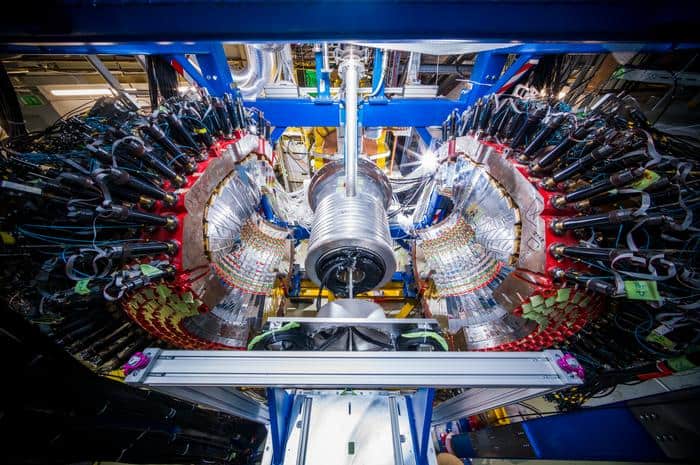
중성 메손이 강한 상호작용을 통해 원자핵에 결합된 이국적인 원자 유사 시스템의 징후가 두 국제 공동 연구팀의 실험 데이터에서 나타났다. 확인될 경우, 이 지금까지 관측되지 않은 시스템은 하드론 질량의 기원에 빛을 비추고(새로운 통찰을 제공하고), 핵물질 내 양자 색역학(quantum chromodynamics)의 근본적인 대칭성에 대한 새로운 이해를 가능하게 할 수 있다.
강한 상호작용은 중력, 전자기력, 약한 상호작용과 함께 자연의 네 가지 기본 힘 중 하나이다. 강한 상호작용은 쿼크를 하드론, 즉 양성자와 중성자 같은 세 쿼크 입자로 묶고, 원자핵 내에서 양성자와 중성자를 결합시키는 역할을 한다. 전기적으로 중성인 메손—쿼크와 반쿼크로 이루어진 수명이 짧은 입자—역시 강한 상호작용의 영향을 받으며, 전자기력에 의해 전자가 핵에 결합되는 것과 개념적으로 유사한 방식으로 원자핵에 결합될 수 있다.
이러한 메손 기반 핵 시스템을 연구하는 것은 강한 상호작용의 특성을 더 잘 이해하는 데 도움이 된다고 연구 공동 책임자인 일본 리켄(RIKEN)의 다나카 요시키(Yoshiki Tanaka)는 말한다. 에타 프라임 메손, _η′_ 은 특히 흥미로운데, 그 상대적으로 큰 질량이 단순한 쿼크 모형으로는 설명되지 않기 때문이라고 다나카(Tanaka)는 덧붙인다. "U(1) 문제라고 알려진 이 문제는 1970년대에 물리학자 스티븐 와인버그(Steven Weinberg)에 의해 이미 제기된 바 있습니다"라고 그는 말한다.
핵 내 𝜂′ 메손 질량에 대한 직접적인 실험적 접근
현대 이론들은 _η′_ 메손의 큰 질량을 양자 색역학 내 카이랄 대칭 깨짐의 존재에 기인한다고 본다. 양자 색역학은 강력의 근본 이론이다. 이 이론들은 핵 시스템 내에서 이 질량이 감소해야 한다고 예측하며, 이것이 다나카와 동료 연구자들이 검증하고자 한 것이다.
"𝜂′-메소닉 핵의 분광학 연구는 핵 내 𝜂′ 메손 질량에 대한 직접적인 실험적 접근을 제공하며, 하드론의 질량이 어떻게 형성되는지 그 근본 메커니즘을 조사할 수 있는 독보적인 기회를 제공합니다"라고 그는 설명한다.
연구팀의 실험에서는 양성자 빔이 ¹²C 원자핵에 거의 상대론적인 속도로 충돌하여 중성자를 제거한다. 이 중성자는 양성자와 함께 앞쪽 방향으로 전파되는 중수소핵(deuteron)을 형성하고, 뒤에는 높은 에너지 상태의 ¹¹C 핵이 남는다. 이 잉여 에너지가 𝜂′ 메손을 발생시킨다.
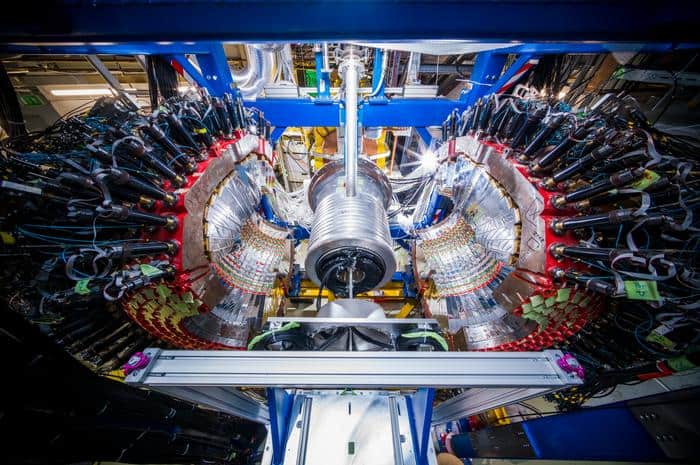
유지보수 위치에 있는 실험 장치 WASA. (제공: J. Hosan, GSI/FAIR)
드문 경우, 연구자들이 설명하듯이, 메손은 ¹¹C 핵에 결합되어 𝜂′-메소닉 핵 시스템을 형성한다. 그러나 이러한 사건들이 매우 드물기 때문에 발견하기 어렵다. "연구에서 마주친 가장 큰 도전 중 하나는 측정 중에 등록된 매우 많은 양의 배경 사건(background events)이었습니다"라고 다나카(Tanaka)는 회상한다. "이는 신호 사건보다 약 100~1000배 많았습니다."
연구자들은 𝜂′-메소닉 핵의 형성과 관련된 신호 사건들을 그것들이 붕괴되는 입자들을 "태깅(tagging)"하여 효율적으로 선별할 수 있는 새로운 실험을 개발함으로써 이 문제를 극복했다. 이를 통해 앞쪽 방향으로 이동하는 중수소핵뿐 아니라 수명이 짧은 𝜂′-메소닉 핵 상태의 붕괴 산물도 측정할 수 있었다.
연구자들은 _Physical Review Letters_ 에 발표한 결과에 따르면, 𝜂′ 메손 질량이 핵물질 내에서 약 60 MeV 감소한다고 밝혔다. "이 결과는 글루온(강한 원자력을 매개하는 질량이 없는 입자)의 역학과 함께 카이랄 대칭 깨짐을 𝜂′ 메손 질량의 기원으로 귀속시키는 이론적 시나리오를 정성적으로 지지합니다"라고 다나카(Tanaka)는 말한다.
η-PRiME 협력단(η-PRiME Collaboration) 및 슈퍼 프래그먼트 세퍼레이터 실험 협력단(Super Fragment Separator Experiment Collaboration)의 연구자들과 독일 유스투스 리비히 기센 대학교(Justus Liebig University Giessen)의 물리학자들 및 그들의 GSI/FAIR 연구 그룹을 포함한 연구팀은 현재 𝜂′-메소닉 핵을 실제로 관측했는지 확인하기 위한 후속 실험을 계획 중이라고 밝혔다. "우리는 또한 입자 및 원자력 물리학에서 새로운 양자 상태의 발견을 확고히 확립하는 데 필요한 5σ 수준까지 유의성을 높이는 것을 목표로 합니다"라고 다나카(Tanaka)는 말한다.
---
AI 분석
이번 연구는 강한 상호작용만으로 결합된 메소닉 핵 시스템의 존재를 실험적으로 시사하는 중요한 성과로, 하드론 질량의 기원이라는 오랜 미해결 문제에 접근하는 새로운 창(窓)을 열었다. η′ 메손 질량이 핵물질 내에서 약 60 MeV 감소한다는 측정 결과는 카이랄 대칭 깨짐 이론의 예측과 정성적으로 부합하며, 양자 색역학의 근본 이해를 위한 실험적 토대를 제공한다. 다만 현재의 통계적 유의성은 새로운 입자 물리학 발견의 표준 기준인 5σ에 미치지 못하므로, 후속 실험을 통한 확증이 필수적이다. 배경 잡음이 신호보다 100~1000배 많다는 기술적 한계를 극복한 태깅 기법의 개발은 이 분야의 향후 실험적 접근 방식에 있어 중요한 방법론적 기여로 평가될 수 있다. GSI/FAIR 시설을 중심으로 한 국제 공동 연구의 진전은 기초 핵물리학 및 입자물리학 영역에서 새로운 발견의 가능성을 높이고 있다.
2026년 5월 14일 오후 2:09 | Nuclear News | 찰리 니콜스(Charlie Nichols), 마이크 루칸(Mike Lukan)
요약
카테고리: 현황
아이오와주 유일의 원자력 발전소였던 듀에인 아놀드(Duane Arnold) 에너지 센터는 2020년 데레초(derecho, 직선형 강풍 폭풍) 피해와 기존 폐로 계획이 맞물려 가동을 중단했다.
데이터 센터, AI 인프라, 첨단 제조업, 전력화 확산으로 전력 수요가 급증하면서 신뢰할 수 있는 무탄소 기저 전력의 가치가 크게 높아졌다.
린 카운티(Linn County)는 듀에인 아놀드의 재가동을 지원하기 위한 용도 변경을 승인하고, 넥스트에라 에너지(NextEra Energy)의 주(州) 및 연방 승인 획득을 적극 지원하고 있다.
---
듀에인 아놀드 원자력 발전소. (사진: 넥스트에라 에너지 듀에인 아놀드)
듀에인 아놀드 에너지 센터는 45년간 아이오와주 린 카운티에서 팔로(Palo) 마을 인근, 시더래피즈(Cedar Rapids) 북서쪽에 위치하여 운영되었다. 넥스트에라 에너지(NextEra Energy)가 소유한 이 시설은 주(州) 내 유일한 원자력 발전소였다.
2020년 8월, 역사적인 데레초(derecho, 광범위한 피해를 동반하는 직선형 강풍 폭풍)가 시속 약 140마일(약 225킬로미터)에 달하는 바람을 동반하며 아이오와주 동부를 휩쓸었다. 발전소 냉각탑의 피해는 이미 계획되어 있던 가동 중단을 앞당겼으며, 시설은 곧 폐로 절차에 돌입했다. 같은 해 10월 핵연료가 반출되면서 아이오와주 유일의 원자력 발전소는 가동을 멈췄다.
오늘날 전국의 에너지 환경은 불과 6년 전과는 매우 다른 양상을 보이고 있다. 데이터 센터, 인공지능 인프라, 첨단 제조업, 그리고 전력화(electrification)가 전국적으로 확대되면서 전력 수요가 빠르게 증가하고 있다. 신뢰할 수 있는 무탄소 기저 전력의 가치는 갈수록 높아지고 있다. 이러한 맥락에서 린 카운티는 듀에인 아놀드의 재가동을 지원하는 데 필요한 용도 변경을 승인했으며, 넥스트에라 에너지가 나머지 주 및 연방 승인을 확보하는 노력을 적극적으로 지원하고 있다.
※ 전문을 계속 읽으시려면 로그인하거나 무료 계정을 만드세요.
---
AI 분석
듀에인 아놀드 에너지 센터의 재가동 추진은 미국 전역에서 나타나고 있는 폐로 원자력 발전소 재활용 움직임의 일환으로, AI 및 데이터 센터 확산에 따른 전력 수요 급증이 그 배경에 자리하고 있다. 특히 이 기사는 연방·주 정부 차원이 아닌 지역 카운티(린 카운티)가 적극적으로 용도 변경 승인에 나섰다는 점에서, 지역 사회가 원자력 에너지 귀환을 수용하는 변화된 분위기를 잘 보여준다. 2020년 자연재해로 인한 조기 폐로라는 특수한 경위는, 이 시설이 기술적·경제적으로 재가동이 가능한 상태를 비교적 잘 유지하고 있을 가능성을 시사한다. 향후 넥스트에라 에너지가 원자력규제위원회(NRC) 등의 연방 승인을 획득할 경우, 이 사례는 미국 내 원자력 발전 재건의 중요한 선례가 될 수 있다.
이탈리아 총리 조르자 멜로니(Giorgia Meloni)가 수개월 내 원자력 에너지 재도입을 위한 새로운 법적 틀을 마련하겠다고 상원에서 공식 발표했다.
수권법(enabling law)이 여름 전에 승인될 예정이며, 이에 따른 이행 법령이 채택되어 이탈리아 내 원자력 발전 재개를 위한 법적 기반이 구축될 전망이다.
이탈리아는 1986년 체르노빌 사고 이후 국민투표를 통해 원자력을 포기했으나, 2023년 이후 의회 결의 및 국가 플랫폼 출범 등을 통해 재도입 논의가 본격화되고 있다.
---
Share on socials
이탈리아 총리 조르자 멜로니(Giorgia Meloni)는 자국의 에너지 믹스에 원자력 에너지를 재도입하기 위한 새로운 틀을 수개월 내에 출범시킬 준비를 하고 있다고 밝혔다.
Italy prepares for return of nuclear power 상원에서 연설하는 멜로니(Meloni) 총리 (이미지 출처: governo.it)
국가의 전략적 우선 과제를 다루기 위한 통제 위원회 설립에 관한 질문에 답하면서, 멜로니(Meloni) 총리는 상원에서 다음과 같이 말했다:
"귀하의 질문이 공통된 기반을 제기한다고 생각합니다. 그것은 분명히 우리가 처한 현재 상황입니다. 특히 복잡한 국제 경제 환경과 우리가 경험하고 있는 지속적인 지정학적 긴장은, 이미 영향을 미치고 있듯이, 성장과 에너지 비용, 기업 경쟁력, 그리고 가계 구매력에 영향을 미칠 것입니다. 그리고 이 어려운 시기에(녹록지 않은 상황에서), 논쟁의 여지보다는 이탈리아에 영향을 미치는 주요 전략적 문제에 대한 구체적인 논의를 위한 공간이 더 많아야 합니다.
>
"분명히, 이러한 주요 문제들 중에는 에너지가 있습니다. 귀하가 동의하든 동의하지 않든, 정부는 처음부터 가스 방출에서 원자력 조치에 이르기까지 이 문제를 해결하기 위해 노력해 왔다는 것을 알고 계십니다. 또한 이 기회를 빌려 수권법(enabling law)이 여름 전에 승인될 것이며, 이탈리아에서 원자력 발전 재개에 필요한 법적 틀을 만들기 위한 이행 법령이 채택될 것임을 말씀드리고 싶습니다."
작년 10월, 멜로니(Meloni)가 주재한 각료회의에서 이탈리아 내각은 국내 원자력 에너지 재도입 책임을 정부에 위임하는 법안을 최종 심의를 위해 승인했다. 이 법안은 2050년까지의 유럽 탈탄소화 정책과 에너지 안보 목표의 틀 내에서 '지속 가능한' 원자력 발전 도입을 정부가 포괄적으로 규제할 수 있는 권한을 부여한다. 이 위임 사항에는 무엇보다도 지속 가능한 원자력을 위한 국가 프로그램 개발, 독립적인 원자력 안전청 설립, 과학 및 산업 연구 강화, 새로운 역량 개발, 그리고 정보 및 인식 캠페인 실행이 포함된다.
이행 입법 법령은 법률 발효 후 12개월 이내에 채택되어야 한다.
이탈리아는 1960년대 초부터 총 4개의 원자력 발전소를 운영했지만, 1986년 체르노빌(Chernobyl) 사고 이후 실시된 국민투표에서 원자력 발전을 단계적으로 폐지하기로 결정했다. 이탈리아는 1990년 마지막으로 운영 중이던 카오르소(Caorso)와 트리노 베르첼레세(Trino Vercellese) 발전소를 폐쇄했다.
2011년 3월 말, 후쿠시마 다이이치(Fukushima Daiichi) 사고 이후, 이탈리아 정부는 오랫동안 중단된 원자력 프로그램을 재개하려 하던 자국 내 원자력 발전소 건설에 대해 최소 1년간의 유예(moratorium)를 승인했다. 같은 해 6월 실시된 여론조사에서 유권자의 94%가 이탈리아에서의 새로운 원자로 건설에 반대했다. 그러나 2021년 6월에 실시된 여론조사에서는 이탈리아인의 3분의 1이 국내 원자력 에너지 사용을 재고하는 것에 찬성했으며, 응답자의 절반 이상이 새로운 첨단 원자력 기술의 미래 사용을 배제하지 않겠다고 답했다.
2023년 5월, 이탈리아 의회는 정부가 원자력 발전을 국가 에너지 믹스에 포함시키는 것을 검토하도록 촉구하는 결의안을 승인했다. 같은 해 9월, 이탈리아에서 원자력 에너지 재개의 가능한 일정을 정의하고 이미 해당 분야에서 운영 중인 국가 산업 체인의 기회를 파악하기 위해 정부가 설립한 지속 가능한 원자력을 위한 국가 플랫폼(National Platform for Sustainable Nuclear Power)의 첫 번째 회의가 열렸다.
---
AI 분석
이탈리아의 원자력 재도입 움직임은 유럽 내 에너지 안보와 탈탄소화에 대한 현실적 필요성이 결합된 결과로, 단순한 정치적 의지를 넘어 구조적 전환의 신호로 볼 수 있다. 멜로니(Meloni) 정부가 구체적인 입법 일정을 공개적으로 제시한 것은 이전의 논의 단계를 넘어 실행 단계로 진입했음을 보여준다. 1986년 체르노빌 사고와 2011년 후쿠시마 사고를 거치며 강했던 반원자력 여론이 2021년 이후 반전 조짐을 보이는 것은, 기후변화 대응과 에너지 비용 급등이 대중 인식에 실질적인 영향을 미치고 있음을 시사한다. 독립적인 원자력 안전청 설립과 국가 프로그램 수립이 위임 사항에 포함된 점은, 이탈리아가 단순한 발전소 건설을 넘어 원자력 산업 생태계 전반을 재구축하려는 장기적 비전을 갖고 있음을 나타낸다. 이탈리아의 행보는 폴란드, 체코 등과 함께 유럽 전역의 원자력 르네상스 흐름에 새로운 동력을 더할 것으로 전망된다.
에덴 라디오이소토프스(Eden Radioisotopes)가 의료용 방사성동위원소, 주로 몰리브덴-99(Mo-99)와 루테튬-177(Lu-177) 생산을 위한 시설 건설 허가 신청서를 원자력규제위원회(NRC)에 제출했다.
미국은 수십 년간 진단 영상용 Mo-99의 안정적인 국내 공급원이 없었으며, 에덴은 이 공급망을 국내로 되돌리겠다는 목표를 제시했다.
에덴의 시설은 소형 비발전 개방 수조형 원자로를 사용하며, 글로벌 Mo-99 수요의 최대 50%를 공급할 수 있는 능력을 갖출 것으로 기대된다.
---
에덴 라디오이소토프스(Eden Radioisotopes)는 의료용 방사성동위원소, 주로 몰리브덴-99와 루테튬-177을 생산하기 위한 시설의 건설 허가 신청서를 원자력규제위원회(Nuclear Regulatory Commission)에 제출했다.
미국은 수십 년간 진단 영상용 Mo-99의 안정적인 국내 공급원을 갖추지 못했으며, 고수준 저농축 우라늄(HALEU) 타깃을 사용하여 동위원소를 생산하는 시설을 지원하기 위해 남아프리카공화국, 네덜란드, 벨기에의 인프라에 투자해왔다. 이들 원자로는 노후화되었으며, 수리를 위한 예상치 못한 가동 중단으로 인해 공급망에 차질이 빚어진 바 있다. 반감기가 66시간인 Mo-99는 비축이 불가능하다.
에덴 라디오이소토프스는 고수율 동위원소 생산에 최적화된 소형 비발전 개방 수조형 원자로 설계를 사용할 것을 제안하고 있다. 이 원자로는 저농축 우라늄을 사용하며 1.8 MWt로 운전된다. 에덴은 타깃 교체를 위한 휴지 시간을 활용하여 하루 22시간 운전할 계획이다.
에덴의 NRC 규제 참여 계획서에 따르면, 동 시설은 "핵분열 과정을 통해 Mo-99, 아이오딘-131(I-131), 제논-133(Xe-133)을 생산하고, 루테튬-177(Lu-177)과 같은 기타 동위원소는 중성자 활성화를 통해 생산할 것"이라고 명시되어 있다.
현지에서 타깃 제조 및 조사된 타깃으로부터 원하는 방사성동위원소를 분리하기 위한 핫셀 시설이 건설 중이다. 회사는 이 원자로에서 사용후핵연료가 발생하지 않으며, 우라늄의 90%는 추가 동위원소 생산을 위해 재활용될 것이라고 밝혔다.
에덴 라디오이소토프스의 최고경영자 캐리 프리먼(Carrie Freeman)은 "수십 년간 미국의 의료 시스템은 취약하고 해외에 의존하는 공급망의 처분에 맡겨져 왔습니다(즉, 공급망의 불안정성에 그대로 노출되어 왔습니다)"라며 "에덴은 이 역량을 영구적으로 국내로 되돌려—Mo-99 및 Lu-177의 국내 공급을 확립하고, 검증된 원자력 기술을 암과 심장 질환과의 싸움에 직접 투입할 것입니다"라고 말했다.
국내 공급: Lu-177과 Mo-99 모두 수입 의존에서 국내 공급으로 전환하면 미국 내 공급망 신뢰성이 향상된다. 그러나 Mo-99의 경우 추가적인 고려 사항이 있다. Mo-99를 생산 시설에서 의료 기관까지 운송하는 데 66시간이 걸린다면, 샘플이 도착했을 때 남아 있는 Mo-99의 양은 출발 시점의 절반에 불과하다. 이 때문에 생산지를 목적지와 물리적으로 가깝게 함으로써 운송 시간을 단축하는 국내 공급이 훨씬 더 효율적이다.
국내 경쟁: 미국은 하루 4만 건 이상의 의료 시술을 포함하여 세계 Mo-99 공급량의 절반을 소비한다. 에덴은 자사 시설이 이 동위원소의 "글로벌 수요의 최대 50%를 공급할 수 있는 위치"에 있게 될 것이라고 밝혔다.
에덴만이 국내 의료용 동위원소 생산 공백을 메우려는 유일한 기업은 아니다. 최근 에너지부(Department of Energy) 에너지 지배 금융 사무소(Office of Energy Dominance Financing)는 Mo-99 생산 시설을 건설 중인 핵융합 기업 샤인 테크놀로지스(Shine Technologies)에 최대 2억 6,300만 달러의 융자에 대한 조건부 약정을 발표했다.
에너지부에 따르면, 위스콘신주 제인스빌(Janesville, Wis.)에 위치한 샤인의 시설 크리살리스(Chrysalis)는 "미국 Mo-99 수요의 75% 이상을 초과하는 생산 능력"을 갖춘 고도 건설 단계에 있다. 샤인은 이미 기존 동위원소 시설에서 Lu-177을 생산하고 있다.
에덴의 배경: 에덴은 미국 정부가 의료용 동위원소의 임박한 부족을 인식했던 1990년대에 시작된 프로젝트로부터 샌디아 국립연구소(Sandia National Laboratories)에서 개발된 원자로 기술을 사용할 예정이다. 정부가 국제 수입 의존으로 방향을 전환했으나, 이는 특히 캐나다 초크리버(Chalk River)의 국립연구용 범용 원자로(National Research Universal reactor)가 가동을 중단한 이후 장기적 신뢰성을 입증하지 못했다. 에덴의 공동 창업자이자 최고운영책임자인 크리스 와그너(Chris Wagner)에 따르면, 에덴은 2019년 5명의 개인에 의해 설립되었으며 그 중 4명은 샌디아 출신이다. 와그너—당시 에덴의 최고경영자였던—는 2025년 Nuclear News와의 인터뷰에서 회사의 역사, 원자로, 그리고 미래 계획에 대해 자세히 이야기했다.
---
AI 분석
에덴 라디오이소토프스의 NRC 건설 허가 신청은 미국이 수십 년 만에 Mo-99 국내 공급망 구축에 본격적으로 나서고 있음을 보여주는 중요한 신호다. 66시간이라는 짧은 반감기를 가진 Mo-99의 특성상 국내 생산은 단순한 공급망 다변화를 넘어 실질적인 의료 효율성 향상을 의미한다. 샌디아 국립연구소의 기술을 기반으로 한 에덴의 접근 방식과 샤인 테크놀로지스의 크리살리스 시설 가동이 맞물리면서 미국 내 의료용 방사성동위원소 시장에 경쟁 구도가 형성되고 있다. 두 기업 모두 상업적 목표와 함께 공공 의료 인프라 강화라는 정책적 방향과 일치하며, 에너지부의 적극적인 금융 지원도 이를 뒷받침하고 있다. 이러한 흐름은 원자력 의학 분야에서 미국의 기술 주권 회복을 위한 장기적 전략의 일환으로 평가된다.
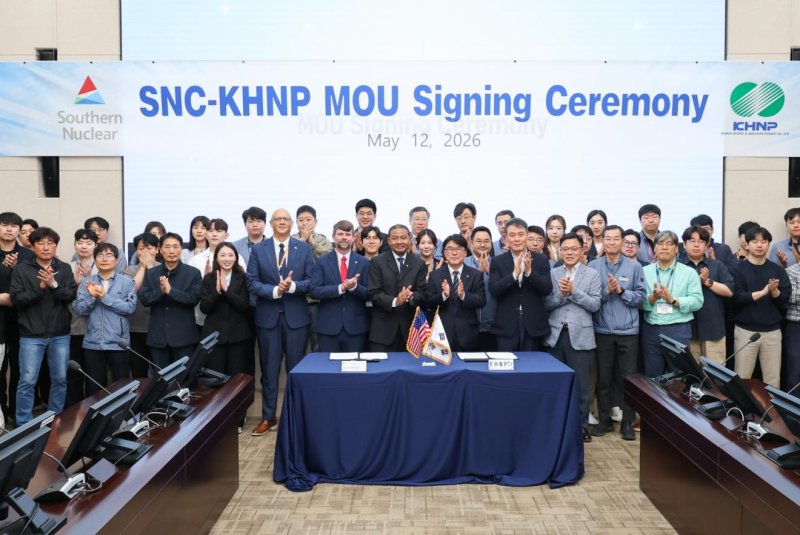
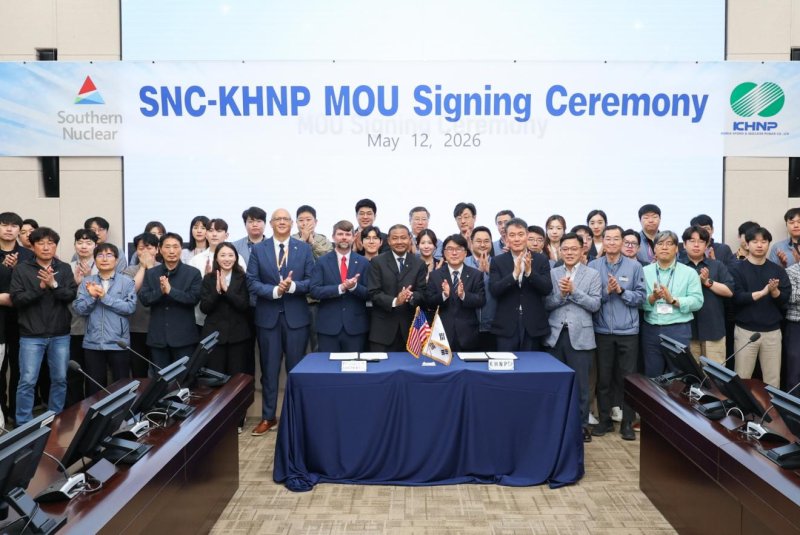
한국수력원자력(KHNP)과 서던 뉴클리어(Southern Nuclear) 직원들이 양사 MOU 체결 후 기념 촬영. (사진: KHNP)
요약
카테고리: 원자력 정책
한국수력원자력(KHNP)과 서던 뉴클리어(Southern Nuclear)가 기술 교류 확대를 위한 양해각서(MOU)를 체결했다.
뉴스케일 파워(NuScale Power)가 한국 정부와 미국 원자력 분야 투자 관련 협의를 진행 중이라고 밝혔다.
한국의 대미(對美) 3,500억 달러 투자 공약 중 2,000억 달러가 원자력, AI, 반도체 등 분야에 배정될 예정이다.
---
이번 주, 미국과 한국은 두 가지 주목할 만한 발표를 통해 양국 원자력 협력 강화를 향한 두 걸음을 내디뎠다. 첫째, 대부분의 지분이 국가 소유인 한국수력원자력(Korea Hydro & Nuclear Power, KHNP)이 앨라배마주 버밍엄에 본사를 둔 서던 뉴클리어(Southern Nuclear)와 양해각서(MOU)를 체결했다.
둘째, 오리건주 코밸리스에 본사를 둔 뉴스케일 파워(NuScale Power)는 1분기 실적 발표 컨퍼런스콜에서 현재 미국 원자력 분야에 대한 잠재적 투자와 관련해 한국 정부와 협의 중이라고 발표했다.
서던 뉴클리어 관련 동향: 지난 4월 12일, 경주에 위치한 한국수력원자력 본사에서 서던 뉴클리어와 KHNP는 기술 교류 프로그램 확대, 모범 사례 공유, 일련의 워크숍 참여를 위한 MOU를 체결했다. 이러한 이니셔티브들은 전반적으로 발전소 운영, 유지보수, 신뢰성, 엔지니어링 등의 분야 강화를 목표로 한다.
이번 MOU와 관련하여 KHNP 엔지니어링 부문장 김영승(Young-seung Kim)은 "이번 협약은 우리 엔지니어들이 글로벌 시각을 넓히는 데 도움이 될 것으로 기대하며, 우리 엔지니어링 시스템이 한 단계 더 발전할 수 있는 기회를 제공할 것"이라고 말했다.
뉴스케일 관련 동향: 뉴스케일의 동향은 한국이 미국에 약속한 3,500억 달러 규모의 투자 공약과 직접 연결된다. 이 공약은 지난해 진행 중이던 관세 협상 과정에서 처음 이루어졌으며, 올해 3월 한국 국회의 승인을 받았다. 현재 양국 고위 정부 관계자들 간에 해당 공약의 세부 사항에 대한 논의가 활발히 진행되고 있다.
뉴스케일은 1분기 실적 발표 컨퍼런스콜에서 이 공약을 직접 언급했다. 뉴스케일 최고경영자(CEO) 존 홉킨스(John Hopkins)는 해당 공약 중 2,000억 달러가 "원자력, AI, 반도체 등의 분야에 배정"되어 있으며 "양국 간 경제적 유대를 강화하고 관세를 낮추는 것을 목표로 한다"고 밝혔다.
컨퍼런스콜 후반부에 홉킨스는 "지난주에 한국 정부 관계자들과 회동했으며", 전체 투자액 중 "상당한 부분"이 "미국 내 소형모듈원자로(SMR)를 포함한 에너지 프로젝트"에 할당될 것임을 재확인받았다고 덧붙였다.
뉴스케일 최고운영책임자(COO) 칼 피셔(Carl Fischer)는 역사적으로 뉴스케일이 한국과 일본 모두와 투자자 및 공급망 파트너로서 강력한 관계를 유지해왔다고 밝혔으며, 특히 아이에이치아이 코퍼레이션(IHI Corporation)과 두산에너빌리티(Doosan Enerbility)를 뉴스케일이 오랜 파트너십을 유지하고 있는 두 기업으로 구체적으로 언급했다.
서던 뉴클리어의 새로운 동향과 마찬가지로, 뉴스케일도 한국과의 파트너십이 어떻게 전개될지, 또는 최종 자금 조달 결정이 언제 이루어질지에 대한 구체적인 일정은 밝히지 않았다.
---
AI 분석
이번 발표는 미국과 한국 간 원자력 협력이 단순한 기술 교류를 넘어 대규모 투자와 경제 안보 차원으로 격상되고 있음을 보여준다. 한국의 3,500억 달러 대미 투자 공약은 관세 협상이라는 현실적 배경 속에서 나온 것으로, 원자력 에너지가 양국 경제 외교의 핵심 축으로 부상하고 있음을 시사한다. 특히 SMR 분야에서의 협력은 뉴스케일과 같은 미국 기업들에게 중요한 성장 기회를 제공할 수 있으며, 두산에너빌리티와 IHI 코퍼레이션 같은 아시아 공급망 파트너들과의 연계도 주목할 만하다. KHNP와 서던 뉴클리어의 MOU는 운영 역량 강화에 초점을 맞추고 있어, 양국의 협력이 자본 투자와 기술 역량 모두를 아우르는 포괄적 파트너십으로 발전하고 있음을 알 수 있다. 다만 구체적인 투자 규모나 일정이 아직 확정되지 않은 만큼, 향후 협상 진행 상황에 대한 지속적인 모니터링이 필요하다.
2026년 5월 13일, 오전 11시 55분 Radwaste Solutions Matt Bowen, Hamna Khan, Rama T. Ponangi
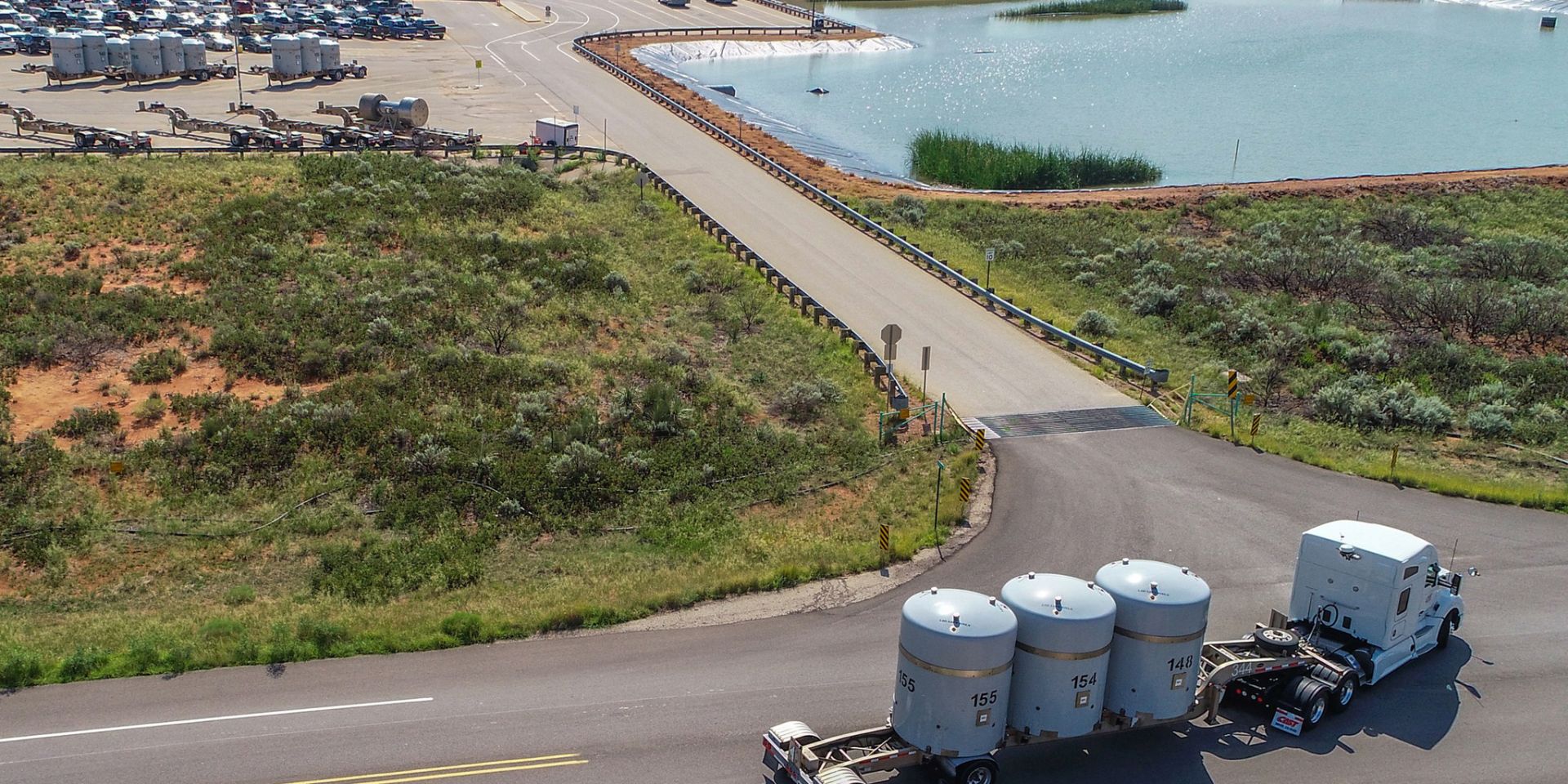
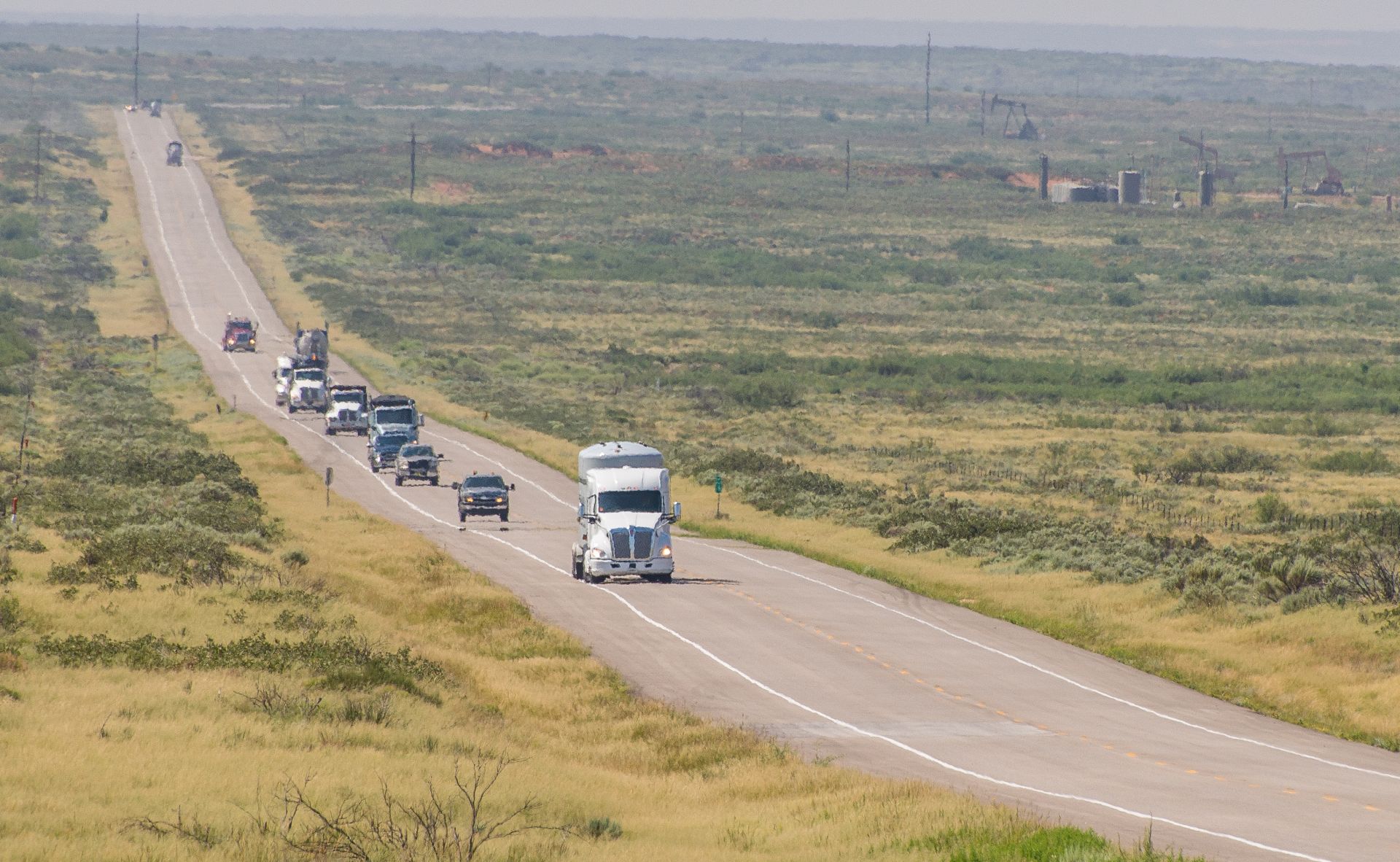
TRUPACT 운송 용기를 실은 트럭이 뉴멕시코의 WIPP 부지로 들어서고 있다. (사진: WIPP)
연방정부가 향후 핵 폐기물을 위한 새로운 심층 지질 저장소 부지 선정에 동의 기반 접근법을 채택하는 과정에서, 그러한 시설의 유치를 고려하는 지역 사회 및 주(州)들은 분명 많은 질문을 갖게 될 것이다. 현재 뉴멕시코에 위치한 폐기물 격리 시험 시설(Waste Isolation Pilot Plant, WIPP)은 운영 중인 유일한 심층 지질 저장소 사례로, 주(州) 및 지방 관계자들이 직접 방문하여 유사 시설을 유치했을 때의 위험과 이점을 판단할 수 있는 기회를 제공한다. 그러나 WIPP의 역사는 이들 관계자들에게 중요한 교훈을 줄 수 있다. 특히 WIPP 개장으로 이어진 정치적 과정, 발생원 시설에서 부지까지의 폐기물 운송 및 WIPP 운영 안전성, 그리고 이 사업이 칼즈배드(Carlsbad) 지역 및 뉴멕시코 주 전역에 미친 경제적 영향 등이 그 교훈에 해당한다.
이 논평은 이러한 역사를 살펴보며 다음과 같은 점을 확인한다. 첫째, WIPP의 개발 과정은 길고 때로는 논쟁적이었으나, 주(州)와 연방 정부는 주의 이익을 충족시키기 위한 다양한 조치를 협상했으며, 칼즈배드의 지방 정치 지도부는 주(州)가 완전한 반대 입장에 이른 적 없이 개발 과정 내내 사업을 지지했다. 둘째, WIPP 원자력 폐기물 운송은 안전하게 이루어져 왔으며, 시설은 2014년 두 차례의 사고로 오점이 생기기는 했지만 전반적으로 견실한 운영 실적을 유지해 왔다. 셋째, WIPP로 인해 해당 부지에서 달리 채굴할 수 있었던 탄화수소 및 광물의 가치를 주(州)와 지역이 포기해야 했지만, 이 저장소 사업은 상당한 일자리를 창출했으며, 개장 전에 우려되었던 관광과 부동산 가치에는 부정적인 영향을 미치지 않은 것으로 보인다.
그러나 이용 가능한 데이터가 한정되어 있어, 이 논평은 연방 정부가 주(州) 및 지방 정책 입안자들의 고려를 더욱 뒷받침하기 위해 WIPP의 실적에 관한 더 많은 정보를 제공할 기회가 있음을 확인하며, 아울러 모든 이해관계자들이 새로운 저장소의 실현을 향한 경로를 원활히 하기 위해 더 잘 협력할 수 있는 방안을 제시한다.
안전 실적
심층 지질 저장소 유치와 관련하여 주(州) 및 지방 관계자들이 가장 먼저 제기할 질문은 아마도 그러한 시설이 안전한지에 관한 것일 것이다. 이 섹션에서는 먼저 안전과 관련된 규제 책임을 설명한다. 그런 다음 WIPP 운송 프로그램의 안전 실적과 25년에 걸친 WIPP 부지에서의 운영 안전 실적을 검토한다.
WIPP 안전의 세 번째 측면은 폐쇄 후, 즉 운영이 종료되고 저장소가 봉인된 이후에 관한 것이다. 이는 시설이 1992년 WIPP 토지 수용법(WIPP Land Withdrawal Act)에 명시된 수용 한도에 근접하지 않아 당분간은 실현되지 않을 것으로 보인다. WIPP 운송 및 운영 기록에서 할 수 있는 것과 달리, 이 측면은 현 시점에서 소급하여 분석할 수 없다. WIPP 폐쇄 후의 관련 안전 문제를 이해하려면, 미국 국립과학원(National Academy of Sciences)과 미국 환경보호청(U.S. Environmental Protection Agency)의 간행물을 참고하기 바란다. EPA는 폐쇄 후 공중 보건 보호 기준에 대한 WIPP의 준수 여부를 계속해서 정기적으로 인증하고 있다. 앞서 언급했듯이, 1996년 국립과학원 보고서는 WIPP가 효과적으로 봉인되고 인간 활동에 의해 훼손되지 않는다면 10,000년 이상 초우라늄(TRU) 폐기물을 격리할 수 있다고 결론 내렸다. 이 지역의 층상 암염(bedded salt)의 지질학적 안정성과 격리 능력이 이러한 결론을 이끈 주요 요인이었다. 수천 년 후 인간이 침입할 가능성은 물론 알 수 없으며, WIPP 반대론자들이 시설 운영 개시 이후에도 계속해서 제기한 우려 사항 중 하나이다(구체적으로는, 최근 몇 년간 수압 파쇄(hydraulic fracturing)의 도입으로 부지 인근에서 이루어지고 있는 것과 같이, WIPP 구역 내 탄화수소 및 광물의 미래 시추 및 채굴로 인한 방사성 물질 이동 가능성에 대한 우려이다).
그러나 현재의 운송 및 운영 사안에 관해서는 규제 당국이 명확한 책임을 지고 있으며, 검토할 수 있는 안전 실적이 존재한다.
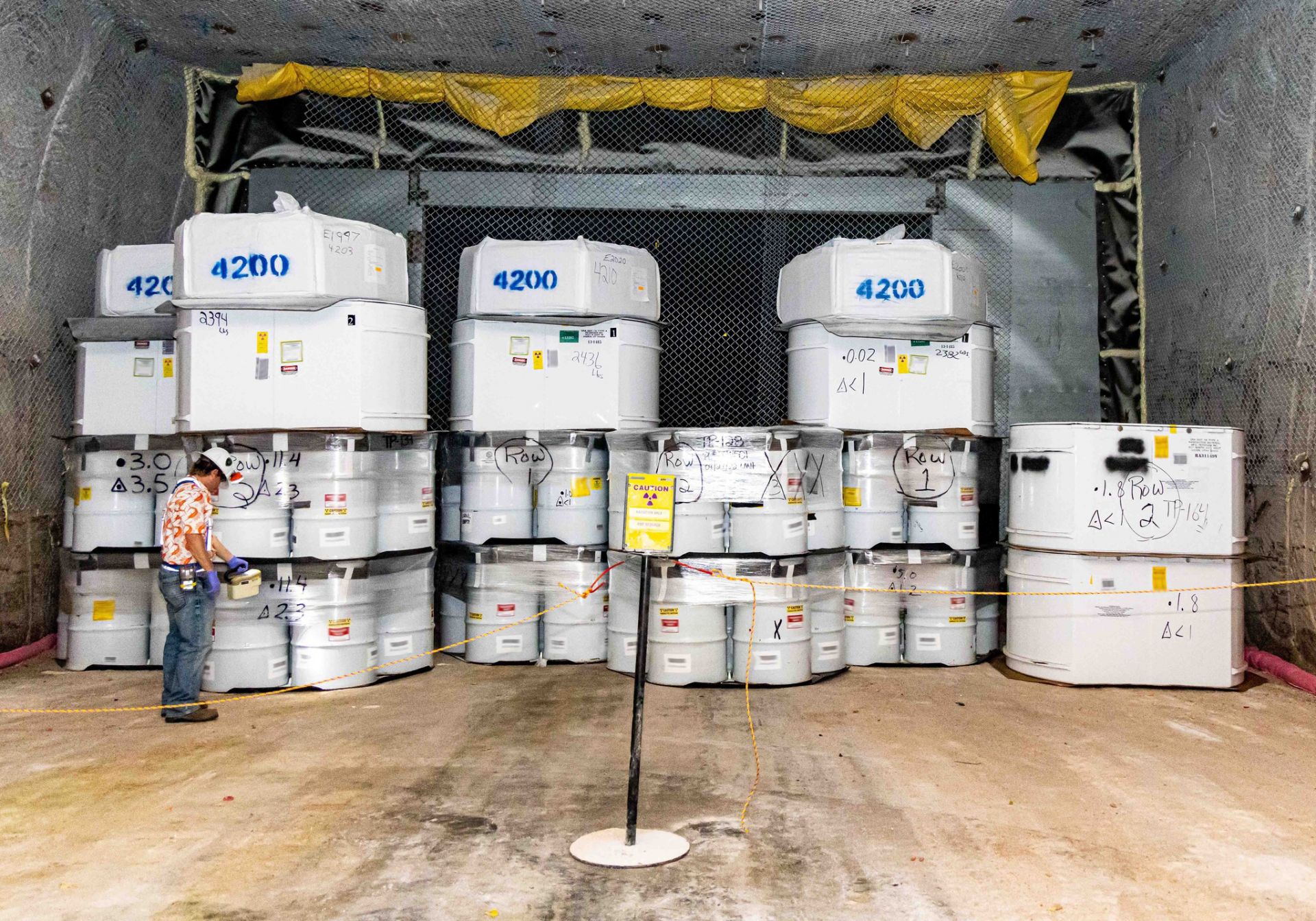
방사선 관리 기술자가 WIPP에 도착한 폐기물 용기의 방사선 수치를 확인하고 있다.
규제 책임
WIPP 프로그램에는 여러 규제 기관이 관여한다. 그 중 두 기관이 운송 프로그램과 관련되어 있다:
교통부(Department of Transportation)는 폐기물 포장 요건과 추적 및 통신을 통한 폐기물 운송 감시를 포함하여 WIPP 운송 프로그램에 대한 규제 권한을 가지고 있다.
원자력규제위원회(Nuclear Regulatory Commission)는 WIPP 프로그램에 사용되는 운송 용기의 인증에 대한 규제 권한을 가지고 있다.
부지 운영(및 폐쇄 후 단계)과 관련하여 두 개의 다른 규제 기관이 관여하고 있다:
환경보호청(EPA)은 기관의 방사선 보호 프로그램에 의해 인증되는 WIPP 폐기물의 방사선학적 측면을 규제한다. 앞서 언급한 바와 같이, EPA는 일반적인 방사성 폐기물 처분 기준과 WIPP별 인증 기준을 발표하였다.
뉴멕시코주는 뉴멕시코 유해 폐기물법 및 자원 보전 및 복구법에 따라 WIPP에서의 혼합 폐기물 처분을 규제한다.
WIPP 부지의 공식 규제 기관은 아니지만, 에너지부와 노동부 산하 광산안전보건청(MSHA, Mine Safety and Health Administration)은 WIPP에서의 보건 및 안전 점검을 위한 양해각서(MOU)를 체결하고 있다. MOU에는 여러 조항이 포함되어 있는데, 그 중에는 MSHA가 연간 4회 이상 WIPP 시설에 대한 불시 보건 및 안전 점검을 실시하고, 안전 또는 보건 결함이 발견될 경우 적발 통지가 발부된다는 내용이 있다. 모든 점검 결과는 MSHA 웹사이트에 공개된다.
MSHA는 미국 내 모든 광산에 대한 점검을 실시한다. 참고로, 동 기관은 2023년 WIPP에 대한 8건의 점검을 시작하여 위반 기준에 대해 59건의 적발 통지를 발부하였으며, 같은 해 뉴멕시코주 에디 카운티(Eddy County, N.M.)의 3개 가동 중인 지하 칼리(potash) 광산에 대해 총 26건의 점검을 시작하여 총 310건의 적발 통지를 발부하였다(3개 칼리 광산은 WIPP보다 규모가 큰 광산이다 [1]).
마지막으로, 방위 원자력 시설 안전위원회(DNFSB, Defense Nuclear Facilities Safety Board)는 DOE 방위 원자력 시설에서의 공중 보건 및 안전 문제에 관해 대통령과 에너지부 장관에게 권고 및 조언을 제공하도록 설립된 독립 기관이다. 동 위원회는 2015년부터 WIPP에 관한 월별 보고서를 발간해왔다.
운송
TRU 원자력 폐기물 패키지는 전국의 국방 임무를 수행하는 DOE 부지에서 트럭으로 WIPP 시설로 운반되며, 이를 통해 22개의 기존 TRU 폐기물 부지의 정화가 가능하였다.
WIPP 운송 프로그램은 운전자 경험 및 운송 계획, 통신 및 감시(운전자 요건, 51페이지 참조), 운송을 위한 폐기물 포장(NRC 요건, 51페이지 참조)에 관한 엄격한 요건에 따라 운영된다. 2024년 2월 26일 기준, 1999년 운영 개시 이후 WIPP 운송 프로그램과 관련된 21건의 사고/사건이 발생하였다 [2]. 사고/사건의 내용은 다음과 같이 요약된다:
7건은 폐기물 패키지가 비어 있는, 즉 TRU 폐기물이 포함되지 않은 상태의 운송 관련 사고였다.
14건은 도로상의 WIPP 비소속 운전자에 의해 발생하였다.
7건은 WIPP 소속 운전자에 의해 발생하였으며, 이 중 3건은 운전자 건강 문제(예: 의식 상실, 지속적인 기침으로 인한 차량 통제력 상실)로 인한 것이었고, 1건은 운전자가 다른 일반 차량 사고로 인한 도로 파편을 피하려다 발생한 것이었다.
이러한 사고/사건 중 WIPP 패키지가 손상된 경우는 없었으며, 전체적으로 7명의 부상자가 발생하였고 사망자는 없었다.
유해 물질 운송
EPA의 정의에 따르면, 유해 폐기물은 "인체 건강이나 환경에 위험하거나 해로운 영향을 미칠 수 있는 특성을 가진 것"이다. EPA는 유해 폐기물이 산업 제조 공정 폐기물 및 배터리 등 다양한 출처에서 발생하며, 액체, 고체, 기체, 슬러지의 형태를 띨 수 있다고 언급한다.
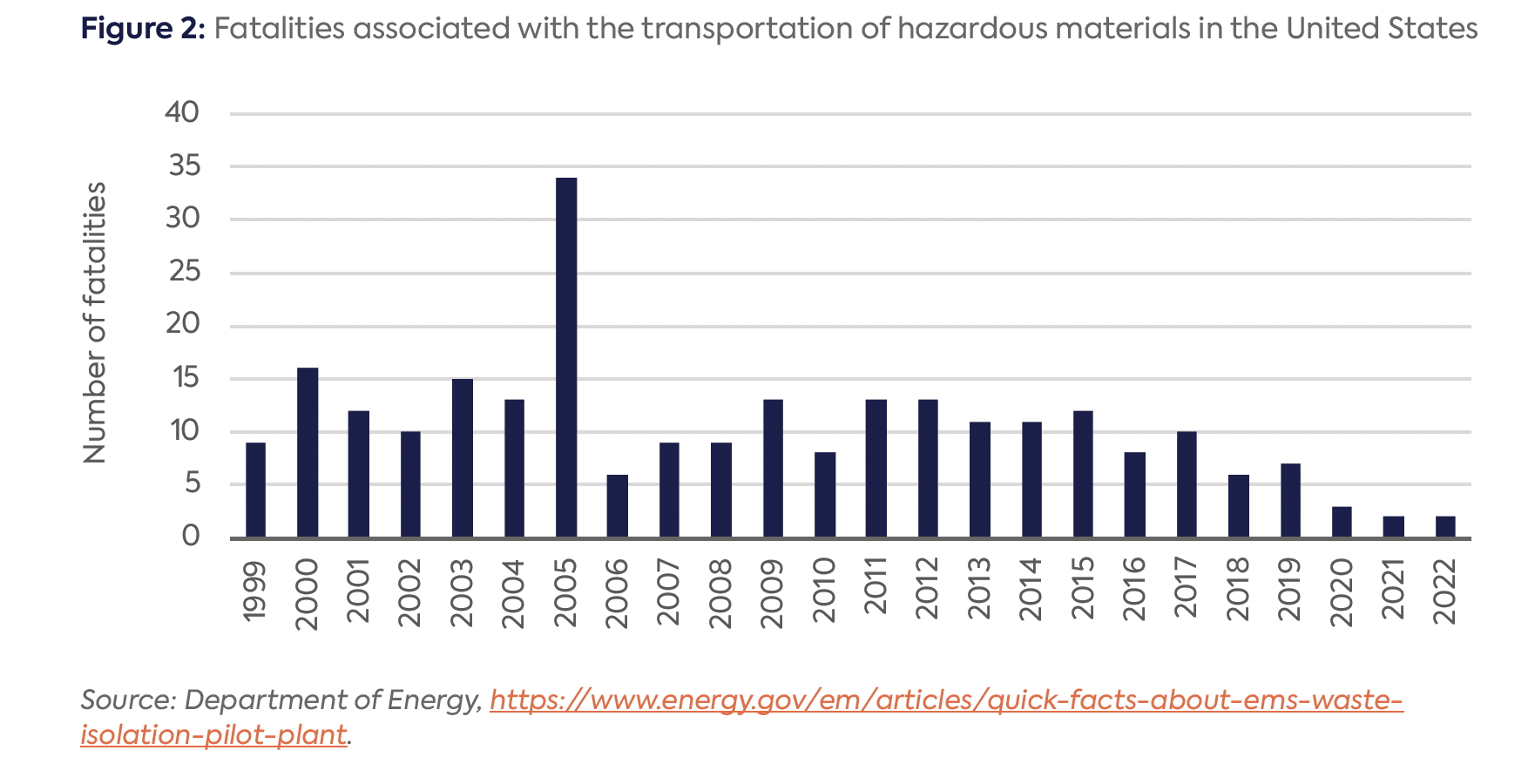
그림 1: 미국 내 유해 물질 운송과 관련된 사망자 수. 출처: 미국 교통부, [].
미국 교통부(U.S. DOT)에 따르면, 미국에서는 매일 120만 건의 유해 물질 운송이 이루어지며, 매년 16억 톤이 운송된다. 유해 물질은 도로, 철도, 항공, 수로를 통해 운송된다. 이러한 활동에는 위험이 수반된다. WIPP 운영 첫 23년에 해당하는 1999년부터 2022년까지 유해 물질 운송과 관련된 사망자 수는 약 250명으로 추산된다(그림 1 참조). 유해 물질이 용기 밖으로 누출되면 폭발이나 독성 가스 흡입 등 다양한 방식으로 사람을 부상시키거나 사망에 이르게 할 수 있다.
WIPP가 2024년 3월 27일에 25주년을 맞이했을 때, WIPP로의 TRU 폐기물 운송은 총 1,600만 마일 이상을 이동하여 285,000개의 폐기물 컨테이너를 처분하는 결과를 이끌어냈습니다 [3]. WIPP 운송은 위험 폐기물과 비교했을 때 운행 거리와 수량 면에서 상당히 적었지만, WIPP 운송 프로그램 전 기간 동안 방사성 물질의 누출로 이어진 사고가 단 한 건도 없었으며, 어떤 인명 피해를 초래한 누출 사고도 없었다는 점은 주목할 만합니다. 1989년 미국 국립과학원의 예측에서는 WIPP의 운송 프로그램이 엄격한 규정과 요건으로 인해 "오늘날 미국에서 다른 어떤 위험 물질에 사용되는 것보다 더 안전하며 위험을 매우 낮은 수준으로 줄일 것"이라고 전망했습니다 [4].
현장 운영
트럭이 초우라늄 폐기물 운송물을 WIPP로 운반하고 있다.
TRU 폐기물 패키지가 WIPP 시설에 도착하면 하역, 검사, 보관 과정을 거친 후 최종적으로 매립을 위해 광산으로 이동됩니다. 이 모든 작업은 WIPP 시설 직원들에게 어느 정도의 위험을 수반하며, 골절 같은 부상을 초래하는 낙상이나 중량물 낙하 등 다른 산업 현장에서도 발생하는 유형의 사고들이 있었습니다.
2002년 미국 에너지부(DOE)의 보고서는 WIPP 현장이 부상률 및 환경 사고와 같은 지표로 측정했을 때 DOE 복합 시설 내에서 가장 우수한 안전 기록 중 하나를 보유하고 있다고 결론지었습니다. 2011년까지 WIPP는 낮은 부상률과 무사망 기록을 바탕으로 뉴멕시코 광산 안전국과 뉴멕시코 광업 협회로부터 25년 중 23년 동안 뉴멕시코 주 최고 광산 안전상을 수상했습니다. 뉴멕시코 광산 안전국의 부(副) 주(州) 광산 감독관인 크리스 헤프너(Chris Hefner)는 당시 "WIPP의 안전 문화는 타의 추종을 불허한다"고 말하며, 다른 광산들과 모범 사례를 공유하기 위해 적극적으로 노력하는 시설을 칭찬했습니다.
두 건의 사고
좋은 초기 기록에도 불구하고, 2014년 2월 10일 간격으로 두 건의 별개 사고가 발생하여 WIPP에 대한 안전 우려를 불러일으켰습니다. 이 사고들로 인해 약 3년간 처분 작업이 중단되었습니다.
첫 번째 사고는 2월 5일 주 엘리베이터 수갱 근처 저장소에서 채굴된 소금을 운반하는 데 사용되는 트럭의 엔진실에서 화재가 발생하면서 일어났습니다. 트럭 운전자가 화염을 발견하고 화재 진화에 실패한 후, 작업자들에게 대피 지시가 내려졌습니다. 당시 지하에는 86명의 작업자가 있었으며, 모두 성공적으로 대피했습니다. 6명의 작업자가 연기 흡입으로 인해 외부 시설로 이송되어 치료를 받았으며, 다른 7명의 작업자는 현장에서 치료를 받았습니다. 광산 구조대가 저녁에 트럭에 도착했을 때 화재는 없었지만, 앞 타이어에서 발견된 잔불에 소화기를 사용했습니다.
이후 DOE 사고 조사 보고서는 이 사고의 직접적인 원인을 트럭의 "인화성 유체(유압유 또는 디젤 연료)와 고온 표면(가장 가능성이 높은 촉매 변환기) 사이의 접촉"으로 규명하였으며, 이로 인해 엔진실과 앞 타이어 두 개 모두를 태운 화재가 발생한 것으로 밝혔습니다.
2월 5일 화재와 달리, 두 번째 사고는 일반적인 광산에서는 발생할 수 없는 성격의 것이었습니다. 2월 14일, WIPP에 매립되어 있던 TRU 폐기물이 담긴 드럼이 자연 파열되어 방사성 물질을 저장소 내부로 방출했습니다. 이 누출은 저장소의 공기 모니터에 의해 감지되었습니다. 누출 당시 저장소에는 작업자가 없었습니다.
DOE 사고 조사 위원회는 이 사고의 직접적인 원인을 로스앨러모스 국립연구소(Los Alamos National Laboratory)에서 온 폐기물 드럼 내의 비양립성 물질들의 반응으로 인한 열 발생으로 규명했으며, 이로 인해 드럼이 과압되어 파손되고 드럼 내용물이 WIPP 지하로 방출된 것으로 밝혔습니다 [5]. 위원회는 누출의 근본 원인으로 로스앨러모스 국가 안보(Los Alamos National Security, DOE와의 계약 하에 LANL을 관리·운영)가 위험 폐기물 시설 허가를 이해하고 효과적으로 이행하는 데 실패한 것과, LANL이 충분한 재포장 및 처리 절차를 적절히 개발·이행했는지 확인하지 못한 광범위한 실패를 지적했습니다. 위원회는 또한 방사성 물질 누출에 기여한 12가지 원인을 규명했으며, 여기에는 LANL에서 강력한 원자력 안전 문화를 확보하지 못한 여러 조직의 실패와 DOE 본부가 적절하거나 효과적인 관리 감독을 수행하지 못한 실패가 포함됩니다. 분석 결과는 재발 가능성이나 심각성을 방지하거나 최소화하는 데 필요한 관리 통제 및 안전 조치에 관한 결론과 "필요성 판단"으로 이어졌습니다.
EPA는 WIPP 부지에서의 방사선 방출이 공중 보건에 대한 우려를 제기하지 않는다고 결론지었다 [6]. 뉴멕시코 주립대학교(New Mexico State University)의 칼즈배드 환경 모니터링 및 연구 센터(Carlsbad Environmental Monitoring and Research Center)도 지역 근로자나 일반 대중 사이에서 방사선 관련 부정적인 건강 영향은 예상되지 않는다고 결론지었다 [7]. 2014년 9월 DOE의 복구 계획 보고서는 현장에 있던 22명의 근로자에 대한 관련 피폭 수준이 50년에 걸쳐 10밀리렘 미만으로 추정되었으며—이는 흉부 엑스레이 한 번에 해당하는 피폭량—장기적인 부정적 건강 영향은 예상되지 않는다고 밝혔다 [8]. WIPP는 DOE가 공청회를 개최하고 이러한 사고의 재발 방지 및 지역 사회의 신뢰 회복을 위한 추가 조치를 마련하는 동안 3년간 처분 운영을 중단하였다.
WIPP는 2017년 제한된 운영으로 재개장하였다. 주 당국은 뉴멕시코 위험 폐기물법(New Mexico Hazardous Waste Act), 위험 폐기물 관리 규정, 및 WIPP 허가증 위반을 주장하였다 [9]. DOE는 결국 2014년 사건들과 관련하여 해당 기관 및 계약업체에 대한 주의 청구를 해결하기 위해 뉴멕시코 주에 7,400만 달러를 지불하였다 [10]. 합의에는 또한 DOE가 WIPP의 운영 안전성을 개선하기 위한 시정 조치를 이행하도록 하는 내용이 포함되었다. 사고로부터의 복구는 WIPP 프로젝트에 막대한 비용(수억 달러)을 추가하였다.
결론
원자력 폐기물 관리 시설 유치를 고려하는 주와 지역 사회에 있어, WIPP의 경험은 검토할 가치가 있다. 새로운 고준위 폐기물(HLW) 처분장 추진은 WIPP가 직면했던 것과 동일한 많은 공중 수용성 과제에 직면하게 될 것이다: 지역 주민들의 안전 우려, 그리고 어쩌면 해당 사업으로부터 직접적인 경제적 혜택을 받을 가능성이 낮은 주의 다른 지역 주민들의 우려는 더욱 클 수 있다. 그러나 두 번째 심층 지질 처분장은 미국에서 더 이상 "최초" 프로젝트가 아닐 것이며, WIPP 경험을 통해 얻은 지식이 일부 우려를 완화시킬 수 있을 것이다. 오늘날 주 및 지역 관리들은 운영 중인 심층 지질 처분장을 직접 방문하여 위험과 혜택을 스스로 판단할 수 있다—이는 WIPP가 개발 중이었을 때는 불가능했던 일이다. ν
_맷 보웬(Matt Bowen)은 컬럼비아 대학교 SIPA(Columbia University SIPA) 글로벌 에너지 정책 센터(Center on Global Energy Policy)의 선임 연구 학자로, 원자력 에너지, 폐기물 및 비확산을 전문으로 한다; 함나 칸(Hamna Khan)은 미국 에너지부(U.S. Department of Energy) 아시아 업무실(Office of Asian Affairs)에서 ORISE 펠로우로 근무한다; 라마 T. 포난기(Rama T. Ponangi)는 컬럼비아 대학교 SIPA 글로벌 에너지 정책 센터의 연구 부연구원이다._
감사의 말
_저자들은 케빈 크라울리(Kevin Crowley)와 로스 커크스(Ross Kirkes)의 귀중한 논의와 피드백에 감사를 표한다._
참고문헌
1. 광산 데이터 검색 시스템(Mine Data Retrieval System)의 데이터. 칼리(potash) 광산 ID는 2900170, 2900175, 2900802이다. 2. 2024년 2월 26일 이메일로 DOE 칼즈배드 현장 사무소(DOE Carlsbad Field Office)가 제공한 데이터. 3. DOE, "WIPP, 최초 폐기물 반입 25주년 기념," https://www.wipp.energy.gov/wipp_news_20240327.asp. 4. 국가연구위원회(National Research Council), "WIPP 패널 서한 보고서: DOE 문서 DOE/WIPP 89-011 검토 의견: 폐기물 격리 시험 플랜트 시험 단계 계획 초안: 성능 평가 및 운영 시연," (1989). 5. DOE, "사고 조사 보고서 2단계: 2014년 2월 14일 폐기물 격리 시험 플랜트에서의 방사선 방출 사건," ES-6~ES-8, (2015년 4월). 6. EPA, "WIPP에서의 2014년 방사선 사건," https://www.epa.gov/radiation/2014-radiological-event-wipp. 7. 칼즈배드 환경 모니터링 및 연구 센터(Carlsbad Environmental Monitoring and Research Center), "2014년 2월 14일 폐기물 격리 시험 플랜트(WIPP) 지하 방사선 방출 사건에 대한 독립적 평가," (2014년 12월). 8. DOE, "폐기물 격리 시험 플랜트 복구 계획(Waste Isolation Pilot Plant Recovery Plan)," 개정판 0, 8쪽 (2014년 9월 30일). 9. 뉴멕시코 환경부(New Mexico Environment Department), 합의 계약 및 약정 최종 명령, (2016). 10. DOE, "미국 에너지부와 뉴멕시코 주, 2014년 원자력 폐기물 사건 관련 7,400만 달러 합의 최종 타결," (2016년 1월).
이 기사는 미국 뉴멕시코주에 위치한 폐기물격리시험시설(WIPP)의 방사성 폐기물 운반 안전성과 운영 실적을 심층 분석하며, 향후 새로운 심층 지질 처분장 건설을 고려하는 지방 및 주 정부 관계자들에게 중요한 교훈을 제시하고 있다. WIPP는 25년간의 운영 기간 동안 2014년 발생한 두 건의 사고를 제외하고는 전반적으로 안전한 운영 기록을 유지해 왔으며, 핵폐기물 운반 프로그램도 안전하게 수행되어 왔다는 점이 특히 주목할 만하다. 또한 WIPP 개발 과정에서 연방정부와 주정부 간의 협상을 통해 다양한 이해 조정 방안이 마련되었고, 칼스배드 지역사회에 상당한 일자리 창출 효과를 가져왔으며 관광과 부동산 가치에 부정적 영향을 미치지 않은 것으로 분석된다. 이 연구는 동의 기반 처분장 부지 선정 정책을 추진하는 과정에서 투명한 정보 제공과 이해관계자 참여의 중요성을 강조하며, 핵폐기물 관리에 관한 사회적 수용성 확보를 위한 실질적 사례 연구로서 중요한 의미를 가진다.
※ 이 글은 해외 원자력 바로알기를 위한 정보 전달을 목적으로 제공됩니다. 특정 기업이나 종목에 대한 투자 권유가 아니며, 모든 투자 판단과 그에 따른 책임은 투자자 본인에게 있습니다.
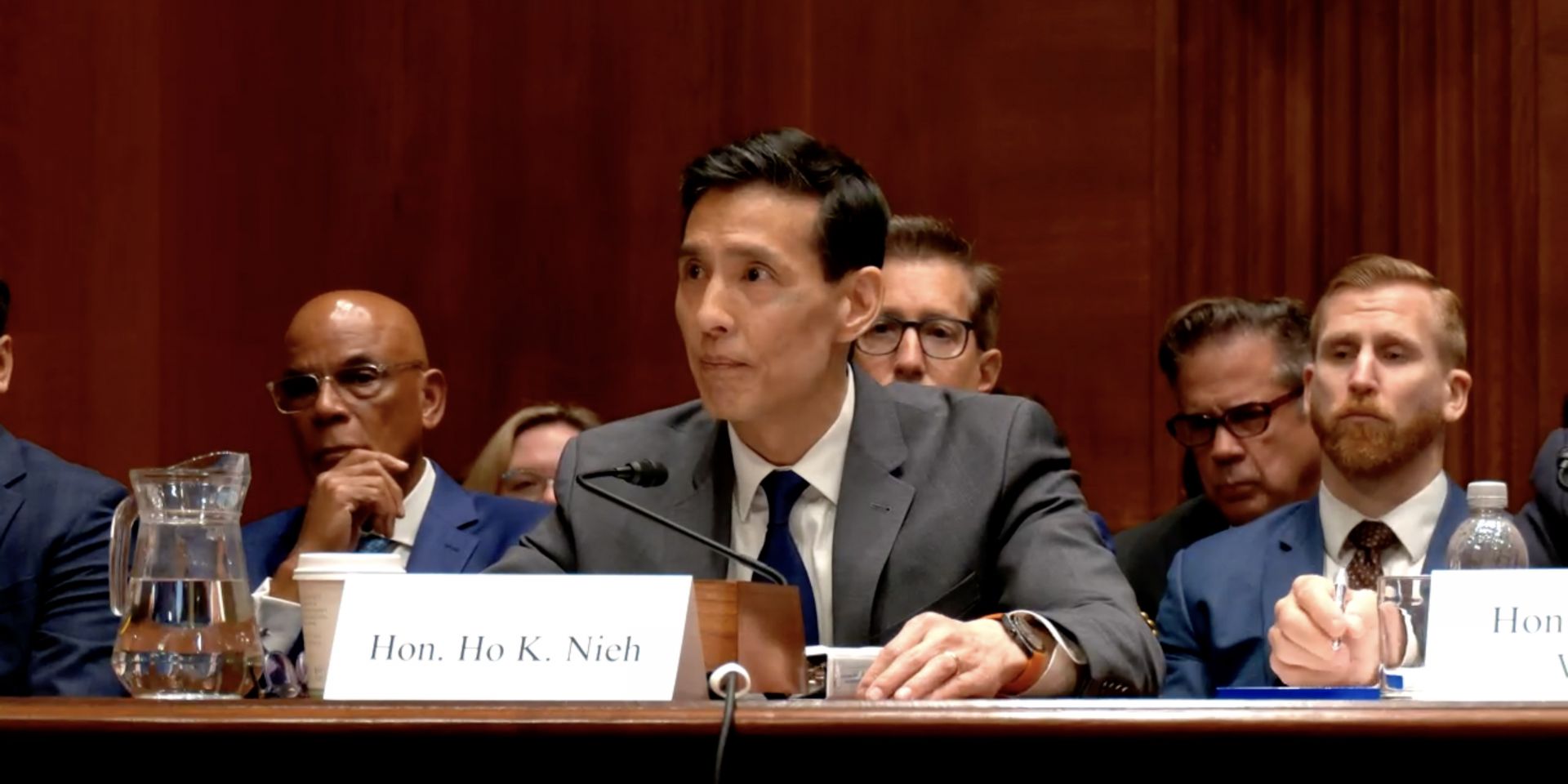
원자력규제위원회(NRC) 5인 위원 전원이 상원 환경·공공사업위원회에 출석해 FY 2027 예산안($8억 9,230만)을 논의하였으며, 인력 감소·채용·유지 문제가 핵심 쟁점으로 부상했다.
지난 16개월 동안 500명 이상의 직원이 이탈한 반면 신규 채용은 59명에 그쳐, 전체 규제 역량 약화에 대한 우려가 제기되었다.
원자력 산업의 재활성화로 민간 부문의 경험 있는 인력 수요가 급증하면서, NRC의 채용·유지 경쟁이 더욱 심화되고 있다.
---
지난달, 원자력규제위원회(NRC) 위원 5인 전원이 미국 하원 에너지·상업위원회 산하 에너지소위원회에 출석해 2027 회계연도(FY 2027) 예산과 기관의 주요 우선순위 및 활동을 보고한 바 있다.
수요일에는 같은 다섯 위원이 FY 2027 예산 요구액 $8억 9,230만을 미국 상원 환경·공공사업위원회에 제출했으며, 이번 청문회에서는 NRC 직원 감소 및 채용·유지 노력에 더욱 무게가 실렸다.
NRC의 예산 요구액은 FY 2026 확정 예산 대비 약 8% 적은 수준이다. 여기에는 정규직 환산 인원(FTE) 2,606명이 포함되어 있으며, 이는 전년 대비 7% 감소한 수치다. 하원 소위원회 청문회에서와 마찬가지로, 일부 상원의원들은 규모가 줄어든 NRC가 현재 및 미래 원자력 시설에 대한 감독·허가·심사에서 높은 기준을 유지할 수 있을지 우려를 표명했다.
에드 마키(Ed Markey) 상원의원(민주, 매사추세츠주)은 "기관 예산을 축소하면서—지난 1년 반 동안 NRC 직원 10명 중 1명이 떠난 것에 더해—원자력 함대와 기관 자체에 대한 감독 역량도 줄어들고 있다"고 말했다.
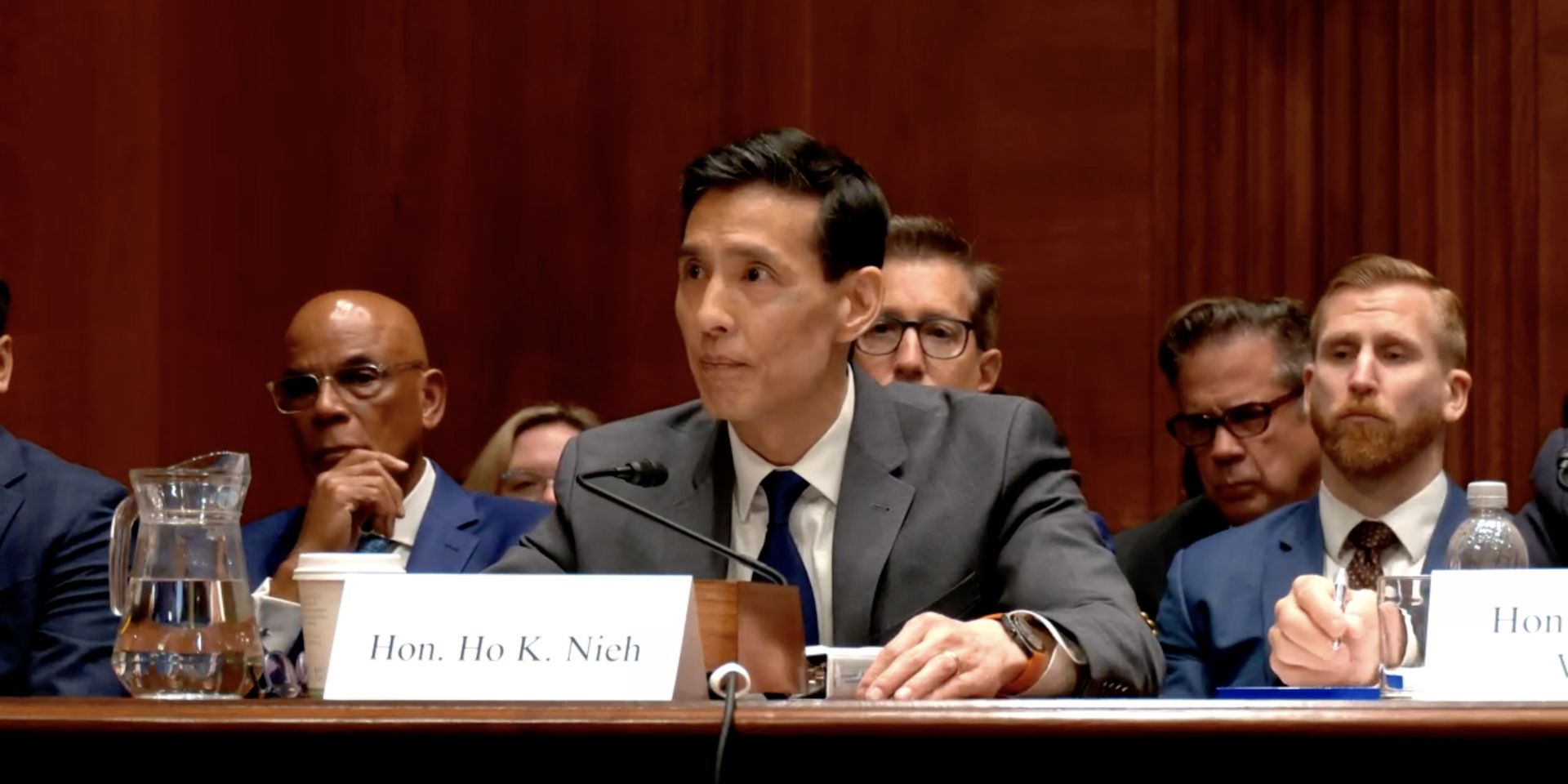
NRC 인력 현황: 호 니에(Ho Nieh) NRC 위원장은 모두발언에서 "이 시기의 성공은 우리 인력에 달려 있습니다. 지난 1년간 평균 이상의 인력 이탈을 경험했지만, 우리는 더 열심히가 아니라 더 스마트하게 일함으로써 임무를 계속 수행하고 있습니다"라고 밝혔다.
위원회 의장 셸리 무어 캐피토(Shelley Moore Capito)(공화, 웨스트버지니아주)는 모두발언에서 "위원회의 작업은 지금까지 고무적이지만, 가장 중요한 작업은 아직 앞에 놓여 있다고 생각합니다. 위원회가 제안한 2027년 예산은 최근의 성과를 반영하고, 우선순위가 높은 진행 중인 업무를 고려하며, 예상 업무량을 예측한 것입니다"라고 말했다.
캐피토 의장은 위원들에게 ADVANCE 법(캐피토 의원이 발의한 법안)의 이행이 FY 2027 인력 요청에 반영되었는지 물었다. 니에 위원장은 ADVANCE 법이 기관의 효율성을 높이려는 취지가 일부 예산 요구 항목에 반영되어 있다고 답했다. 허가 분야에서는 약 $600만 및 30 FTE 절감을 제안하고 있으며, 감독 분야에서는 약 $900만 및 40 FTE 절감이 제안되었다.
니에 위원장은 민간 부문 경험을 통한 시각에서 이러한 결정들을 검토해 왔다고 밝혔다. 잘 운영되는 기업들은 전반적인 성공에 기여하지 않는 업무를 간소화·단순화하거나 제거하는 경향이 있다는 것이다.
니에 위원장은 "수년에 걸쳐 우리가 해온 일 중 임무 성과에 실질적으로 기여하지 않는 것들이 있다는 것을 발견했기 때문에, 우리는 진정으로 더 적은 자원으로 더 적게 하고자 합니다(do less with less)"라고 말했다.
브래들리 크로웰(Bradley Crowell) 위원은 모두발언에서 NRC가 지난 16개월간 500명 이상의 직원을 잃었고 신규 직원은 59명만 충원되었다고 밝혔다. NRC가 이룬 성과에 대한 낙관론을 공유하면서도, 그는 상원의원들에게 자신이 "더 적은 자원으로 더 많이 하려는(do more with less)" 시도로 묘사한 것이 향후 문제가 될 수 있다고 경고했다.
크로웰 위원은 "현재는 일 대 일(one-at-a-time) 방식의 프레임워크에서 운영되고 있기 때문에 이러한 공격적인 목표들을 일부 충족할 수 있습니다. 그러나 다양한 기술에 대한 복수의 신청이 동시에 들어오게 되면, 그것은 훨씬 더 도전적인 상황이 될 것입니다"라고 말했다.
위원들은 NRC가 채용을 진행 중임을 밝혔다. 더글러스 웨이버(Douglas Weaver) 위원은 NRC 웹사이트에 약 15개의 채용 공고가 올라와 있으며, 약 80명을 추가로 채용할 계획이고, 올여름에는 인턴 30명이 합류할 예정이라고 말했다.
그러나 야당 간사 셸던 화이트하우스(Sheldon Whitehouse) 상원의원(민주, 로드아일랜드주)은 NRC의 최근 성과와 변화가 오히려 기관의 채용 및 유지 노력에 악영향을 미칠 수 있다고 지적했다. 원자력 산업이 활성화되면서 민간 부문에서도 많은 인력을 채용하고 있기 때문이다.
화이트하우스 의원은 "경험 많은 인재를 구하기에 NRC보다 좋은 곳이 어디 있겠습니까? 얼마 전까지만 해도 원자력 에너지 산업에서 일자리를 구하기가 매우 어려웠는데, 이제는 그렇지 않기 때문에 실질적인 경쟁이 생겼습니다"라고 말했다.
AI 분석
이번 상원 청문회는 NRC가 예산 및 인력 감소라는 구조적 압박에 직면한 가운데, 원자력 산업의 급격한 부흥이 아이러니하게도 규제 기관의 인력 유출을 가속화하는 이중적 도전을 부각시켰다. 위원장 니에가 "더 적은 자원으로 더 적게(do less with less)"라는 접근을 강조한 반면, 크로웰 위원의 발언은 현재의 단순한 업무 구조가 복수의 신기술 허가 신청이 동시에 몰릴 경우 한계에 봉착할 수 있음을 시사한다. ADVANCE 법을 통한 효율화 노력과 하원·상원 양쪽 청문회에서 반복되는 역량 약화 우려는, NRC가 단순한 예산 조정을 넘어 장기적 인적 자본 전략을 시급히 수립해야 함을 보여준다. 민간 원자력 시장의 활성화가 NRC의 채용 경쟁력을 약화시키는 구조는 향후 규제 병목 현상으로 이어질 수 있어, 정책 입안자들의 선제적 대응이 요구된다. 전반적으로, 이번 청문회는 미국 원자력 에너지 정책의 확장 기조와 규제 기관 역량 사이의 긴장 관계가 중요한 정책 과제로 떠오르고 있음을 잘 드러낸다.
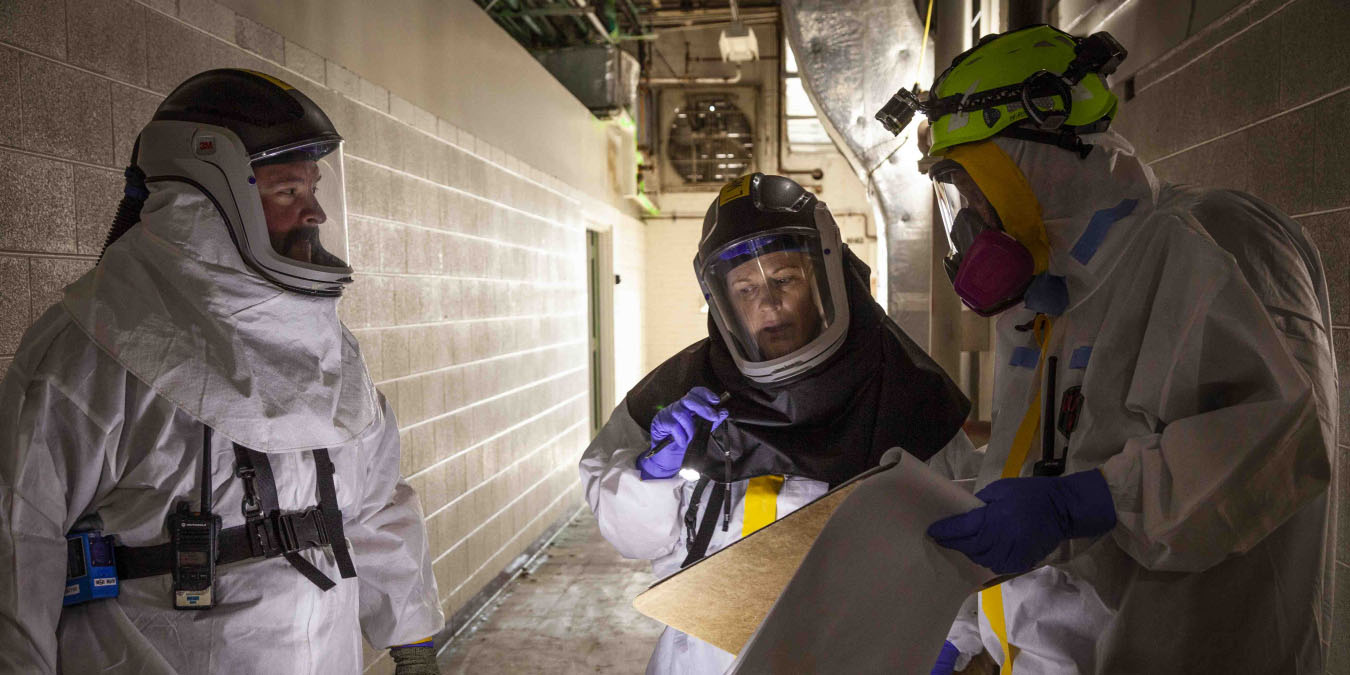
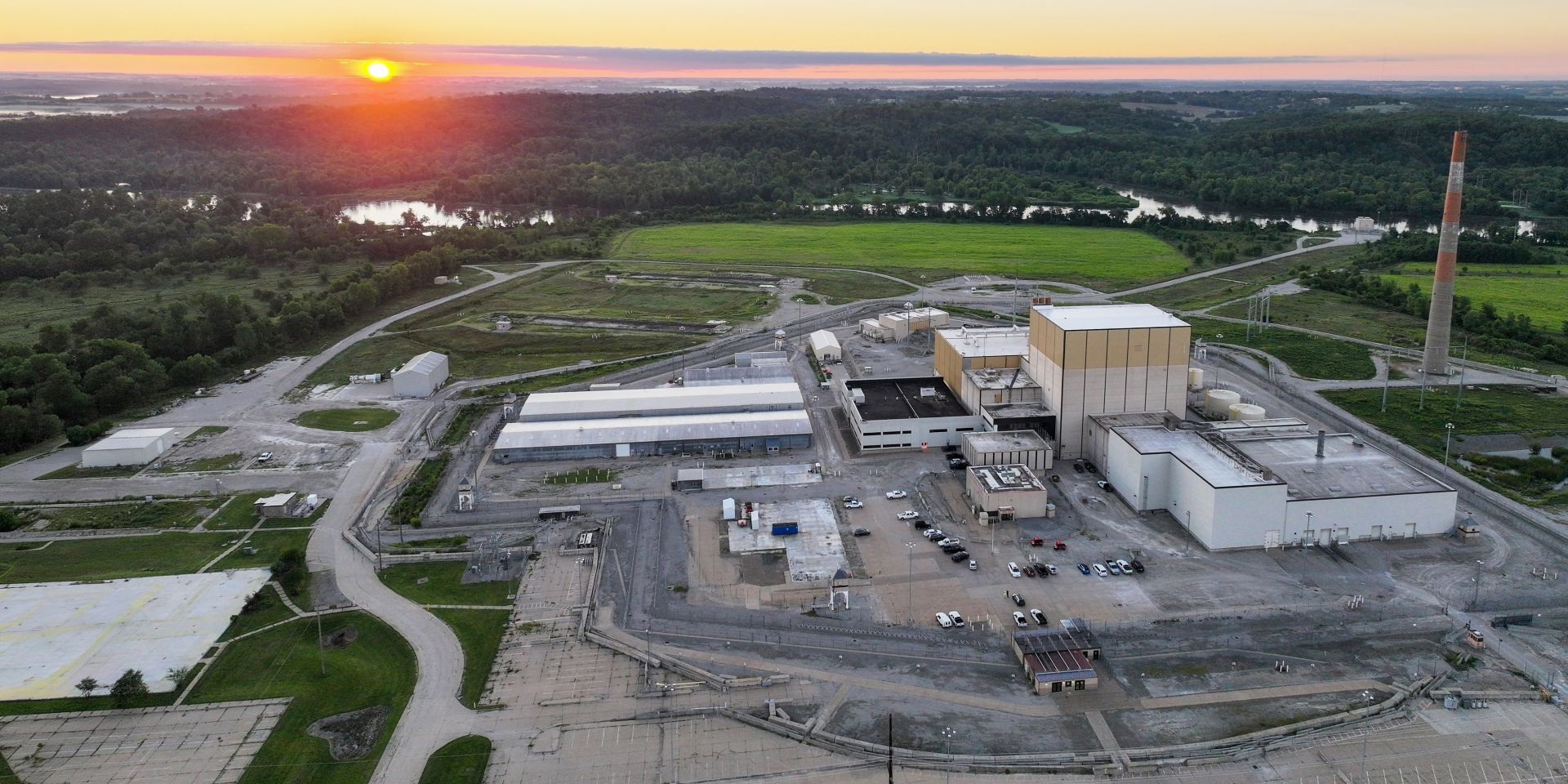
오크 리지 작업팀이 안전한 비활성화 작업을 시작하기 전, 베타-1 건물을 "전원 차단 및 암흑(cold and dark)" 상태로 만들기 위한 전기 차단 작업을 논의하고 있다. (사진: DOE)
요약
카테고리: 현황
미국 에너지부 환경관리국(DOE-EM)이 테네시주 오크 리지 핵 단지에서 단 1년 안에 맨해튼 프로젝트 시대 우라늄 농축 시설 두 곳을 철거하는 새로운 기준을 세웠다.
베타-1 건물(21만 평방피트 규모)은 2026년 여름 철거가 시작될 예정이며, 알파-2 건물(32만 5천 평방피트 규모)은 예정보다 6개월 앞당겨 2026년 1월 철거가 완료됐다.
LiDAR 기술 활용, 900개 이상의 샘플 수집, 1,700만 갤런의 물 펌프 작업 등 첨단 기법을 동원해 작업자 안전을 강화하면서도 철거 속도를 높였다.
---
에너지부(DOE) 환경관리국(Office of Environmental Management)은 오크 리지 환경관리국(OREM, Oak Ridge Office of Environmental Management)이 테네시주 원자력 단지의 정화 작업에서 새로운 기준을 세우고 있다고 발표했다. 단 한 해에 맨해튼 프로젝트 시대 우라늄 농축 시설 두 곳을 철거하는 작업을 진행 중인 것이다.
OREM과 정화 계약업체 유나이티드 클린업 오크 리지(UCOR, United Cleanup Oak Ridge) 소속 작업팀은 오크 리지 Y-12 국가안보단지(Y-12 National Security Complex)의 베타-1 시설(21만 평방피트 규모)의 철거 준비를 성공적으로 마쳤으며, 올여름 철거에 돌입할 예정이다. 이 철거는 작업자들이 알파-2 철거를 예정보다 6개월 앞당겨 완료한 뒤 이어지는 작업이다.
"이토록 신속하게 철거 준비를 완료한 것은 우리 인력의 역량을 잘 보여줍니다. 이 같은 정밀한 순차적 작업 방식은 대기 시간을 없애고, 작업팀이 다음 프로젝트로 즉시 전환할 수 있게 해 Y-12의 변모를 대대적으로 이어갈 수 있습니다."
— 모건 카든(Morgan Carden), Y-12 포트폴리오 연방 프로젝트 책임자
베타-1
Y-12의 베타-1 건물은 내부 오염물질과 상태로 인해 고위험 잉여 오염 시설로 분류된다. 이 건물은 1944년 제2차 세계대전 당시 우라늄 농축을 위해 건설됐으며, 이후 핵융합 에너지 기술 연구를 위한 실험실 공간으로 개조됐다. 이 대형 구조물의 철거는 노후화된 미사용 기반시설을 제거하고 향후 DOE 임무를 지원할 부지를 확보하게 된다.
베타-1의 지상층 비활성화를 마친 후, UCOR는 2024년 가을 지하층 작업에 착수했다. DOE-EM에 따르면, 이 작업은 다양한 분야가 복합적으로 얽힌 고난도 작업으로, 900개 이상의 샘플 수집, 1,700만 갤런의 물 펌프 작업, 3,000피트에 달하는 배수관의 시험 및 제거, 그리고 철거 장비를 위한 기초 안정화를 위해 2,500트럭 분량 이상의 저강도 제어 재료(controlled low-strength material)—콘크리트 혼합물—를 타설하는 작업이 포함됐다.
DOE-EM은 LiDAR 기술의 활용이 베타-1 비활성화 속도를 높이는 동시에 작업자 안전을 강화했다고 밝혔다. 이 기술은 작업자가 오염 구역이나 밀폐 공간에 직접 들어가지 않고도 엔지니어에게 건물 내부의 상세한 3D 지도를 제공했다.
베타-1의 철거는 2028년에 완료될 예정이다. 해당 프로젝트가 끝나면 작업팀은 곧바로 Y-12의 구 증기 공장(Old Steam Plant) 철거에 나설 예정이다. 9401-1 건물로도 알려진 이 1만 3,454 평방피트 규모의 시설은 1943년에 건설됐으며, 우라늄 농축 지원 활동, 연료 시험, 유지보수 및 보관 운영 등 수십 년간 다양한 임무를 지원해왔다.
알파-2
DOE-EM은 32만 5천 평방피트 규모의 알파-2 건물 철거를 올해 1월에 완료했다.
9201-2 건물로도 알려진 알파-2는 최초의 원자폭탄 제조를 위해 우라늄을 농축했던 오크 리지의 원래 칼루트론(Calutron) 건물 8개 중 하나였다. 베타-1과 마찬가지로, 알파-2 건물 역시 DOE로부터 고위험 잉여 오염 시설로 분류됐었다.
알파-2 철거 준비는 2020년에 시작됐으며, 시설 내부의 방사성 및 화학적 위험 요소를 세밀하게 제거하고, Y-12 운영에 필수적인 증기, 공기, 가스, 수도 등 가동 중인 유틸리티 라인을 시설 외부로 재배치하는 작업이 포함됐다.
---
AI 분석
이번 오크 리지의 성과는 미국 원자력 유산 시설 정화 사업에서 의미 있는 진전을 보여준다. 단일 연도 내 두 대형 맨해튼 프로젝트 시대 시설을 동시에 처리함으로써 OREM과 UCOR는 복잡한 방사성 오염 환경에서의 효율적인 프로젝트 관리 역량을 입증했다. LiDAR와 같은 첨단 기술의 도입은 작업자 안전과 작업 속도를 동시에 향상시키는 현대적 접근법으로, 향후 유사한 폐로·철거 사업의 표준이 될 가능성이 있다. 알파-2의 6개월 조기 완료와 베타-1의 신속한 준비 완료는 예산 절감과 오염 위험 조기 제거라는 두 가지 측면에서 긍정적인 효과를 가져올 것으로 평가된다. 이 같은 성공적인 정화 사례는 향후 Y-12 단지의 현대화 및 신규 DOE 임무 수행을 위한 부지 확보에 기여할 것으로 전망된다.
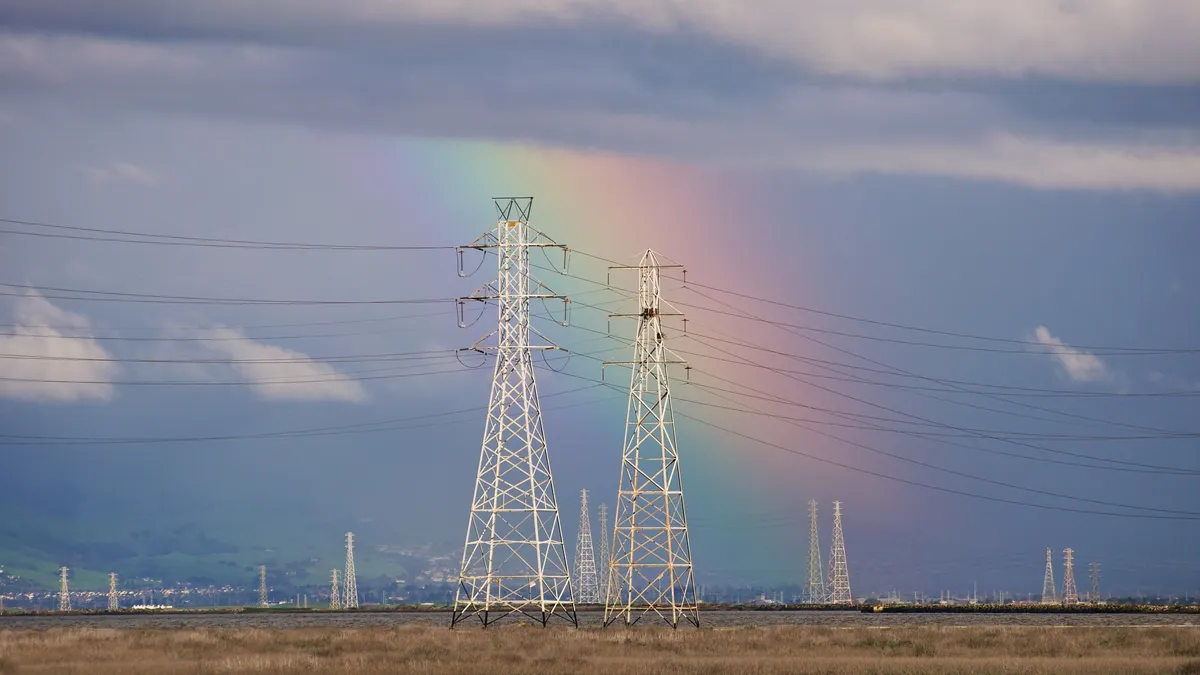
국가전기제조업협회(National Electrical Manufacturers Association, NEMA)는 2026년 5월 7일 발표한 전망 보고서에서 데이터 센터가 2037년까지 순 전력 소비량의 38%를 차지할 것으로 예상되며, 이는 "공격적인 하이퍼스케일러 자본 지출과 인공지능 워크로드의 가속화되는 에너지 집약도에 의해 주도된다"고 밝혔다. "팔로 알토 베이랜즈의 무지개와 송전선"는 돈 드볼드(Don DeBold)의 작품으로 CC BY 2.0 라이선스 하에 제공됩니다.
국가전기제조업협회(NEMA)는 목요일 발표한 전망 보고서에서 미국 연간 전력 소비량이 2050년까지 55% 이상 증가할 것이며, "가장 가파른 성장은 현재 10년 내에 집중될 것"이라고 밝혔다. 데이터 센터 확장 계획이 계속 발표됨에 따라 잠재적 성장 속도가 빨라지고 있다. NEMA의 분석은 2025년 4월 발표한 보고서의 업데이트 버전으로, 당시 보고서는 향후 25년간 소비량이 50% 증가할 것으로 예측했다. 제조업체 단체는 새로운 수요를 충족하기 위한 해결책으로 그리드 강화 기술, 수요 반응, 계량기 후단 자원을 제시했다. 미국에서 최종 에너지 소비 중 전력의 비중은 2050년까지 18%에서 28%로 증가할 것으로 예상된다고 밝혔다.
Dive Insight:
NEMA 회장 겸 최고경영자 데브라 필립스(Debra Phillips)는 성명에서 "1년 전, 우리는 다가올 사태의 규모에 대해 경고했습니다. 오늘의 업데이트는 그 궤도가 더욱 가팔라졌음을 명확히 보여줍니다"라고 말했다.
NEMA는 미국 순 전력 소비량이 2024년 3,936 TWh에서 2050년 6,130 TWh로 증가할 것으로 전망했다.
NEMA는 전력 사용이 "전례 없는 방식으로 성장할 것"으로 예상되며, 여기에는 향후 10년간 데이터 센터 에너지 소비량의 300% 급증과 2050년까지 전기 운송 부문의 2,000% 증가가 포함된다고 밝혔다.
NEMA는 "데이터 센터만으로도 2037년까지 순 전력 소비량의 38%를 차지할 것으로 예상되며, 이는 공격적인 하이퍼스케일러 자본 지출과 인공지능 워크로드의 가속화되는 에너지 집약도에 의해 주도된다"고 말했다.
NEMA의 2025년 연구는 2050년까지 전기 이동성 전력 소비량이 9,000% 증가할 것으로 예측했다. 정책 변화로 인해 단체는 기대치를 "조정"했지만, 성장은 여전히 상당할 것이라고 NEMA는 밝혔다. 아르곤 국립연구소(Argonne National Laboratory)에 따르면, 단체는 2035년까지 미국 도로에 약 5,100만 대의 소형 전기차가 보급될 것으로 예상하며, 이는 현재 570만 대 이상과 비교된다.
보고서에 따르면 2035년까지 데이터 센터 수요의 가장 큰 성장은 중부 대서양 연안과 텍사스 지역에서 나타날 것이며, 세기 중반까지는 북동부와 서부 지역에서 전기차의 가장 큰 성장이 있을 것이다. 또한 발전 믹스에 "지각 변동"이 일어날 것으로, 저장장치, 풍력, 태양광 발전이 300% 증가하고, 미국 서부, 뉴욕, 동남부에서는 재생에너지가 발전 용량의 50%를 초과할 것이라고 NEMA는 밝혔다.
NEMA의 2043년 전망에 따르면 303 GW의 독립형 배터리 저장장치, 568 GW의 태양광, 408 GW의 풍력이 미국 전력망 전체 설치 용량 2,395 GW의 절반 이상을 구성할 것이다. NEMA의 전망은 또한 533 GW의 석유 및 가스 설비, 117 GW의 원자력, 57 GW의 석탄도 포함하고 있다.
발전 자원과 함께, 동적 선로 등급, 위상 최적화, 전력 흐름 제어기, 재전선화 등의 송전 기술도 증가하는 수요를 충족하는 데 필수적일 것이라고 NEMA 보고서는 밝혔다.
맥린 파워 시스템즈(MacLean Power Systems) 사장 마이크 플라스터(Mike Plaster)는 NEMA 조사 결과에 대한 논평으로 성명을 통해 "수요는 전력망이 물리적으로 확장될 수 있는 속도보다 빠르게 증가하고 있어, 비용이 많이 들고 잠재적으로 위험한 송배전 용량 제약을 초래하고 있습니다"라고 말했다. "해답은 전선 건설을 중단하는 것이 아닙니다. 이미 구축되어 운영 중인 인프라의 용량을 극대화하기 위해 고급 전선, 전력 흐름 제어기, 마이크로그리드 및 기타 첨단 시스템을 배치하는 것입니다."
미국 전기 소비량이 2050년까지 55% 이상 증가할 것이라는 NEMA의 전망은 에너지 인프라 전반에 걸친 대규모 전환을 예고하는 중요한 신호다. 특히 데이터 센터가 향후 10년간 전력 소비를 300% 증가시키고 2037년까지 순 전력 소비의 38%를 차지할 것으로 예상되는 만큼, AI 워크로드 확산이 전력망에 미치는 압력은 전례 없는 수준이다. 이러한 수요 급증은 송전망 현대화, 에너지 저장 기술, 재생에너지 확대를 포함한 복합적인 해결책을 긴급히 필요로 하며, 전력 인프라 투자의 우선순위를 재편할 것이다. 2043년까지 303GW의 배터리 저장장치와 568GW의 태양광, 408GW의 풍력이 구축되어야 한다는 전망은 에너지 전환 속도를 대폭 가속화해야 함을 시사한다. 이 보고서는 전력 공급 안정성 확보가 향후 미국 경제 경쟁력의 핵심 과제로 부상했음을 명확히 보여준다.
※ 이 글은 해외 원자력 바로알기를 위한 정보 전달을 목적으로 제공됩니다. 특정 기업이나 종목에 대한 투자 권유가 아니며, 모든 투자 판단과 그에 따른 책임은 투자자 본인에게 있습니다.
유타 주립 대학교(Utah State University)와 아이다호 국립 연구소(Idaho National Laboratory) 계약업체인 배텔 에너지 얼라이언스(Battelle Energy Alliance)가 SUPER(전략적 탁월 교육 및 연구 협력) 협정을 체결해 양 기관 간 협력을 공식화·확대했다.
이번 협정은 원자력 물질 재활용, 방사선 탐지, 에너지 저장 시스템 등 원자력 에너지 지원 연구를 포함하며, 2035년까지 유타 주의 에너지 생산 역량을 두 배로 늘리려는 주 목표를 뒷받침한다.
INL은 현재 13개 대학과 SUPER 협정을 맺고 있으며, 유타 주립 대학교는 브리검 영 대학교(Brigham Young University)와 유타 대학교(University of Utah)에 이어 유타 주에서 세 번째로 협정에 참여하는 대학이 됐다.
---
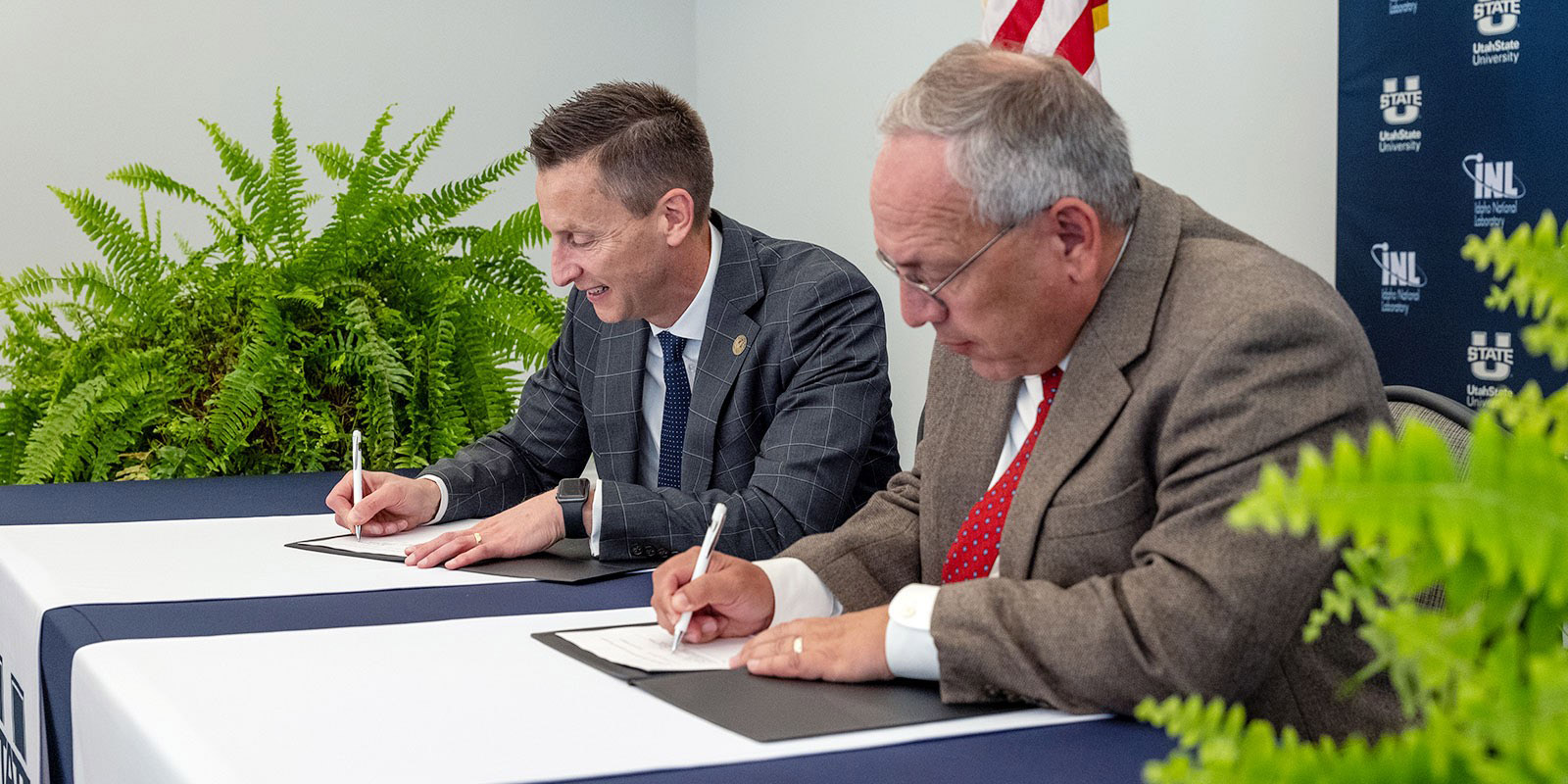
브래드 모텐슨(Brad Mortensen) 유타 주립 대학교 총장(왼쪽)과 토드 콤스(Todd Combs) INL 부소장이 5월 11일 양해각서에 서명하고 있다. (사진: USU/테일러 에머슨(Taylor Emerson))
유타 주립 대학교(Utah State University, 이하 USU)와 아이다호 국립 연구소(Idaho National Laboratory, 이하 INL) 계약업체인 배텔 에너지 얼라이언스(Battelle Energy Alliance)는 SUPER(Strategic Understanding for Premier Education and Research, 전략적 탁월 교육 및 연구 협력) 협정을 위한 양해각서에 서명했으며, 이를 통해 해당 대학과 INL 간의 협력 관계를 공식화하고 확대한다.
대학 측에 따르면, 이번 협정은 "에너지, 보안 기술, 연구 분야에서의 공동 노력을 강화"하며, 2035년까지 유타 주의 에너지 생산 역량을 두 배로 늘리겠다는 주 목표에서 USU의 역할을 지원한다. 해당 목표에는 유타 북부에 원자력 시설을 건설하는 계획도 포함되어 있다.
이번 협정에는 원자력 물질 재활용, 생성물 분리, 폐기물 모니터링, 방사선 탐지, 에너지 저장 시스템, 환경 공학 및 모델링 등 원자력 발전을 지원하는 서비스에 대한 연구가 포함된다.
"SUPER를 통한 파트너십은 유타 주의 에너지 수요를 충족하기 위한 연구의 최전선에 유타 주립 대학교를 위치시킵니다."
— 브래드 L. 모텐슨(Brad L. Mortensen) USU 총장
또한 핵심 광물의 추출 및 처리 도구 개발, 기계 및 차량의 자동화·제어·사이버 보안 연구도 포함될 예정이다.
"아이다호 국립 연구소는 이번 협정 체결을 기쁘게 생각합니다. 이는 양 기관 파트너십의 중요한 진전을 의미하며, 핵심 연구 이니셔티브의 역량, 효율성 및 영향력을 확대할 새로운 기회를 창출합니다. INL과 USU는 연구 협력을 진행하고, 공동 워크숍과 콘퍼런스를 개최하며, 연구 및 학술 협력 강화를 위한 공동 임명 프로그램을 수립할 것입니다."
— 토드 콤스(Todd Combs) INL 부소장
SUPER 협정: INL은 현재 13개 대학과 SUPER 협정을 맺고 있으며, USU는 브리검 영 대학교(Brigham Young University)와 유타 대학교(University of Utah)에 이어 유타 주에서 세 번째로 목록에 추가된 대학이다. 연구소 측에 따르면, 이 문서들은 "INL과 각 기관이 응용 및 첨단 에너지 기술과 인프라의 개발·개선에 대한 양 당사자의 관심을 공식화하기 위한 틀을 제공"하며, "계약보다는 덜 공식적이지만 단순한 악수(구두 합의)보다는 더 구속력이 있다(less formal than a contract but more binding than a handshake)."
이번 유타 주립 대학교와 INL 간의 SUPER 협정 체결은 미국 내 원자력 에너지 연구 생태계를 확장하는 데 중요한 의미를 갖는다. 특히 2035년까지 유타 주의 에너지 생산 역량을 두 배로 늘리겠다는 구체적인 주 정부 목표와 연계되어 있어, 원자력이 에너지 전환 전략의 핵심 요소로 자리잡고 있음을 보여준다. 원자력 물질 재활용과 폐기물 모니터링 연구의 포함은 원자력 에너지의 지속가능성 측면을 강화하려는 방향성을 반영하며, 핵심 광물 추출 및 사이버 보안 연구까지 포괄하는 넓은 협력 범위는 에너지 안보와 첨단 기술 역량 강화라는 복합적 목표를 동시에 추구하고 있음을 시사한다. INL이 13개 대학과 SUPER 협정을 유지하는 것은 산학 협력을 통한 차세대 원자력 전문 인력 양성과 기술 혁신을 위한 체계적인 접근법으로 평가된다.
I was unable to fetch the full article due to permission restrictions. I'll translate the content provided in the file.
MIDA, 우라늄 농축 장비 시설 부지 준비를 위해 자체적으로 1,650만 달러 대출
2026년 5월 15일
요약
카테고리: 원자력 정책
유타주 경제개발청(MIDA)이 우라늄 농축 장비 제조 시설 부지 조성을 위해 자체적으로 1,650만 달러 규모의 대출을 승인했다.
해당 부지는 블러프데일(Bluffdale) 소재 캠프 윌리엄스(Camp Williams) 유타 주방위군 기지 서쪽에 위치하며, 향후 원자력 발전 관련 하드웨어 제조에 활용될 예정이다.
주 정부 차원에서 원자력 산업 유치를 위한 적극적인 투자와 인프라 구축이 진행되고 있다.
---
본문
캠프 윌리엄스의 삽들 (Chris Samuels | The Salt Lake Tribune)(크리스 새뮤얼스(Chris Samuels) | 솔트레이크 트리뷴(The Salt Lake Tribune)) 2024년 8월 19일 월요일, 블러프데일(Bluffdale) 소재 캠프 윌리엄스(Camp Williams)에서 삽들이 보이고 있다. 주 위원회가 우라늄 농축에 사용되는 장비를 제조하기 위한 시설 건립을 목적으로, 유타 주방위군 기지 서쪽 토지 정비에 1,650만 달러 규모의 대출을 승인했다.
유타주 경제개발청(MIDA)이 자체 재원으로 캠프 윌리엄스 인근 부지에 1,650만 달러를 대출하는 이번 결정은, 유타주가 원자력 에너지 산업의 핵심 거점으로 부상하려는 전략적 행보의 일환으로 해석된다. 우라늄 농축 장비 제조 시설은 원자력 공급망에서 상류(upstream) 단계에 해당하며, 이는 단순한 발전소 유치를 넘어 원자력 산업 생태계 전반을 구축하려는 의도를 보여준다. 최근 연방 차원의 원자력 허브 유치 경쟁과 맞물려, 유타주는 입법·금융·인프라 측면에서 복합적인 지원 체계를 형성하고 있다. 관련 기업들의 정치 자금 기부 현황까지 주목받고 있어, 향후 민관 협력 구조의 투명성에 대한 논의가 필요할 것으로 보인다. 이번 대출이 실제 시설 착공과 원자력 산업 클러스터 형성으로 이어질지 귀추가 주목된다.
---
출처:The Salt Lake Tribune사진: 크리스 새뮤얼스(Chris Samuels)
매체명: 솔트레이크 트리뷴(The Salt Lake Tribune)
※ 이 글은 해외 원자력 바로알기를 위한 정보 전달을 목적으로 제공됩니다. 특정 기업이나 종목에 대한 투자 권유가 아니며, 모든 투자 판단과 그에 따른 책임은 투자자 본인에게 있습니다.
Russian cargo ship sunk off Spain carried nuclear reactors for North Korea, probe reveals
Published on 13 May 2026
TL;DR
Spanish investigators discovered that the Russian cargo ship Ursa Major, which sank in the Mediterranean in December 2024, was carrying components for two submarine nuclear reactors destined for North Korea rather than being part of a weapons retrieval mission to Syria.
Western military may have deliberately sunk the vessel using a rare supercavitating torpedo to prevent Russia from delivering advanced nuclear technology to North Korea, according to Spanish investigators.
The discovery reveals deepening military cooperation between Russia and North Korea, with evidence suggesting Moscow has been supplying nuclear submarine propulsion technology to Pyongyang since early 2025.
Main Article
Spanish investigators have discovered that the Russian cargo ship that sank in the Mediterranean in 2024 — originally believed to be part of a weapons retrieval mission to Syria — was secretly carrying nuclear reactor components bound for North Korea.
A Russian cargo ship that sank in the Mediterranean Sea between Spain and Algeria in December 2024 following explosions in its engine room was carrying components for two submarine nuclear reactors likely destined for North Korea, an investigation has revealed.
The Ursa Major sank on 23 December with 16 crew members on board. Fourteen were rescued and brought to Spain, while two crew members — second engineer Nikitin and engineer Yakovlev — remain missing and are presumed dead.
Spanish investigators now believe the vessel may have been deliberately sunk by a Western military using a rare supercavitating torpedo to prevent Russia from delivering advanced nuclear technology to North Korea, according to details of the Spanish probe obtained by CNN.
The Russian Foreign Ministry initially said the vessel sank after an "explosion in the engine room" but provided no explanation for the blast.
However, the ship's Russian captain later told investigators that items declared on the ship's manifest as "non-dangerous merchandise" — two large hatch covers — were actually components for two nuclear reactors similar to those used in submarines.
The captain also revealed that he thought the ship would eventually be diverted to the North Korean port of Rason to deliver the reactors, according to a source familiar with the investigation. He did not further discuss the cargo due to fears for his safety.
The vessel, previously known as Sparta III, was constructed in 2009. While its official manifest stated it was travelling from St Petersburg to Vladivostok carrying two large cranes, 129 empty containers and hatch covers, investigators have questioned why Moscow would send such cargo by sea around the world rather than using the country's extensive rail network.
The investigation suggests the cranes were on board to assist with the delivery of the sensitive nuclear cargo upon arrival in North Korea.
Some details of the Spanish investigation into the incident were initially published by the Murcian local newspaper La Verdad in December 2024.
Suspicious circumstances and Russian interference
The ship was operated by Oboronlogistika, a company owned by the Russian Ministry of Defence. Just two months before the sinking, Oboronlogistika announced its ships had been licensed to carry nuclear material.
The vessel had been under US and UK sanctions since Russia's full-scale invasion of Ukraine in 2022, due to its owner's role in supplying cargo to the Kremlin's military.
The sinking occurred just two months after North Korean leader Kim Jong-un sent some 10,000 troops to support Russia's full-scale invasion of Ukraine — an exchange that investigators believe may have prompted the Kremlin to transfer nuclear technology to Pyongyang in return.
Russia and North Korea also have a deal in place since late 2024 pledging mutual military aid.
A nuclear-powered submarine was one item on a wish list of sophisticated weaponry that Kim announced during a political conference in 2021. Other weapons included solid-fuelled intercontinental ballistic missiles, hypersonic weapons, spy satellites and multi-warhead missiles.
North Korea released photographs in December 2025 of Kim's visit showing what appeared to be a largely completed nuclear-powered submarine hull, coated with what was likely anti-corrosion paint, under construction in an assembly hall.
Pyongyang has indicated it plans to arm the submarine with nuclear weapons, calling it a "strategic guided missile submarine" or a "strategic nuclear attack submarine".
While questions persisted about whether North Korea, a heavily sanctioned country, could obtain resources and technology to build nuclear-powered submarines, experts initially believed it was more likely Pyongyang designed its own reactor with Moscow's expertise, rather than acquiring a decommissioned Russian one.
In the months following the sinking, significant military activity has been detected around the wreck site, which lies at a depth of approximately 2,500 meters.
One week after the incident, Russian spy vessel Yantar — later detected near UK waters in early 2025, prompting stern warnings from the British government — spent five days positioned over the Ursa Major wreckage.
Meanwhile, US nuclear "sniffer" aircraft have flown over the sunken ship twice in the past year, according to public flight data.
Spanish authorities have stated that recovery of the ship's data recorder was impossible without incurring major costs and risks. Experts have questioned why this would be the case if no radioactive material were involved.
Russian claims and Syria connection
Russia's state-linked operator Oboronlogistika claimed the ship was "embarking on another voyage to the Far East carrying significant project cargo as part of state tasks aimed at developing port infrastructure and the Northern Sea Route."
However, Ukrainian military intelligence (HUR) had previously reported that the Ursa Major was actually headed to Syria to assist with evacuating Russian military equipment from the country's bases at Tartus and Khmeimim, following the fall of Bashar al-Assad's regime.
The Ursa Major had been used for years as part of Russia's "Syrian Express" — a supply route transporting military equipment and weapons to Russian forces in Syria.
A UK sanctions listing states that ships belonging to Oboronlogistika have been used to transport missiles from Syria to the Black Sea.
The Spanish probe concluded that indications the ship would go to Syria were likely a distraction from the trip's true purpose.
Following pressure from opposition lawmakers, the Spanish government issued only a brief statement in February on the investigation, confirming the captain's testimony about the components for two nuclear reactors similar to those used in submarines.
South Korean intelligence reported in September 2025 that Moscow had already handed Pyongyang one nuclear reactor, and multiple South Korean government officials told domestic media that the Kremlin was suspected of sending two to three nuclear submarine propulsion modules to North Korea in the first half of 2025.
AI Analysis
This incident represents a significant escalation in Russian-North Korean military cooperation, transforming their relationship from symbolic gestures into substantial technology transfers. The deliberate sinking of the Ursa Major suggests Western powers are actively monitoring and disrupting attempts to advance North Korea's nuclear submarine capabilities, indicating heightened concerns about regional destabilization. The convergence of evidence—from the captain's testimony to South Korean intelligence reports and photographic proof of submarine construction—paints a comprehensive picture of a coordinated technology transfer program that fundamentally alters the strategic balance on the Korean Peninsula.
English
AtkinsRéalis partners with First American Nuclear-Nuclear Newswire
AtkinsRéalis and First American Nuclear (FANCO) announced a strategic alliance to jointly develop, test, and license FANCO's EAGL-1 liquid metal fast-spectrum reactor design.
AtkinsRéalis will serve as the exclusive engineering, procurement, and construction management provider for FANCO's projects in North America, with plans to establish a significant presence in Indiana.
The EAGL-1 is designed to generate 240 megawatts of electricity and could be delivering power at scale by 2033, using lead-bismuth coolant and potentially sourcing fuel from DOE stockpiles.
Full Article
A depiction of a potential First American Nuclear "energy park." (Image: FANCO)
Indianapolis-based reactor development start-up First American Nuclear (FANCO) announced on May 13 that it has entered into a strategic alliance with Montreal-based nuclear engineering company AtkinsRéalis.
Together, the companies now plan to jointly develop, test, and license FANCO's EAGL-1 reactor design. For FANCO, the agreement comes as a chance to bring in a partner with decades of experience in nuclear project development. For AtkinsRéalis, the partnership provides the opportunity to establish a presence in Indiana.
Agreement Details
According to the press release announcing this new agreement, AtkinsRéalis will serve as the exclusive engineering, procurement, and construction management provider for proposed FANCO's EAGL‑1 reactor, fuel fabrication, and recycling facility projects in North America.
The planned scale of future deployments has not been revealed. What is known is that FANCO is collaborating with Indiana on deploying its first nuclear power plant in the state.
Last November, FANCO announced that it had established its headquarters in Indianapolis and detailed its plans for a "nuclear energy park," along with related manufacturing facilities. In this newest press release, AtkinsRéalis got on board with plans to expand into Indiana. The company announced that it will "establish a significant presence" in the state, including "an office near FANCO headquarters, collaboration on workforce and supply chain development initiatives, and participation in the Nuclear Indiana Coalition and other industry groups."
The press release also highlighted that employees from both companies have previously collaborated on projects like the Department of Energy's Global Nuclear Energy Partnership and Advanced Fuels Campaign.
Now, the parties have set a goal for the first EAGL-1 to begin "delivering power at scale by 2033."
More About the Reactor
The EAGL-1 is being designed as a liquid metal fast-spectrum reactor using lead-bismuth coolant. What, if anything, "EAGL" stands for has not yet been disclosed by the company.
As for size, the company has said the EAGL-1 "is designed to generate 240 megawatts of electricity, enough to power 1.5 million homes from the typical six-reactor cluster." FANCO has yet to explicitly state how many reactor units its potential first deployment would include.
As for fuel, the company claims to be "agnostic" and to be considering mixed oxide fuel and other transuranic fuels "sourced from existing DOE stockpiles—materials too contaminated for use in most reactors." The EAGL-1 system could also use high-assay low-enriched uranium fuel, according to the company.
As for regulatory engagement, FANCO enjoyed some early tailwinds from a Gateway for Accelerated Innovation in Nuclear (GAIN) voucher given to Pacific Northwest National Laboratory to study its reactor. According to the company, PNNL concluded that "the EAGL-1 design, subject to further design development and analysis, would be licensable under existing [Nuclear Regulatory Commission] criteria, with no new rules, and no novel regulatory frameworks."
FANCO has also stated that it is currently building a lead-bismuth test loop "that will provide the NRC with unequivocal, real-world performance data, rather than relying solely on models and historical analysis."
Earlier this year, the company submitted its regulatory engagement plan for the EAGL-1 to the NRC. There, FANCO detailed that it initially plans to pursue a construction permit under 10 CFR Part 50.
AI Analysis
This partnership represents a significant step forward for advanced reactor commercialization in the United States. The collaboration between FANCO and AtkinsRéalis combines startup innovation with established nuclear engineering expertise, potentially accelerating the EAGL-1's path to deployment. The company's focus on utilizing DOE stockpiled fuel and their commitment to providing real-world performance data to regulators demonstrates a pragmatic approach to addressing both waste management and regulatory concerns. With a 2033 target for power generation and AtkinsRéalis's commitment to establish operations in Indiana, this partnership could serve as a model for advanced reactor development partnerships. The involvement of experienced firms in regulatory engagement and construction management substantially increases the likelihood of successful NRC licensing and deployment.
English
DOE selects companies for $94M in light water SMR deployment awards-Clinch River
TVA files for Clinch River SMR construction permit
Published: May 21, 2025
TL;DR
Tennessee Valley Authority submitted a construction permit application to the NRC for a GE Vernova Hitachi BWRX-300 small modular reactor at the Clinch River site in Oak Ridge, Tennessee, making it the first U.S. company to apply for this reactor type.
The NRC estimates the construction permit review process will take approximately two-and-a-half years, faster than some historic reviews, with potential commercial operation possible by 2033 if DOE grant funding is received.
TVA has allocated $350 million to the Clinch River project and is seeking $900 million in DOE grant funding to help accelerate construction and offset first-of-a-kind deployment costs.
Article
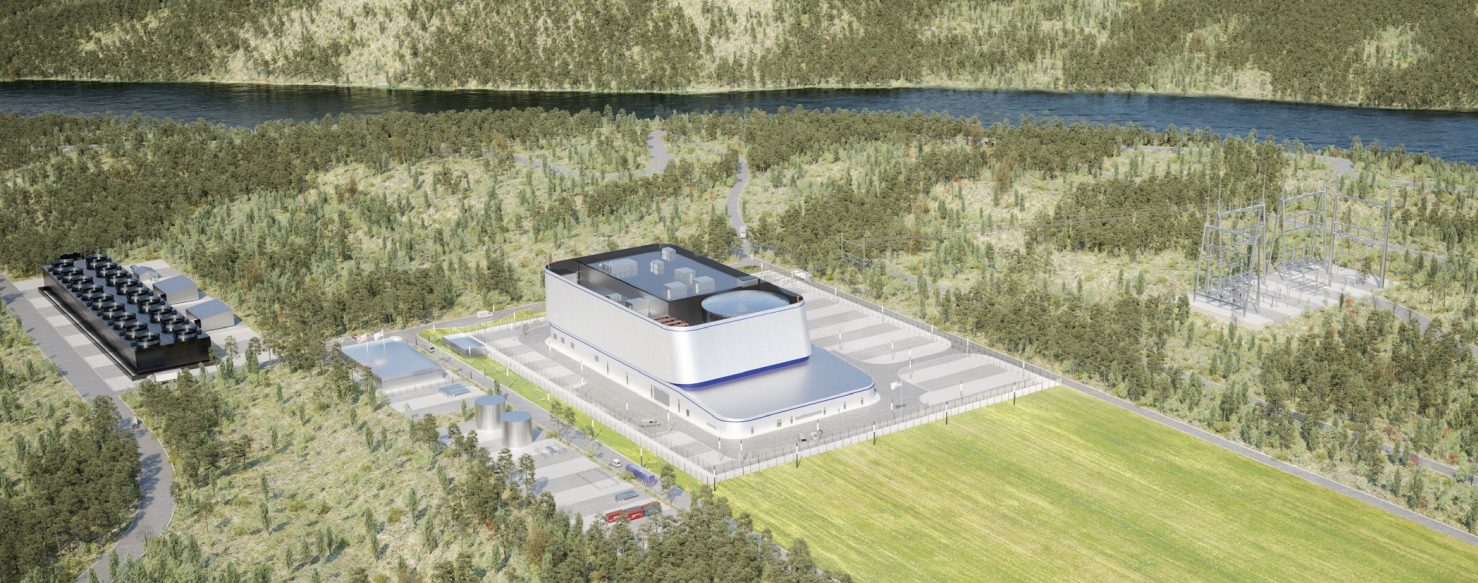
A rendering of the Clinch River SMR. (Image: TVA)
The Tennessee Valley Authority announced yesterday that it has submitted a construction permit application to the Nuclear Regulatory Commission for the construction of a GE Vernova Hitachi Nuclear Energy BWRX-300 small modular reactor at the Clinch River nuclear site in Oak Ridge, Tenn.
With this filing, TVA has become the first U.S. company to apply for a construction permit for the BWRX-300 and the second in North America, following Ontario Power Generation's application to the Canadian Nuclear Safety Commission for the Darlington site in Ontario, Canada.
Quotable
"This is a significant milestone for TVA, our region, and our nation, because we are accelerating the development of new nuclear technology, its supply chain, and delivery model to unleash American energy," said Don Moul, TVA president and CEO. "TVA has put in the work to advance the design and develop the first application for the BWRX-300 technology, creating a path for other utilities who choose to build the same technology."
Potential Acceleration
The NRC held two public outreach meetings in Oak Ridge on May 6 to talk about the agency's application review process and intentions to increase efficiency without decreasing safety and security. According to the Oak Ridger, Michelle Sampson, director of the Division of New and Renewed Licenses in NRC's Office of Nuclear Reactor Regulation, said at one of the meetings, "The time frame we mentioned today for the construction permit review for the proposed TVA reactor; approximately two-and-a-half years, is faster than some of our historic reviews. We are looking for ways to focus our review teams to ensure they can complete their work as effectively as possible."
Background
Last month, senior vice president for the Clinch River project Bob Deacy described his vision for the 935-acre site, with up to four SMRs built on plots smaller than a football field with state-of-the-art digital equipment and a newly trained workforce providing reliable 24/7 power to the grid. "You will see in this relatively small space the potential for something significant for our nation's energy future—affordable and reliable nuclear power," Deacy said.
TVA obtained an early site permit from the NRC for the Clinch River SMR project in 2019. The company had announced in 2022 its choice of the BWRX-300 SMR.
The GE Hitachi unit is a 300-MWe unit designed with built-in natural circulation and passive cooling technology and an expected lifespan of 60 years.
Funding
TVA has designated a total of $350 million so far toward the Clinch River SMR project, including an initial $200 million approved by its board in February 2022 and another $150 million in April 2024 to support continued design and development work.
TVA is one of three lead applicants for the Department of Energy's $900 million grant program first announced last October and reissued on March 24 to help de-risk the deployment of Gen-III+ light water SMRs.
In its initial application, TVA said the grant funding would help accelerate SMR construction at Clinch River by two years, with commercial operation of the units possible by 2033.
"If we receive the DOE funding, we'd be able to roll into site-specific engineering," Deacy said. "It may also allow us to procure some long-lead items and do grading of the site itself. We're working with DOE to help offset the cost so we don't burden our customers with first-of-a-kind costs, because this is a first-of-a-kind plant, even though it's based on proven technology."
AI Analysis
This development marks a critical milestone in advancing small modular reactor technology in the United States, positioning TVA as a pioneer in applying proven BWRX-300 designs for domestic deployment. The accelerated NRC review timeline of approximately 2.5 years demonstrates growing regulatory confidence in standardized SMR designs while maintaining safety and security standards. The potential 2033 commercial operation date, contingent on DOE grant approval, could establish a template for subsequent SMR projects and address the nation's growing energy demands with low-carbon baseload power. The $350 million investment already committed by TVA, combined with pursuit of additional DOE funding, reflects substantial institutional confidence in the economic and technical viability of the Clinch River project.
English
DOE selects companies for $94M in light water SMR deployment awards-Nuclear Newswire
DOE Selects Companies for $94M in Light Water SMR Deployment Awards
Published: May 15, 2026
TL;DR
The Department of Energy announced $94 million in cost-share funding to eight companies for near-term deployment of small light water modular reactors through the Generation III+ SMR Pathway to Deployment Program.
Awards support two categories: site preparation and selection (Constellation SMR Development LLC and Nebraska Public Power District) and supply chain development (six companies focused on equipment manufacturing and fuel fabrication).
This Tier 2 disbursement follows the larger $800 million award in 2025 to TVA and Holtec, with additional funding rounds possible if appropriated.
Full Article
DOE Full Seal on Blue background
Eight companies will collectively receive more than $94 million in cost-share funding to expedite the near-term deployment of small light water modular reactors, the Department of Energy announced Thursday.
This Tier 2 disbursement under the Generation III+ SMR Pathway to Deployment Program is smaller than last year's $800 million disbursement—which went to the Tennessee Valley Authority and Holtec to aid their deployment of, respectively, a GE Vernova Hitachi Nuclear Energy (GVH) BWRX-300 at Clinch River in Tennessee and two Holtec SMR-300s at the Palisades site in Michigan. The newly announced recipients come from different parts of the country and focus on key areas of SMR deployment, including equipment procurement.
The Recipients
Two companies were chosen for site preparation and selection purposes:
A $17.3 million award to Constellation SMR Development LLC, to pursue a Nuclear Regulatory Commission early site permit (ESP) for a future SMR site in New York. (Recent actions in New York that could lead to new nuclear power plants include solicitations by the New York Power Authority for expressions of interest from potential host communities.)
A $27.9 million award to Nebraska Public Power District, to obtain an ESP from the NRC for a future SMR site in Nebraska. (Of note, NPPD hosted informational open houses across the state last year as it considered building a new nuclear power plant.)
The six other companies were selected for supply chain development endeavors:
A $21.4 million award to BWXT Nuclear Energy Inc., to acquire equipment for the final assembly of reactor pressure vessels and the manufacturing of large components for nuclear reactors at an existing facility in Mount Vernon, Ind. (Previously, BWXT Canada secured a contract to manufacture the reactor pressure vessel for the first of four planned BWRX-300 reactors at Ontario Power Generation's Darlington site.)
A $547,900 award to Container Technologies Industries LLC, to expand nuclear quality assurance certifications at its Helenwood, Tenn., facility to produce steel for SMR deployments.
An $8.8 million award to Framatome U.S. Government Solutions LLC, to expand a Richland, Wash., fuel fabrication facility. Framatome wants to increase its number of ceramic pellet production lines; the expansion will add approximately 200 metric tons of uranium of annual capacity. (It is Framatome's second major U.S. development in May, as the company announced the Richland facility had received NRC approval for a license amendment supporting fabrication of fuel with enrichment levels above 5 percent uranium-235, with manufacturing scheduled to begin in 2027.)
A $3 million award to Global Nuclear Fuel Americas (an affiliate of GVH), to establish a second production line for fuel rod fabrication for boiling water reactors, acquire capital equipment to automate the pellet inspection process, and implement automated pellet storage and handling capabilities at its Wilmington, N.C., facility.
A $2.9 million award to North American Forgemasters Company, to procure a new furnace for its New Castle, Pa., facility to domestically produce large-component forgings for Gen III+ SMRs.
A $12.3 million award to Scot Forge Company, to procure and install a large vertical turning lathe and gantry-style milling machine at its Spring Grove, Ill., facility to domestically produce and manufacture large components.
Plans Span Administrations
Advanced light water SMRs will give our nation the reliable, round-the-clock power we need to fuel the president's manufacturing boom, support data centers and AI growth, and reinforce a stronger, more secure electric grid. These awards ensure we can deploy these reactors as soon as possible.
— DOE Secretary Chris Wright
The approximately $900 million in funding through the Generation III+ SMR Pathway to Deployment Program was originally offered in 2024 under the Biden administration, but the DOE modified the solicitation in 2025 to align with the energy policies and goals of the Trump administration.
Tier 2, or Fast Follower Deployment Support, was described in 2024 as providing approximately $100 million to address "key gaps that have hindered the domestic nuclear industry in areas such as design, licensing, supplier development, and site preparation."
Another round of Tier 2 awards may be issued if additional funds become available, according to the DOE's May 14 news release.
AI Analysis
This announcement reflects a continued strategic commitment to accelerating small modular reactor (SMR) deployment across diverse geographic regions and technological aspects of the supply chain. The awards demonstrate a pragmatic approach to SMR commercialization by addressing critical infrastructure gaps—from site selection and preparation to manufacturing and fuel fabrication—rather than concentrating funding in single large projects. The bipartisan continuity of the program, despite modifications between administrations, underscores the emerging consensus around SMR technology as a key component of future energy security and industrial competitiveness.
English
DOE selects companies for $94M in light water SMR deployment awards-Palisades
Holtec submits partial construction permit application for SMRs at Palisades
Published: January 14, 2026
TL;DR
Holtec International submitted Part 1 of a construction permit application to the NRC on New Year's Eve for two SMR-300 units (Pioneer-1 and Pioneer-2) at its Palisades site in Michigan
The twin 340-MWe reactors would join the Palisades PWR, which is expected to restart early 2026 after being shut down in 2022
Holtec received $400 million in DOE funding and requests NRC approval of the Limited Work Authorization by December 31, 2026
Overview
An image of the Palisades site, featuring two SMR-300 units in the foreground. (Image: Holtec)
On New Year's Eve, Holtec International submitted Part 1 of a construction permit application to the Nuclear Regulatory Commission seeking a limited work authorization (LWA) to begin construction of a two-unit SMR-300 plant at the company's site in Covert, Mich.
Named Pioneer-1 and -2, the twin 340-MWe pressurized water reactors would join the 777-MWe Palisades PWR that began operating in 1971, shut down in 2022, and is expected to reconnect to the grid—slightly delayed—early this year. According to Holtec's application documents, Part 2 of its construction permit will be filed no later than mid-2027.
NRC Review Process
On January 13, the NRC announced that the submission—the first of an expected two-part construction permit application from SMR, LLC (a Holtec International subsidiary)—was available for review. The NRC staff is reviewing the application, and if it is sufficient the staff will docket it and set a schedule for a detailed technical review, which according to the NRC is "not to exceed 18 months."
Holtec's Key Developments
In a review of its business accomplishments in 2025, Holtec International highlighted some "pivotal breakthroughs" in its plans to deploy two SMR-300 small modular reactors at its Palisades site, including the award of $400 million from the Department of Energy in early December.
Holtec reported that it expects to begin preparatory civil construction work at the site as soon as the Palisades reactor is reconnected to the grid, which is likely by the end of February, according to the company (earlier estimates had Palisades set for restart by the end of 2025).
LWA Package Details
Holtec "requests approval of the proposed LWA application by December 31, 2026," and includes three separate exemptions in its application.
Holtec asked that two of those exemptions—to permit certain construction activities prior to a full construction permit and to exempt the applicant from requirements to identify specific sources of funding at this time—be reviewed and approved concurrently with the LWA application.
Holtec has also requested a quicker six-month review schedule for an exemption request to allow the permanent installation of retaining walls, or excavation supports, prior to LWA approval.
Once the LWA is approved, Holtec plans to "perform soil improvement to enhance the physical and mechanical properties of the soil within the excavation and install foundations for [containment structures] (one for each unit), the [reactor auxiliary building] (shared between the two units) and for the [intermediate buildings] (one for each unit)." Additional construction activities that would be permitted under an exemption request include the construction of a "steel-concrete containment vessel from the foundation to plant grade level" and below-grade structures and walls.
Progress in the U.K.
There has been additional progress for Holtec's SMR program beyond the Palisades developments. According to the company, the reactor has "drawn strong interest from countries far and wide, many of whom do not have an operating nuclear plant at present. We are particularly gratified by our regulatory progress in the United Kingdom, expected to culminate in a successful Generic Design Assessment (GDA) Step 2 outcome in early 2026."
The company said that it has signed a memorandum of understanding with EDF in the United Kingdom to construct SMR-300s at the former coal-powered Cottam site, located in the Nottinghamshire area of England.
AI Analysis
Holtec's partial construction permit application marks a significant milestone for small modular reactors in the United States, demonstrating continued momentum in bringing advanced nuclear technology to commercial deployment. The parallel progress in both Michigan and the United Kingdom positions Holtec to potentially lead the global SMR market, with international regulatory frameworks aligning with U.S. timelines. The $400 million DOE investment validates the economic viability of SMRs and suggests growing federal confidence in their role in decarbonization efforts, though the success of the broader initiative ultimately depends on regulatory approval timelines and continued economic support through the construction phase.
English
DOE selects companies for $94M in light water SMR deployment awards-announced
Energy Department Awards $94 Million to American Companies to Help Expedite Deployments of Small Modular Reactors
Published: May 14, 2026
TL;DR
The U.S. Department of Energy selected eight companies to receive over $94 million in federal cost-shared funding to support the near-term deployment of advanced light-water small modular reactors (SMRs).
Awards target three key areas: site selection and preparation in New York and Nebraska, and supply chain development across six companies in multiple states to manufacture critical reactor components and fuel.
These projects align with President Trump's nuclear energy renaissance agenda and aim to deploy new SMR generation in the 2030s while supporting manufacturing, data centers, and AI infrastructure growth.
Full Article
The U.S. Department of Energy (DOE) today announced the selection of eight companies to support the near-term deployment of advanced light-water small modular reactors (SMRs) in the United States. The awardees will collectively receive more than $94 million in Federal cost-shared funding to spur additional Gen III+ SMR deployments by addressing key gaps that have hindered the domestic nuclear industry in licensing, supply chain, and site preparation.
Projects will bolster the supply chain needed to deliver new nuclear generation in the 2030s, strengthen the development of Gen III+ SMR orderbooks, and advance President Trump's Executive Orders to usher in a nuclear renaissance and expand America's Energy Dominance agenda.
"President Trump has made clear that America is going to build more energy, not less, and nuclear is central to that mission," said U.S. Secretary of Energy Chris Wright. "Advanced light-water SMRs will give our nation the reliable, round-the-clock power we need to fuel the President's manufacturing boom, support data centers and AI growth, and reinforce a stronger, more secure electric grid. These awards ensure we can deploy these reactors as soon as possible."
Selected Companies and Awards
SMR Site Selection and Preparation
Constellation SMR Development, LLC, $17,264,292 — to pursue a U.S. Nuclear Regulatory Commission approved Early Site Permit for a location in New York to support the future deployment of Gen III+ SMRs.
Nebraska Public Power District, $27,864,860 — to obtain a U.S. Nuclear Regulatory Commission approved Early Site Permit for a location in Nebraska to support the future deployment of Gen III+ SMRs.
SMR Supply Chain Development
BWXT Nuclear Energy, Inc., $21,423,305 — to procure equipment for an existing facility in Mount Vernon, Ind., that is required for final assembly of reactor pressure vessels and the manufacture of other large nuclear reactor components.
Container Technologies Industries, LLC, $547,900 — to expand the company's nuclear quality assurance certifications for their facility in Helenwood, Tenn., to enable them to produce steel for Gen III+ SMR deployments.
Framatome U.S. Government Solutions, LLC, $8,800,000 — to expand a fuel fabrication facility in Richland, Wash., by increasing the number of ceramic pellet production lines, adding approximately 200 metric tons of uranium of annual capacity.
Global Nuclear Fuel Americas, LLC, $3,000,000 — to establish a second production line for fuel rod fabrication for boiling water reactors, acquire capital equipment to automate the pellet inspection process, and implement automated storage and handling for pellets, for their facility in Wilmington, N.C.
American Forgemasters Company, $2,900,000 — to procure a new furnace for their facility in New Castle, Pa., to facilitate the domestic production of large component forgings for Gen III+ SMRs.
Scot Forge Company, $12,267,000 — to procure and install a large vertical turning lathe and gantry style milling machine for a facility in Spring Grove, Ill., to facilitate the domestic production and manufacturing of large components for Gen III+ SMRs.
Outlook and Future Initiatives
As the United States prepares for continued growth in electricity demand, President Trump has charged DOE with adding new, affordable, and reliable energy to keep American energy secure. Light-water SMRs offer flexible deployment, proven technology, and the ability to leverage existing supply chains, making them the fastest and most scalable path to new nuclear capacity.
In March 2025, DOE issued a $900 million solicitation to de-risk the deployment of Gen III+ SMRs. DOE announced $800 million in Tier 1 awards in December 2025 to the Tennessee Valley Authority and Holtec Government Services to advance initial projects in Tennessee and Michigan that will help expand the country's nuclear capacity while facilitating additional follow on projects and associated supply chains. Another round of awards under Tier 2 may be issued if additional funds become available.
For more information, visit the Generation III+ Small Modular Reactor Pathway to Deployment Program webpage.
AI Analysis
This announcement represents a significant strategic investment in domesticating the SMR supply chain across multiple critical areas, from site preparation to fuel fabrication and component manufacturing. The distributed approach—funding projects in nine different states across six major supply chain companies plus two utility entities—demonstrates a deliberate effort to build redundancy and resilience into America's nuclear manufacturing capacity. The emphasis on proven Gen III+ light-water reactor technology rather than experimental designs, combined with aggressive timelines targeting 2030s deployment, reflects a pragmatic focus on near-term energy security aligned with data center and AI infrastructure growth demands. These awards effectively bridge the gap between theoretical SMR potential and actual deployment capability by directly addressing the supply chain bottlenecks that have historically limited domestic nuclear expansion.
English
DOE selects companies for $94M in light water SMR deployment awards-last year’s $800 million disbursement
The Department of Energy selected Tennessee Valley Authority and Holtec Government Services each to receive up to $400 million in federal funding to support early deployments of light water small modular reactors (SMRs) in the United States.
TVA will deploy a GE Vernova Hitachi BWRX-300 SMR at Clinch River in Tennessee, while Holtec will deploy two SMR-300 reactors at the Palisades nuclear power plant in Michigan.
The awards align with President Trump's executive orders on nuclear energy and support goals for manufacturing, data center power, AI growth, and grid security.
Full Article
Image: DOE
The Department of Energy has selected the Tennessee Valley Authority and Holtec Government Services to support the early deployments of light water small modular reactors in the United States. The companies will each receive as much as $400 million in federal cost-shared funding to advance their initial SMR projects in Tennessee and Michigan, respectively, including follow-on projects and associated supply chains.
Executive Order Goals
In announcing the selections, Secretary of Energy Chris Wright said that they will help advance the goals of President Trump's executive orders on nuclear energy.
"President Trump has made clear that America is going to build more energy, not less, and nuclear is central to that mission. Advanced light water SMRs will give our nation the reliable, round-the-clock power we need to fuel the president's manufacturing boom, support data centers and AI growth, and reinforce a stronger, more secure electric grid. These awards ensure we can deploy these reactors as soon as possible."
TVA
The federal funding will assist TVA in its plans to deploy a GE Vernova Hitachi BWRX-300 SMR at its Clinch River site in Tennessee, and to deploy other SMRs in partnership with Indiana Michigan Power and Elementl. In addition, the funds will boost TVA's partnership activities with Scot Forge, North American Forgemasters, BWX Technologies, Aecon, Duke Energy, Oak Ridge Associated Universities, and the Electric Power Research Institute.
TVA president and CEO Don Moul said:
"This award affirms TVA's continued leadership in shaping the nation's nuclear energy future. With DOE's support and the strength of our partners, we're accelerating the deployment of next-generation nuclear—reducing financial risk to consumers and strengthening U.S. energy security. This is how we deliver reliable, affordable energy and real opportunity for American families."
Holtec
For Holtec, the federal funding will aid plans to deploy two SMR-300 reactors at its Palisades nuclear power plant in Covert, Michigan. These reactors have been dubbed Pioneer 1 and 2. Holtec intends the deployment to demonstrate viability for additional SMR-300 orders in the United States and internationally. Holtec is partnering with Hyundai Engineering & Construction on a "one-stop-shop" approach that covers reactor construction, deployment, operation, supply chain, and power selling.
According to a Holtec statement:
"The DOE's support is an essential enabler of the Palisades SMR-300 project, moving it from development to deployment by building on the government's prior support for Holtec's SMR technology under the 2020 DOE Advanced Reactor Demonstration Program (ARDP) Risk Reduction for Future Demonstrations to support commercial readiness."
March Solicitation
The DOE's selections of TVA and Holtec follow up on the March reissuing of a $900 million solicitation to de-risk the deployment of Gen III+ light water SMRs. That funding was originally offered in October 2024 under the Biden administration, but the DOE modified the solicitation to better align the agency's Gen III+ SMR program with the expressed nuclear energy policies and "energy dominance" goals of the Trump administration.
AI Analysis
This announcement represents a significant milestone in U.S. SMR deployment, with the $800 million combined federal investment signaling strong governmental commitment to accelerating advanced reactor commercialization. The strategic focus on light water SMRs addresses immediate energy demands for manufacturing and data center power while providing a near-term pathway compared to more experimental reactor designs. The parallel deployment of two distinct SMR designs (GE Vernova's BWRX-300 and Holtec's SMR-300) across different sites demonstrates a diversified approach to reduce technical and market risks. The alignment of funding mechanisms with the current administration's energy policies suggests sustained, multi-year support for these projects, though project timelines and cost overruns remain common challenges in nuclear deployment.
Physicists spot signs of an atom-like system bound by the strong force alone
TL;DR
Physicists have found experimental evidence of an exotic η′-mesic nuclear system where a neutral meson binds to an atomic nucleus through the strong force alone
The η′-meson mass appears to drop by about 60 MeV in nuclear matter, supporting theoretical predictions about chiral symmetry breaking in quantum chromodynamics
This discovery could provide new insights into hadron mass origins and fundamental symmetries of the strong nuclear force
Overview
Photo of 28 researchers in the collaboration standing on the experimental floor at GSI/FAIR. The researchers are all dressed casually and a set of metal stairs and other equipment are visible in the background. The photo is taken from above and everyone is looking up at the camera.Collaboration: Part of the research team that participated in the experiment. (Courtesy: G. Otto, GSI/FAIR)
Signs of an exotic atom-like system made up of a neutral meson bound to an atomic nucleus via the strong interaction have emerged in experimental data from two international collaborations. If confirmed, this hitherto unobserved system could shed light on the origins of hadron masses and provide new insights into the fundamental symmetries of quantum chromodynamics in nuclear matter.
Understanding the Strong Interaction
The strong interaction is one of the four fundamental forces of nature, alongside gravity, electromagnetism and the weak interaction. It is responsible for binding quarks into hadrons, which are three-quark particles such as protons and neutrons, and for holding protons and neutrons together within atomic nuclei. Electrically neutral mesons – short-lived particles made up of a quark and an antiquark – are likewise subject to the strong interaction, which can bind them to atomic nuclei in a way that is conceptually similar to an electron bound to a nucleus by the electromagnetic force.
Studying these meson-based nuclear systems is important because it helps us better understand the properties of the strong interaction, says study co-leader Yoshiki Tanaka of RIKEN in Japan. The eta prime meson, _η_ ′, is particularly interesting, Tanaka adds, because its relatively large mass cannot be explained by a simple quark model.
"This U(1) problem, as it known, was raised as long ago as the 1970s by the physicist Steven Weinberg," he notes.
Direct experimental access to the η′-meson mass in nuclei
Modern theories attribute the _η_ ′ meson's large mass to the presence of chiral symmetry breaking in quantum chromodynamics, which is the fundamental theory of the strong force. These theories predict that this mass should be reduced in a nuclear system, and this is what Tanaka and colleagues set out to test.
"Spectroscopy studies of η′-mesic nuclei provide direct experimental access to the η′-meson mass in nuclei and offer a unique opportunity to investigate the underlying mechanisms of how the mass of hadrons comes about," he explains.
In the team's study, a beam of protons strikes a ¹²C atomic nucleus at near-relativistic speeds and removes a neutron from it. This neutron, together with a proton, forms a deuteron that propagates away in a forward direction, leaving behind a nucleus of ¹¹C in a highly energetic state. It is this excess energy that gives rise to an η′-meson.
The experimental setup WASA in maintenance position.The experimental setup WASA in maintenance position. (Courtesy: J. Hosan, GSI/FAIR)
In rare cases, the researchers explain, the meson then binds to the ¹¹C nucleus, forming an η′-mesic nuclear system. But because these events are so rare, they are hard to find.
"One of the major challenges we encountered in the work was the very large amount of background events we registered during our measurements," Tanaka recalls. "These were about 100 to 1000 times higher than the signal events."
The researchers overcame this problem by developing a new experiment that allows them to efficiently select signal events associated with the formation of η′-mesic nuclei by "tagging" the particles they decay into. This enabled them to measure not only the forward-travelling deuteron, but also the decay products of the short-lived η′-mesic nuclear state.
Results and Future Directions
The researchers say that their results, which they describe in _Physical Review Letters_, indicate that the η′-meson mass drops by about 60 MeV in nuclear matter.
"This result qualitatively supports the theoretical scenario [that attributes] the origin of the η′-meson mass to chiral symmetry breaking together with the dynamics of gluons (massless particles that mediate the strong nuclear force) in general," Tanaka says.
Members of the team, which also includes researchers from the η-PRiME Collaboration and the Super Fragment Separator Experiment Collaboration, together with physicists from Justus Liebig University Giessen in Germany with their working groups GSI/FAIR, say they are now planning follow-up experiments to confirm that they have indeed observed η′-mesic nuclei.
"We also aim to increase the significance to the 5σ level, which is required to firmly establish the discovery on new quantum states in particle and nuclear physics," Tanaka says.
AI Analysis
This groundbreaking research demonstrates the power of international collaboration in advancing fundamental physics. The discovery of η′-mesic nuclei, if confirmed, represents a significant step forward in understanding how the strong nuclear force binds particles together and how hadron masses originate from quantum chromodynamics. The team's innovative approach to filtering out background noise shows how experimental ingenuity can overcome massive technical challenges—achieving clarity when signal events were 100-1000 times rarer than noise. The planned push toward 5σ significance will be crucial for cementing this as a firmly established discovery, potentially opening new avenues for investigating fundamental symmetries in nuclear matter.
English
Getting back to yes: A local perspective on decommissioning, restart, and responsibility-Nuclear Newswire
Getting back to yes: A local perspective on decommissioning, restart, and responsibility
Published: May 14, 2026, 2:09 PM
Source: Nuclear News
Authors: Charlie Nichols and Mike Lukan
TL;DR
Duane Arnold Energy Center in Iowa, the state's only nuclear power plant that operated for 45 years, shut down in 2020 after a derecho damaged its cooling towers and fuel was removed.
The national energy landscape has shifted significantly due to rising electricity demand from data centers, AI infrastructure, and electrification, making reliable carbon-free baseload power increasingly valuable.
Linn County has approved rezoning to support the recommissioning and restart of Duane Arnold, and NextEra Energy is actively pursuing remaining state and federal approvals.
---
Duane Arnold Energy CenterDuane Arnold nuclear power plant. (Photo: NextEra Energy Duane Arnold)
For 45 years, Duane Arnold Energy Center operated in Linn County, Ia., near the town of Palo and just northwest of Cedar Rapids. The facility, owned by NextEra Energy, was the only nuclear power plant in the state.
In August 2020, a historic derecho swept across eastern Iowa with winds approaching 140 miles per hour. Damage to the plant's cooling towers accelerated a shutdown that had already been planned, and the facility entered decommissioning soon after, with its fuel removed in October of that year. Iowa's only nuclear plant had gone off line.
Today the national energy landscape looks very different than it did just six short years ago. Electricity demand is rising rapidly as data centers, artificial intelligence infrastructure, advanced manufacturing, and electrification expand across the country. Reliable, carbon-free baseload power has become increasingly valuable. In that context, Linn County has approved the rezoning necessary to support the recommissioning and restart of Duane Arnold and is actively supporting NextEra's efforts to secure the remaining state and federal approvals.
AI Analysis
This article highlights a significant shift in the nuclear energy landscape within just six years. The reversal of fortune for Duane Arnold—from planned decommissioning to active restart efforts—reflects broader recognition that nuclear power is essential for meeting growing electricity demands while maintaining carbon-free baseload generation. The local support from Linn County demonstrates how communities are reassessing nuclear energy's role as electrification and data center expansion accelerate nationwide.
Italian Prime Minister Giorgia Meloni announced her government is preparing a new framework to reintroduce nuclear energy into Italy's energy mix, with an enabling law expected by summer 2026.
Italy phased out nuclear power following a 1986 post-Chernobyl referendum and closed its last plants in 1990, but recent public opinion polls show growing support for reconsidering nuclear technology.
The government's mandate includes developing a National Programme for Sustainable Nuclear Power, establishing an independent Nuclear Safety Authority, and implementing the framework within 12 months of the law's entry into force.
Full Article
Italy prepares for return of nuclear powerPrime Minister Meloni addressing the Senate (image: governo.it)
Italian Prime Minister Giorgia Meloni has said her government is preparing to launch a new framework in the coming months aimed at reintroducing nuclear energy into the country's energy mix.
Responding to a question on the establishment of a control board to address the country's strategic priorities, she told the Senate:
"I believe your question raises a common ground, which is clearly the current situation we find ourselves in: the particularly complex international economic environment and the ongoing geopolitical tensions we are experiencing will impact, as they are already impacting, growth, energy costs, business competitiveness, and household purchasing power. And that, in these challenging times, there should be less room for controversy and more room for concrete discussion on the major strategic issues affecting Italy.
>
"Clearly, among these major issues, there's energy. You know that the government - whether you agree or not - has been working on this from the beginning, from the gas release to the nuclear measures. I'd also like to take this opportunity to point out that the enabling law will be approved by the summer, and the implementing decrees will be adopted to create the legal framework necessary for the resumption of nuclear power in Italy."
Legislative Framework and Timeline
In October last year, Italy's Council of Ministers, at a meeting chaired by Meloni, approved for final consideration a bill delegating responsibility for the reintroduction of nuclear energy in the country to the government. The bill empowers the government to comprehensively regulate the introduction of 'sustainable' nuclear power, within the framework of European decarbonisation policies by 2050 and energy security objectives. The mandate includes, among other things, the development of a National Programme for Sustainable Nuclear Power, the establishment of an independent Nuclear Safety Authority, the strengthening of scientific and industrial research, the development of new skills, and the implementation of information and awareness campaigns.
The implementing legislative decrees must be adopted within 12 months of the law's entry into force.
Italy's Nuclear History
Italy operated a total of four nuclear power plants starting in the early 1960s but decided to phase out nuclear power in a referendum that followed the 1986 Chernobyl accident. It closed its last two operating plants, Caorso and Trino Vercellese, in 1990.
In late March 2011, following the Fukushima Daiichi accident, the Italian government approved a moratorium of at least one year on construction of nuclear power plants in the country, which had been looking to restart its long-abandoned nuclear programme. In a poll held in June of that year, 94% of voters rejected the construction of any new nuclear reactors in Italy. However, a poll conducted in June 2021 showed that one-third of Italians were in favour of reconsidering the use of nuclear energy in the country, with more than half of respondents saying they would not exclude the future use of new advanced nuclear technologies.
Recent Developments
In May 2023, the Italian Parliament approved a motion to urge the government to consider incorporating nuclear power into the country's energy mix. In the September of that year, the first meeting was held of the National Platform for Sustainable Nuclear Power, set up by the government to define a time frame for the possible resumption of nuclear energy in Italy and identify opportunities for the country's industrial chain already operating in the sector.
AI Analysis
Italy's renewed commitment to nuclear energy represents a significant shift following decades of public opposition rooted in historical accidents. The government's structured approach—including legislative timelines, safety authorities, and industrial development—suggests serious intent rather than political posturing. The changing public sentiment between 2011's 94% rejection and 2021's one-third support indicates that energy security and climate concerns may be outweighing historical fears, particularly as European nations seek alternatives to fossil fuels and Russian energy dependence.
English
Eden targets domestic medical radioisotope production-Nuclear Newswire
Eden targets domestic medical radioisotope production
May 8, 2026
TL;DR
Eden Radioisotopes filed a construction permit application with the NRC to build a facility producing medical radioisotopes, primarily molybdenum-99 (Mo-99) and lutetium-177 (Lu-177), addressing decades of reliance on unreliable foreign sources.
The facility will use a small, nonpower, open-pool reactor operating at 1.8 MWt with a hot cell for target fabrication and isotope separation, recycling 90% of uranium for additional production.
Eden expects to capture up to 50% of global Mo-99 demand, competing directly with Shine Technologies, which received a $263 million DOE loan for its own Mo-99 production facility.
Full Article
Eden isotope production complex site rendering. (Image: Eden)
Eden Radioisotopes has filed a construction permit application with the Nuclear Regulatory Commission for a facility to produce medical radioisotopes, primarily molybdenum-99 and lutetium-177.
The United States has lacked a reliable domestic source of Mo-99 for diagnostic imaging for decades, and has invested in infrastructure in South Africa, the Netherlands, and Belgium to assist facilities in producing the isotope using HALEU targets. These reactors are old, and there have been disruptions to the supply chain due to unplanned outages for repairs. With a 66-hour half-life, Mo-99 cannot be stockpiled.
Eden Radioisotopes proposes to use a small, nonpower, open-pool reactor design that is optimized for high-yield isotope production. The reactor will use low-enriched uranium and operate at 1.8 MWt. Eden expects to operate it for 22 hours per day, using the downtime to replace targets.
According to Eden's NRC regulatory engagement plan, its facility "will produce Mo-99, iodine-131 (I-131), and xenon-133 (Xe-133) through the fission process and other isotopes, such as Lu-177, through neutron activation."
A hot cell facility is being constructed for target fabrication and for separating the desired radioisotopes from irradiated targets on site. The reactor will generate no spent fuel, the company said, and 90 percent of the uranium will be recycled for additional isotope production.
"For decades, the American medical system has operated at the mercy of a fragile, foreign-dependent supply chain," said Carrie Freeman, CEO of Eden Radioisotopes. "Eden will permanently reshore this capability—establishing a domestic supply of Mo-99 and Lu-177 and bringing proven nuclear technology directly to the fight against cancer and heart disease."
Domestic supply
For both Lu-177 and Mo-99, shifting from reliance on imports to domestic supply improves supply chain reliability in the United States. But for Mo-99 there is an additional consideration. If it takes 66 hours to transport Mo-99 from the production facility to a clinic, there will be half as much Mo-99 in the sample when it arrives as there was when it was sent. This makes domestic supply far more efficient, reducing transportation time by bringing production physically closer to the destination.
Domestic competition
The United States consumes half of the world's supply of Mo-99, including through more than 40,000 medical procedures each day. Eden has said its facility will be "positioned to deliver up to 50 percent of global demand" for the isotope.
Eden isn't the only company seeking to fill the domestic medical isotope production gap. Recently, the Department of Energy's Office of Energy Dominance Financing issued a conditional commitment for a loan of up to $263 million to fusion company Shine Technologies, which is also constructing a facility to produce Mo-99.
According to the DOE, the Chrysalis, Shine's facility in Janesville, Wis., is at an advanced stage of construction with its "production capacity exceeding 75 percent of U.S. Mo-99 demand." Shine is already producing Lu-177 at its existing isotope facility.
Eden's background
Eden will be using reactor technology developed at Sandia National Laboratories from a project that originated in the 1990s when the U.S. government recognized an impending shortage of medical isotopes. While the government shifted to relying on international imports, that has not proven to offer long-term reliability, especially after the Canadian National Research Universal reactor at Chalk River was shut down. Eden was founded in 2019 by five individuals, four of whom came from Sandia, according to Chris Wagner, cofounder and chief operating officer of Eden. In a 2025 interview with Nuclear News, Wagner—who was, at the time, CEO of Eden—talked at length about the company's history, reactor, and plans for the future.
AI Analysis
Eden Radioisotopes' NRC permit application represents a significant step toward reshoring critical medical isotope production capabilities that the U.S. has outsourced for decades. The facility's design—using a small, optimized open-pool reactor with 90% uranium recycling—demonstrates a practical approach to achieving both domestic supply reliability and operational efficiency. With competing ventures like Shine Technologies also pursuing DOE backing, the medical radioisotope market is experiencing genuine competitive momentum to address a longstanding supply chain vulnerability that directly impacts thousands of daily medical procedures.
English
South Korea looks to Southern and NuScale-Nuclear Newswire
South Korea's Korea Hydro & Nuclear Power (KHNP) signed a memorandum of understanding with Southern Nuclear to expand technical exchange programs and strengthen plant operation and engineering practices
NuScale Power announced it is in discussions with the South Korean government regarding potential investments in U.S. nuclear power, as part of a broader $350 billion investment pledge
Both partnerships reflect deepening U.S.-South Korea nuclear cooperation, with discussions of small modular reactors (SMRs) as part of broader economic and trade initiatives
Full Article
Employees from KHNP and Southern Nuclear after the signing of the companies' MOUPhoto: KHNP
This week, the United States and South Korea have taken two steps toward deepening their nuclear partnership through two notable announcements. First, the majority-state owned Korea Hydro & Nuclear Power signed a memorandum of understanding with Birmingham, Ala.–based Southern Nuclear.
Second, on its first quarter earnings call, Corvallis, Ore.–based NuScale Power announced that it is currently in discussions with the South Korean government regarding potential investments in the U.S. nuclear sector.
Southern Update
On April 12, at KHNP headquarters in Gyeongju, South Korea, Southern Nuclear and KHNP signed an MOU to expand their technical exchange programs, compare best practices, and partake in a series of workshops. Generally, these initiatives are aimed at strengthening areas such as plant operation, maintenance, reliability, and engineering.
About the MOU, head of KHNP's Engineering Division Young-seung Kim said:
"This agreement is expected to help our engineers broaden their global perspective and provide an opportunity for our engineering system to advance further."
NuScale Update
Developments at NuScale tie directly into a broader $350 billion investment pledge South Korea has made to the United States. That pledge was first made last year during ongoing tariff negotiations and was approved by the South Korean parliament in March of this year. Currently, discussions are active between senior government officials from each country on the details of that pledge.
In its first quarter earnings call, NuScale directly referenced this pledge. John Hopkins, NuScale CEO, said that $200 billion of that pledge is earmarked:
"for sectors like nuclear power, AI, and semiconductors" and is "aimed at securing economic ties between the two countries and reducing tariffs."
Later in the call, Hopkins added that:
"last week, we met with the Korean government," which reaffirmed that a "significant piece" of the total investment will be "energy projects, including [small modular reactors] in the United States."
NuScale chief operating officer Carl Fischer added that, historically, NuScale has had strong relationships with both South Korea and Japan as investors and supply chain partners, specifically naming IHI Corporation and Doosan Enerbility as two companies with which NuScale maintains long-standing partnerships.
As with the new developments at Southern, NuScale did not give a timeline for how its partnership with South Korea will develop or when final funding decisions can be expected.
AI Analysis
This article highlights a significant acceleration in nuclear energy partnerships between the U.S. and South Korea, driven by broader geopolitical and economic considerations including tariff negotiations and trade relations. The dual announcements—one focused on operational knowledge transfer through Southern Nuclear and KHNP, and another involving substantial capital commitments through NuScale's SMR technology—demonstrate how nuclear power is becoming a strategic asset in international economic diplomacy. The involvement of South Korean investment in American nuclear projects, particularly in emerging SMR technology, could potentially reshape the commercial viability of next-generation reactor development in the U.S. market.
English
WIPP: Lessons in transportation safety-Nuclear Newswire
WIPP's 25-year safety record shows the facility and its transportation program have operated safely, with 21 incidents since 1999 but strong regulatory oversight
Multiple federal and state regulators (DOT, NRC, EPA, New Mexico) maintain clear safety responsibilities and certification standards for operations and waste transport
WIPP has provided substantial economic benefits to the Carlsbad area through jobs without negatively impacting tourism or property values
May 13, 2026, 11:55AMRadwaste SolutionsMatt Bowen, Hamna Khan, and Rama T. Ponangi
A truck loaded with TRUPACT shipping containers pulls into the WIPP site in New Mexico. (Photos: WIPP)
As part of a future consent-based approach by the federal government to site new deep geologic repositories for nuclear waste, local communities and states that are considering hosting such facilities are sure to have many questions. Currently, the Waste Isolation Pilot Plant in New Mexico is the only example of such a repository in operation, and it offers the opportunity for state and local officials to visit and judge for themselves the risks and benefits of hosting a similar facility. But its history can also provide lessons for these officials, particularly the political process leading up to the opening of WIPP, the safety of WIPP operations and transportation of waste from generator facilities to the site, and the economic impacts the project has had on the local area of Carlsbad, as well as the rest of the state of New Mexico.
This commentary explores this history and finds that while the development of WIPP was lengthy and contentious at times, the state and federal governments negotiated various measures to satisfy state interests, and the local political leadership in Carlsbad supported the project through its development without the state ever reaching a place of firm opposition. Second, the transportation of WIPP nuclear waste shipments has been conducted safely, and the facility has had an overall solid operational track record, marred by two accidents in 2014. Third, while WIPP has denied the state and local area the value of hydrocarbons and minerals that otherwise could have been extracted at the site, the repository project has provided substantial jobs and does not appear to have negatively affected tourism and property values—two concerns in the leadup to its opening.
Because of the limited data available, however, this commentary identifies opportunities for the federal government to provide more information on WIPP's track record to state and local policymakers to further inform their considerations, as well as ways all stakeholders might better engage to smooth the path toward actualization of a new repository.
Safety record
Perhaps the first question state and local officials will ask with respect to hosting a deep geologic repository is whether such facilities are safe. This section first explains regulatory responsibilities related to safety. It then reviews the safety record of the WIPP transportation program, as well as the operational safety record at the WIPP site over its 25 years.
A third aspect of WIPP safety is post closure—that is, after operations cease and the repository is sealed, which likely will not happen for many years, as the facility is not close to the capacity limits outlined in the WIPP Land Withdrawal Act of 1992. This aspect cannot be analyzed retrospectively at this point, as can be done with the WIPP transportation and operational records. To understand associated safety issues after WIPP is closed, readers are referred to publications by the National Academy of Sciences and the U.S. Environmental Protection Agency. The EPA continues to regularly certify that WIPP is in compliance with standards regarding protection of public health after closure. As noted, a 1996 National Academy of Sciences report found WIPP could isolate transuranic (TRU) waste for more than 10,000 years if it is sealed effectively and remains undisturbed by human activity. The geologic stability and isolation capability of the bedded salt in the area were primary factors leading to this finding. The probability of human intrusion thousands of years from now is of course unknown, and one area of concern that opponents of WIPP continued to raise even after the facility began operations (specifically concerns over the potential migration of radioactive materials due to future drilling and extraction of hydrocarbons and minerals inside the WIPP area, such as has been taking place adjacent to the site in recent years with the advent of hydraulic fracturing).
For current transportation and operational matters, however, regulators have clear responsibilities and a track record of safety that is available for consideration
A radiological control technician checks radiation readings on waste containers arriving at WIPP.
Regulatory responsibilities
The WIPP program has several different regulators. Two of those regulators are involved with the transportation program:
The Department of Transportation has regulatory authority over the WIPP transportation program, including waste packaging requirements and waste transportation surveillance by tracking and communication.
The Nuclear Regulatory Commission has regulatory authority for certifying the shipping containers used in the WIPP program.
Two other regulators are involved with operations at the site (as well as the post-closure phase):
EPA regulates the radiological aspects of WIPP waste, which is certified by the Radiation Protection Program at the agency. As mentioned, EPA has issued generic radioactive waste disposal standards as well as WIPP-specific certification criteria.
The state of New Mexico, under the New Mexico Hazardous Waste Act and Resource Conservation and Recovery Act, regulates mixed-waste disposal at WIPP.
While not a formal regulator of the WIPP site, the Department of Energy and the Mine Safety and Health Administration (MSHA) at the Department of Labor have a memorandum of understanding (MOU) for health and safety inspections at WIPP. The MOU contains various provisions, including that MSHA will conduct unannounced health and safety inspections at the WIPP facility no fewer than four times a year and that citations will be issued if any safety or health deficiencies are identified. The results of all inspections are published on the MSHA website.
MSHA conducts inspections at all mines in the United States. For perspective, the agency started eight inspections of WIPP in 2023 and wrote 59 citations for violated standards, and the same year started a collective 26 inspections for the three active underground potash mines in Eddy County, N.M., with a collective 310 citations (the three potash mines are larger mines than WIPP [1]).
Finally, the Defense Nuclear Facilities Safety Board (DNFSB) is an independent organization chartered to provide recommendations and advice to the president and the secretary of energy regarding public health and safety issues at DOE defense nuclear facilities. It has produced monthly reports on WIPP since 2015.
Transportation
TRU nuclear waste packages come by truck from DOE sites with defense missions around the country to the WIPP facility, which has enabled the cleanup of 22 legacy TRU waste sites.
The WIPP transportation program operates under strict requirements for driver experience and transportation planning, communication and surveillance (see Driver requirements, page 51), and packaging of wastes for transport (see NRC requirements, page 51). As of February 26, 2024, there had been 21 incidents/accidents associated with the WIPP transportation program since operations began in 1999 [2]. The incidents/accidents are summarized as follows:
Seven involved shipments in which the waste packages were empty—that is, they did not contain any TRU waste.
Fourteen were caused by non-WIPP drivers on the road.
Seven were caused by WIPP drivers, of which three were due to driver health issues (e.g., loss of consciousness and persistent coughing, resulting in loss of vehicle control), and one occurred when the driver was trying to avoid road debris from another private vehicle accident.
No WIPP packages were damaged during any of these incidents/accidents, which in total resulted in seven injuries and no fatalities.
Hazardous materials transport
As defined by EPA, hazardous waste has "properties that make it dangerous or capable of having a harmful effect on human health or the environment." The EPA notes that it is generated from many sources, such as industrial manufacturing process wastes and batteries, and can be liquids, solids, gases, and sludges.
Fig. 1: Fatalities associated with the transportation of hazardous materials in the United States. Source: US Department of Transportation, [].
According to the U.S. DOT, 1.2 million shipments of hazardous materials occur in the United States every day, and 1.6 billion tons are shipped each year. Hazardous materials are transported on highways, railroads, airways, and waterways. These activities are not without risk. An estimated 250 fatalities were associated with the transportation of hazardous materials from 1999 to 2022 (see Fig. 1), a period roughly corresponding to WIPP's first 23 years of operation. The release of hazardous materials from their containers can harm or kill people in different ways, including from explosions or inhalation of toxic gases.
When WIPP reached 25 years of operations on March 27, 2024, shipments of TRU waste to WIPP had traveled over 16 million miles and led to the disposal of 285,000 waste containers [3]. While WIPP shipments have been considerably fewer in number of miles and quantities than those for hazardous waste, it is worth noting that there has been no single accident in the span of the WIPP transportation program that led to a release of radiological material, let alone a release that harmed any person. A 1989 National Academy of Sciences projection anticipated that WIPP's shipping program, because of the rigorous regulations and requirements, would be "safer than that employed for any other hazardous material in the United States today and will reduce risk to very low levels" [4].
Site operations
A truck hauls a transuranic waste shipment to WIPP.
After TRU waste packages arrive at the WIPP facility, they are off-loaded, inspected, stored, and eventually moved into the mine for emplacement. All these operations involve some level of risk to personnel at the WIPP facility, and there have been accidents of the kind that take place at other industrial sites—for example, falls and dropped heavy items that lead to injuries such as broken bones.
A 2002 report from the DOE concluded that the WIPP site had one of the best safety records within the DOE complex, measured by indicators such as injury rates and environmental incidents. By 2011, WIPP had received the state of New Mexico's top mine safety award from the New Mexico Bureau of Mine Safety and the New Mexico Mining Association in 23 out of 25 years, which was based on having a low injury rate and no fatalities. Chris Hefner, an associate state mine inspector with the New Mexico Bureau of Mine Safety, said at the time, "The safety culture at WIPP is second to none," and he praised the facility for going out of its way to share best practices with other mines.
Two accidents
Despite its good early track record, two separate accidents occurred 10 days apart in February 2014, raising safety concerns at WIPP. The accidents led to a stoppage in disposal operations for about three years.
The first accident occurred on February 5 when a fire started in the engine compartment of a truck used to haul mined salt in the repository near the main elevator shaft. The operator of the truck noticed flames, and after unsuccessful attempts to extinguish the fire, workers were directed to evacuate. There were 86 workers underground at the time, all of whom were successfully evacuated. Six workers were transported off-site for treatment for smoke inhalation, and seven other workers were treated on-site. Mine rescue teams arrived at the truck in the evening and found no fire but used fire extinguishers on embers found on the front tires.
A DOE accident investigation report would later identify the direct cause of the accident to be "contact between flammable fluids (either hydraulic fluid or diesel fuel) and hot surfaces (most likely the catalytic converter)" on the truck, leading to a fire that consumed both the engine compartment, as well as the two front tires.
Unlike the February 5 fire, the second accident was of a nature that could not happen at a conventional mine. On February 14, a drum containing TRU waste that had been emplaced in WIPP spontaneously ruptured, releasing radioactive materials into the repository. The release was detected by an air monitor in the repository. There were no workers in the repository at the time of the release.
The DOE Accident Investigation Board identified the direct cause of the accident to be a reaction of incompatible materials in a waste drum from Los Alamos National Laboratory that generated heat, thereby over-pressurizing the drum, leading to its breach and a release of the drum's contents into the WIPP underground [5]. The board identified root causes of the release that included a failure of Los Alamos National Security (which managed and operated LANL under contract to the DOE) to understand and effectively implement the hazardous waste facility permit, as well as broader failures to ensure that LANL had adequately developed and implemented sufficient repackaging and treatment procedures. The board also identified 12 contributing causes to the radiological release, including failures among organizations to ensure a strong nuclear safety culture at LANL and a failure of DOE headquarters to perform adequate or effective management oversight. The analytical results led to conclusions and "judgments of need" as to the managerial controls and safety measures needed to prevent or minimize the probability or severity of a recurrence.
The EPA would conclude that radiation releases from the WIPP site did not pose a public health concern [6]. New Mexico State University's Carlsbad Environmental Monitoring and Research Center similarly concluded that no negative radiation-related health effects among local workers or the public should be expected [7]. A DOE recovery plan report in September 2014 estimated the related levels of exposure to 22 workers on-site were less than 10 millirem over 50 years—the equivalent exposure from one chest X-ray—and no long-term adverse health effects were expected [8]. WIPP ceased disposal operations for three years while DOE held public meetings and put in place additional measures to prevent such accidents from happening again and to rebuild community trust.
WIPP reopened in 2017 under limited operations. The state had alleged violations of the New Mexico Hazardous Waste Act, the hazardous waste management regulations, and the WIPP permit [9]. The DOE ended up paying New Mexico $74 million to settle the state's claims against the agency and its contractors regarding these incidents [10]. The settlement also required DOE to implement corrective actions at WIPP to improve the safety of operations at the site. Recovery from the accidents added large costs (hundreds of millions of dollars) to the WIPP project.
For states and localities considering hosting a nuclear waste management facility, the experience of WIPP is worth examining. A new HLW repository effort will face many of the same public acceptance challenges that WIPP did: safety concerns from local citizens, and perhaps even more so from citizens in other parts of the state who are not likely to gain direct economic benefits from the project. A second deep geologic repository, however, would no longer be a "first-of-a-kind" project in the United States, and the knowledge gained by the WIPP experience could temper some concerns. Today, state and local officials can visit an operating deep geologic repository to judge for themselves the risks and benefits—something that was not possible when WIPP was in development.
_Matt Bowen is a senior research scholar at the Center on Global Energy Policy at Columbia University SIPA, focusing on nuclear energy, waste, and nonproliferation; Hamna Khan works as an ORISE Fellow at the U.S. Department of Energy, Office of Asian Affairs; Rama T. Ponangi is a research associate at the Center on Global Energy Policy at Columbia University SIPA._
Acknowledgements
_The authors would like to thank Kevin Crowley and Ross Kirkes for valuable discussions and feedback._
References
1. Data from the Mine Data Retrieval System. The potash mine IDs are 2900170, 2900175, and 2900802. 2. Data provided by the DOE Carlsbad Field Office in an email on February 26, 2024. 3. DOE, "WIPP Celebrates 25th Anniversary of First Waste Receipt," https://www.wipp.energy.gov/wipp_news_20240327.asp. 4. National Research Council, "WIPP Panel Letter Report of Review Comments on DOE Document DOE/WIPP 89-011: Draft Plan for the Waste Isolation Pilot Plant Test Phase: Performances Assessment and Operations Demonstration," (1989). 5. DOE, "Accident Investigation Report Phase 2: Radiological Release Event at the Waste Isolation Pilot Plant, February 14, 2014," ES-6 to ES-8, (Apr. 2015). 6. EPA, "2014 Radiological Event at the WIPP," https://www.epa.gov/radiation/2014-radiological-event-wipp. 7. Carlsbad Environmental Monitoring and Research Center, "An Independent Assessment of the February 14, 2014, Underground Radiation Release Event at the Waste Isolation Pilot Plant (WIPP)," (Dec. 2014). 8. DOE, "Waste Isolation Pilot Plant Recovery Plan," Revision 0, p. 8 (Sept. 30, 2014). 9. New Mexico Environment Department, Settlement agreement and stipulated final order, (2016). 10. DOE, "U.S. Department of Energy and New Mexico Finalize $74M in Settlement Agreements for Nuclear Waste Incidents of 2014," (Jan. 2016).
AI Analysis
The WIPP's 25-year operational history demonstrates that deep geologic repositories can maintain strong transportation and operational safety records, making it a valuable case study for communities considering hosting similar facilities. The article's finding that WIPP has achieved substantial economic benefits without negative impacts on local tourism or property values addresses key concerns that often impede siting of nuclear infrastructure. However, the documented accidents in 2014 and persistent concerns about long-term geological isolation—particularly regarding future human intrusion through resource extraction—highlight the importance of robust regulatory oversight and transparent communication with stakeholders. The federal government's potential adoption of a consent-based approach for future repositories depends on building confidence through comprehensive data sharing and stakeholder engagement, lessons that WIPP's mixed but overall positive track record can inform. Ultimately, WIPP demonstrates that while nuclear waste facilities can coexist safely with communities, success requires addressing both operational safety and long-term environmental stewardship concerns.
English
NRC commissioners talk attrition, recruitment, retention at Senate hearing-Nuclear Newswire
NRC commissioners talk attrition, recruitment, retention at Senate hearing
Published: May 14, 2026
TL;DR
All five NRC commissioners testified before the Senate Environment and Public Works Committee on the agency's $892.3 million FY 2027 budget request, which is roughly 8% less than the FY 2026 enacted budget with a 7% reduction in full-time employee equivalents.
The NRC has lost more than 500 employees in the last 16 months while adding only 59 new staff, prompting concerns from commissioners and senators about whether the agency can maintain oversight standards with reduced capacity.
Commissioners are optimistic about doing "less with less" by streamlining non-mission-critical work, but also acknowledge challenges ahead, particularly as the nuclear industry's revitalization creates competition for experienced NRC staff.
Full Article
NRC Chairman Ho Nieh at Senate hearingNRC Chairman Ho Nieh. (Photo: U.S. Senate Environment and Public Works Committee)
Last month, all five commissioners of the Nuclear Regulatory Commission went before the U.S. House Committee on Energy & Commerce's Energy Subcommittee to discuss the agency's fiscal year 2027 budget and share priorities and activities key to the agency.
On Wednesday, the five took the NRC's $892.3 million budget request for FY 2027 to the U.S. Senate's Environment and Public Works Committee, where the focus shifted more toward the attrition of NRC employees and attempts to recruit and retain.
Budget and Staffing Concerns
The NRC's budget request is roughly 8 percent less than the FY 2026 enacted budget. This includes 2,606 full-time employee equivalents, a decrease of 7 percent from the previous year. As in the House subcommittee hearing, some senators wondered whether a smaller NRC would be able to maintain its high standards while overseeing, licensing, and reviewing current and future nuclear facilities.
"While you shrink the agency's budget—a loss on top of the existing departure of 1 in 10 NRC employees over the last year and a half—you're shrinking your ability to conduct oversight over the nuclear fleet and your own agency," said Sen. Ed Markey (D., Mass.).
The NRC Workforce
In his opening remarks, NRC Chairman Ho Nieh said:
"Our success in this moment depends on our people. While the agency has experienced above-average attrition over the last year, we continue to deliver on our mission because we are working smarter, not harder."
"So far, the commission's work is encouraging, but the most consequential work, I do believe, still remains in front of us," Committee Chair Shelley Moore Capito (R., W. Va.) said in her opening statement. "The commission's proposed 2027 budget reflects the agency's recent successes, accounts for high-priority ongoing work, and forecasts expected workload."
Capito asked the commissioners whether the implementation of the ADVANCE Act—legislation that Capito introduced—was reflected in the FY 2027 staffing requests. Nieh said the ADVANCE Act's intent to make the agency more efficient can be seen in some of the budget requests. In licensing, the NRC proposes reducing costs by about $6 million and 30 full-time equivalents. In oversight, the proposed reductions are about $9 million and 40 full-time equivalents.
Nieh said he's looked at some of these decisions through the lens of his experiences in the private sector. Companies that execute well tend to streamline, simplify, or eliminate work that doesn't contribute to overall success.
"We really want to do less with less because we found over the years there are things that we have been doing that really do not materially contribute to mission outcomes," Nieh said.
In his opening remarks, Commissioner Bradley Crowell said the NRC lost more than 500 employees in the last 16 months and has only added 59 new staff. While he shared Nieh's optimism in the work the NRC has done, he told the senators that what he characterized as trying "to do more with less" could become a problem down the road.
"Right now, we're able to meet some of these aggressive goals because we're pretty much in a one-at-a-time framework," Crowell said. "When that becomes multiple applications for different technologies, that's going to be more challenging."
Hiring and Recruitment
Commissioners did note that the NRC is hiring. Commissioner Douglas Weaver said there were around 15 job postings on the NRC website, with plans to hire approximately 80 more, and 30 interns coming this summer.
But ranking member Sen. Sheldon Whitehouse (D., R.I.) said the NRC's recent successes and changes actually may hurt the agency's recruitment and retention efforts. The nuclear industry has been reinvigorated, and as a result many in the private sector are hiring.
"Where better to go for the experienced folks than the NRC? Not too long ago, it was really hard to get a job in the nuclear energy industry because it was pretty moribund. And now that it's not, you have real competition," said Whitehouse.
AI Analysis
This Senate hearing highlights the critical tension facing the NRC as the nuclear energy sector experiences renewed interest and growth. While the agency has successfully streamlined operations and maintained mission delivery despite significant personnel losses, the budget and staffing constraints pose real risks as multiple new reactor applications and advanced technology licensing requests emerge simultaneously. The commissioners' acknowledgment that their success so far has relied on handling applications "one-at-a-time" suggests they may struggle when demand accelerates, potentially creating bottlenecks in licensing and oversight. Furthermore, the agency faces a competitive disadvantage in recruiting and retaining experienced nuclear professionals precisely when industry momentum is strongest—a paradox that could undermine the very success they've achieved. Strategic investments in workforce development and workplace competitiveness may be essential to sustain the agency's mission in this pivotal moment for nuclear energy.
English
Oak Ridge hails demolition of two enrichment buildings in single year-Nuclear Newswire
Oak Ridge hails demolition of two enrichment buildings in single year
May 14, 2026, 7:05 AM
TL;DR
Oak Ridge's Office of Environmental Management completed demolition of two uranium enrichment buildings in a single year—Alpha-2 (325,000 sq ft) was demolished in January 2026, and Beta-1 (210,000 sq ft) is prepared to begin demolition in summer 2026.
Beta-1's deactivation involved complex work including collecting 900+ samples, pumping 17 million gallons of water, removing 3,000 feet of drainpipes, and pouring 2,500+ truckloads of concrete stabilization material; LiDAR technology accelerated the process while improving worker safety.
Both buildings were high-risk, contaminated facilities from the Manhattan Project era that originally enriched uranium for atomic weapons; their demolition represents significant environmental cleanup progress at Y-12 National Security Complex.
Full Article
Oak Ridge crews discuss isolating electricity to get the Beta-1 building to the "cold and dark" stage before deactivation can safely begin. (Photo: DOE)
The Department of Energy's Office of Environmental Management announced that its Oak Ridge Office of Environmental Management (OREM) is setting a new benchmark in cleanup progress at the Tennessee nuclear site—conducting demolition of two former Manhattan Project–era uranium enrichment facilities in a single year.
Crews with OREM and cleanup contractor United Cleanup Oak Ridge (UCOR) have successfully prepared the 210,000-square-foot Beta-1 facility for teardown to begin this summer at Oak Ridge's Y-12 National Security Complex. That demolition comes after workers finished knocking down Alpha-2 six months ahead of schedule.
"Achieving demolition readiness so promptly highlights the caliber of our workforce," said Morgan Carden, Y-12 portfolio federal project director. "The precision of this sequencing avoids lag times and allows our crews to move immediately to the next project to continue Y-12's transformation in a major way."
Beta-1
Categorized as a high-risk, excess contaminated facility due to its contents and condition, Y-12's Beta-1 building was constructed in 1944 to enrich uranium during World War II. It was later converted to laboratory space for fusion energy technology. Demolition of the massive structure will eliminate old, unused infrastructure and open land to support future DOE missions.
After deactivating Beta-1's aboveground floors, UCOR began addressing the basement in the fall of 2024. According to DOE-EM, the work was a complex, multidisciplinary effort, including collecting more than 900 samples, pumping 17 million gallons of water, testing and removing 3,000 feet of drainpipes, and pouring more than 2,500 truckloads of controlled low-strength material—a concrete mixture—to stabilize the foundation for demolition equipment.
DOE-EM said the use of LiDAR technology helped quicken the pace of Beta-1's deactivation while strengthening worker safety, providing engineers with a detailed 3D map of building spaces without requiring workers to enter contaminated or confined spaces.
Beta-1's demolition is set to conclude in 2028. Following that project, crews will pivot immediately to remove Y-12's Old Steam Plant. Also known as Building 9401-1, the 13,454-square-foot plant was constructed in 1943 and supported multiple missions over the decades, including uranium enrichment support activities, fuels testing, and maintenance and storage operations.
Alpha-2
DOE-EM completed the demolition of the 325,000-square-foot Alpha-2 building in January.
Also known as Building 9201-2, Alpha-2 was one of eight original Calutron buildings at Oak Ridge that enriched uranium for the first atomic bombs. Like Beta-1, the Alpha-2 building was categorized as a high-risk, excess contaminated facility by the DOE.
Preparations for demolishing Alpha-2 began in 2020 and involved the meticulous removal of radiological and chemical hazards from inside the facility and rerouting active utility lines—including steam, air, gas, and water—outside the facility that are essential to Y-12's operations.
AI Analysis
Oak Ridge's achievement in demolishing two Manhattan Project–era uranium enrichment buildings within a single year represents significant progress in environmental remediation of contaminated nuclear sites. The coordination between DOE-EM and UCOR demonstrates the effectiveness of specialized decommissioning techniques, particularly the innovative use of LiDAR technology to enhance both worker safety and operational efficiency while managing radioactive and chemical hazards. The completion of Alpha-2 ahead of schedule and rapid preparation of Beta-1 suggests that accelerated cleanup timelines may be achievable at other legacy nuclear facilities, though the complexity of these operations—involving millions of gallons of water management, extensive sampling, and careful utility rerouting—underscores the substantial technical and logistical challenges inherent in large-scale nuclear decommissioning projects.
US annual electricity consumption to grow 55% by 2050: NEMA
May 13, 2026
TL;DR
Annual U.S. electricity consumption is projected to grow more than 55% by 2050, with the steepest growth concentrated in the current decade, according to the National Electrical Manufacturers Association.
Data centers are expected to account for 38% of net electricity consumption through 2037, with 300% energy consumption growth over the next 10 years, driven by hyperscaler capital expenditure and artificial intelligence workloads.
The solution to meeting new demand requires grid enhancing technologies, demand response, behind-the-meter resources, and renewable energy expansion, with storage, wind, and solar generation expected to increase by 300%.
Full Article
Overview
The group representing electrical equipment manufacturers expects data center energy consumption to grow 300% over the next 10 years.
Data centers are projected to account for 38% of net electricity consumption through 2037, "driven by aggressive hyperscaler capital expenditure and the accelerating energy intensity of artificial intelligence workloads," the National Electrical Manufacturers Association said in a forecast published May 7, 2026.
Dive Brief:
Annual U.S. electricity consumption will grow more than 55% by 2050, "with the steepest growth concentrated in the current decade," the National Electrical Manufacturers Association said in a forecast published Thursday.
The pace of potential growth is quickening as data center expansion plans continue to be announced. NEMA's analysis is an update to a report it published in April 2025, which forecast 50% consumption growth in the next quarter century. * The solution to meeting the new demand lies with grid enhancing technologies, demand response and behind-the-meter resources, the manufacturers group said. Electricity's overall share of final energy delivered in the U.S. is expected to grow from 18% to 28% by 2050, it said.
Dive Insight:
"A year ago, we sounded the alarm on the scale of what was coming," NEMA President and CEO Debra Phillips said in a statement. "Today's update makes clear that the trajectory has only steepened."
NEMA expects U.S. net electricity consumption to grow from 3,936 TWh in 2024 to 6,130 TWh in 2050.
Electricity use is "projected to grow in unprecedented ways," NEMA said, including a 300% jump in data center energy consumption over next 10 years and a 2,000% increase from the electric transportation sector through 2050.
"Data centers alone are projected to account for 38% of net electricity consumption through 2037, driven by aggressive hyperscaler capital expenditure and the accelerating energy intensity of artificial intelligence workloads," NEMA said.
The group's 2025 study predicted 9,000% growth in e-mobility power consumption through 2050. Policy shifts have led the group to "temper" its expectations, but the growth will still be significant, NEMA said. The group expects about 51 million light-duty EVs on U.S. roads by 2035, compared with more than 5.7 million today, according to Argonne National Laboratory.
The largest growth in data center demand will come from the mid-Atlantic and Texas regions, through 2035, while the Northeast and West will see the most significant growth in electric vehicles through midcentury according to the report. And there is a "seismic change" in generation mix on the way: storage, wind and solar generation are expected to increase by 300%, and renewables will exceed 50% of generation capacity in the Western U.S., New York and the Southeast, according to NEMA.
The group's 2043 outlook calls for 303 GW of standalone battery storage, 568 GW of solar and 408 GW of wind, making up more than half of the U.S. grid's 2,395 GW of installed capacity. NEMA's outlook also anticipates 533 GW of oil and gas capacity, 117 GW of nuclear and 57 GW of coal.
Along with generation resources, transmission technologies such as dynamic line ratings, topology optimization, power flow controllers and reconductoring, will be essential to meeting the growing demand, NEMA's report said.
"Demand is growing faster than the grid can physically expand, creating costly and potentially hazardous transmission and distribution capacity constraints," MacLean Power Systems President Mike Plaster said in a statement, commenting on the NEMA findings. "The answer isn't to stop building wires. It's to deploy advanced conductors, power flow controllers, microgrids, and other advanced systems to maximize the capacity of infrastructure that's already built and online."
AI Analysis
NEMA's updated forecast reveals a dramatic acceleration in electricity demand projections, driven primarily by data center expansion and AI workload proliferation. The 300% increase in data center energy consumption over a decade represents a significant challenge to grid infrastructure and underscores the critical need for investment in transmission and distribution technologies. While renewable energy expansion is projected to grow substantially, the sheer scale of demand growth—particularly in concentrated regions like the mid-Atlantic and Texas—will require immediate action on grid modernization, energy storage deployment, and demand-side management strategies to prevent capacity constraints and ensure grid reliability.
English
Utah State University expands INL collaboration with SUPER agreement-Nuclear Newswire
Utah State University Expands INL Collaboration with SUPER Agreement
Published: May 14, 2026, 11:59AM
TL;DR
Utah State University and Battelle Energy Alliance (Idaho National Laboratory's contractor) have signed a Strategic Understanding for Premier Education and Research (SUPER) agreement to expand their collaboration on nuclear and energy research
The agreement covers research in nuclear material recycling, waste monitoring, radiation detection, critical minerals extraction, and cybersecurity of machinery and vehicles
USU becomes the third Utah university to join the SUPER agreement network with INL, alongside BYU and University of Utah
Full Article
USU President Brad Mortensen (left) and INL Deputy Lab Director Todd Combs sign a memorandum of understanding on May 11. (Photo: USU/Taylor Emerson)
Utah State University and Battelle Energy Alliance, an Idaho National Laboratory contractor, have signed a memorandum of understanding, committing to a Strategic Understanding for Premier Education and Research (SUPER) agreement, which formalizes and expands the university's collaboration with INL.
According to the university, the agreement "strengthens joint efforts in energy, security technology, and research" and supports USU's role in the state's goal to double Utah's energy-generating capacity by 2035, which includes plans for a nuclear facility in northern Utah.
The agreement will include research into services supporting nuclear power, such as nuclear material recycling, product separation, waste monitoring, radiation detection, energy storage systems, and environmental engineering and modeling.
"The partnership through SUPER places Utah State at the forefront of discovery for meeting Utah's energy needs," said USU President Brad L. Mortensen.
It will also include developing tools for the extraction and processing of critical minerals and research on automation, control, and cybersecurity of machinery and vehicles.
"Idaho National Laboratory is pleased to enter into this agreement as it marks an important step forward in our partnership and creates new opportunities to expand the capacity, efficiency, and impact of critical research initiatives," said INL Deputy Lab Director Todd Combs. "INL and USU will collaborate on research, host joint workshops and conferences, and establish a joint appointment program to enhance research and academic collaborations."
SUPER Agreements
INL currently has SUPER agreements with 13 universities, and USU is the third in Utah to be added to the list, joining Brigham Young University and the University of Utah. According to the lab, the documents "establish a framework for INL and the respective institutions to formalize the parties' interest in developing and improving applied and advanced energy technologies and infrastructure" and is "less formal than a contract but more binding than a handshake."
INL entered an agreement with Missouri University of Science and Technology last year, which included research into integrated energy systems, advanced nuclear reactors, electric and power grid systems and security, and advanced materials and manufacturing for extreme environments.
AI Analysis
This SUPER agreement represents a strategic expansion of USU's involvement in advanced nuclear energy research at a critical juncture for Utah's energy policy. The partnership demonstrates INL's commitment to building a collaborative network across universities, with this agreement now extending to three Utah institutions. The research focus on nuclear material recycling, waste management, and critical minerals extraction suggests alignment with both energy security priorities and emerging clean energy infrastructure needs. The formalization of joint research initiatives, workshops, and faculty appointment programs indicates a maturing partnership that will likely accelerate innovation in next-generation nuclear technologies. This collaboration positions USU as a key player in supporting the state's ambitious goal to double energy-generating capacity by 2035.
I've read the file. It contains instructions for formatting a nuclear energy news article, but the actual article content from the URL (https://www.sltrib.com/news/2026/05/15/nuclear-power-mida-loans-itself/) is not included in the file itself.
The file shows only:
The article title
A subtitle/image caption
Navigation links
A sponsored story section
The complete article body that needs to be formatted according to the specifications (with TL;DR section, proper markdown headings, blockquotes, and AI Analysis) is missing.
To complete this task, I would need either: 1. The full article content provided in the file, or 2. Permission to fetch the article from the URL