📋 오늘의 요약
Nuclear News Daily—5/7: Zap and 4S / DOE-EM approval / Radiant review
발행일
May 07, 2026미리보기
In this issue: The NRC accepts a submittal from Radiant, DOE-EM approves an ICP conceptual design, Zap Energy pivots to fission, a look at Belgian nuclear, and more. Throwback Thursday: The theme of this month’s issue of Nuclear News is “More Capacit...원문 링크
https://american-nuclear-society.read.axioshq.com/p/unclear-newswire-daily-practice/b2a46797-90b1-46e2-9d08-2765adb8fd56전체 내용
도입부: In this issue: The NRC accepts a submittal from Radiant, DOE-EM approves an ICP conceptual design, Zap Energy pivots to fission, a look at Belgian nuclear, and more.What goes around comes around: The revival of Toshiba’s 4S?
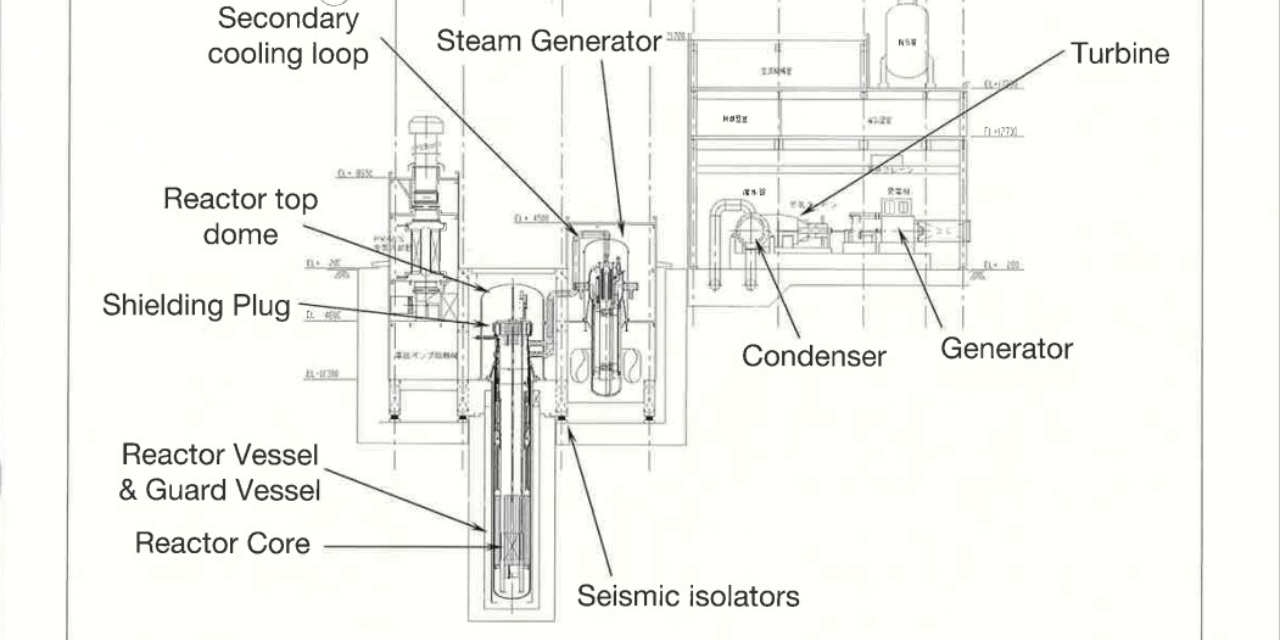
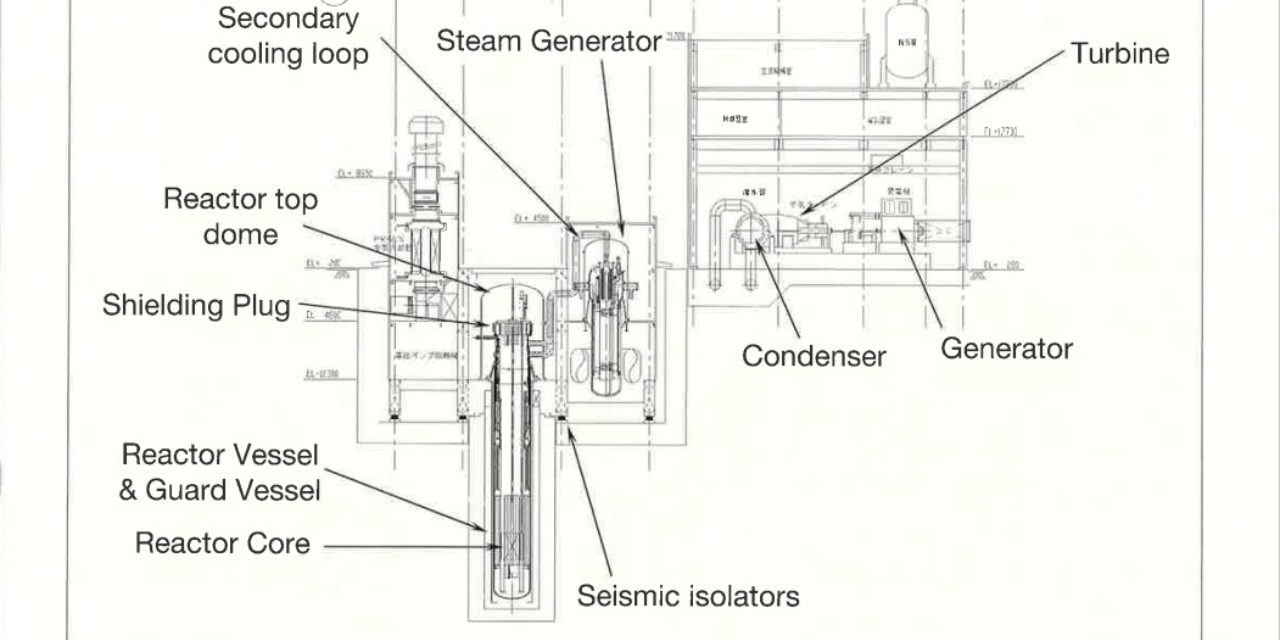
Commercial fusion start-up Zap Energy recently announced that it is pivoting into fission development and “revitalizing” Toshiba’s long-shelved 4S, which was first developed in the early 2000s and is one of the first reactor designs that fits our modern definition of microreactor. Go deeper on Nuclear Newswire.
관련 링크:Oklo has announced
that the NRC approved its principal design criteria topical report for the Aurora Powerhouse in Idaho. Oklo
관련 링크:Terrestrial Energy
and data center and bitcoin mining developer Riot Platforms have announced a collaboration aimed at co-locating data centers and reactors. PR Newswire
관련 링크:Framatome’s Richland
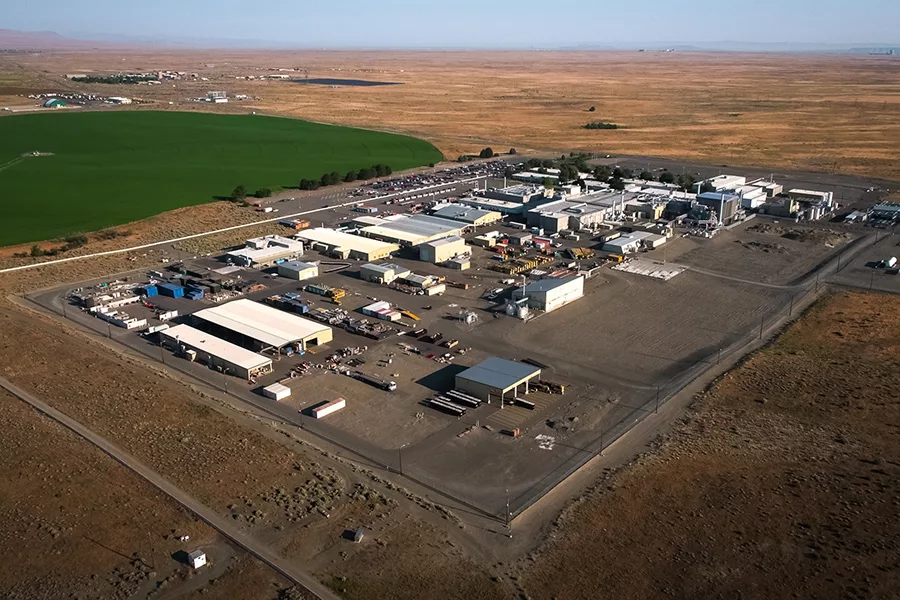
plant received an NRC license expansion, enabling advanced nuclear fuel production, enhancing fuel efficiency, and targeting new technologies for the U.S. nuclear fleet. Tri-Cities Journal of Business
관련 링크:BWXT’s $500M
nuclear fuel plant in Gillette has secured its first customer, Kairos Power, which will also partner with BWXT in TRISO fuel production, bolstering Wyoming’s nuclear ambitions. Cowboy State Daily
관련 링크:As Madison, Wis.
, considers new investment in fusion, Realta CEO Kieran Furlong spoke on what opportunities new fusion facilities could bring to the region. Cap Times
관련 링크:Ralph LaRossa
, CEO of PSEG, discussed how nuclear prospects are looking up in New Jersey with the recent lifting of the state’s moratorium. However, in his view, significant hurdles still remain. Utility Dive
관련 링크:In New Jersey,
Gov. Mikie Sherrill spoke about potentially siting a new nuclear facility near the existing Salem NPP. NJ.com
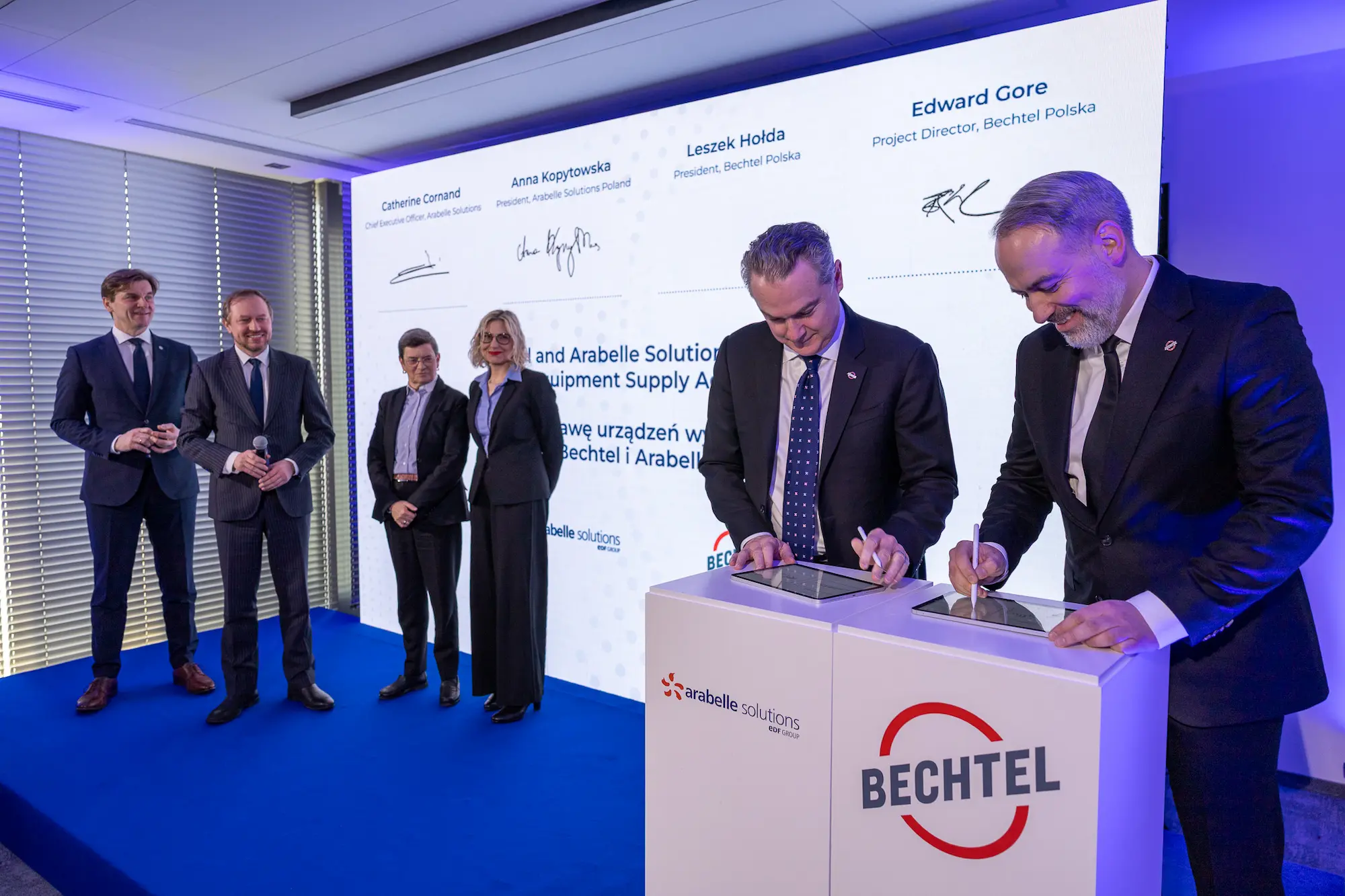
관련 링크:Poland’s PEJ
, Westinghouse, and Bechtel received the 2026 Energy Dominance Deal of the Year award from the Export-Import Bank of the United States. Bechtel
관련 링크:Urenco’s Capenhurst site
successfully trialed LEU+ production, achieving 7% enrichment. This supports advanced reactor designs and accelerates deployment timelines, with commercial availability expected soon. World Nuclear News
관련 링크:TVA’s nuclear power supply
rose to 41% in the first half of FY2026, up from 31% last year. CEO Mike Skaggs prioritizes nuclear, aiming to develop new technologies and collaborate on U.S. nuclear projects. Utility Dive
관련 링크:NERC has issued
a Level 3 alert on data centers’ grid impact, urging new reliability standards to prevent blackouts as demand grows. Full compliance is expected by August. Latitude Media
관련 링크:Idaho spent nuclear fuel facility receives design approval
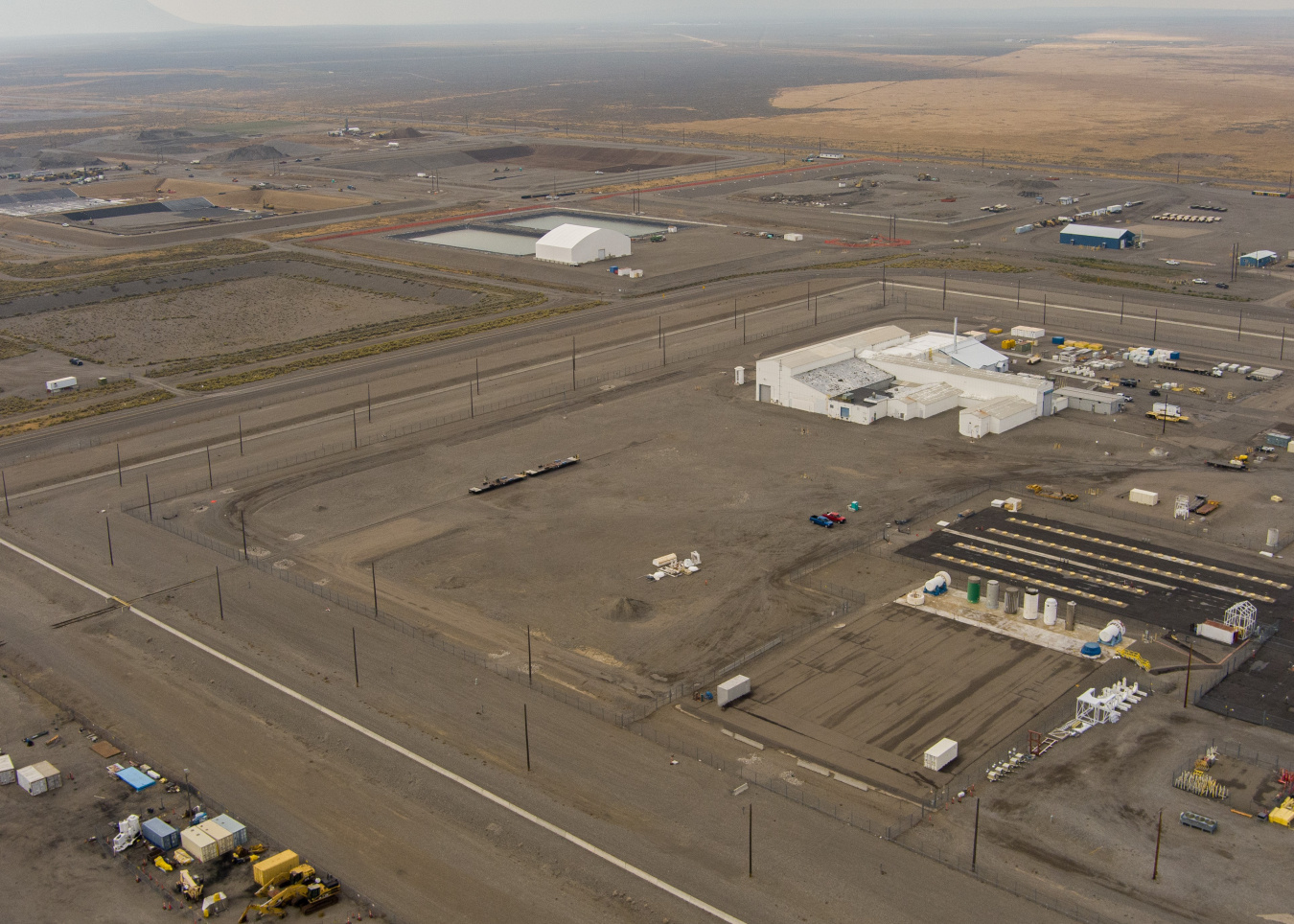
The Department of Energy’s Office of Environmental Management has announced that its Idaho Cleanup Project recently received department approval for the conceptual design for a spent nuclear fuel staging facility project at Idaho National Laboratory. Go deeper on Nuclear Newswire.
관련 링크:NRC to review Radiant R-50 Part 70 license application
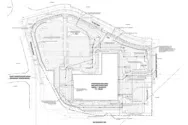
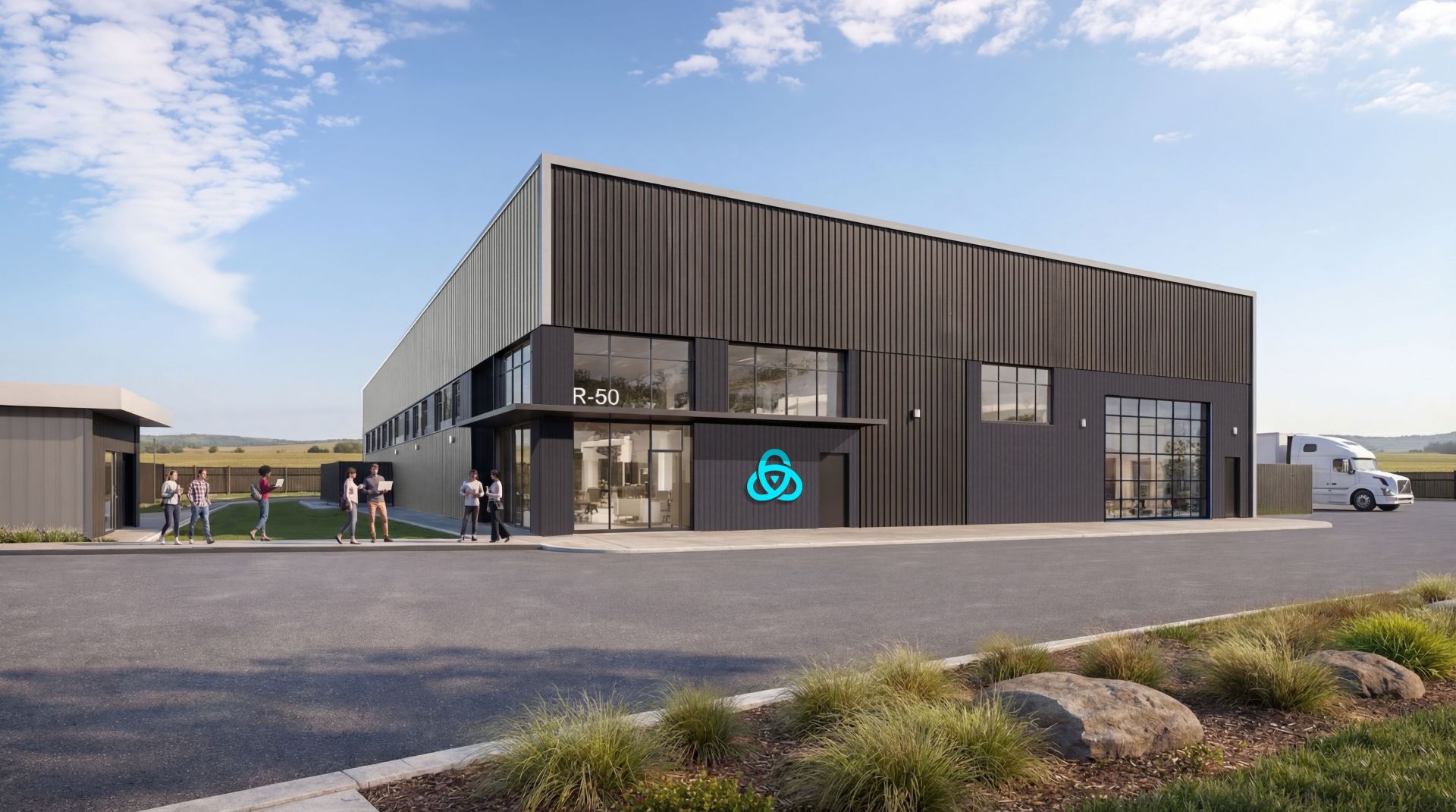
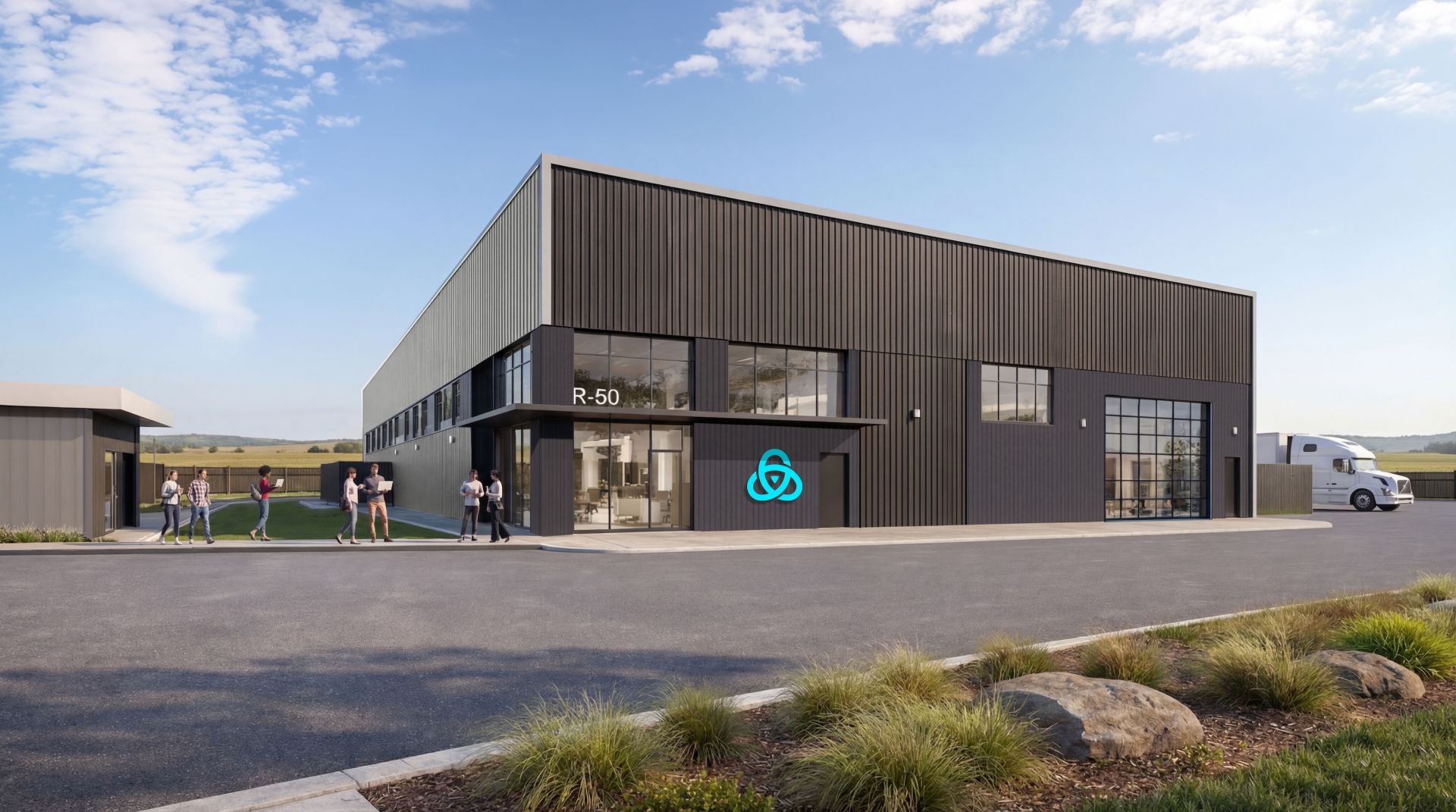
The Nuclear Regulatory Commission has accepted Radiant Industries’ 10 CFR Part 70 license application for its R-50 microreactor production facility in Oak Ridge, Tenn., and will launch an expedited review that it is aiming to complete within eight months. Go deeper on Nuclear Newswire.
관련 링크:Belgium in talks to acquire country’s nuclear power facilities
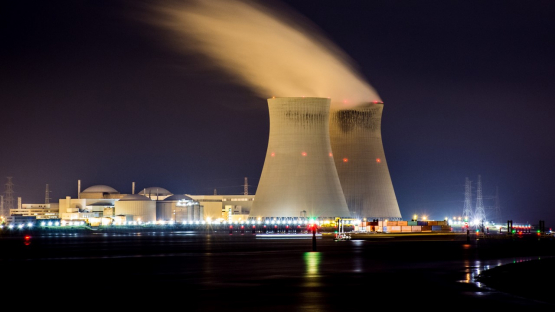
The Belgian government is looking to take control of all seven nuclear reactors in the country in an effort to revitalize a domestic nuclear energy sector that once looked ready to disappear. Belgium, French utility Engie, and its Belgian subsidiary Electrabel signed a letter of intent on April 30 that allows the government to enter exclusive negotiations to potentially acquire all of Engie’s and Electrabel’s nuclear facilities and assets in the European country. Go deeper on Nuclear Newswire.
관련 링크:TBT: Capacity factors in 1990
Over the past two decades, the median capacity factors of the domestic nuclear fleet have hovered around an impressive 90 percent, but this was not always the case. As depicted in the above chart, from 1980 to 1982, the fleet’s median capacity factor was as low as 57.8 percent. About two decades later, in the 2002–2004 range, that number would jump up to 88.38 percent. Taking a look at the capacity factor reporting in the May 1990 issue of Nuclear News—roughly halfway through that massive two-decade rise—gives us a glimpse into how NN was reporting on this steady improvement. Some context: Emerging from a torrent of antinuclear sentiment after the Three Mile Island-2 accident in 1979, the still-young U.S. nuclear fleet left the 1980s with its best performance statistics yet. In fact, NN expressed worry that “the improvement trend may be reaching a plateau, as the best units run out of room to get better and some not-as-good units show sparse results from upgrading efforts encouraged by industry and regulators.” These concerns, it turns out, were more or less unfounded. The so-called best units from 1987–89 had yet to crack 90 percent. In fact, only three units in the whole fleet had even surpassed 85 percent. Today, net capacity factors as “low” as 85 percent would put a unit among the worst performing reactors in the U.S. fleet. In the 1987–89 single-unit rankings, Prairie Island-2 came in at the very top of the list with a capacity factor of 87.6 percent. If placed on the 2023–25 list, it would come in 72nd place out of 92 units. Who to thank: Despite some trepidation about sustaining improvements into the future, NN was overall celebratory in 1990 and attributed the industry’s upward trend to three main causes: “the self-help available through the Institute of Nuclear Power Operations; the shift in emphasis of the nuclear industry from hardware manufacture to services intended to support the operation of existing plants; and the added attention of the Nuclear Regulatory Commission, though some licensees might dispute whether this has been beneficial.” Go deeper: To explore more about the capacity factors of the nuclear industry at the end of the 20th century, read the May 1990 issue of NN. For a more up-to-date check in how the fleet is doing, read “U.S. nuclear capacity factors: More power on order,” in this month’s issue of NN.
관련 링크:--- 크롤링 일시: 2026-05-08 03:00:21