Nuclear News Daily—4/29: Launch pad selections / 3 by 33 campaign / St. Lucie SLRs
발행일
Apr 29, 2026
미리보기
In this issue: The launch of the Nuclear Dominance—3 by 33 campaign, selections for NRIC’s Nuclear Energy Launch Pad, St. Lucie gets its SLRs, Commonwealth Fusion Systems files with PJM, and more. Workforce Wednesday: We are excited to announce a new...
도입부: In this issue: The launch of the Nuclear Dominance—3 by 33 campaign, selections for NRIC’s Nuclear Energy Launch Pad, St. Lucie gets its SLRs, Commonwealth Fusion Systems files with PJM, and more.
DOE selects first companies for nuclear launch pad
The Department of Energy’s Office of Nuclear Energy and the National Reactor Innovation Center have announced their first selections for the Nuclear Energy Launch Pad: three companies developing microreactors and one developing fuel supply. Go deeper on Nuclear Newswire.
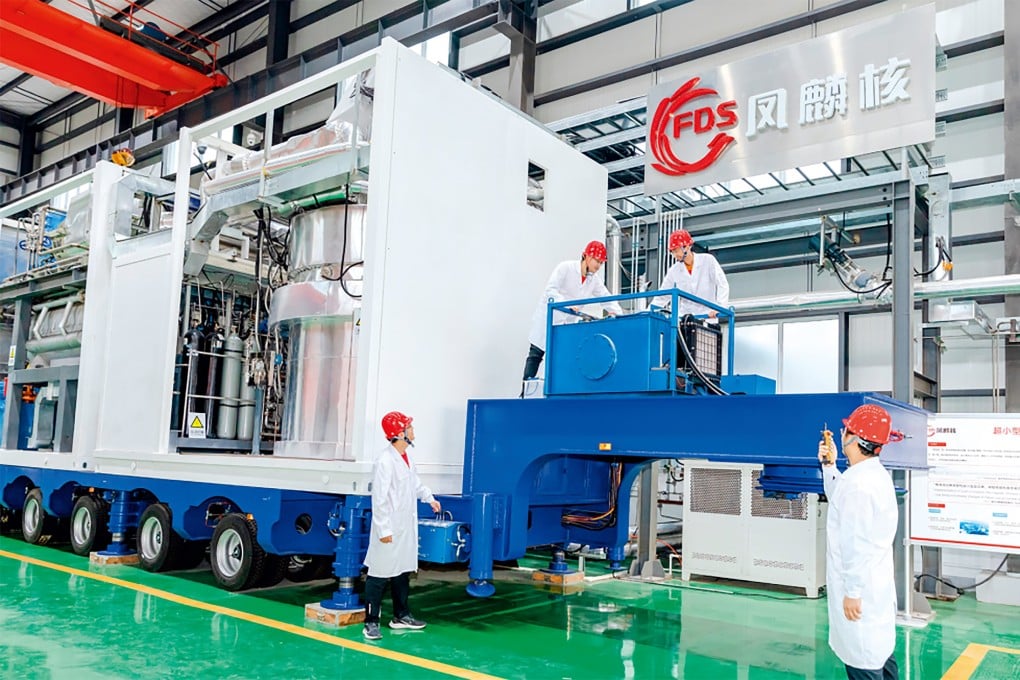
a truck-mounted nuclear reactor capable of generating up to 10 MW, enough to power AI data centers, addressing “battery anxiety” with long-lasting, compact, and safe energy. South China Morning Post
announced that it has formally filed a request with grid operator PJM to connect its planned fusion power plant in Virginia—a first for a fusion developer. Axios; Scientific American
, a former TVA nuclear executive, is coming out of retirement to serves as interim CEO of TVA after Don Maul officially retires this summer. Chattanooga Times Free Press (subscription required)
are adjusting to the idea of a microreactor at Buckley Space Force Base, with mixed reactions. While some favor the project, concerns linger about local infrastructure needs and potential impacts. Axios
to establish a nuclear sector in Brigham City, starting with a workforce training center and manufacturing plant, followed by SMRs. Salt Lake Tribune (subscription required)
has begun loading fuel into the first reactor at Bangladesh’s Rooppur—the country’s first NPP. Officials expect Rooppur-1 to enter full operation in 2027. Reuters (subscription required)
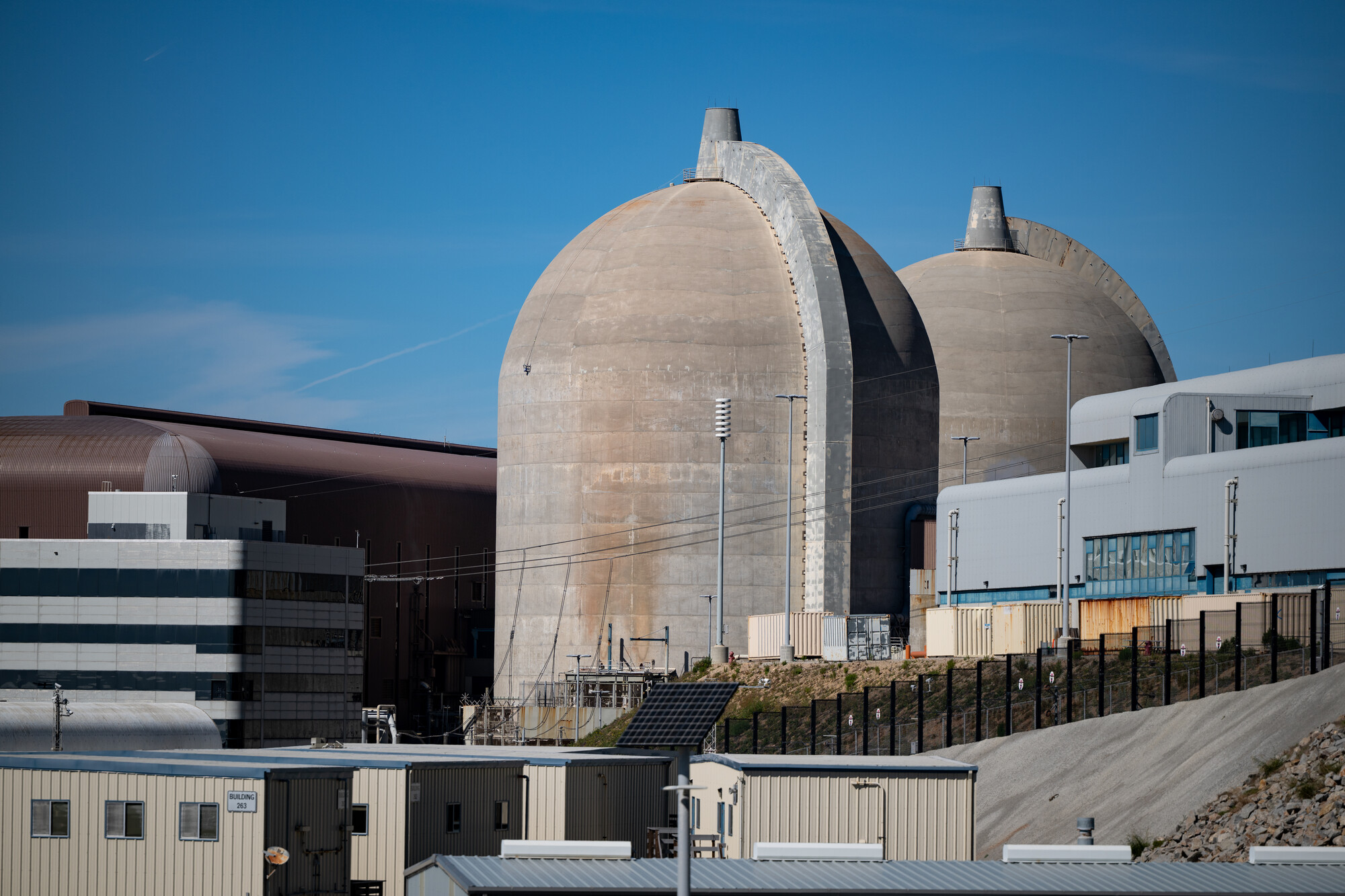
comes with a striking set of new photos featuring the facility’s control room, dry storage casks, water reservoir, turbine deck, and the nearby home of hundreds of sea lions and seals. KQED
In quickest review, NRC approves 20-year renewal for Robinson
The Nuclear Regulatory Commission has renewed the Robinson nuclear power plant’s operating license in record time. The subsequent license renewal process for the facility was completed within 12 months. The process has typically taken 18 months. Go deeper on Nuclear Newswire.
DOE consortium begins new initiative aimed at growing fuel cycle
The U.S Department of Energy’s Office of Nuclear Energy, through its Defense Production Act (DPA) Nuclear Fuel Cycle Consortium, has begun a new initiative aimed at securing the nation’s nuclear fuel supply chain called the Nuclear Dominance—3 by 33 campaign. Go deeper on Nuclear Newswire.
Access anywhere, anytime: Nuclear power, Ice Camp, and Rickover’s enduring standard of excellence
As U.S. Navy submarines surface through Arctic ice during Ice Camp 2026, they demonstrate more than operational proficiency in one of the harshest environments on Earth. They reaffirm a technological truth first proven in August 1958, when the USS Nautilus completed its submerged transit of the North Pole: nuclear power enables access anywhere, anytime. Go deeper on Nuclear Newswire.
2026년 2월 13일 산루이스오비스포에 위치한 디아블로 캐년 발전소(Diablo Canyon Power Plant). 캘리포니아 유일의 가동 중인 원자력 발전소다. 이 발전소의 수명 연장 논의가 새크라멘토에서 재개되면서 모든 시선이 집중되고 있다. 그런데 내부는 어떤 모습일까? (베스 라버지(Beth LaBerge)/KQED)
_캘리포니아는 청정 에너지로의 전환을 추진 중입니다. KQED는 이것이 여러분에게 어떤 의미인지 보도하고 있습니다. 무엇이 효과적인가? 무엇이 효과적이지 않은가? 비용은 얼마인가?_ _오늘 기부__하여 이러한 답을 찾는 데 도움을 주세요._
불과 몇 년 전만 해도 이 발전소는 폐쇄될 예정이었고, 직원들은 폐로 작업을 진행하고 있었다. 그러나 개빈 뉴섬(Gavin Newsom) 주지사가 2022년 방향을 전환하면서 주는 운영을 2030년까지 연장했다. 이제 새크라멘토의 입법자들은 잠재적으로 2045년까지 더 오래 운영하는 방안을 논의하고 있다.
하지만 일부 지역 단체들은 발전소 건설 당시부터 반대 시위를 벌여온 단체들로, 안전 문제와 치명적인 노심 용융, 그리고 여러 지진 단층선 인근 부지에 보관된 사용후 핵폐기물이 초래하는 위험에 대한 우려의 목소리를 한층 높이고 있다.
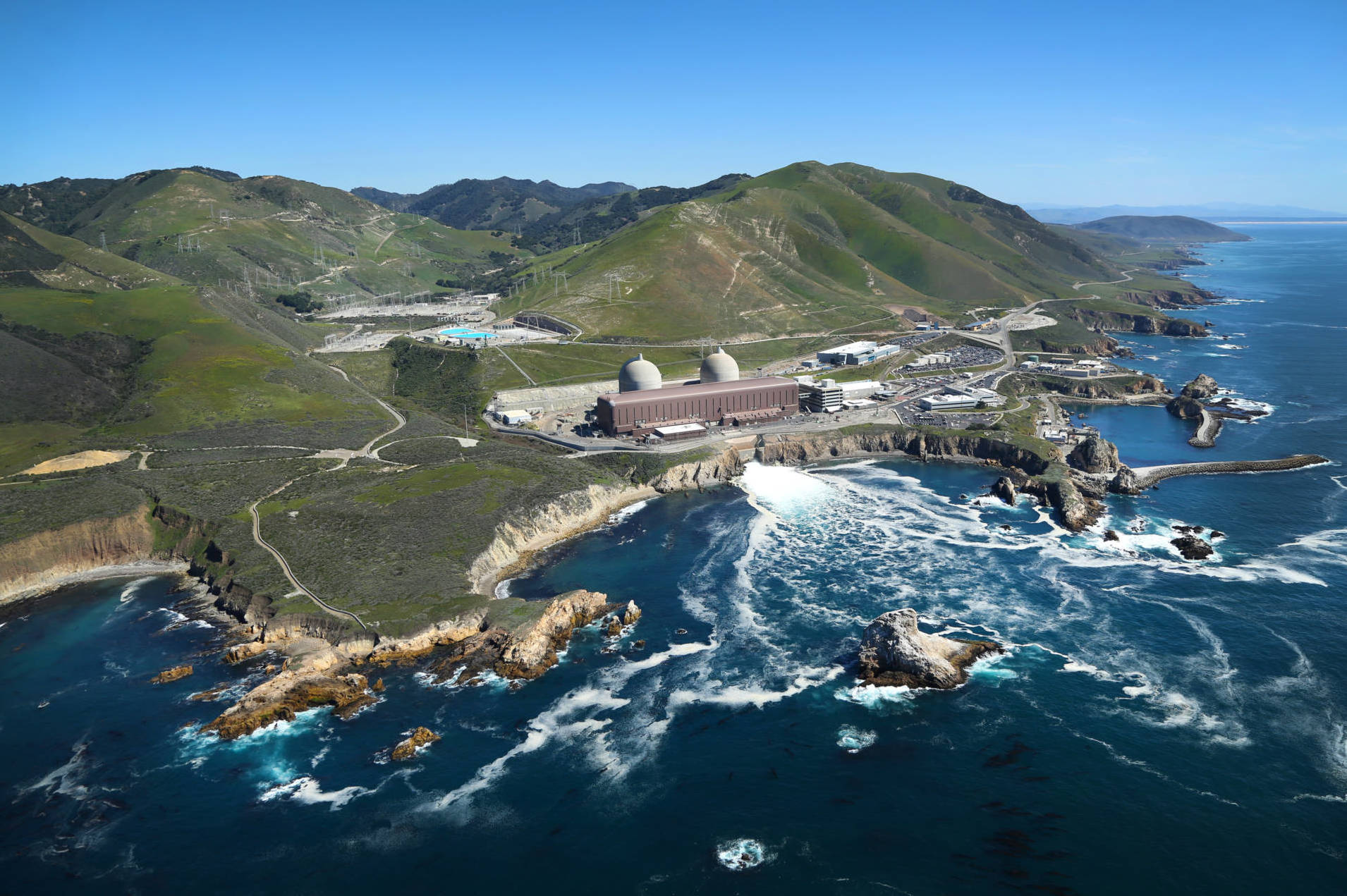
산루이스오비스포 카운티 아빌라 비치의 태평양 연안에 위치한 디아블로 캐년 원자력 발전소(Diablo Canyon Nuclear Power Plant) 항공 사진. (PG&E 제공)
한편 학계에서는 디아블로 캐년의 운영 유지에 드는 비용과 이것이 주의 청정 에너지 전환을 지지할지 아니면 저해할지에 대해 활발한 분석이 이루어지고 있다. 그리고 기업 단체들은 지지 대열에 합류하고 있다.
그래서 PG&E가 올해 초 언론 취재진을 대상으로 견학 투어를 제공했을 때 KQED가 이에 응했다. 이 원자력 발전소가 이토록 큰 주목을 받은 것은 수년 만의 일이지만, 이제 다시 한번 모든 시선이 디아블로 캐년에 쏠리고 있다. 내부는 어떤 모습일까?
수면 위에서
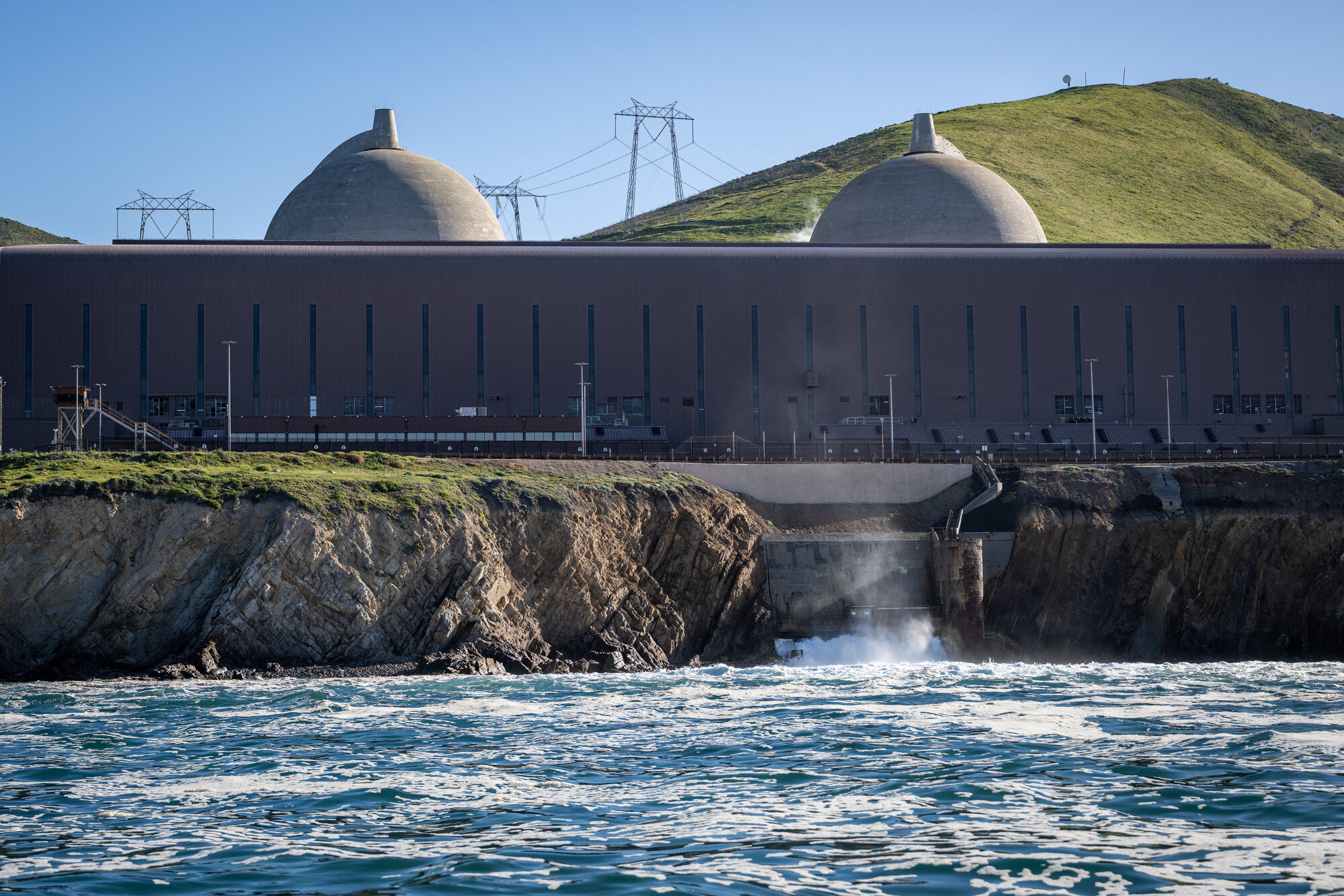
PG&E의 디아블로 캐니언 원자력발전소(Diablo Canyon Power Plant) 투어는 원자로 바로 남쪽에 위치한 보호 마리나의 보트 위에서 시작되었다. 이곳과 방파제 바로 바깥의 또 다른 작은 만은 발전소 냉각 시스템의 핵심 시설이 있는 장소이기도 하다 — 그리고 환경론자들에게는 주요 우려 사항이기도 한데, 이들은 이 시스템이 해양 생물을 빨아들여 죽인다고 주장하며 캘리포니아 해안에서 "가장 파괴적인 시설"이라고 부른다.
디아블로 코브(Diablo Cove)에 손을 담가 보면, 이 지역 해양의 냉랭한 기준 온도와 달리 물이 미지근하다.
PG&E의 규제 및 환경 수석 이사 톰 존스(Tom Jones)가 2026년 2월 13일 산루이스오비스포(San Luis Obispo)의 디아블로 캐니언 원자력발전소 인근에서 보트를 조종하고 있다. (베스 라버지(Beth LaBerge)/KQED)
이는 디아블로 캐니언이 장비 냉각을 위해 매일 20억~25억 갤런의 해수를 — 올림픽 규격 수영장 3,000개 이상을 채울 수 있는 양 — 끌어들인 후, 보통 16~17도 더 뜨거운 상태로 해양에 다시 방류하기 때문이다.
따뜻해진 물 때문에 마치 캘리포니아 남부 해안의 일부가 잘려 북쪽으로 옮겨진 것 같은 느낌이 든다.
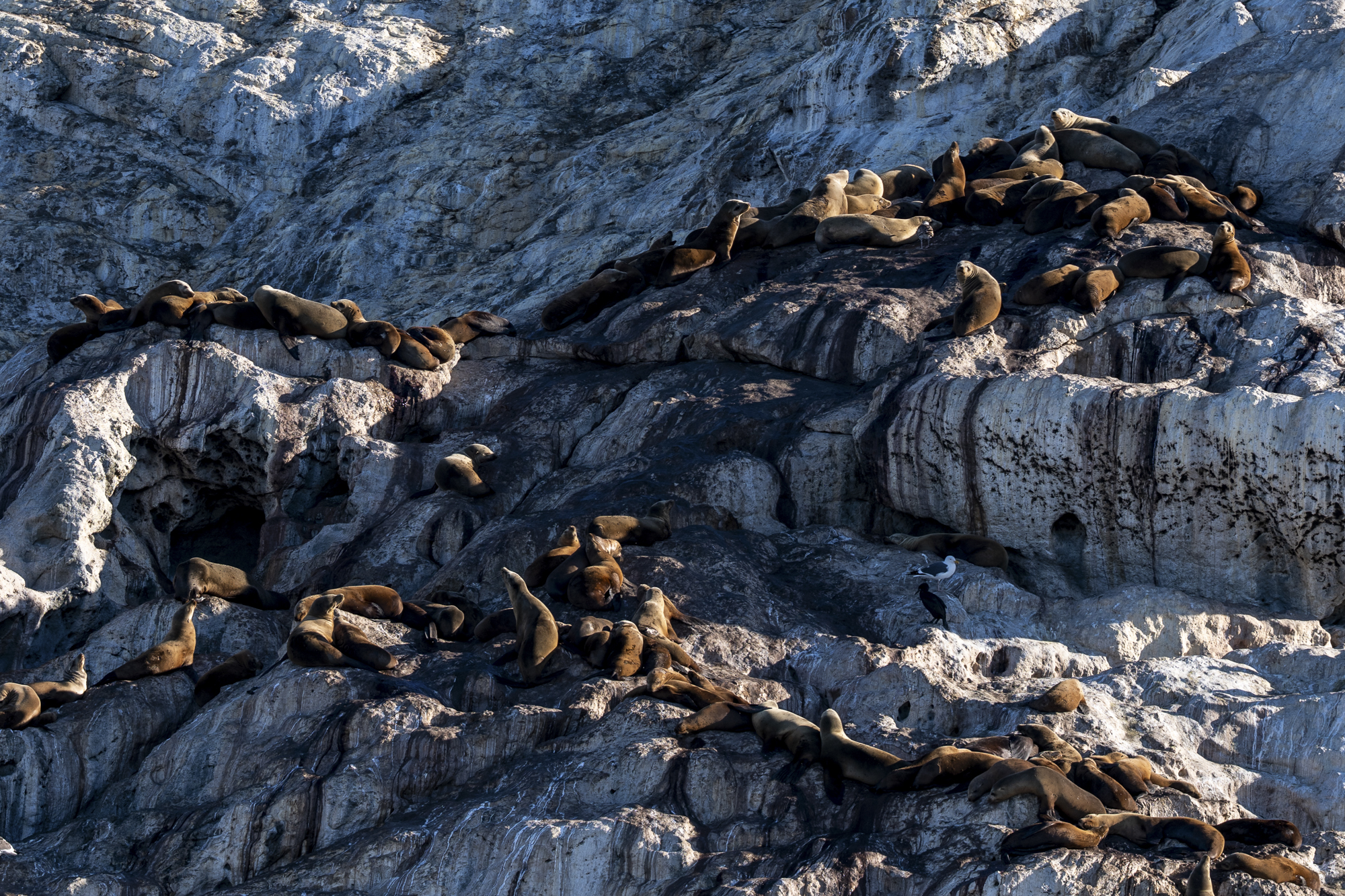
수면 위에는 동물들의 활발한 움직임이 넘쳤다. 둥실 떠 있는 해달과 바위 위에서 일광욕을 즐기는 통통한 물개들의 모습이 보였다.
2026년 2월 13일, 산루이스오비스포의 디아블로 캐니언 원자력발전소. 캘리포니아 주의 유일한 가동 중인 원자력발전소이다. (베스 라버지(Beth LaBerge)/KQED)
다른 종들도 있었다 — 농어, 가오리, 그리고 캘리포니아 주어(州魚)인 가리발디(garibaldi)가 그것인데, 이 물고기는 원래 캘리포니아 해안의 더 남쪽에 서식하지만 이곳으로 이동해 왔다.
디아블로 캐니언 직원들은 따뜻한 물이 환경에 실질적인 변화를 일으키지 않는다고 밝혔다. 발전소로부터 2,000야드 이내에서는 낚시 및 기타 활동이 금지되어 있기 때문에, 이곳은 "사실상의 해양 보호구역"이라고 디아블로 캐니언의 미래 계획 담당 수석 이사 톰 존스(Tom Jones)는 말했다.
그러나 캘리포니아 해안위원회(California Coastal Commission) — 해안선과 자연 자원 보호를 담당하는 주(州) 기관 — 는 2025년 보고서에서 발전소의 냉각 시스템이 매년 약 20억 마리의 치어(稚魚)를 죽이며, 측정되지 않는 다른 생물체도 추가로 피해를 입는다고 밝혔다.
2026년 2월 13일, 산루이스오비스포 디아블로 캐니언 원자력발전소 인근의 라이언 록(Lion Rock). 수백 마리의 캘리포니아 바다사자, 항구물범, 바닷새의 서식지이다. (베스 라버지(Beth LaBerge)/KQED)
위원회는 디아블로 코브에 성체 개체군이 풍부하게 존재할 수 있으나, 성체는 산란 장소에서 멀리 떨어진 곳에 나타나는 경우가 많으며, 이곳에서의 존재는 인근의 풍요로운 해양 서식지 덕분일 수 있다고 기술했다.
위원회는 또한 디아블로 캐니언 인근에서 알과 유생을 제거하면 발전소로부터 수십 마일 떨어진 곳의 종(種)이 "현저히 감소"하는 결과를 초래한다고 경고했다.
위원회는 "이 플랑크톤성 생물들은"이라고 기술하며, "캘리포니아 연안 해역 먹이 사슬의 기반을 이룬다"고 덧붙였다.
터빈 갑판으로
우리는 안전모와 안전 장비를 착용하고 강화된 보안을 통과하여 원자력 반응로에 더 가까운 공간으로 구성된 "보호 구역"에 진입했다.
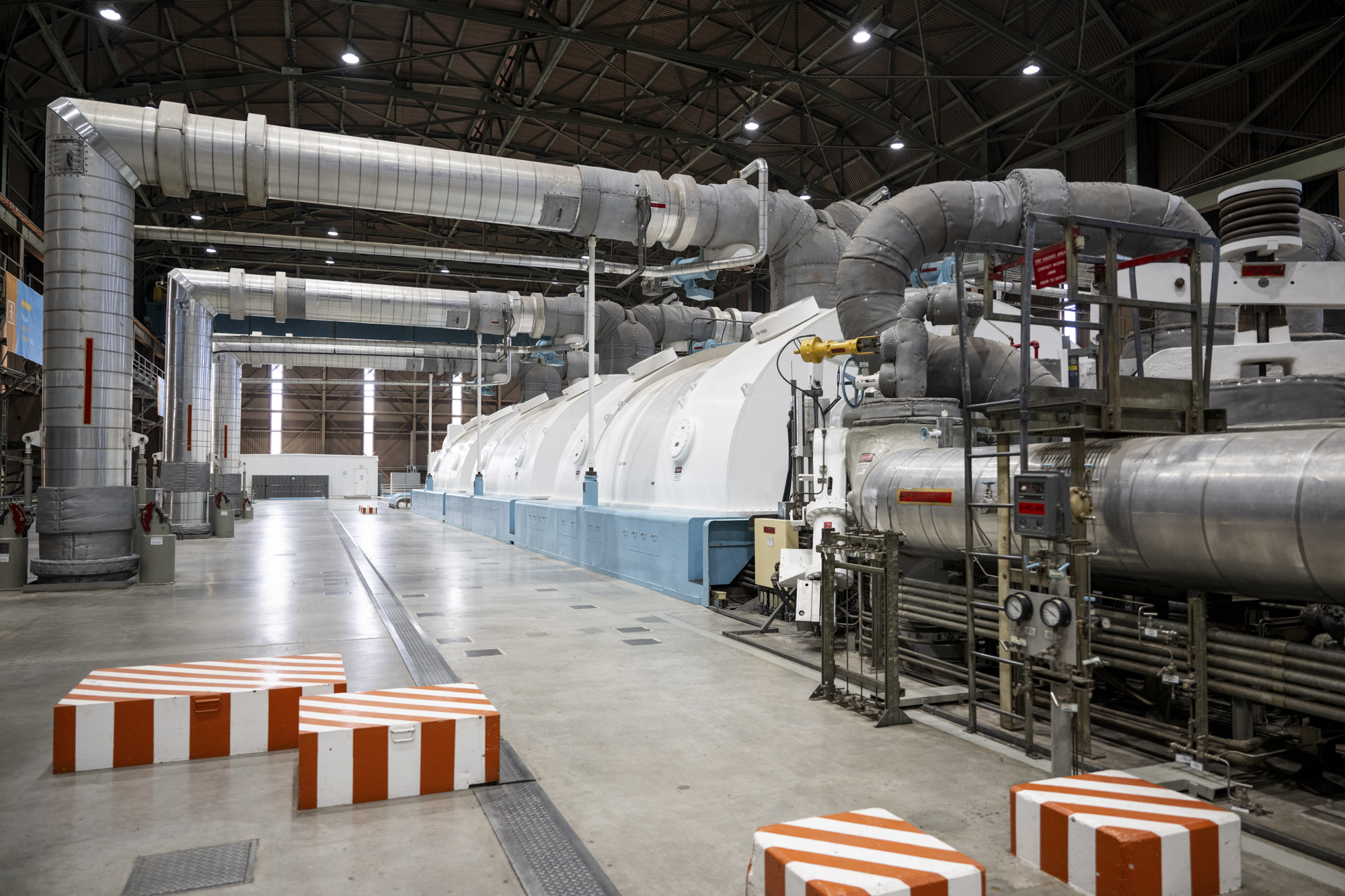
우리는 두 개 반의 미식축구 경기장 크기의 산업용 건물인 터빈 갑판에 들어섰다. 갑판 위는 덥고 시끄러웠으며, 발밑에는 약한 진동이 느껴졌다.
2026년 2월 13일, 캘리포니아주 샌루이스오비스포에 위치한 디아블로 캐니언 원자력 발전소의 터빈 갑판. 캘리포니아주 유일의 가동 중인 원자력 발전소이다. (베스 라버지(Beth LaBerge)/KQED)
내부의 증기 구동 터빈은 수평으로 반으로 자른 강철 파이프처럼 생긴 거대한 반원통 형태로, 발전기를 회전시켜 전기를 생산한다.
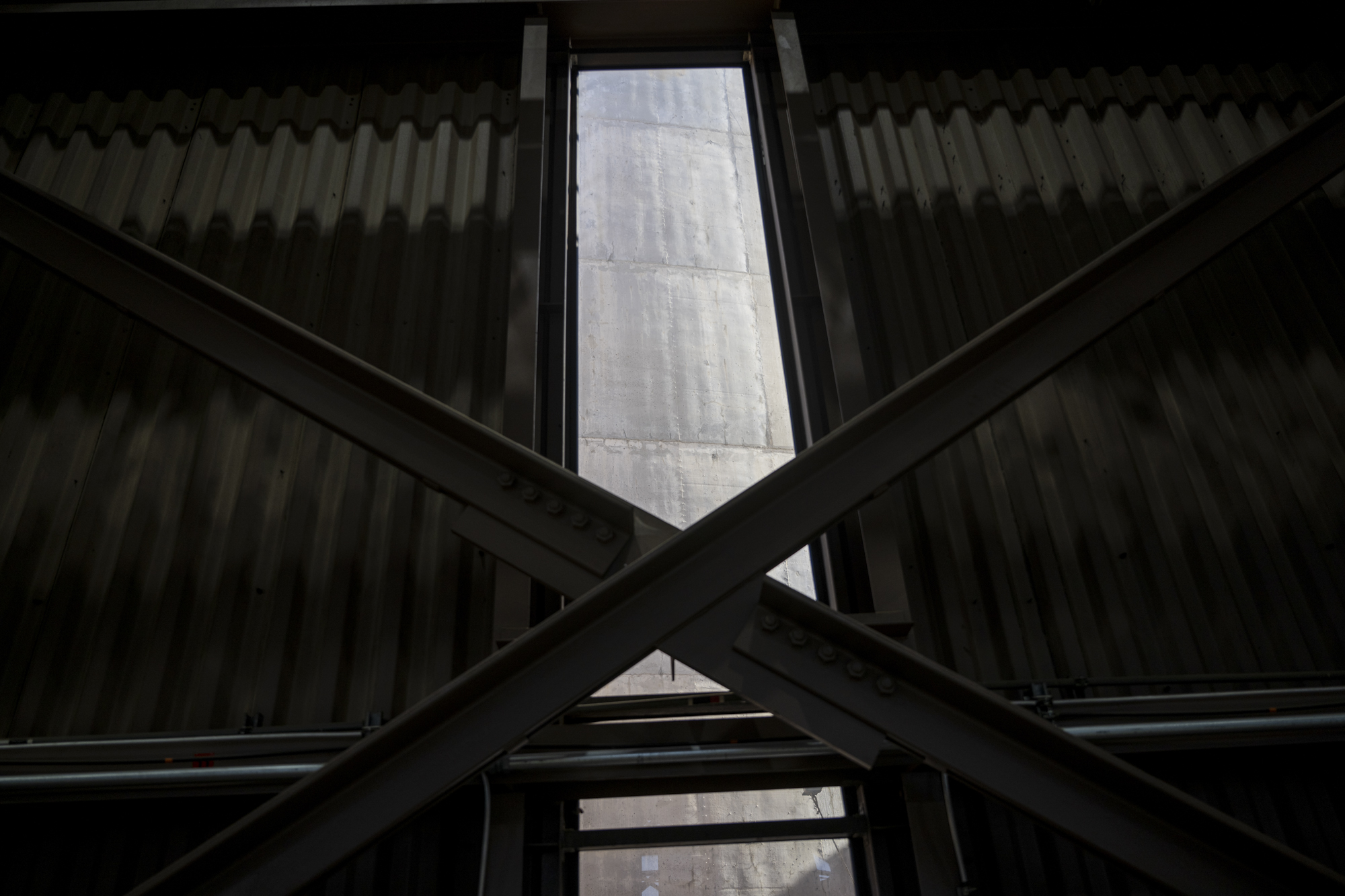
PG&E 안내원은 창문 너머로 격납 돔을 가리키며, 그 안에서 우라늄 원자가 분열하여 엄청난 양의 열이 방출된다고 설명했다.
2026년 2월 13일, 캘리포니아주 샌루이스오비스포에 위치한 디아블로 캐니언 원자력 발전소의 터빈 건물에서 바라본 원자로 격납 건물. 캘리포니아주 유일의 가동 중인 원자력 발전소이다. (베스 라버지(Beth LaBerge)/KQED)
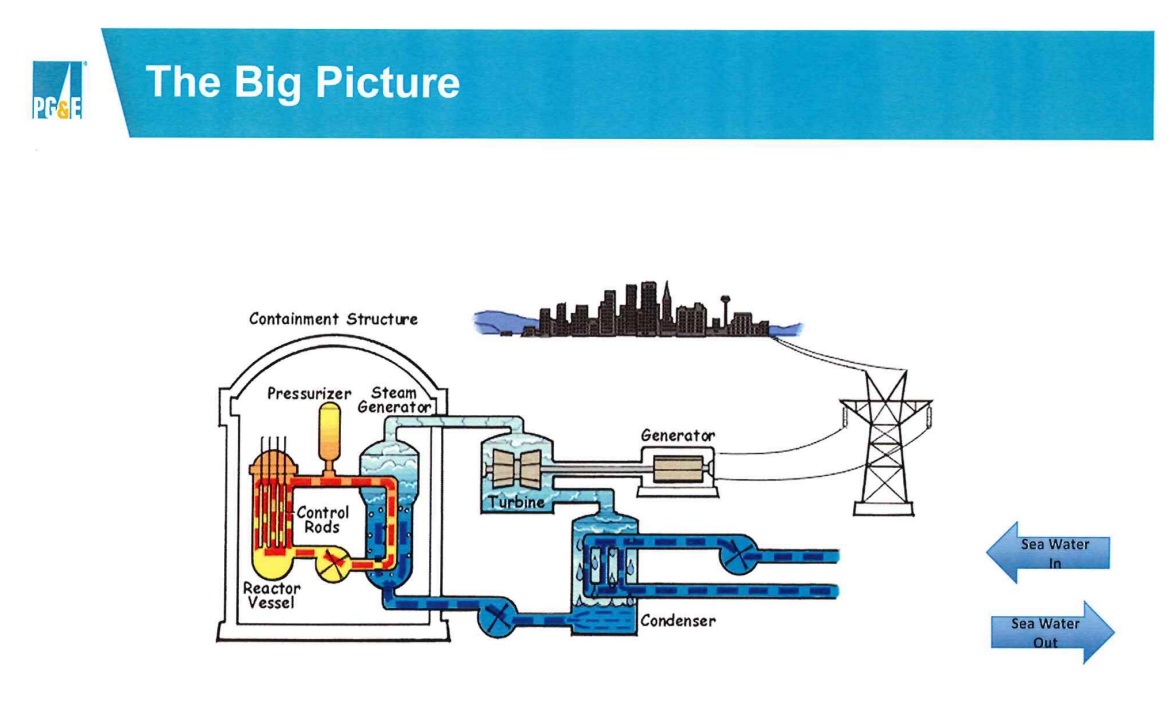
이어 연쇄 반응이 일어난다. 열이 물을 가열하여 증기를 만들고, 증기가 파이프를 통해 이동하여 터빈을 돌리며, 터빈이 발전기에 연결되어 전기를 생산하고, 이 전기는 전력망을 통해 약 300만 명의 캘리포니아 주민에게 공급된다.
원자력은 주 에너지 공급량의 약 9%를 생산하며, 가스, 수력, 태양광, 풍력, 지열, 심지어 소량의 석탄을 포함한 에너지 믹스의 일부를 구성한다.
디아블로 캐니언의 전력 생산 현황. (PG&E 제공)
캘리포니아의 전력 수요는 수년간 정체 상태였지만, 현재는 전기차 보급, 가스 기기의 전기 기기 교체, 데이터 센터 확산으로 인해 증가하고 있다.
디아블로 캐니언을 계속 가동하려는 논의는 부분적으로 이러한 수요 증가에 의해 촉발되고 있다. PG&E의 수석 부사장 겸 최고 리스크 책임자인 모린 자왈릭(Maureen Zawalick)은 터빈 갑판에 들어서면 이 모든 전력의 최종 용도가 떠오른다고 말했다. "병원의 안전, 신장 투석, 신호등, 그리고 다른 모든 것들이요."
20세기 캘리포니아의 성장은 화석 연료를 기반으로 이루어졌지만, 주 지도자들은 태양광과 풍력 같은 재생 에너지 확대와 잉여 전력 저장을 위한 배터리를 통해 미래를 이끌어 나갈 것으로 보고 있다.
2020년 폭염으로 캘리포니아 전력망이 압박을 받아 순환 정전이 발생했을 때, 주 의회와 뉴섬(Newsom) 주지사는 디아블로 캐니언의 운영 연장에 찬성표를 던졌다.
현재 전기 요금이 계속 오르고 수요는 증가할 것으로 전망되는 가운데, 지지자들은 발전소를 더 오래 가동하는 것이 캘리포니아가 위태로운 줄타기의 중간을 비틀거리며 건너는 데 도움이 될 수 있다고 주장한다.
시뮬레이터
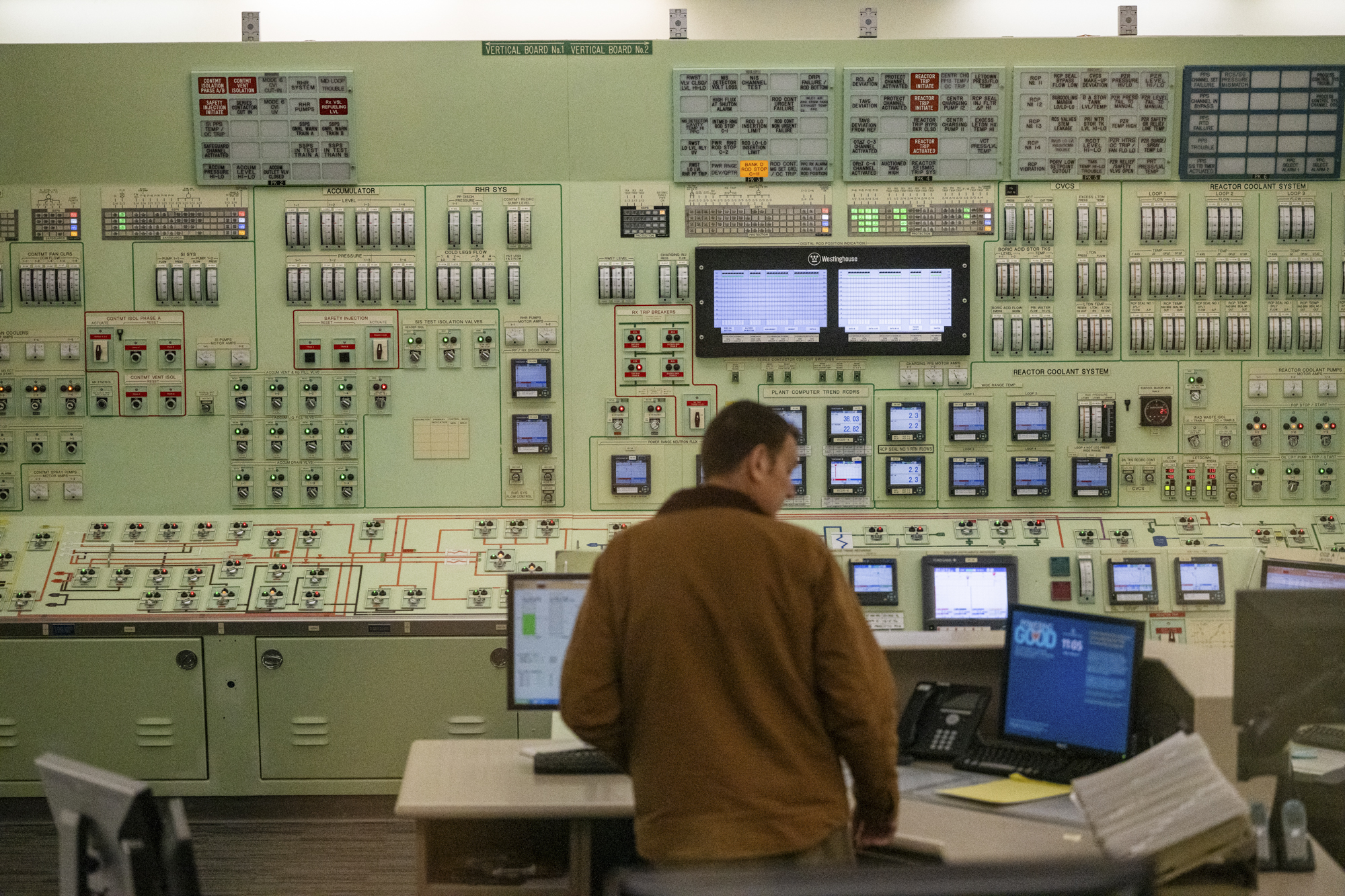
우리는 안전 장비를 벗고 교실과 시뮬레이터라고 불리는 제어실의 정확한 복제품이 있는 훈련 건물로 향했다.
직원들이 반원형의 수직 패널에 있는 스위치, 조명, 화면을 조작하며 훈련 연습을 완료하는 동안 다시 시원하고 조용해졌다. 자왈리크(Zawalick)는 시뮬레이터의 해초색 벽이 평온함을 불러일으키기 위한 것이라고 말했지만, 시뮬레이터의 존재 자체는 미국 다른 지역에서 발생한 원자력 재해에 기인한다.
2026년 2월 13일, 캘리포니아 주의 유일한 가동 중인 원자력 발전소인 샌루이스오비스포의 디아블로 캐니언 원자력 발전소(Diablo Canyon Power Plant) 훈련 시설. (베스 라버지(Beth LaBerge)/KQED)
시뮬레이터는 펜실베이니아에서 발생한 스리마일 아일랜드(Three Mile Island) 원자력 사고 이후 1979년에 모든 원자력 발전소의 필수 요건이 되었다. 부분 노심 용융은 미국 역사상 가장 심각한 원자력 사고로, 인적 및 장비 결함 모두로 인해 발생했다.
디아블로 캐니언의 실제 제어실 복제품에서 연습하는 것은 다양한 비상 상황을 처리할 수 있는 근육 기억을 직원들에게 훈련시키기 위한 것이다.
직원들은 계획된 연료 보충부터 일상적인 유지 보수, 대형 비상 상황에 이르기까지 모든 것을 훈련하기 위해 디아블로 캐니언 시뮬레이터에서 근무 시간의 20%를 보낸다.
사용후핵연료
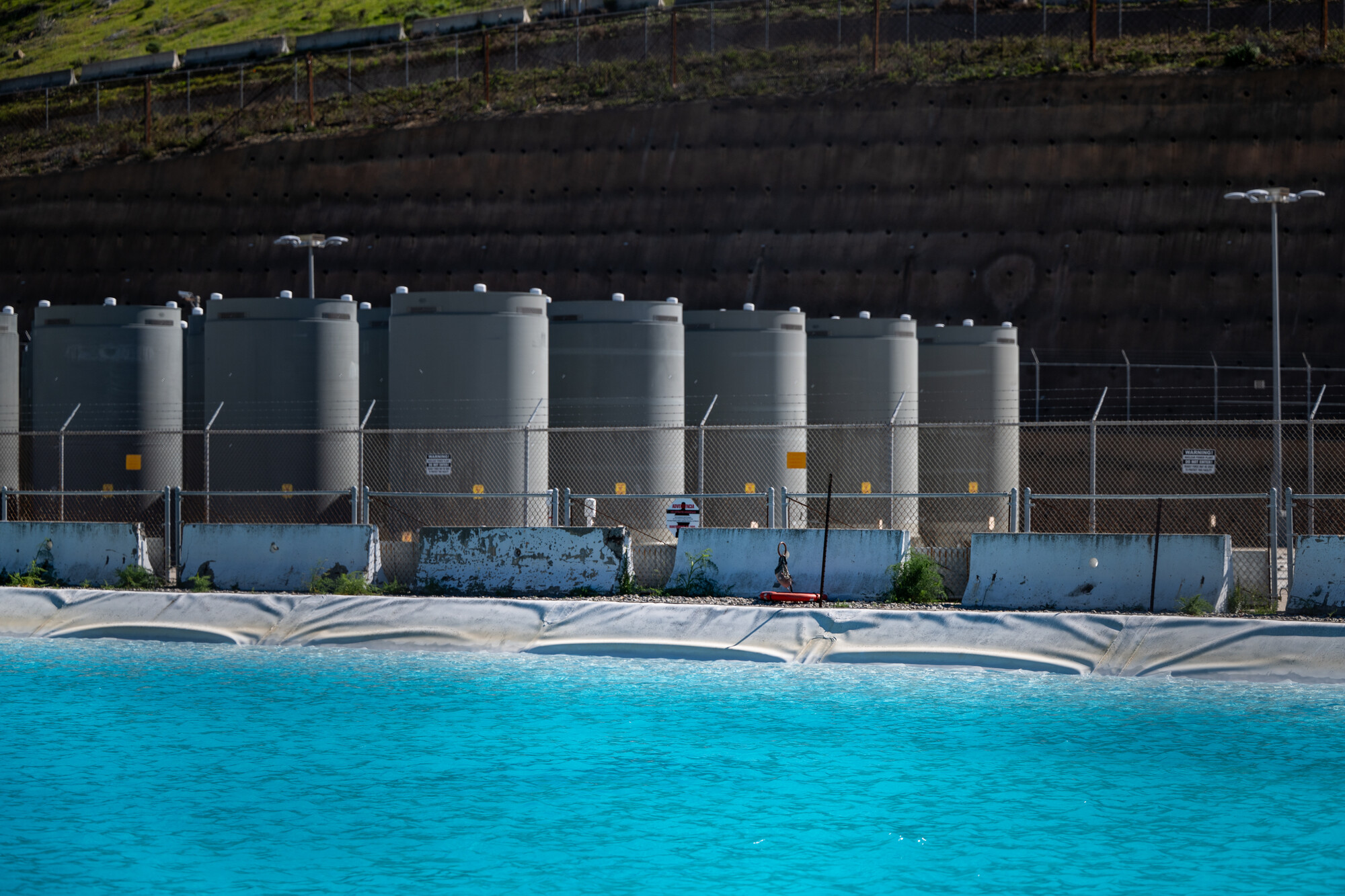
투어를 마무리하기 위해, 우리는 언덕을 올라 바다에서 더 멀어지며 사용후핵연료를 담고 있는 거대한 콘크리트 실린더 수십 개를 찾았다. 이것을 "건식 저장 용기(dry casks)"라고 부른다.
이 원자력 물질은 지진이나 테러 공격이 저장 시설을 불안정하게 만들어 방사성 폐기물을 바다나 인근 지역사회로 흩뿌릴 수 있다고 우려하는 지역 주민 단체들의 걱정거리다. 인근 주민들은 매년 비상 대비문서를 우편으로 받으며, 갑상선을 방사선으로부터 보호하는 요오드화칼륨 무료 용량을 받을 수 있다.
캘리포니아주 유일의 현역 원자력 발전소인 샌루이스오비스포 디아블로 캐니언 원자력 발전소에서 2026년 2월 13일 촬영. 담수화된 해수가 담긴 원수 저수지 뒤편 건식 저장 시설에 보관된 사용후핵연료. (베스 라버지(Beth LaBerge)/KQED)
린다 실리(Linda Seeley)는 반원자력 비영리단체 '평화를 위한 어머니회(Mothers for Peace)'의 회원으로서 수십 년간 디아블로 캐니언에 반대하는 운동을 펼쳐왔다.
"핵폐기물이 독성이 없고, 미래 천 세대에 치명적이지 않다면 얼마나 좋겠어요. 하지만 그건 사실이 아니에요. 사실은 독성이 있다는 거예요"라고 그녀는 말했다.
연료가 발전소 내부에서 사용되고 나면 방사선 수치가 위험할 정도로 높아져 노출된 사람을 몇 분 안에 사망에 이르게 할 가능성이 있다.
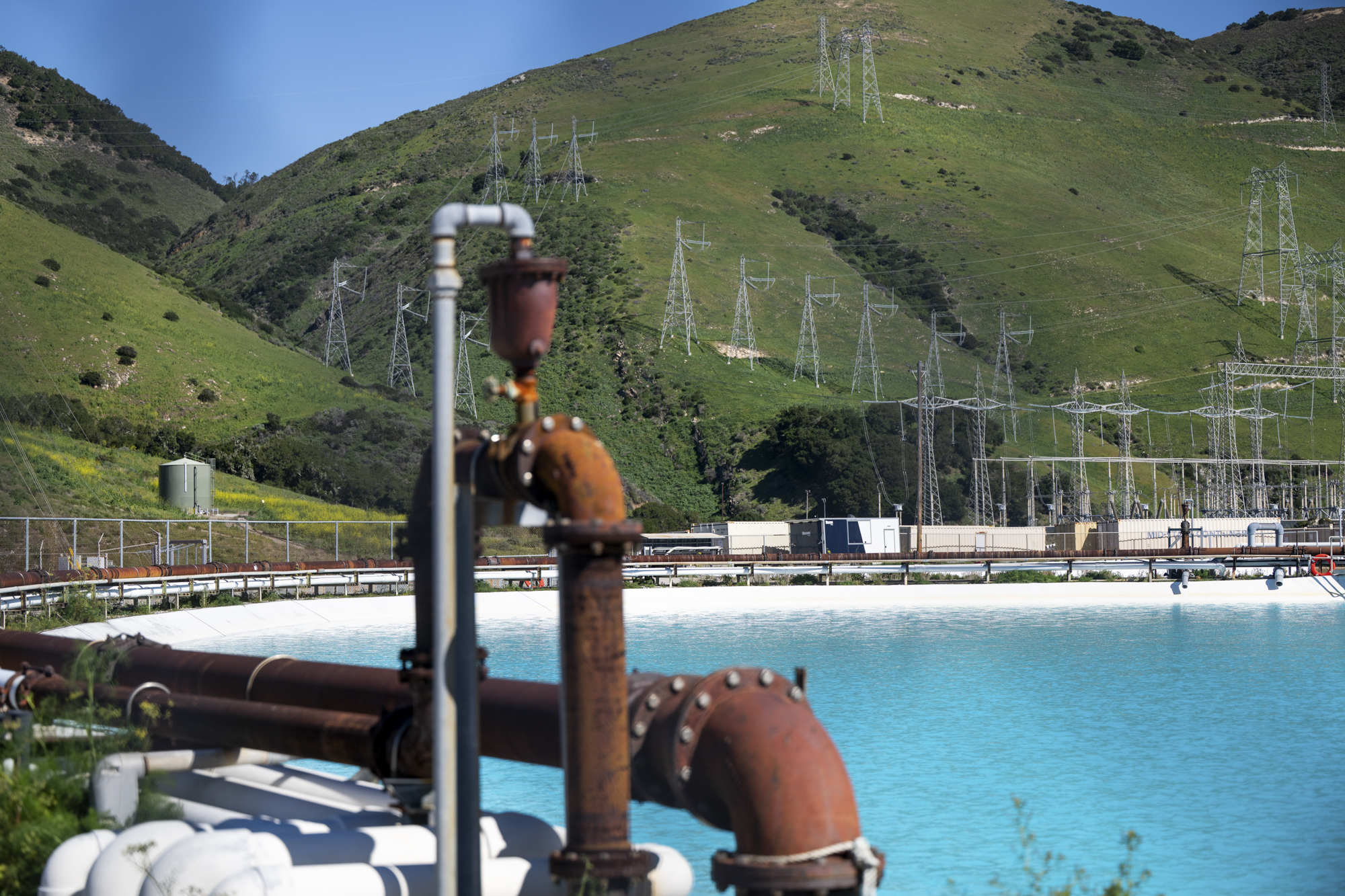
캘리포니아주 유일의 현역 원자력 발전소인 샌루이스오비스포 디아블로 캐니언 원자력 발전소에서 2026년 2월 13일 촬영한 담수화된 해수가 담긴 원수 저수지. (베스 라버지(Beth LaBerge)/KQED)
사용후핵연료는 화학물질로 처리된 대형 수조인 "습식 저장 시설"에서 7~10년을 보낸다. 이 액체는 높은 방사선 수준을 지닌 우라늄의 열과 붕괴를 흡수한다.
그런 다음 원자력 물질은 높이 약 6미터(20피트)의 이중 라이닝 스테인리스강 강화 건식 저장 용기에 포장된다. 각 용기는 지진을 견디도록 설계된 두께 2.3미터(7.5피트)의 철근 콘크리트 패드에 볼트로 고정된다. 이 연료는 수만 년 동안 특수 취급이 필요하다.
디아블로 캐니언은 발전소에 대한 주요 지진 위험을 제기하는 호스그리(Hosgri) 단층에서 약 5.6킬로미터(3.5마일) 떨어진 곳에 위치해 있다. 또 다른 단층인 쇼어라인(Shoreline)은 발전소에 더 가깝지만 규모가 더 작다. 일부 지진학자들은 이 단층들을 따라 발생하는 지진이 멜트다운을 일으킬 수 있다고 우려하고 있다.
미국 정부는 법적으로 모든 상업용 사용후핵연료의 소유권을 인수할 의무가 있지만, 정부가 아직 영구 보관 장소를 건설하지 않았기 때문에 연료는 발전소에 보관되고 있다.
디아블로 캐니언의 건식 저장 용기와 같은 현재의 해결책들은 철저할 수 있지만, 원자력규제위원회(Nuclear Regulatory Commission)로부터 2064년까지만 허가를 받은 상태다.
자왈릭(Zawalick)은 PG&E가 디아블로 캐니언의 사용후핵연료 저장에 대해 자신 있다고 말했다. 그녀는 원자력이 "우리 폐기물의 모든 온스가 정확히 어디에 있는지 아는 유일한 에너지원"이라고 지적했다. 원자력규제위원회와 PG&E는 매일 및 연간 단위로 사용후핵연료를 모니터링한다. "안전하게 보관되고, 검사되고, 감사되고, 샘플링됩니다. 저는 모든 에너지원을 지지하지만, 태양광 패널이 사용 후 어디로 보내지는지, 배터리나 그 모든 것들이 어디로 가는지는 모르겠어요."
자왈릭은 이곳에서 생산된 에너지를 수백만 캘리포니아 주민들에게 전달하는 강력한 송전선을 가리켰다. 특별하거나 평범한 순간에 방을 밝히고, 냉장고에서 음식을 보존하고, 에어컨을 가동하고, 샤워 물을 데우기 위해서다.
질서와 안전은 디아블로 캐니언 원자력 발전소 투어에서 자주 언급된다. 신원 조사, 무장 경비원, 지진 방호 조치, 계단에서 손잡이를 잡으라는 당부. 그 결과는 태평양을 내려다보는 언덕에 자리 잡은 차분하고 깔끔한 환경이다.
그러나 그 고요함 아래에는 원자력의 본질적인 위험이 도사리고 있다. 특히 지진 단층선 근처에 위치할 때 더욱 그렇다. 디아블로 캐니언은 그 아이디어가 처음 나온 이후로 줄곧 열정적인 논쟁의 원천이 되어왔다. 그리고 발전소 운영을 더 연장하려는 어떠한 노력도 다를 바 없을 것이다.
그렇게 투어가 끝났고, 가이드들은 각자의 업무로 돌아갔다. 소 한 마리가 접근로를 천천히 가로질러 지나갔다. 자신의 논쟁 많은 이웃에 대해서는 전혀 아는 바 없이.
캘리포니아 마지막 원자력 발전소인 디아블로 캐니언은 2022년 뉴섬 주지사의 결정으로 폐쇄 대신 2030년까지 운영 연장이 결정되었고, 현재는 2045년까지의 추가 연장 논의가 진행 중이다. 이 기사는 에너지 전환 시대에 기존 원전을 얼마나 오래 유지해야 하는가라는 복잡한 정책적 딜레마를 잘 보여주며, 청정에너지 목표, 전력 공급 안정성, 비용 문제가 맞물린 복잡한 논쟁을 반영한다. 환경단체들은 지진 단층대 인근의 입지, 냉각수로 인한 해양 생태계 피해, 방사성 폐기물 처리 문제 등을 들어 강하게 반대하고 있는 반면, 산업계는 안정적 전력 공급원으로서의 원전 가치를 강조하며 지속 운영을 지지하고 있다. 학계에서도 경제성 분석이 활발히 이루어지고 있어, 이 결정이 캘리포니아의 에너지 미래에 미칠 파급 효과가 상당할 것으로 보인다. 디아블로 캐니언 사례는 탈탄소화를 추진하는 여러 나라들이 직면하고 있는 원자력 에너지의 역할에 대한 전 세계적 논쟁의 축소판이기도 하다.
※ 이 글은 해외 원자력 바로알기를 위한 정보 전달을 목적으로 제공됩니다. 특정 기업이나 종목에 대한 투자 권유가 아니며, 모든 투자 판단과 그에 따른 책임은 투자자 본인에게 있습니다.
본인의 정보가 사이언티픽 아메리칸(Scientific American)과 슈프링거 네이처 리미티드(Springer Nature Limited)의 개인정보 보호정책에 따라 처리됨에 동의합니다. 당사는 이메일 인증 및 발송을 위해 제3자 서비스를 활용합니다. 이메일 주소를 제공함으로써, 해당 목적을 위해 이메일 주소가 제3자와 공유되는 것에도 동의하게 됩니다.
구독하기
화요일, 한 핵융합 에너지 스타트업이 미국 전력망 가입을 신청했다고 발표했다. 이는 언젠가 가정과 기업이 원자력 핵융합으로 전력을 공급받을 수 있게 될 가능성을 열어주는 최초의 사례다.
커먼웰스 퓨전 시스템스(Commonwealth Fusion Systems)는 PJM 인터커넥션(PJM Interconnection)이 운영하는 전력망 가입을 추진하고 있다. 이 전력망은 18만 2,000메가와트의 전력을 공급하며, 13개 주와 워싱턴 D.C.에 거주하는 6,700만 명 이상에게 전력을 제공한다. 그러나 핵융합 발전을 현실화하기 위한 기술적 장벽은 여전히 남아 있다—가장 큰 장벽 중 하나는 소비하는 에너지보다 더 많은 에너지를 생성하는 안정적인 핵융합 반응을 실제로 만들어내는 것이다.
전력망 가입 신청 과정에서 잠재적 에너지 공급자는 계획된 연료 유형에 대한 설명을 포함하여 방대한 기술 정보를 전력망 운영자에게 제공해야 한다. 커먼웰스의 경우, 강력한 자기장을 이용해 플라즈마라고 불리는 고에너지 입자 구름을 생성하고 그 입자들이 융합할 수 있을 만큼 충분히 뜨거워질 때까지 이를 유지하는 토카막(tokamak) 원자로 설계를 개발하고 있다. 이는 태양에서 일어나는 원자력 반응을 모방한 것으로, 관련 입자도 동일하다. 바로 중수소(deuterium)와 삼중수소(tritium)라고 불리는 수소의 동위원소들이다. 이 장치가 주목받는 이유는 핵융합 반응이 이론적으로 무한한 청정 에너지를 생성할 수 있기 때문이다. 그 에너지는 열의 형태로, 물을 끓여 증기를 만들고, 그 증기가 터빈을 돌려 전기를 생산하는 데 사용된다.
과학 저널리즘 지원에 대해
이 기사를 즐겁게 읽고 계신다면, 구독을 통해 저희의 수상 경력에 빛나는 저널리즘을 지원하는 것을 고려해 보세요. 구독을 구매하시면 오늘날 우리 세계를 형성하는 발견과 아이디어에 관한 영향력 있는 기사들의 미래를 보장하는 데 도움이 됩니다.
그러나 그 과정의 대부분은 여전히 이론적인 단계에 머물러 있는데, 이는 물리학자들이 핵융합이 대규모 전력원으로 작동할 수 있다는 것을 아직 증명하지 못했기 때문입니다. 독일의 벤델슈타인 7-X(Wendelstein 7-X)에서 나온 최근 결과들은 과열된 플라즈마를 43초 동안 봉인할 수 있음을 보여주었습니다. 그리고 경쟁 장치인 공동 유럽 토러스(Joint European Torus)는 2023년 원자로가 은퇴하기 전까지 무려 1분 동안 그 성과를 달성할 수 있었던 것으로 보입니다. 이러한 능력들은 인상적이지만, 핵융합 장치가 전력망에 연결되기까지는 아직 갈 길이 멉니다. 커먼웰스(Commonwealth)는 버지니아 주에 ARC(영어로 "affordable, robust, compact"의 약자)라는 이름의 첫 번째 발전소를 2030년대 초에 개설할 계획입니다. 그리고 이 회사는 2027년에 SPARC(영어로 "smallest possible ARC"의 약자)라는 초기 모델을 시연하는 것을 목표로 하고 있습니다.
커먼웰스(Commonwealth)는 일부 성과를 거두었습니다. 이 회사의 토로이달 자기장 자석 기술은 2025년 9월 에너지부(Department of Energy)로부터 검증을 받았습니다. 초전도 자석은 핵융합 반응으로 생성된 고온 플라즈마를 봉인하는 데 사용되는 자기장을 생성합니다. 그러나 커먼웰스(Commonwealth)는 아직 전체 시스템을 테스트하지 못했습니다.
커먼웰스(Commonwealth) 공동 창업자 겸 CEO 밥 멈가드(Bob Mumgaard)는 회사가 "핵융합의 이점을 제공하고 풍부하고 안전한 에너지를 갖춘 미래를 실현하는 것에 전념하고 있으며, [이는] 우리가 단순히 핵융합 물리학이 작동한다는 것을 증명하는 것에 그치지 않고, 핵융합 발전소의 전력이 우리 기계에서 고객에게 전달되는 방식을 정확히 보여주며 전력망 및 전력 회사와 협력하는 것을 의미한다"고 성명을 통해 밝혔습니다.
"주요 전력망 운영자의 상호연결 대기열에 진입하는 최초의 핵융합 에너지 개발사가 됨으로써, 우리는 2030년대 초에 발전소 건설을 진지하게 추진할 때 지금 행동해야 한다는 것을 보여주고 있습니다,"라고 그는 말했습니다. "이것이 바로 실행입니다."
커먼웰스(Commonwealth)의 신청이 승인되기까지는 수년이 걸릴 가능성이 높습니다. 이 회사는 여러 영향 연구 및 기타 분석, 그리고 역량, 준비 상태, 안전 통제 및 기타 규정 준수에 대한 검토를 포함한 복잡한 과정을 거쳐야 합니다.
PJM은 성명을 통해 "PJM의 개혁된 상호연결 프로세스의 첫 번째 주기를 통해 전력망 연결을 신청한 자원들의 다양성에 흥분을 감추지 못하고 있다"고 밝혔습니다.
"수요가 계속 증가함에 따라 전력망 신뢰성을 유지하기 위해 새로운 발전 시설을 온라인으로 가져오는 것이 중요하며, 우리의 프로세스는 프로젝트 검토의 확실성, 속도 및 규율을 향상시키도록 설계되었습니다."
_편집자 주(26년 4월 29일): 이 단락은 게시 후 커먼웰스 퓨전 시스템즈(Commonwealth Fusion Systems)의 토카막 원자로 설계에 대한 설명을 수정하기 위해 편집되었습니다._
과학을 지지할 때입니다
이 기사가 유익하셨다면, 여러분의 지원을 요청드리고 싶습니다. 사이언티픽 아메리칸(Scientific American)은 180년 동안 과학과 산업의 옹호자 역할을 해왔으며, 지금이 그 두 세기 역사에서 가장 중요한 순간일 수 있습니다.
저는 12살 때부터 사이언티픽 아메리칸 구독자였으며, 이 잡지는 제가 세상을 바라보는 방식을 형성하는 데 도움을 주었습니다. 사이언티픽 아메리칸은 항상 저를 교육하고 즐겁게 해주며, 우리의 광대하고 아름다운 우주에 대한 경이감을 불러일으킵니다. 여러분에게도 그런 역할을 하기를 바랍니다.
사이언티픽 아메리칸을 구독하시면, 우리의 보도가 의미 있는 연구와 발견에 집중될 수 있도록 돕고, 미국 전역의 연구소를 위협하는 결정들을 보도할 수 있는 자원을 확보하며, 과학의 가치가 너무나 자주 인정받지 못하는 시대에 신진 과학자와 현직 과학자 모두를 지원할 수 있습니다.
Commonwealth Fusion Systems(CFS)가 미국 PJM 전력망 연결을 신청한 것은 핵융합 에너지 상용화의 역사적인 첫 걸음으로, 6,700만 명 이상에게 전력을 공급하는 주요 전력망에 핵융합 발전이 포함될 가능성이 열렸다는 점에서 큰 의미를 지닌다. CFS는 강력한 자기장을 이용해 플라즈마를 가두는 토카막 방식의 원자로를 개발 중이며, 2030년대 초 첫 번째 발전소 가동을 목표로 하고 있다. 그러나 핵융합 상용화의 핵심 난제인 '투입 에너지보다 많은 에너지를 지속적으로 생산하는 안정적인 반응'을 아직 실현하지 못했다는 점에서 기술적 도전은 여전히 크다. 전력망 연결 신청은 실질적인 규제 및 인프라 절차의 시작을 의미하며, 이는 핵융합 에너지가 단순한 연구 단계를 넘어 실제 전력 시장 진입을 준비하는 단계에 이르렀음을 보여준다. 이번 움직임은 청정 에너지 전환이라는 글로벌 흐름 속에서 핵융합 기술의 가능성에 대한 투자자와 정책 입안자들의 관심을 더욱 높일 것으로 예상된다.
※ 이 글은 해외 원자력 바로알기를 위한 정보 전달을 목적으로 제공됩니다. 특정 기업이나 종목에 대한 투자 권유가 아니며, 모든 투자 판단과 그에 따른 책임은 투자자 본인에게 있습니다.
발행일: 2026년 4월 28일 오후 8시 10분 | 업데이트: 2026년 4월 28일 오후 9시 03분
요약
카테고리: 기술
중국이 세계 최초의 10메가와트급 차량 탑재형 원자력 발전 장치 시제품을 시험 중이며, 중형 AI 데이터 센터를 가동할 수 있는 출력을 갖추고 있다.
허페이 물리과학연구소 산하 원자력 안전기술연구소의 수석 과학 고문 우이찬(Wu Yican)은 이 장치를 "핵 보조배터리(nuclear power bank)"로 묘사하며, 수십 년간 재충전 없이 운용 가능하다고 밝혔다.
오지, 도서 지역, 긴급 백업 전원, 선박 추진, 우주 시스템, AI 컴퓨팅 등 다양한 분야에 적용 가능한 솔루션으로 제시되었다.
---
중국의 한 저명한 과학자에 따르면, 중국이 트럭에 탑재할 수 있는 원자력 반응로 시제품을 시험 중이다.
그는 수년간 개발이 진행된 이 반응로를 "세계 최초의 10메가와트급 차량 탑재형 원자력 발전 장치"라고 소개하며, 개발팀이 현재 실제 활용 기회를 모색 중이라고 밝혔다. 이 출력은 중형 AI 데이터 센터를 가동하기에 충분한 수준이다.
차량 탑재형 반응로는 최대 10메가와트의 전력을 생산할 수 있다. 사진: 제공
허페이 물리과학연구소 산하 원자력 안전기술연구소 수석 과학 고문이자 중국과학원 원사인 우이찬(Wu Yican)은 지난주 《과학기술일보(Science and Technology Daily)》에 다음과 같이 말했다.
"우리가 제안한 '원자력 보조배터리'는 신세대 원자력 에너지 시스템의 전형을 보여줍니다."
"이 기술은 놀랍도록 소형화된 크기 안에 탁월한 안전성을 제공하며, 수십 년간 재충전 없이 운용이 가능합니다."
"오지 및 도서 지역 전력 공급, 특수 환경에서의 긴급 백업 전원 제공, 선박 추진, 우주 시스템 가동, AI 컴퓨팅 및 데이터 센터 지원 등 다양한 분야의 '배터리 불안(battery anxiety, 배터리 용량 부족에 대한 우려)'을 해소하는 해결책을 제시합니다."
우이찬(Wu Yican)은 차세대 원자력 시스템 개발이 본격화되고 있다고 말하며, 이러한 시스템은 "원천적으로 원자력 안전을 보장하는 원칙 위에 구축되어야 한다"는 신념을 밝혔다.
---
AI 분석
이번 중국의 차량 탑재형 소형 원자력 반응로 개발은 소형 모듈 원자로(SMR) 기술 경쟁에서 중국이 실용화 단계에 근접하고 있음을 보여주는 중요한 사례다. 10메가와트 출력은 AI 데이터 센터의 전력 수요가 급증하는 현 시점에서 분산형 전력 공급원으로서의 가능성을 열어주며, 특히 전력망 접근이 어려운 지역에서의 활용도가 높을 것으로 예상된다. 해당 기술이 상용화될 경우, 군사·민간 양용(dual-use) 특성으로 인해 국제 원자력 비확산 체제와의 긴장 관계가 형성될 수 있어 국제사회의 면밀한 모니터링이 필요하다. 중국이 소형 원자력 발전 분야에서 독자적인 기술 노선을 확립할 경우, 글로벌 에너지 전환 및 AI 인프라 경쟁에서 전략적 우위를 점할 수 있는 새로운 변수가 될 수 있다.
미국 원자력규제위원회(NRC)가 세인트 루시 원자력 발전소 1, 2호기의 후속 면허 갱신을 승인하여, 운영 기간을 각각 2056년과 2063년까지 연장했다.
세인트 루시 발전소는 100만 가구 이상에 전력을 공급하고, FPL 전체 발전량의 약 11%를 담당하는 플로리다 주요 에너지 인프라다.
이번 승인으로 넥스트에라 에너지(NextEra Energy)는 세인트 루시, 터키 포인트, 포인트 비치 등 복수의 원자력 발전소 면허 갱신에 성공하며 미국 원자력 분야의 선도적 입지를 강화했다.
---
플로리다주 젠슨 비치(JENSEN BEACH), 2026년 4월 28일 /PRNewswire/ -- 수년에 걸친 엄격한 신청 및 심사 과정 끝에, 미국 원자력규제위원회(NRC)가 세인트 루시 원자력 발전소(St. Lucie Nuclear Plant) 1호기 및 2호기의 후속 면허 갱신을 승인하여, 운영 기간을 각각 2056년과 2063년까지 연장했다. 2024년에는 NRC가 플로리다의 유일한 다른 운영 원자력 발전소인 터키 포인트(Turkey Point)의 두 호기에 대한 후속 면허 갱신도 승인한 바 있다. 이번 승인으로 플로리다는 저렴하고 청정한 원자력 에너지로 먼 미래까지 전력을 공급받을 수 있게 되었다.
스콧 보어스(Scott Bores) 플로리다 파워 앤 라이트 컴퍼니(Florida Power & Light Company) 사장은 "이번 승인으로 세인트 루시는 앞으로도 세대를 이어 안전하고 신뢰할 수 있는 저렴한 에너지를 계속 공급할 수 있게 되었습니다"라고 말했다. "원자력 발전이 플로리다 에너지 미래의 핵심 축으로 남고, 지역 및 주 경제에 중요한 기여를 하게 될 것을 기쁘게 생각합니다."
신뢰할 수 있는 저렴한 미국산 에너지로 플로리다에 전력 공급
1976년(1호기) 및 1983년(2호기) 상업 운전을 개시한 이후, 세인트 루시는 플로리다 에너지 인프라의 핵심 기둥(cornerstone, 기반이 되는 중요 요소)으로 자리해 왔다. 이 시설은:
100만 가구 이상의 가정과 사업체에 전력을 공급할 수 있는 전기를 생산한다.
FPL 전체 발전량의 약 11%를 공급한다.
전력망 안정성을 유지한다.
허친슨 아일랜드(Hutchinson Island)의 1,200에이커 부지에서 운영된다.
카를로스 산토스(Carlos Santos) 세인트 루시 사이트 부사장은 "이번 승인은 규제 기대치를 충족하고 이를 뛰어넘기 위해 헌신적으로 노력해온 우리 원자력 팀의 각고의 노력이 결실을 맺은 것입니다"라고 말했다. "이 결과에 만족하며, 세인트 루시가 플로리다에 저렴하고 청정한 원자력 전력을 공급하는 중요한 역할을 계속 이어나갈 것을 기쁘게 생각합니다."
지역 사회의 경제적 원동력
세인트 루시는 지역 경제의 중요한 성장 동력으로서 다음을 제공하고 있다:
약 400개의 상시 고임금 일자리
연간 4,200만 달러 이상의 카운티 세금
지역 학교, 청소년 스포츠 및 지역 행정 분야에서의 활발한 직원 참여
원자력 분야의 리더십 확대
세인트 루시의 면허 갱신은 FPL의 면허 갱신 원자력 발전소 포트폴리오를 더욱 확장시킨다. 자매 회사인 넥스트에라 에너지 리소시스(NextEra Energy Resources)가 운영하는 터키 포인트 원자력 발전소(Turkey Point Nuclear Plant)와 포인트 비치 원자력 발전소(Point Beach Nuclear Plant)도 이미 후속 면허 갱신 승인을 받은 바 있으며, 이는 넥스트에라 에너지(NextEra Energy)의 미국 원자력 발전에 대한 확고한 의지를 보여준다.
플로리다 파워 앤 라이트 컴퍼니 소개
플로리다 파워 앤 라이트 컴퍼니(Florida Power & Light Company)는 미국 최대의 전력 회사로, 플로리다 전역의 약 1,200만 명에게 서비스를 제공하는 600만 개 이상의 고객 계정에 안정적인 전력을 공급하고 있다. 원자력, 천연가스, 태양광, 배터리 저장 장치를 포함한 다양한 에너지 믹스를 활용하여, FPL은 미국에서 가장 연료 효율적이고 비용 효율적인 발전 설비 중 하나를 운영하고 있으며, 지난 11년 중 8년간 리라이어빌리티원(ReliabilityOne®) 전국 신뢰성 대상을 수상한 바 있다. FPL은 플로리다주 주노 비치(Juno Beach) 소재 넥스트에라 에너지(NextEra Energy, Inc., NYSE: NEE)의 자회사로, 이 회사는 북미 최대의 전력 및 에너지 인프라 기업 중 하나이며 미국 가정과 기업에 전력을 공급하는 선도적 기업이다. 넥스트에라 에너지는 또한 넥스트에라 에너지 리소시스(NextEra Energy Resources, LLC)의 모회사이기도 하며, 동사 및 그 계열사들은 가장 크고 다양한 발전 및 인프라 솔루션 포트폴리오 중 하나를 통해 미국의 에너지 미래를 개척하고 있다. 넥스트에라 에너지 계열사에 대한 자세한 내용은 다음 웹사이트를 방문하라: www.NextEraEnergy.com, www.FPL.com, www.NextEraEnergyResources.com.
출처: 플로리다 파워 앤 라이트 컴퍼니(Florida Power & Light Company)
AI 분석
이번 NRC의 세인트 루시 원자력 발전소 후속 면허 갱신 승인은 미국 원자력 정책의 중요한 전환점을 나타낸다. 2020년대 들어 탈탄소화와 안정적인 기저 전력 확보에 대한 요구가 높아지면서, 기존 원자력 발전소의 수명 연장이 에너지 안보 전략의 핵심 요소로 부상하고 있다. 넥스트에라 에너지가 세인트 루시, 터키 포인트, 포인트 비치 등 복수의 발전소에서 연이어 후속 면허 갱신에 성공한 것은 원자력 분야에서 규제 대응 역량과 운영 안전성이 얼마나 중요한지를 잘 보여준다. 세인트 루시 발전소는 저렴한 전기 요금과 지역 고용 창출, 세수 기여 등 다층적 경제적 가치를 제공하여 플로리다 에너지 생태계의 불가결한 축으로 기능해 왔다. 향후 30년 이상의 운영이 보장된 만큼, 이 발전소는 플로리다의 에너지 전환 과정에서 청정 기저 전원으로서의 역할을 지속적으로 수행할 것으로 전망된다.
캐스퍼 (WNE) — 유어에너지 주식회사(Ur-Energy Inc.)는 목요일 와이오밍주 카본 카운티에 위치한 셜리 베이신(Shirley Basin) 부지에서 우라늄 채굴을 시작했다고 발표했다. 이는 원자력 에너지 연료로 사용되는 미국산 우라늄 생산을 확대하는 조치다.
회사 측은 보도자료를 통해 공사를 완료하고 필요한 허가를 취득한 후 첫 번째 채굴 구역에서 우라늄을 수집하기 시작했다고 밝혔다. 가동되는 구역이 늘어남에 따라 생산량도 증가할 것으로 예상된다.
채굴된 우라늄은 규제 당국의 최종 승인을 조건으로 올 여름 후반 최종 처리를 위해 회사의 로스트 크릭(Lost Creek) 시설로 운송될 예정이다.
셜리 베이신 부지는 연간 최대 200만 파운드의 우라늄을 생산할 수 있도록 승인되었다. 해당 지역에는 약 910만 파운드의 우라늄 자원이 매장된 것으로 추정되며, 약 9년간 운영될 것으로 예상된다.
회사 경영진은 보도자료에서 이번 생산 개시가 유어에너지가 두 번째 채굴 사업을 가동하는 중요한 이정표라고 밝혔다.
회사의 사장 겸 최고경영자인 매트 길리(Matt Gili)는 보도자료에서 "초기 운영 개시는 유어에너지의 성장 전략과 미국 우라늄 생산 능력 확대 계획에서 중추적인 성과를 의미합니다. 2년 전 우리는 이 프로젝트를 구축하겠다고 약속했습니다"라며, "오늘 우리는 역사적으로 중요한 우라늄 산지를 성공적으로 부활시켜, 전략의 규율 있는 실행을 입증했습니다"라고 말했다.
"이는 안전하고 국내산 우라늄 공급에 대한 증가하는 수요를 지원하고, 허가된 프로젝트를 생산 단계로 이끄는 우리의 역량을 강조하며, 미국 원자력 연료 주기에서의 역할을 강화한다는 점에서 특히 의미가 깊습니다"라고 길리(Gili)는 말했다.
습도: 64%
구름량: 67%
바람: 시속 6마일
자외선 지수: 4 보통
일출: 오전 06:00:20 * 일몰: 오후 08:08:35
오늘
오전에는 부분적으로 흐리다가 오후에는 흐려짐. 최고 기온 51°F. 북북서풍 시속 10~20마일.
오늘 밤
부분적으로 흐림. 최저 기온 29°F. 서북서풍 시속 10~20마일.
내일
부분적으로 흐림. 최고 기온 52°F. 북풍 시속 10~20마일.
AI 분석
Ur-Energy가 와이오밍주 Carbon County의 Shirley Basin 부지에서 우라늄 채굴을 개시했다는 이번 발표는 미국 국내 우라늄 공급망 강화라는 전략적 맥락에서 중요한 의미를 가진다. 해당 부지는 연간 최대 200만 파운드의 우라늄 생산 승인을 받았으며, 약 910만 파운드의 우라늄 자원을 보유하고 약 9년간 운영될 것으로 예상되어 중장기적인 공급 안정성 측면에서 주목된다. 이번 생산 개시는 Ur-Energy의 두 번째 채굴 시설로서, 기존의 Lost Creek 시설과 함께 미국 핵연료 주기 내에서 동사의 입지를 강화하는 계기가 될 것이다. 특히 에너지 안보와 탄소중립 목표 달성을 위해 원자력 발전에 대한 관심이 높아지는 시점에서, 국내 우라늄 생산 확대는 수입 의존도를 줄이고 공급망 다변화에 기여할 수 있다는 점에서 정책적으로도 중요한 의미를 갖는다. 역사적으로 유의미한 우라늄 생산지를 재활성화했다는 점에서 이번 프로젝트는 미국 에너지 산업의 자립 역량 강화를 상징하는 사례로 평가될 수 있다.
※ 이 글은 해외 원자력 바로알기를 위한 정보 전달을 목적으로 제공됩니다. 특정 기업이나 종목에 대한 투자 권유가 아니며, 모든 투자 판단과 그에 따른 책임은 투자자 본인에게 있습니다.
유타주 브리검 시티(Brigham City)에 원자력 인력 훈련 센터, 부품 제조 시설, 소형 모듈 원자로(SMR) 10기 건설을 목표로 하는 대규모 원자력 캠퍼스 조성 계획이 추진 중이다.
홀텍 인터내셔널(Holtec International)과 하이 테크 솔루션즈(Hi Tech Solutions) 두 원자력 기업이 해당 프로젝트를 주도하며, 인력 양성에서 제조, 발전까지 단계적으로 추진할 계획이다.
소형 모듈 원자로 단지 구축은 장기적이고 야심 찬 최종 목표로, 그 실현 가능성을 위해 무엇이 필요한지가 핵심 쟁점이다.
첫 번째: 인력 훈련 센터. 다음: 제조 공장. 그리고 원대한 목표: 소형 모듈 원자로 단지.
(릭 이건(Rick Egan) | 솔트레이크 트리뷴(The Salt Lake Tribune)) 원자력 기업인 홀텍 인터내셔널(Holtec International)과 하이 테크 솔루션즈(Hi Tech Solutions)는 2026년 4월 15일 촬영된 브리검 시티(Brigham City) 캠퍼스 부지에 원자력 인력 훈련 센터, 원자력 부품 제조 시설, 그리고 궁극적으로는 소형 모듈 원자로(SMR) 10기를 건설할 계획이다.
유타주 브리검 시티(Brigham City)에 추진 중인 이 원자력 캠퍼스 프로젝트는 미국 내 소형 모듈 원자로(SMR) 상용화를 향한 주목할 만한 민간 주도 시도로 평가된다. 홀텍 인터내셔널(Holtec International)과 하이 테크 솔루션즈(Hi Tech Solutions)가 협력하는 이 계획은 인력 훈련 → 부품 제조 → 실제 원자로 건설이라는 세 단계의 점진적 접근 방식을 채택하여 현실적인 추진 전략으로 풀이된다. 관련 기사들을 통해 유타주가 원자력 에너지 분야에서 폐기물 저장 유치, 군 소형 원자로 도입, 연방 원자력 허브 유치 등 다방면에서 매우 적극적인 행보를 보이고 있음을 알 수 있다. 그러나 소형 모듈 원자로의 상용화는 여전히 기술적·규제적·재정적 장벽이 높아, 이 프로젝트의 최종 단계 실현은 장기적인 도전 과제로 남아 있다. 궁극적으로 이 프로젝트의 성공은 연방 정부의 지원, 규제 당국의 인허가 승인, 그리고 충분한 민간 투자 유치 여부에 달려 있을 것으로 분석된다.
The View Inside California's Last Nuclear Power Plant
Apr 28, 2026
TL;DR
Diablo Canyon, California's last operating nuclear power plant, faces renewed debate over extending operations to 2045 as lawmakers reconsider the 2030 closure deadline
Local groups continue to raise safety and environmental concerns, including risks from spent nuclear waste near seismic fault lines
Academics and business groups are analyzing the economic costs and impacts on California's clean energy transition goals
News
The View Inside California's Last Nuclear Power Plant
The Diablo Canyon Power Plant in San Luis Obispo on Feb. 13, 2026, the state's only active nuclear power plant. All eyes are turned to power plant as the debate about extending its life returns to Sacramento. But what's it like inside? (Beth LaBerge/KQED)
_California is transitioning to clean energy. KQED is reporting on what that means for you. What works? What doesn't? How much does it cost? Help us find these answers and more by_ _donating today_ _._
The most striking view off one of San Luis Obispo County's winding coastal roads is not the lashing ocean waves of the Pacific Ocean or cows plodding out from the shade of a California live oak tree.
It is two enormous concrete domes that come into focus along a final climb that began 7 miles back at Avila Beach. The land sinks away, and what looks like a small town emerges, showcased in a palette of grays, whites and terracotta.
This is Diablo Canyon, California's last operating nuclear power plant.
Just years ago, the plant was slated to close, and employees worked to decommission it, until a 2022 about-face by Gov. Gavin Newsom led the state to extend its operations to 2030. Now lawmakers in Sacramento are talking about allowing it to operate even longer, potentially to 2045.
But local groups, some of whom have protested the plant since its construction, are banging the drum ever louder about their concerns for safety or a catastrophic meltdown, as well as the danger posed by spent nuclear waste at a site near several seismic faultlines.
Aerial view of the Diablo Canyon Nuclear Power Plant, which sits on the edge of the Pacific Ocean at Avila Beach in San Luis Obispo County. (Courtesy of PG&E)
Meanwhile, academics are furiously analyzing how much keeping Diablo Canyon open would cost and if it would support or hinder the state's clean energy transition. And business groups are lining up in support.
So when PG&E offered press tours earlier this year, KQED accepted. The nuclear power plant has not garnered this much attention in years, but now, once again, all eyes are on Diablo Canyon. What does it look like inside?
Out on the water
PG&E's Diablo Canyon Power Plant tour started on a boat in a protected marina just south of the reactors. This, and another cove just outside the breakwaters, are the site of a key piece of the plant's cooling system — and a major concern for environmentalists, who argue it hoovers up and kills marine life and have called it "the most destructive facility" along California's coast.
Dipping a hand in Diablo Cove, the water is lukewarm, not the frosty standard for the ocean in these parts.
Tom Jones, a regulatory and environmental senior director at PG&E, pilots a boat near the Diablo Canyon Power Plant in San Luis Obispo on Feb. 13, 2026. (Beth LaBerge/KQED)
That's because Diablo Canyon draws 2 billion3-2.5 billion gallons of ocean water daily — enough to fill more than 3,000 Olympic-size swimming pools — into the plant to cool equipment, and discharges the water back into the ocean typically 16 to 17 degrees hotter.
The warmer water makes it feel as if a chunk of Southern California's coast has been lobbed off and transferred north.
Out on the water, there was a hotbed of animal activity: a floating sea otter and chubby seals sunning themselves on rocks.
The Diablo Canyon Power Plant in San Luis Obispo on Feb. 13, 2026, the state's only active nuclear power plant. (Beth LaBerge/KQED)
There were other species too — sea bass, stingrays, and California's state fish, the garibaldi, which typically live farther south along California's coast, but have moved here.
Diablo Canyon staff said the warm water leads to essentially no change to the environment. Because fishing and other activities are not allowed within 2,000 yards of the plant, it's a "de facto marine sanctuary," said Tom Jones, a senior director in charge of future planning for Diablo Canyon.
But the California Coastal Commission, the state agency tasked with protecting the coastline and its natural resources, reported in 2025 that the plant's cooling system kills almost two billion larval fish annually, plus other organisms that aren't measured.
Lion Rock, home to hundreds of California sea lions, harbor seals, and seabirds, near the Diablo Canyon Power Plant in San Luis Obispo, on Feb. 13, 2026. (Beth LaBerge/KQED)
While adult populations may be abundant in Diablo Cove, the commission wrote that adults often appear far from where they spawn, and their presence here may be the result of productive marine habitats nearby.
The commission also warned that removing eggs and larvae near Diablo Canyon leads to "a significant reduction" of species dozens of miles from the plant.
"These planktonic organisms," wrote the commission, "constitute the base of the food web in California's coastal waters."
To the turbine deck
We donned hard hats and safety equipment and passed through heavy security to enter the "protected area," which consists of spaces closer to the nuclear reactors.
We entered the turbine deck, an industrial building the size of two-and-a-half football fields. It was hot and loud on the deck, with a slight vibration underfoot.
The turbine deck at the Diablo Canyon Power Plant in San Luis Obispo on Feb. 13, 2026, the state's only active nuclear power plant. (Beth LaBerge/KQED)
The steam-driven turbine inside is an enormous semi-cylinder that looks like a horizontal steel pipe cut in half, and spins a generator to produce electricity.
The PG&E guide pointed out the window at a containment dome, where uranium atoms are split apart, releasing huge amounts of heat.
A view of a reactor containment building from the turbine building at the Diablo Canyon Power Plant in San Luis Obispo on Feb. 13, 2026, the state's only active nuclear power plant. (Beth LaBerge/KQED)
A cascade of effects follows: the heat warms water and creates steam, the steam travels through pipes to turn the turbine, the turbine connects to a generator, which makes electricity that's then sent across the grid and delivered to about three million Californians.
Nuclear generates nearly 9% of the state's energy supply, part of an energy mix that includes gas, hydroelectric, solar, wind, geothermal and even small amounts of coal.
Power generation at Diablo Canyon. (Courtesy of PG&E)
While California's demand for electricity has been flat for years, it's now growing with the adoption of electric vehicles, people swapping gas appliances for electric ones, and data centers.
The debate to keep Diablo Canyon open is spurred, in part, by this uptick in demand. Maureen Zawalick, senior vice president and chief risk officer at PG&E, said stepping into the turbine deck reminds her of the end uses of all this power: "safety in hospitals, kidney dialysis, stop lights and everything else."
The state's growth in the 20th century was built on a foundation of fossil fuels, but leaders see its future as being powered by the buildout of renewables like solar and wind, along with batteries to store excess power.
When heat waves strained California's power grid and caused rolling blackouts in 2020, state lawmakers and Newsom voted to extend Diablo Canyon's operation.
Now, as electricity bills continue to rise and demand is forecast to grow, proponents argue that keeping the plant open even longer can help California wobble across the precarious middle of the tightrope.
The simulator
We shed our safety gear and headed to the training building, with classrooms and an exact replica of the control room, called the simulator.
It was cool and quiet again as employees completed a training exercise, manipulating switches, lights and screens on a semicircle of vertical boards. Zawalick said the simulator's seafoam green walls are meant to inspire calm, but its very existence is due to nuclear disasters that have occurred elsewhere in the U.S.
A training facility at the Diablo Canyon Power Plant in San Luis Obispo on Feb. 13, 2026, the state's only active nuclear power plant. (Beth LaBerge/KQED)
Simulators became a requirement for all nuclear power plants in 1979 after the Three Mile Island nuclear accident in Pennsylvania. The partial meltdown was the most serious nuclear accident in U.S. history and was caused by both human and equipment failure.
Practicing in a replica of Diablo Canyon's actual control room is meant to train workers with the muscle memory to handle a variety of emergencies.
Employees spend 20% of their time in the Diablo Canyon simulator training for everything from planned refueling to routine maintenance to major emergencies.
Spent nuclear fuel
To finish the tour, we drove uphill and farther from the ocean to find dozens of hulking concrete cylinders that contain spent fuel, called "dry casks."
The nuclear material is the concern of resident groups who fear an earthquake or terrorist attack could destabilize the storage and spew radioactive waste into the ocean or nearby communities. People living nearby are mailed annual emergency preparednessdocuments and have access to a free dose of potassium iodide, which protects the thyroid gland against radiation.
Spent nuclear fuel in dry storage behind a raw water reservoir with desalinated ocean water at the Diablo Canyon Power Plant in San Luis Obispo on Feb. 13, 2026, the state's only active nuclear power plant. (Beth LaBerge/KQED)
Linda Seeley has rallied against Diablo Canyon for decades as a member of the anti-nuclear nonprofit Mothers for Peace.
"As much as I would love it if nuclear waste were not toxic and lethal to a thousand generations in the future, that's not the fact. The fact is that it is toxic," she said.
Once fuel has been used inside the plant, radiation levels are dangerously high and have the potential to kill an exposed person in minutes.
A raw water reservoir with desalinated ocean water at the Diablo Canyon Power Plant in San Luis Obispo on Feb. 13, 2026, the state's only active nuclear power plant. (Beth LaBerge/KQED)
The spent fuel spends 7 to 10 years next to the reactors in "wet storage," a large pool of water treated with chemicals. The liquid absorbs heat and decays of the uranium, which has high levels of radiation.
The nuclear material is then packed into the double-lined, stainless steel and reinforced dry casks, roughly 20 feet tall. Each is bolted to a 7.5-foot-thick, steel-reinforced concrete pad designed to withstand earthquakes. The fuel requires special handling for tens of thousands of years.
Diablo Canyon is located roughly 3.5 miles from the Hosgri fault, which presents the main seismic risk to the plant. Another fault, the Shoreline, is closer to the plant, but smaller. Some seismologists are concerned that a quake along the faults could cause a meltdown.
The U.S. government is legally obligated to take ownership of all commercially spent nuclear fuel, but because the government has not yet built a permanent place to put it, the fuel is stored at the power plant.
Current solutions like Diablo Canyon's dry storage casks, while they may be thorough, are only licensed until 2064 by the Nuclear Regulatory Commission.
Zawalick said PG&E is confident in the storage of Diablo Canyon's spent fuel, though. She pointed out that nuclear power is "the only energy source that knows exactly where every ounce of our waste is." The Nuclear Regulatory Commission and PG&E monitor the spent fuel on a daily and annual basis. "It's secured, it's inspected, it's audited, it's sampled. I'm a fan of all energy sources, but I don't know where solar panels are sent when they're done, and batteries, and all of that."
Zawalick pointed to the powerful transmission lines carrying energy created here out to millions of Californians: to illuminate rooms for special and mundane occasions, preserve food in refrigerators, run air conditioners, and warm their shower water.
Order and safety come up frequently on the Diablo Canyon Power Plant tour: background checks, armed guards, seismic protective measures, reminders to hold on to handrails when on steps. The result is a calm and kempt environment, situated on a hillside overlooking the Pacific.
But underneath the serenity lie the inherent risks of nuclear power, especially when sited near seismic faultlines. Diablo Canyon has been the source of passionate debate as long as the idea of it has existed. And any effort to keep it operating longer will be no different.
And with that, the tour was over, and the guides returned to their work. A cow made its way slowly across the access road, with no idea of its contentious neighbor.
AI Analysis
Diablo Canyon's potential operational extension to 2045 represents a pivotal moment for California's clean energy strategy, as the state must balance its climate goals against competing concerns over nuclear safety, environmental impact, and economic viability. The article highlights the central tension: while nuclear power can provide reliable carbon-free baseload electricity essential for decarbonization, persistent concerns about seismic faults, spent nuclear waste storage, and the plant's destructive impact on marine ecosystems through its massive cooling water intake create legitimate safety and environmental challenges. The debate signals California's struggle to transition toward renewable energy independence while managing the realistic constraints of grid reliability and the time required to scale alternative generation sources. With academics analyzing costs and business groups mobilizing support, the outcome will significantly influence not only California's energy mix but also the broader national conversation about nuclear power's role in combating climate change. This decision ultimately reflects a difficult tradeoff between accepting a well-established energy source with known risks versus betting on accelerated development and deployment of emerging clean energy technologies.
Could Fusion Energy Soon Join the U.S. Power Grid?
Published: April 28, 2026
TL;DR
Commonwealth Fusion Systems has become the first fusion energy company to apply to join a major U.S. power grid (PJM Interconnection), which serves over 67 million people across 13 states and Washington, D.C.
The company plans to deploy its first commercial fusion power plant called ARC in Virginia in the early 2030s, with an initial demonstration model called SPARC expected in 2027.
While the company's magnet technology was validated by the Department of Energy in September 2025, significant technical hurdles remain—physicists have yet to prove fusion can work as a large-scale power source generating more energy than it consumes.
---
Article Content
By Adam Kovac, edited by Claire Cameron
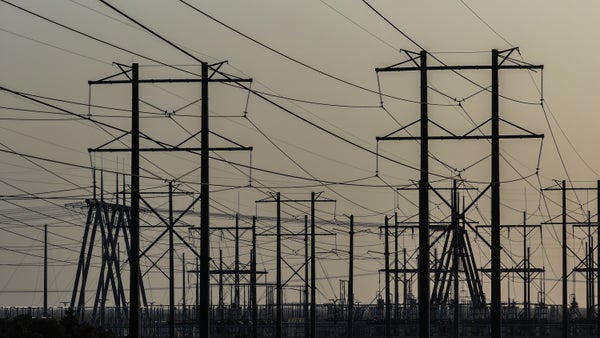
Power lines and electricity transmission towers against a sunset or sunriseJoe Raedle/Getty Images
On Tuesday a fusion energy start-up announced that it has applied to join a U.S. power grid—a first that could one day see households and businesses powered by nuclear fusion.
Commonwealth Fusion Systems is looking to join a power grid that is operated by PJM Interconnection and provides 182,000 megawatts of power to more than 67 million people living in 13 states and Washington, D.C. But technical hurdles to bringing fusion online remain—one major obstacle is actually producing a stable fusion reaction that generates more energy than it consumes.
Technical Requirements and Design
The application process requires a potential energy provider to provide extensive technical information to the grid operator, including descriptions of the planned fuel type. In Commonwealth's case, the company is developing a tokamak reactor design that uses powerful magnetic fields to create and insulate a highly energetic cloud of particles called a plasma until it's hot enough for those particles to fuse. It's a process that mimics the nuclear reactions in the sun, including the particles involved: isotopes of hydrogen called deuterium and tritium. The promise of the device is that a fusion reaction could feasibly generate limitless clean energy. That energy, in the form of heat, is used to boil water into steam, which then pushes a turbine to produce electricity.
Remaining Challenges
Much of that process remains theoretical, however, because physicists have yet to prove that fusion can work as a large-scale power source. Recent results from Germany's Wendelstein 7-X demonstrated it could contain superheated plasma for 43 seconds. And its rival, the Joint European Torus, was apparently able to accomplish that feat for a full minute before its reactor was retired in 2023. While such capabilities are impressive, there is still a long way to go before a fusion device could be connected to a grid. Commonwealth plans to open its first power plant, called ARC (for "affordable, robust, compact"), in Virginia in the early 2030s. And the company aims to demonstrate an initial model, called SPARC (for "smallest possible ARC"), in 2027.
Progress to Date
Commonwealth has demonstrated some success: The company's toroidal field magnet technology was validated by the Department of Energy in September 2025. The superconducting magnets generate the magnetic field that is used to contain the high-temperature plasma generated by a fusion reaction. But Commonwealth has yet to test the full system.
Commonwealth co-founder and CEO Bob Mumgaard said in a statement that the company is committed "to delivering the benefits of fusion, and enabling a future with abundant, secure energy, [which] means that we're not just proving fusion physics works—we're showing exactly how fusion power plant watts get from our machine to the customer, working with the grid and a utility."
"By becoming the first fusion energy developer to enter a major grid operator's interconnection queue, we're demonstrating that when you're serious about building a power plant in the early 2030s, you act now," he said. "This is execution."
The Approval Process
Commonwealth's application will likely take years to be approved; the company will navigate a complex process that will include several impact studies and other analyses, as well as reviews of the its capabilities, readiness, safety controls and other compliance.
PJM said in a statement that it's "excited about the diversity of resources that have applied to connect to the grid through the first cycle of PJM's reformed interconnection process."
"Bringing new generation online is critical to maintaining grid reliability as demand continues to increase, and our process is designed to improve the certainty, speed and discipline of project review."
Editor's Note
Editor's Note (4/29/26): This paragraph was edited after posting to correct the description of Commonwealth Fusion Systems' tokamak reactor design.
---
AI Analysis
Commonwealth Fusion Systems' application to PJM Interconnection represents a significant milestone in the commercialization of fusion energy, signaling growing investor and regulatory confidence in near-term viability. However, the company faces a critical credibility gap between its optimistic timeline (early 2030s deployment) and the broader physics community's uncertain progress on achieving net-positive energy fusion at scale. The multi-year approval process provides both a realistic timeline for technology maturation and a sobering reminder that even validated component technologies like their magnet system must be integrated into a functioning, grid-compatible power plant. While this application is primarily a regulatory and symbolic achievement rather than a guarantee of success, it does force the company to demonstrate concrete operational details to grid operators, potentially accelerating engineering milestones. The true test will be whether Commonwealth's SPARC prototype in 2027 delivers on its promises of net energy gain, as this result will likely determine the viability of the entire fusion energy sector's commercial timeline.
China testing truck-mounted nuclear reactor that could power AI data centre
Published: April 28, 2026
TL;DR
China has developed a prototype truck-mounted nuclear reactor capable of generating up to 10 megawatts of power, described by a leading scientist as the "world's first 10-megawatt vehicle-mounted nuclear power unit"
The reactor could power medium-sized AI data centres and solve "battery anxiety" for remote regions, emergency backup power, ships, space systems, and data infrastructure
Wu Yican, chief scientific adviser at the Institute of Nuclear Energy Safety Technology, emphasizes the technology offers exceptional safety in a compact size with decades of operational lifespan
Article Content
The vehicle-mounted reactor can generate up to 10 megawatts of power. Photo: Handout
By Holly Chik
China is testing a prototype nuclear reactor that can be carried on a truck, according to a leading scientist.
He described the reactor, which has been in development for several years, as the "world's first 10-megawatt vehicle-mounted nuclear power unit" and said the team behind it was now seeking opportunities to put it to use. This output would be enough to power a medium-sized AI data centre.
The Nuclear Power Bank
"The 'nuclear power bank' we proposed exemplifies the new generation of nuclear energy systems," Wu Yican, the chief scientific adviser to the Institute of Nuclear Energy Safety Technology at the Hefei Institute of Physical Science, told Science and Technology Daily last week.
"This technology offers exceptional safety in a remarkably compact size and an operational lifespan of decades without recharging," said Wu, who is also a member of the Chinese Academy of Sciences.
Applications and Future Development
"It offers a solution to 'battery anxiety' in different applications, including providing power for remote regions and islands, delivering emergency backup power in special environments, propelling ships, powering space systems and supporting AI computing and data centres."
Wu said the development of next-generation nuclear systems was in full swing, adding that he believed they should be "built on the principle of ensuring nuclear safety at the source".
AI Analysis
This development represents a significant advancement in mobile nuclear power technology, with potential to transform energy infrastructure for AI data centres and remote applications. The truck-mounted reactor addresses a critical challenge in powering computationally intensive facilities that require substantial, continuous energy with minimal environmental footprint. If successfully deployed, this technology could accelerate the expansion of AI computing capacity while reducing reliance on traditional grid infrastructure and fossil fuels. The emphasis on safety-first design principles suggests China is prioritizing regulatory compliance and public acceptance as key components of next-generation nuclear deployment. This innovation could have geopolitical implications, as portable nuclear power becomes a competitive advantage for powering emerging technologies globally.
NRC Authorizes FPL's St. Lucie Nuclear Plant to Operate for Another 20 Years
Published: April 28, 2026
TL;DR
The U.S. Nuclear Regulatory Commission approved subsequent license renewals for St. Lucie Nuclear Plant Units 1 and 2, extending operations through 2056 and 2063 respectively.
St. Lucie generates electricity for over 1 million homes, supplies 11% of FPL's generation, and provides approximately 400 permanent jobs with $42 million in annual county taxes.
This approval builds on NextEra Energy's expanding nuclear portfolio, reinforcing nuclear power's vital role in Florida's clean energy future.
Full Article
Following a rigorous multi-year application and review process, the U.S. Nuclear Regulatory Commission (NRC) has approved subsequent license renewals for St. Lucie Nuclear Plant Units 1 and 2, extending operations through 2056 and 2063, respectively. In 2024, the NRC approved subsequent license renewals for the two units at Turkey Point, Florida's only other operational nuclear plant. Importantly, the approval ensures that Florida will continue to be powered by low-cost, clean nuclear energy well into the future.
"This approval ensures that St. Lucie will continue to provide safe, reliable, low-cost energy for generations to come," said Scott Bores, Florida Power & Light Company's president. "We are pleased that nuclear power will remain an integral part of Florida's energy future and a vital contributor to the local and state economies."
Powering Florida with Reliable, Low-Cost, American Energy
Since commencing commercial operations in 1976 (Unit 1) and 1983 (Unit 2), St. Lucie has been a cornerstone of Florida's energy infrastructure. The facility:
Generates enough electricity to power more than 1 million homes and businesses.
Supplies approximately 11% of FPL's generation.
Maintains grid stability.
Operates on a 1,200-acre site on Hutchinson Island.
"This approval represents the culmination of rigorous efforts by our dedicated nuclear team to meet and exceed regulatory expectations," said Carlos Santos, St. Lucie site vice president. "We're pleased with the result and excited that St. Lucie will continue its vital role in supplying low-cost, clean nuclear power to Florida."
Economic Engine for Local Communities
St. Lucie serves as a significant economic driver for the region, providing:
Approximately 400 permanent, high-paying jobs.
More than $42 million in annual county taxes.
Active employee engagement in local schools, youth sports and government.
Expanding Nuclear Leadership
St. Lucie increases FPL's growing portfolio of license-renewed nuclear facilities. The Turkey Point Nuclear Plant and the Point Beach Nuclear Plant, operated by sister company NextEra Energy Resources, already received subsequent license renewal approval—demonstrating NextEra Energy's commitment to American nuclear power.
About Florida Power & Light Company
Florida Power & Light Company is America's largest electric utility, delivering reliable power to more than 6 million customer accounts — serving approximately 12 million people across Florida. By leveraging a diverse energy mix, including nuclear, natural gas, solar and battery storage, FPL operates one of the most fuel- and cost-efficient power generation fleets in the U.S. and has earned the ReliabilityOne® National Reliability Award for eight of the last 11 years. FPL is a subsidiary of Juno Beach, Florida-based NextEra Energy, Inc. (NYSE: NEE), which is one of the largest electric power and energy infrastructure companies in North America and is a leading provider of electricity to American homes and businesses. NextEra Energy is also the parent company of NextEra Energy Resources, LLC, which, together with its affiliated entities, is advancing America's energy future with one of the largest and most diverse portfolios of power generation and infrastructure solutions. For more information about NextEra Energy companies, visit these websites: www.NextEraEnergy.com, www.FPL.com, www.NextEraEnergyResources.com.
---
SOURCE: Florida Power & Light Company
AI Analysis
This approval marks a significant milestone for Florida's energy independence and climate goals, as it secures low-carbon baseload power for three more decades. The 20-year extension demonstrates the NRC's confidence in St. Lucie's operational safety and management capabilities following rigorous review. With growing demand for reliable electricity across Florida and nationwide transitions away from fossil fuels, nuclear power's continued role through 2056+ positions NextEra Energy as a leader in America's energy infrastructure. The economic benefits—400 permanent jobs and $42 million in annual taxes—highlight how nuclear facilities serve as anchors for local communities. This decision reflects a broader recognition that achieving climate targets while maintaining grid reliability requires sustained investment in proven, large-scale clean energy sources.
Ur-Energy Inc. has started uranium mining at its Shirley Basin site in Carbon County, Wyoming, marking a significant expansion of U.S. uranium production capacity
The facility is approved to produce up to 2 million pounds of uranium per year from an estimated 9.1 million pounds of resources, with operations expected to continue for roughly nine years
CEO Matt Gili highlighted this as a pivotal achievement that supports domestic uranium supply needs for nuclear energy and demonstrates the company's ability to execute its growth strategy
Article
CASPER (WNE) — Ur-Energy Inc. on Thursday announced it has started uranium mining at its Shirley Basin site in Carbon County, expanding U.S. production of the fuel used for nuclear energy.
The company is now collecting uranium from its first mining area after finishing construction and getting the necessary permits, officials said in a news release. Production is expected to grow as more parts of the operation begin running.
The uranium will be shipped later this summer to the company's Lost Creek facility for final processing, pending final approval from regulators.
The Shirley Basin site is approved to produce up to 2 million pounds of uranium per year. The area is estimated to hold about 9.1 million pounds of uranium resources and is expected to operate for roughly nine years.
Company leaders said the start of production marks an important step as Ur-Energy brings its second mining operation into service, according to the news release.
"Launching initial operations marks a pivotal achievement in Ur-Energy's growth strategy and plan to expand U.S. uranium production capacity. Two years ago, we committed to building out this project," the company's president and CEO, Matt Gili, said in the news release. "Today, we have successfully brought a historically significant uranium district back to life, demonstrating disciplined execution of our strategy.
>
"It is particularly meaningful as it supports the growing need for secure, domestic uranium supply and underscores our ability to move permitted projects toward production while strengthening our role in the U.S. nuclear fuel cycle," Gili said.
AI Analysis
Ur-Energy's commencement of uranium production at Shirley Basin represents a strategically significant development for the U.S. nuclear fuel supply chain, particularly as energy markets increasingly prioritize domestic sources of low-carbon fuel. The facility's 2 million pounds annual capacity and estimated 9.1 million pound resource base position it as a meaningful contributor to addressing the uranium supply constraints that have become more acute with growing nuclear energy adoption. The timeline for regional integration—with processing at Lost Creek facility pending regulatory approval—demonstrates the operational maturity of the company's expansion strategy and its capability to execute permitted projects from development through commercial production.
Utah wants a new nuclear sector to rise in Brigham City. What will it take to pull it off?
TL;DR
Utah is developing a comprehensive nuclear sector in Brigham City, starting with a workforce training center, followed by a manufacturing facility, and potentially 10 small modular reactors
Two nuclear companies, Holtec International and Hi Tech Solutions, are leading the initiative as part of a broader push to establish a federal nuclear hub in the state
The project represents significant investment in nuclear energy infrastructure, though full implementation faces regulatory and logistical challenges
First up: a workforce training center. Next: a manufacturing plant. Then the long shot: a fleet of small modular nuclear reactors.
(Rick Egan | The Salt Lake Tribune) Two nuclear companies, Holtec International and Hi Tech Solutions, plan to build a nuclear workforce training center, a nuclear parts manufacturing facility and eventually, 10 small modular reactors at a campus in Brigham City, shown on April 15, 2026.
Note: The complete article content from the source URL was not included in the provided instructions file. Only the headline, subtitle, and image caption were available for formatting. To complete this task properly, the full article text would need to be provided.
AI Analysis
The development of a nuclear sector in Brigham City represents Utah's strategic positioning in the energy transition. By establishing workforce training and manufacturing capabilities before deploying reactors, the state is building a sustainable foundation for nuclear expansion. This phased approach demonstrates thoughtful planning, though success depends on regulatory approval, community support, and continued federal investment in nuclear energy infrastructure.