Nuclear News Daily—4/27: Chernobyl anniversary / TerraPower construction / DOE RFI
발행일
Apr 27, 2026
미리보기
In this issue: Orano signs an MOU with NABTU, Chernobyl’s 40th anniversary, more on TerraPower’s Natrium construction, X-energy’s IPO, and more. Upcoming events: Nuclear and Emerging Technologies for Space (NETS 2026) kicks off today in Dayton, Ohio!...
도입부: In this issue: Orano signs an MOU with NABTU, Chernobyl’s 40th anniversary, more on TerraPower’s Natrium construction, X-energy’s IPO, and more.
Chernobyl at 40 years: Looking back at Nuclear News
Sunday, April 26, at 1:23 a.m. local time marked 40 years since the most severe nuclear accident in history: the meltdown of Chernobyl-4. In the ensuing four decades, countless books, documentaries, articles, and conference sessions have examined Chernobyl’s history and impact from various angles. There is a similar abundance of outlooks in the archives of Nuclear News, where hundreds of scientists, advocates, critics, and politicians have shared their thoughts on Chernobyl over the years. Today, we will take a look at some highlights from the pages of NN to see how the story of Chernobyl evolved over the decades. Go deeper on Nuclear Newswire.
published an editorial from Emily Caffrey and Brant Ulsh titled “Resolving the radiation risk debate.” The authors approach the same question from different perspectives, providing readers with both sides of the issue. Science
raised $1B in its IPO, selling 44.3 million shares for $23 each—significantly exceeding the $16 to $19 per share it was seeking. Tech Crunch; Barron’s (subscription required)
opened an office in Aiken, S.C., for nuclear microreactor development that will focus on planning, engineering, and partnerships with the military and NASA. Post and Courier (subscription required)
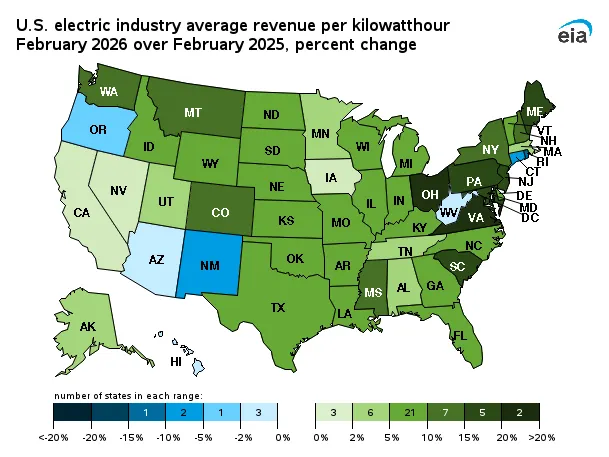
prices rose 9% in February 2026, compared with the previous year, with Virginia, Ohio, and Pennsylvania experiencing the highest increases. Utility Dive
TerraPower begins construction on Natrium power plant in Kemmerer
Construction has officially begun on TerraPower’s first Natrium power plant, in Kemmerer, Wyo. The company expects this demonstration facility—featuring a 345-MWe sodium-cooled fast reactor with an integrated molten salt–based heat storage system, which can temporarily boost power output to 500 MWe—to become the first “utility-scale advanced nuclear power plant” in the United States. Go deeper on Nuclear Newswire.
DOE RFI probes barriers to space reactor production
The Department of Energy is asking for industry input on the United States’ readiness to produce “up to four space reactors within five years,” according to a request for information that opened on Tuesday. Go deeper on Nuclear NewsWire.
Orano signs MOU with trade union for Project Ike construction
Orano USA announced on April 22 that it has signed a memorandum of understanding with North America’s Building Trades Unions (NABTU) outlining their cooperative relationship to support the construction of Project Ike, Orano’s planned $5 billion centrifuge uranium enrichment facility in Oak Ridge, Tenn. Go deeper on Nuclear Newswire.
Conferences: April 27–30—Nuclear and Emerging Technologies for Space (NETS 2026). Happening this week in Dayton, Ohio, NETS 2026 is being hosted by ANS and the University of Dayton Research Institute. Presenters and attendees alike will exchange ideas and form collaborations that can help solve challenging space-related problems. May 31–June 3—2026 ANS Annual Conference. This year’s Annual Conference is being held in Denver, Colo., and will feature two embedded topicals: Technology of Fusion Engineering (TOFE 2026) and Nuclear Fuels and Materials. August 2–5—U.S. Women in Nuclear 2026 National Conference. WIN 2026 will be held in Seattle, Wash. and will feature discussions on everything from next-gen fuel to licensing and regulatory reform. August 16–20—Global 2026. Global is a series of international conferences covering the full fuel cycle. This year’s conference in Chicago is sponsored by the American Nuclear Society Fuel Cycle & Waste Management Division. August 24–27—Nuclear Energy Conference and Expo (NECX 2026). The second annual NECX will take place in Dallas, Texas, and is jointly organized by ANS and NEI. Deadlines: May 1—Nominations are due for the 2026 Nuclear News 40 Under 40. Read more about the list on Nuclear Newswire. June 5—Applications are due for the 2027 ANS Congressional Fellowship. Fellows work on Capitol Hill for one year, contributing their nuclear expertise to a variety of policy issues. Read more on the program here.
디아블로 캐니언 2045 연합, 캘리포니아 재생에너지 전환 보호 및 고객 비용 절감을 위해 출범
2026년 4월 24일 (금), 오전 2:45 GMT+9
요약
카테고리: 원자력 정책
청정 에너지, 노동, 비즈니스 등 25개 단체로 구성된 디아블로 캐니언 2045 연합이 출범하여 캘리포니아 의회에 디아블로 캐니언 원자력 발전소의 2045년까지 운영 연장 법안 통과를 촉구함
매사추세츠 공과대학교(MIT) 연구에 따르면, 운영 연장 시 고객 절감 총액이 200억 달러(연간 13억 달러 이상)를 초과할 것으로 추정되며, 연장 실패 시 월 전기요금이 약 5.50달러 추가될 것으로 예상
현재 주법은 2030년 이후 운영을 허용하지 않으나, 캘리포니아 에너지 위원회는 2045년까지 주의 에너지 수요가 50% 증가할 것으로 전망하며, 이는 디아블로 캐니언 9기 분의 출력에 해당함
---
이것은 유료 보도자료입니다. 문의는 보도자료 배포사에 직접 연락하시기 바랍니다.
PR Newswire25개 단체로 구성된 성장하는 연합은 캘리포니아 의회에 올해 디아블로 캐니언 원자력 발전소를 2045년까지 연장하는 법안을 통과시킬 것을 요청하고 있습니다
캘리포니아주 새크라멘토, 2026년 4월 23일 /PRNewswire/ -- 오늘, 청정 에너지, 노동, 비즈니스 및 기타 분야의 사상적 리더들을 대표하는 단체들이 디아블로 캐니언 2045(Diablo Canyon 2045)를 발표했습니다. 이 단체는 디아블로 캐니언 원자력 발전소(Diablo Canyon Power Plant)를 2045년까지 가동 상태로 유지하도록 의회에 촉구하기 위해 모인 광범위하고 성장하는 연합입니다.
"올해 디아블로 캐니언의 수명을 연장하면 캘리포니아는 고객의 전기요금을 절감하고, 2045년까지 에너지 수요가 두 배로 증가할 것으로 예상되는 상황에서 신뢰할 수 있는 청정 에너지원을 확보하는 길을 걷게 될 것입니다"라고 존 그럽(John Grubb), 베이 에어리어 카운슬(Bay Area Council) 임시 총재 겸 CEO가 말했습니다. 그는 "캘리포니아는 기후 목표에서 후퇴하여 에너지 수요를 메우기 위해 화석 연료에 의존해서는 안 됩니다(뒷걸음질쳐서는 안 됩니다)"라고 덧붙였습니다.
캘리포니아 유일의 가동 중인 원자력 발전소인 디아블로 캐니언 원자력 발전소는 매일 400만 명 이상의 캘리포니아 주민들에게 지속적인 무탄소 전기를 공급합니다. 이 발전소는 최근 원자력 규제 위원회(Nuclear Regulatory Commission)로부터 면허 연장을 받아 안전하고 환경적으로 건전하게 20년 더 운영할 수 있음을 인증받았습니다. 그러나 현재 주법은 캘리포니아 에너지 위원회(California Energy Commission)가 2045년까지 주의 에너지 수요가 50% 증가할 것으로 추정함에도 불구하고—이는 디아블로 캐니언 9기 분의 출력에 해당합니다—2030년 이후의 운영을 허용하지 않습니다.
이번 주 매사추세츠 공과대학교(MIT)가 발표한 연구)에 따르면, 디아블로 캐니언을 2045년까지 연장하면 "기존 천연가스 발전소의 설비를 대체하고, 캘리포니아가 주내 재생에너지 자원을 더 경제적으로 배치할 기회를 제공하며, 비용이 많이 드는 송전망 업그레이드의 필요성을 늦출 수 있다"고 합니다.
연구에 따르면 디아블로 캐니언 원자력 발전소(DCPP) 수명 연장으로 인한 고객 절감 총액은 200억 달러를 초과하거나 연간 13억 달러 이상일 가능성이 높습니다. 이는 의회가 디아블로 캐니언의 2030년 이후 운영 연장에 실패할 경우 고객이 전기요금으로 매월 약 5.50달러를 더 부담해야 한다는 것과 같습니다.
"캘리포니아는 디아블로 캐니언이 신뢰할 수 있는 탄소 없는 에너지를 제공하고 매년 700만 톤의 온실가스 배출을 절감해 줌으로써 재생에너지로의 전환을 유지할 수 있었습니다. 주는 캘리포니아의 야심찬 기후 목표를 달성하고 화석 연료에서 청정 에너지로의 전환을 계속하기 위해 이 전력원이 필요합니다"라고 클린 에어 태스크 포스(Clean Air Task Force) 전무이사 아르몬드 코엔(Armond Cohen)이 말했습니다.
(기사 계속)
"캘리포니아의 에너지 수요가 증가하고 있습니다. 우리는 재생에너지 자원을 더 많이 시스템에 도입하기 위해 열심히 노력하는 동시에, 전기 요금을 안정화하고 전력망 신뢰성을 확보하기 위해 디아블로 캐니언과 같이 열심히 가동 중인 캘리포니아 기반의 무탄소 전력원을 전력망에 유지해야 합니다"라고 캘리포니아 포워드(California Forward) CEO 케이트 고든(Kate Gordon)이 덧붙였습니다.
캘리포니아는 디아블로 캐니언이 신뢰할 수 있는 탄소 없는 에너지를 제공하고 매년 700만 톤의 온실가스 배출을 절감해 줌으로써 재생에너지로의 전환을 유지할 수 있었습니다. 주는 캘리포니아의 야심찬 기후 목표를 달성하고 화석 연료에서 청정 에너지로의 전환을 계속하기 위해 이 전력원이 필요합니다.
디아블로 캐니언 2045에는 다음 단체들이 포함되어 있습니다:단체 아타스카데로 상공회의소(Atascadero Chamber) 베이 에어리어 카운슬(Bay Area Council) 샌 호아킨 카운티 비즈니스 카운슬(Business Council of San Joaquin County) 캘리포니아 포워드(California Forward) 센트럴 코스트 납세자 협회(Central Coast Taxpayers Association) 센트럴 밸리 비즈니스 연맹(Central Valley Business Federation) 클린 에어 태스크 포스(Clean Air Task Force) 센트럴 코스트 홈 빌더 협회(Home Builders Association of the Central Coast) IEBW 1245 머더스 포 원자력(Mothers for Nuclear) 네이티브 원자력(Native Nuclear) 뉴 캘리포니아 연합(New California Coalition) 원자력은 청정 에너지다 UC 버클리(Nuclear is Clean Energy, NiCE UC Berkeley) 오펜하이머 프로젝트(Oppenheimer Project) REACH 샌 호아킨 밸리 제조업 동맹(San Joaquin Valley Manufacturing Alliance) 샌 루이스 오비스포 카운티 COLAB(San Luis Obispo County COLAB) 산타 바바라 카운티 COLAB(Santa Barbara County COLAB) 산타 바바라 카운티 경제 동맹(Santa Barbara County Econ Alliance) 산타 바바라 카운티 납세자 옹호 센터(Santa Barbara County Taxpayer Advocacy Center) 산타 마리아 밸리 상공회의소(Santa Maria Valley Chamber) SLO 상공회의소(SLO Chamber) 사우스 카운티 상공회의소(South County Chambers of Commerce) 원자력을 지지하다(Stand Up for Nuclear) TMG 파트너스(TMG Partners)
선출직 공무원 존 페숑(John Peschong), 샌 루이스 오비스포 카운티 제1구역 감독관 던 오르티스-레그(Dawn Ortiz-Legg), 샌 루이스 오비스포 카운티 제3구역 감독관 헤더 모레노(Heather Moreno), 샌 루이스 오비스포 카운티 제5구역 감독관 캐시 디(Kassi Dee), 그로버 비치 시장 존 하먼(John Hamon), 파소 로블레스 시장 카렌 레이 러섬(Caren Ray Russom), 아로요 그란데 시장 찰스 부르보(Charles Bourbeau), 아타스카데로 시장 에드 와그(Ed Waage), 피스모 비치 시장 밥 넬슨(Bob Nelson), 산타 바바라 카운티 제4구역 감독관 스티브 라바뇨(Steve Lavagnino), 산타 바바라 카운티 제5구역 감독관
인터뷰는 요청 시 가능합니다.연락처: 메건 갬블(Megan Gamble), 916-832-1884, megan@calkinpa.com
디아블로 캐니언 2045 소개: 우리는 전기 수요가 증가함에 따라 캘리포니아의 청정 에너지 전환이 신뢰할 수 있고 저렴하며 탄소 없는 에너지에 대한 수요를 충족시킬 수 있도록 디아블로 캐니언 원자력 발전소의 2045년까지 운영 연장을 지지하는 청정 에너지, 비즈니스, 노동 및 기타 단체들, 선출직 공무원들과 기타 사상적 리더들의 광범위한 연합입니다. 우리는 올해 운영을 연장하는 법안을 통과시키도록 캘리포니아 의회에 촉구하고 있습니다. 자세한 정보는 http://diablocanyon2045.com을 방문하세요.
Cision
Cision
원본 콘텐츠 보기: https://www.prnewswire.com/news-releases/diablo-canyon-2045-coalition-launches-to-protect-californias-renewable-energy-transition--lower-costs-for-customers-302752122.html
AI 분석
디아블로 캐니언 원자력 발전소의 2045년 운영 연장 추진은 원자력을 재생에너지의 경쟁자가 아닌 보완재로 위치시키는 새로운 에너지 정책 담론의 등장을 보여줍니다. 매사추세츠 공과대학교(MIT)가 제시한 200억 달러 이상의 고객 절감 효과는 원자력 발전의 경제적 가치를 재조명하며, 탈탄소 전환 과정에서 기저 부하 전원의 중요성을 강조합니다. 청정 에너지 단체부터 납세자 협회, 노동조합, 지방 정부 관료에 이르는 25개 단체의 폭넓은 연합 구성은 원자력 에너지에 대한 사회적 수용성이 이념적 경계를 넘어 확대되고 있음을 시사합니다. 현재 주법이 2030년 이후 운영을 금지하고 있는 상황에서, 원자력 규제 위원회(NRC)의 20년 추가 운영 인증과 주 의회의 법률 개정이 충돌하는 제도적 긴장이 핵심 쟁점으로 부상하고 있습니다. 이 사례는 캘리포니아를 넘어 노후 원자력 발전소의 운영 연장을 고민하는 다른 주들과 국가들에도 중요한 정책적 선례가 될 것으로 전망됩니다.
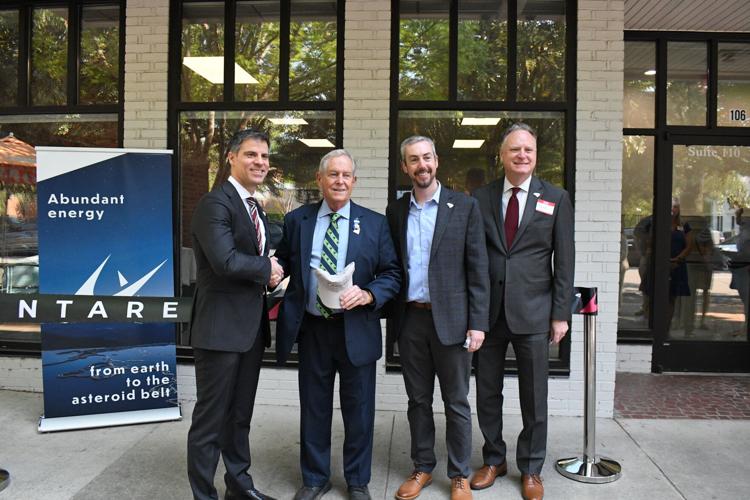
사진 왼쪽부터 톰 만치넬리(Tom Mancinelli), 하원의원 조 윌슨(Joe Wilson), 맷 그리핀(Matt Griffin), 브래드 리어던(Brad Reardon)이 4월 24일 에이컨(Aiken) 파크 애비뉴 SW 106번지 앤태러스(Antares) 사무소에서 촬영되었다.
Carl Dawson/Staff
__
DSC_1513.JPG
미국 하원의원 조 윌슨(Joe Wilson)이 4월 24일 에이컨에서 촬영되었다.
Carl Dawson/Staff
__
DSC_1534.JPG
사진 왼쪽부터 톰 만치넬리(Tom Mancinelli)와 브래드 리어던(Brad Reardon)이 4월 24일 에이컨 파크 애비뉴 SW 106번지 앤태러스 사무소에서 촬영되었다.
Carl Dawson/Staff
__
DSC_1536.JPG
미국 하원의원 조 윌슨(Joe Wilson)이 4월 24일 에이컨 파크 애비뉴 SW 106번지 앤태러스 사무소에서 연설하고 있다. 사진 왼쪽부터 맷 그리핀(Matt Griffin), 게리 벙커(Gary Bunker), 테디 밀너(Teddy Milner), 레시 프라이스(Lessie Price)도 함께 촬영되었다.
Carl Dawson/Staff
__
DSC_1557.JPG
4월 24일 에이컨 파크 애비뉴 SW 106번지 앤태러스 사무소 테이프 커팅식에서 왼쪽부터 찰리 하츠(Charlie Hartz), 브래드 리어던(Brad Rearden), 맷 그리핀(Matt Griffin), 짐 튜니슨(Jim Tunison), 테디 밀너(Teddy Milner), 톰 만치넬리(Tom Mancinelli), 레시 프라이스(Lessie Price), 조 윌슨(Joe Wilson), 게리 벙커(Gary Bunker)가 촬영되었다.
Carl Dawson/Staff
__
DSC_1561.JPG
4월 24일 에이컨 파크 애비뉴 SW 106번지 앤태러스 사무소 테이프 커팅식에서 왼쪽부터 찰리 하츠(Charlie Hartz), 브래드 리어던(Brad Rearden), 맷 그리핀(Matt Griffin), 짐 튜니슨(Jim Tunison), 테디 밀너(Teddy Milner), 톰 만치넬리(Tom Mancinelli), 레시 프라이스(Lessie Price), 조 윌슨(Joe Wilson), 게리 벙커(Gary Bunker)가 촬영되었다.
Carl Dawson/Staff
__
DSC_1570.JPG
4월 24일 에이컨 파크 애비뉴 SW 106번지 앤태러스 사무소 테이프 커팅식에서 왼쪽부터 테디 밀너(Teddy Milner), 톰 만치넬리(Tom Mancinelli), 레시 프라이스(Lessie Price), 조 윌슨(Joe Wilson), 게리 벙커(Gary Bunker)가 촬영되었다.
에이컨 — 픽업트럭 크기의 원자력 마이크로리액터를 개발 중인 기업 안타레스(Antares)가 4월 24일 에이컨에 계획 및 엔지니어링 업무를 위한 사무소의 개소식을 진행했다.
"이 시설은 저희가 계획을 수립하고, 아이다호 국립연구소(Idaho National Lab)에서 앞으로 수 주 안에, 7월 4일 전에 가동할 리액터로 이어지는 엔지니어링 작업을 수행하는 곳입니다"라고 회사의 전략·정책 총괄인 톰 만시넬리(Tom Mancinelli)는 말했다.
"지난 5월, 대통령은 에너지부가 원자력 리액터 시험 방식을 개혁하여 더 많은 리액터를 시험해야 한다고 명시한 행정명령을 발표했습니다"라고 그는 말했다.
"그 행정명령에서 대통령은 7월 4일 전에 이 리액터 세 기를 시험해야 한다고 했습니다. 안타레스는 그 기업들 중 하나이자 그 리액터들 중 하나가 되기 위해 열심히 노력하고 있음을 자랑스럽게 밝히며, 엔지니어링 작업의 상당 부분을 바로 여기 에이컨에서 진행하고 있습니다"라고 만시넬리는 말했다.
안타레스는 자연재해 시 전력 공급, 군사 응용 및 전투 상황, 디젤 발전기용 연료가 어는 극한 환경이나 공급이 어려운 환경에서의 활용, 그리고 해수 담수화를 위해 마이크로리액터를 개발하고 있다.
"저희는 이미 공군과 파트너십을 맺고 있으며, 국가 안보, 에너지 회복력, 그리고 솔직히 미국인의 삶의 질 향상과 전기요금 절감을 위해 첨단 원자력 에너지 기술을 도입하고자 육군 및 NASA와도 더 많은 파트너십을 맺기를 희망합니다"라고 만시넬리는 말했다.
그는 개소식에 참석한 조 윌슨(Joe Wilson) 하원의원이 "연방 차원에서 원자력을 가장 강력하게 지지해 온 인물"이라고 말했다. "그는 사바나 강 부지(Savannah River Site)에서 근무한 유일한 하원의원으로, 이를 자랑스럽게 여깁니다"라고 만시넬리는 말했다.
"우리는 완전히 새로운 세계에 살고 있습니다"라고 윌슨은 말했다. "그 많은 부분이, 진심으로, 제게는 바로 이곳에서 시작됩니다."
"이곳은 정말 원자력을 지지하는 지역사회입니다. 창출된 일자리, 만들어진 기회들로부터 시작해서요"라고 그는 말했다. "이것은 우리나라의 안보를 의미합니다. 일자리를 의미합니다."
안타레스는 캘리포니아주 토런스(Torrance)에서 마이크로리액터의 부품을 제작하고 시험하고 있다. 리액터는 공장에서 조립되어 트럭, 철도, 항공기 또는 선박으로 운송되며, 재연료 주입 없이 혹독하고 외딴 환경에서 6년간 운영될 수 있도록 설계되었다.
"이 회사, 이 분들은 미래와 미래의 에너지 모습을 적극적으로 만들어가고 있습니다"라고 에이컨 상공회의소(Aiken Chamber of Commerce) 회장 겸 CEO인 짐 튜니슨(Jim Tunison)은 말했다.
안타레스의 원자력 업무 총괄인 맷 그리핀(Matt Griffin)은 에이컨이 원자력 기술 기업들의 중심지로서 관심을 받고 있다고 말했다.
"다른 기업들도 '우리도 그곳에 가고 싶다. 이 사무소에서 시작하는 인력과 모든 엔지니어링 역량으로 이 도시가 무엇을 제공할 수 있는지 보고 싶다'라고 말하고 있습니다"라고 그리핀은 말했다.
"제가 여기 있는 이유는 여러분 모두 덕분입니다. 물론 하원의원님의 리더십 덕분이기도 합니다. 그것이 저 같은 사람들을 이 도시로 이끌며, 저는 이곳에 있게 되어 정말 기쁩니다"라고 그는 말했다.
"30년 전에는 원자력 산업의 전망이 다소 암울해 보였는데, 이제 귀사가 마이크로리액터 지원을 위해 에이컨에 교두보를 마련한 것을 보니 정말 훌륭합니다"라고 에이컨 카운티 의회 의장인 게리 번커(Gary Bunker)는 말했다.
"인력 측면에서 이보다 더 좋은 곳은 상상할 수 없으며, 이 지역사회는 원자력 사업을 매우 강하게 지지하고 있습니다," 번커(Bunker)가 말했다.
"이 지역사회는 말 그대로 첫날부터 우리를 두 팔 벌려 환영해 주었고, 우리는 이 일원이 될 수 있어 정말 감사하게 생각합니다," 만치넬리(Mancinelli)가 말했다.
"에이컨(Aiken)은 원자력이 유행하기 전부터 원자력을 믿었습니다. 에이컨은 오랫동안 원자력을 믿어왔습니다. 에이컨은 지난 75년간 원자력을 해왔습니다," 그가 말했다.
"여러분은 원자력에 정통하고, 원자력에 우호적입니다," 만치넬리(Mancinelli)가 참석자들에게 말했다. "맥매스터(McMaster) 주지사의 리더십과 VC 서머(VC Summer) 및 산티 쿠퍼(Santee Cooper)와 관련한 발표 덕분에 이 주에는 지금 모멘텀이 생겨나고 있으며, 따라서 우리가 여기에 자리를 잡는 것은 당연한 일입니다."
"서배너 리버 사이트(Savannah River Site)는 국가적 자산이며, 솔직히 말해서 충분히 활용되지 못하고 있는 국가적 자산이라고 생각합니다," 만치넬리(Mancinelli)가 말했다.
"우리가 원자력의 미래에 핵심적인 역할을 담당하게 될 것이라고 생각합니다," 투니슨(Tunison)이 말했다.
AI 분석
핵 마이크로리액터 전문 기업 Antares가 사우스캐롤라이나주 에이컨(Aiken)에 새 사무소를 개설한 것은 미국 소형 원자력 산업의 지역 확산을 보여주는 중요한 신호다. 에이컨은 사바나 강 사이트(Savannah River Site) 등 핵 관련 인프라와 인력이 집적된 지역으로, Antares의 입지 선택은 전략적으로 매우 합리적이다. 미 하원의원 Joe Wilson의 참석 하에 리본 커팅 행사가 열린 점은 마이크로리액터 기술이 연방 정치권의 지지를 받고 있음을 시사하며, 에너지 안보와 탈탄소화 목표 달성을 위한 소형 원자력의 역할이 부각되고 있음을 반영한다. 이러한 움직임은 SMR(소형모듈원자로) 및 마이크로리액터 분야에서 민간 기업들이 적극적으로 사업 기반을 확충하는 글로벌 트렌드와 궤를 같이하며, 향후 지역 경제 및 에너지 전환에 긍정적인 파급 효과를 가져올 수 있다.
※ 이 글은 해외 원자력 바로알기를 위한 정보 전달을 목적으로 제공됩니다. 특정 기업이나 종목에 대한 투자 권유가 아니며, 모든 투자 판단과 그에 따른 책임은 투자자 본인에게 있습니다.
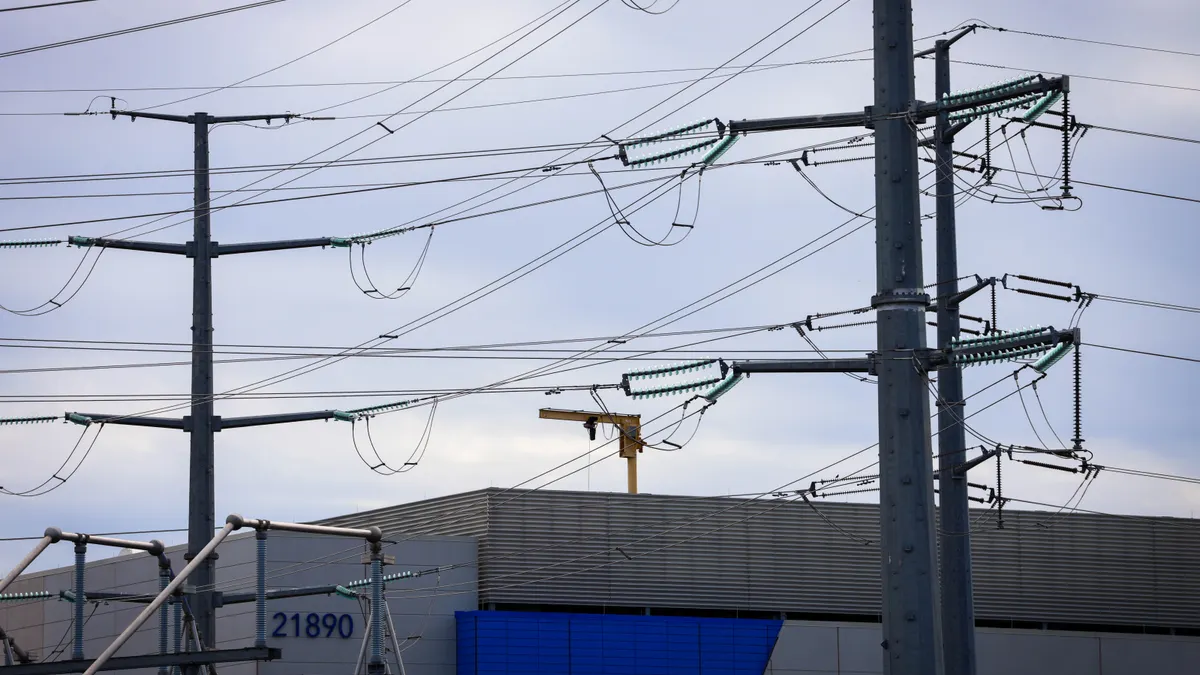
버지니아주 애시번 소재 얼라인드 데이터 센터(Aligned Data Centers) IAD-01 시설 앞의 송전선. "2026년 2월에는 31개 주와 컬럼비아 특별구에서 전년 동월 대비 소매 판매량이 증가했습니다"라고 미국 에너지 정보청이 밝혔다. 다이애나 디강이(Diana DiGangi)/Utility Dive
소매 요금의 대리 지표인 킬로와트시당 전력 수익이 올해 2월 전년 동월 대비 평균 9% 상승했으며, 버지니아주에서 26.3%, 오하이오주에서 21.9%, 펜실베이니아주에서 19.5% 상승했다고 미국 에너지 정보청(EIA)의 목요일 보고서가 밝혔다.
EIA는 "킬로와트시당 전체 평균 수익이 전년 2월 대비 9.0% 증가해 2026년 2월 기준 14.36센트/kWh를 기록했다"고 밝혔다. 주거용 소매 전기요금은 전년 대비 7.4% 상승했다.
2025년 2월 대비 2026년 2월 킬로와트시당 전력산업 평균 수익을 보여주는 미국 에너지 정보청 차트.
Optional Caption
에너지 정보청 허가 제공
주거, 상업, 산업, 운송 등 모든 4개 부문에서 전년 동월 대비 킬로와트시당 평균 수익이 증가했다. EIA는 "운송 부문이 23.6%로 가장 높은 증가율을 보였으며, 그 다음으로 상업 부문이 10.7%, 산업 부문이 8.6%, 주거 부문이 7.4% 순이었다"고 밝혔다.
기관에 따르면 올해 2월에는 전년 대비 전기 판매량도 증가했으며, 총 순 발전량도 1.2% 늘었다.
EIA는 "2026년 2월에 31개 주와 컬럼비아 특별구에서 전년 동월 대비 소매 판매량이 증가했다. 로드아일랜드주가 소매 판매에서 전년 대비 가장 높은 증가율인 31%를 기록했다"고 밝혔다. 19개 주에서는 판매가 감소했으며, 몬태나주가 10.8% 감소로 가장 큰 하락세를 보였다.
EIA는 또한 "북동부와 중부 대서양 연안 지역에서는 전년 대비 올해 2월에 발전에 사용되는 다른 화석연료로의 큰 전환이 나타났다"고 밝혔다. 전국적으로 석탄 소비량은 같은 달 11.3% 감소한 반면, 천연가스 소비량은 1.5% 증가했다.
동부의 평균 이하 기온과 서부의 평균 이상 기온으로 인해, 2월에는 동부에서 도매 전기 및 천연가스 가격이 "큰 범위"를 나타냈고, 서부에서는 "좁은 스프레드"를 보였다고 EIA가 밝혔다.
EIA는 "2026년 2월, 서던 컴퍼니(Southern Company)와 프로그레스 플로리다(Progress Florida)는 전국의 모든 선정된 전력 시스템 중 일일 최대 전력 수요에서 가장 큰 월간 범위를 경험했다. 이는 두 전력 시스템이 2026년 2월 초 한파를 겪으며 전력 수요가 크게 증가했기 때문"이라고 설명했다.
미국 에너지정보청(EIA)에 따르면 2026년 2월 기준 평균 전기 소매 가격이 전년 동월 대비 9% 상승하여 킬로와트시(kWh)당 14.36센트를 기록했으며, 이는 소비자와 기업의 에너지 비용 부담이 갈수록 커지고 있음을 보여준다. 특히 버지니아(26.3%), 오하이오(21.9%), 펜실베이니아(19.5%) 등 일부 주에서는 전국 평균을 크게 웃도는 가격 상승이 나타나 지역별 에너지 불균형 문제가 심화되고 있다. 주거·상업·산업·운송 등 모든 부문에서 가격이 상승한 가운데 운송 부문이 23.6% 증가로 가장 높은 상승폭을 보였으며, 이는 전기차 보급 확대와 맞물려 전력 수요 구조 자체가 변화하고 있음을 시사한다. 동부 지역의 이상 저온과 서부 지역의 이상 고온 등 기상 이변이 도매 전력 및 천연가스 가격의 지역 간 편차를 심화시킨 점도 주목할 만하며, 장기적으로 기후변화가 에너지 가격 안정성에 미치는 영향이 커질 것으로 전망된다. 전국적으로 석탄 소비는 11.3% 감소한 반면 천연가스 소비는 1.5% 증가해 에너지 전환이 진행 중이지만, 전력 가격 상승 압력은 당분간 지속될 가능성이 높다.
※ 이 글은 해외 원자력 바로알기를 위한 정보 전달을 목적으로 제공됩니다. 특정 기업이나 종목에 대한 투자 권유가 아니며, 모든 투자 판단과 그에 따른 책임은 투자자 본인에게 있습니다.
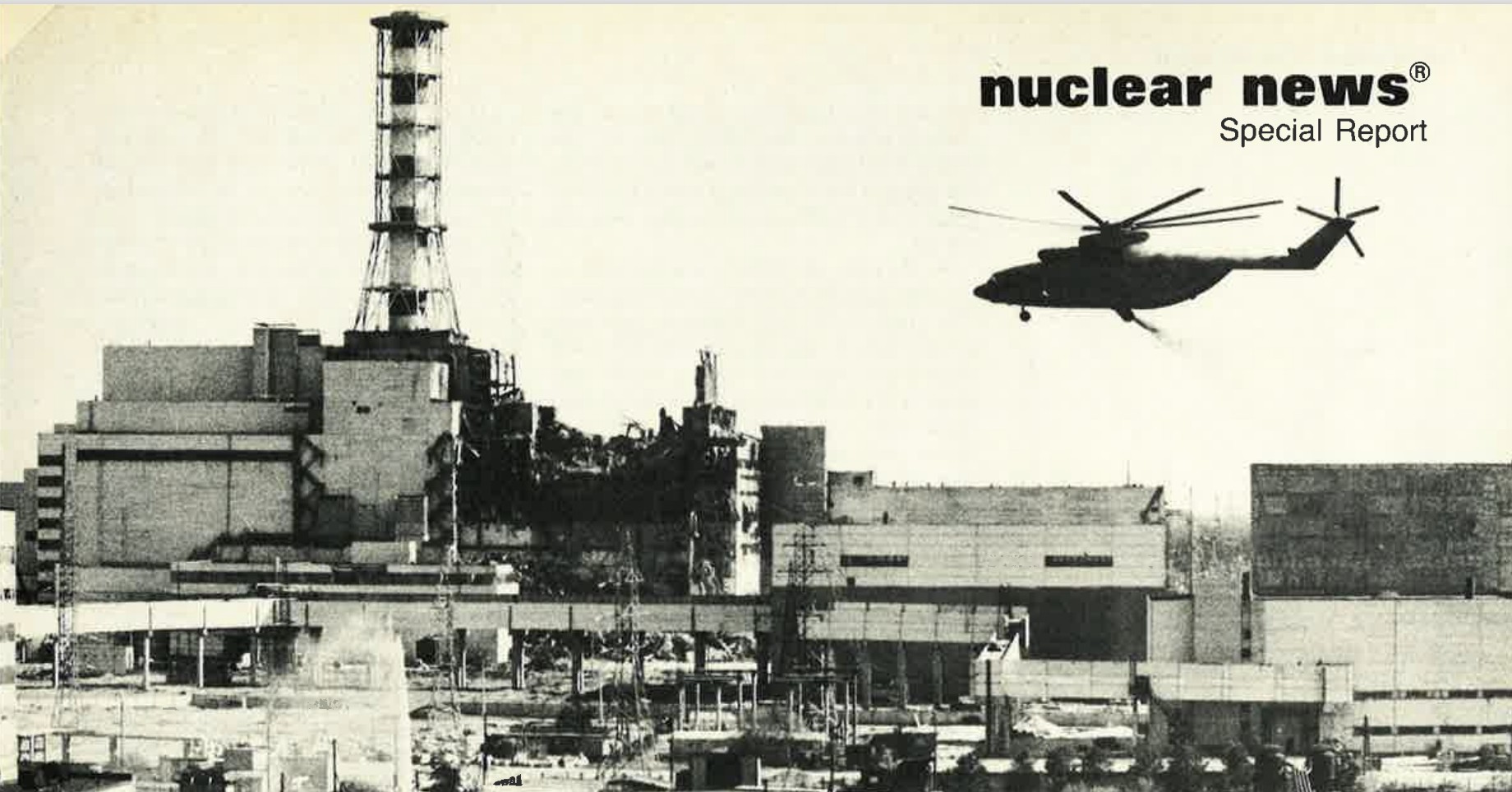
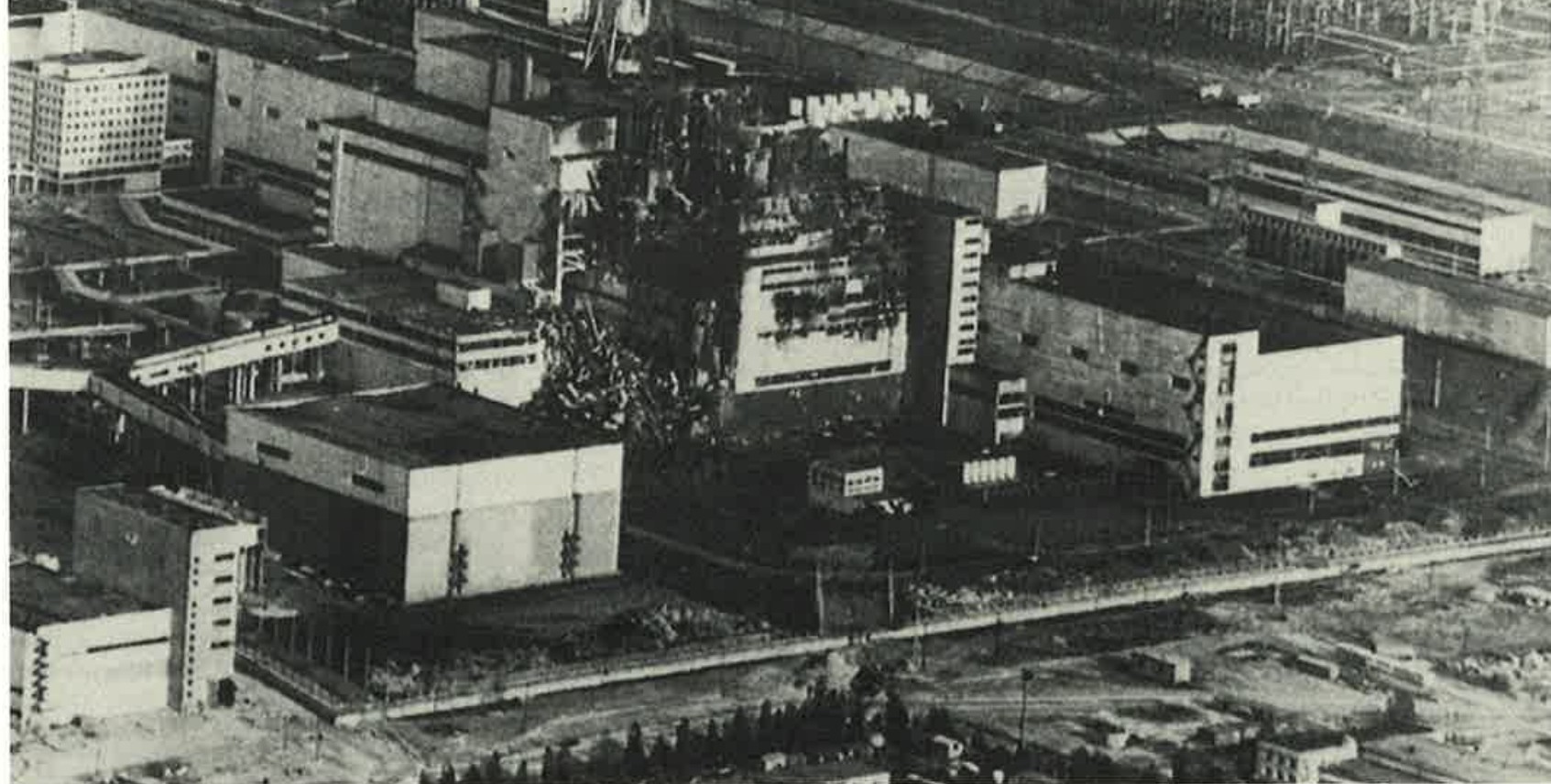
손상된 체르노빌 원자력 발전소를 점검하는 헬리콥터. (사진: _Nuclear News_, 1986년 10월호, 59쪽; 원출처: _Soviet Life_)
올해 4월 26일 일요일 현지 시각 오전 1시 23분은 역사상 가장 심각한 원자력 사고, 즉 우크라이나(당시 소련 영토)에 위치한 체르노빌 원자력 발전소 4호기 용융 사고가 발생한 지 40주년이 되는 시점이다.
그 후 40년간, 수많은 책과 다큐멘터리, 기사, 학술 대회 세션들이 다양한 관점에서 체르노빌의 역사와 영향을 분석해 왔다. _Nuclear News_ 의 아카이브에도 이와 마찬가지로 풍부한 시각들이 담겨 있으며, 수백 명의 과학자, 지지자, 비평가, 정치인들이 수년에 걸쳐 체르노빌에 대한 견해를 밝혀왔다. 오늘은 _NN_ 지면의 주요 내용들을 살펴보며 체르노빌의 이야기가 수십 년에 걸쳐 어떻게 전개되어 왔는지 알아보도록 하겠다.
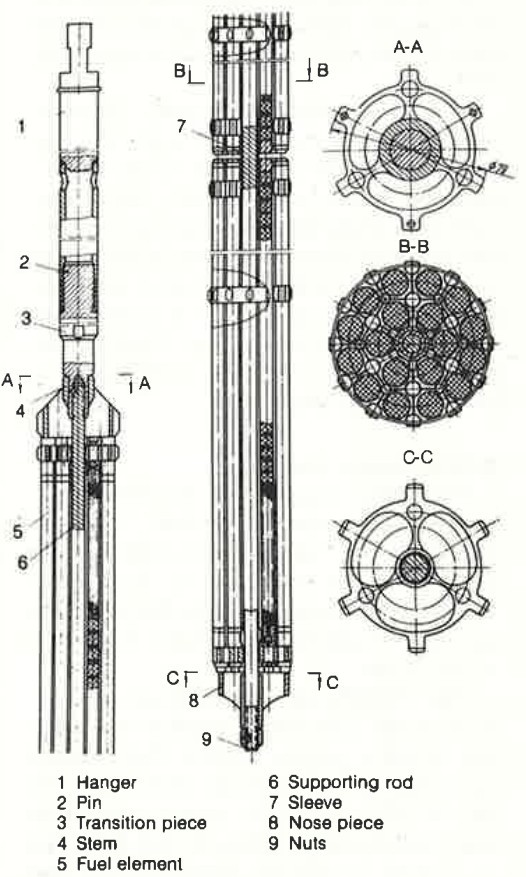
RBMK 연료 집합체 설계. (출처: _NN_, 1986년 6월호, 89쪽; 원출처: _Nuclear Energy_)
_Nuclear News_ 아카이브 속 체르노빌 사진들
Slider Photo
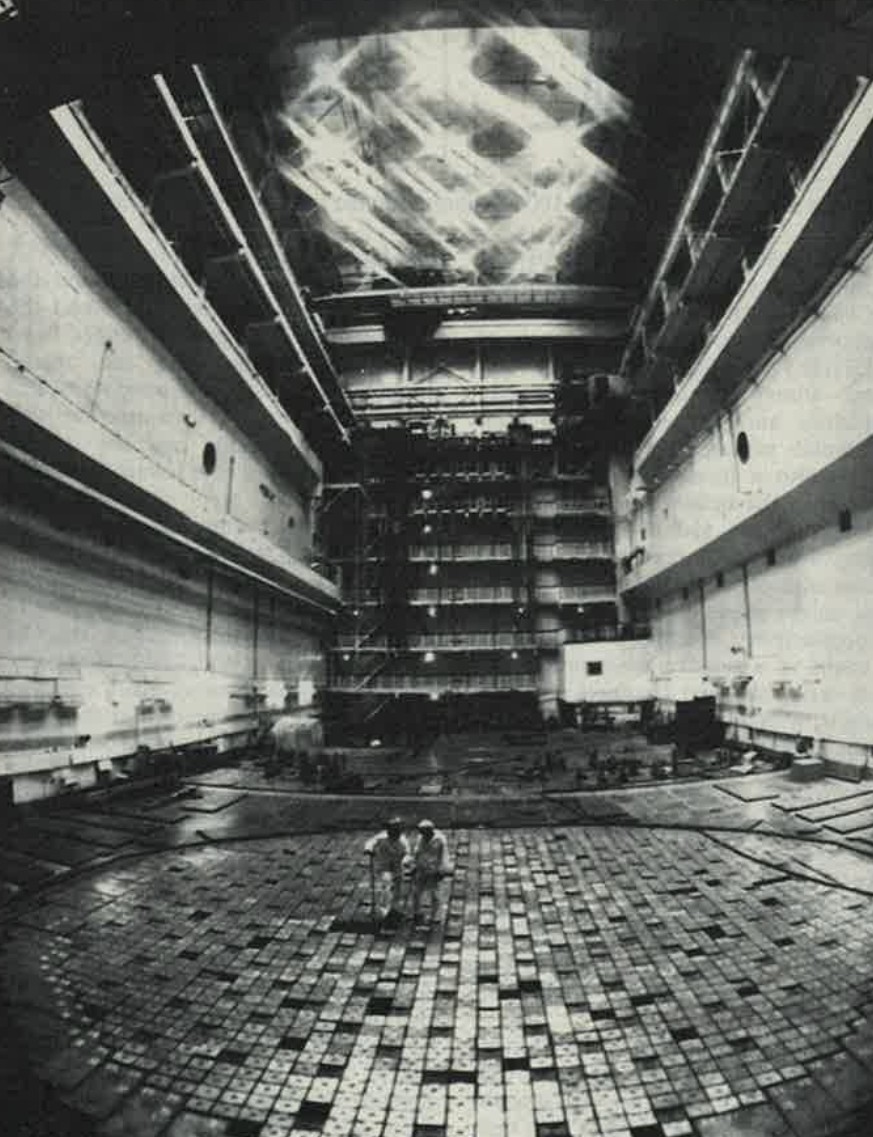
1982년 체르노빌의 원자로 홀. (출처: _NN_, 1986년 6월호, 90쪽; 원출처: AP/Wide World Photos)
_Nuclear News_ 아카이브 속 체르노빌 사진들
Slider Photo
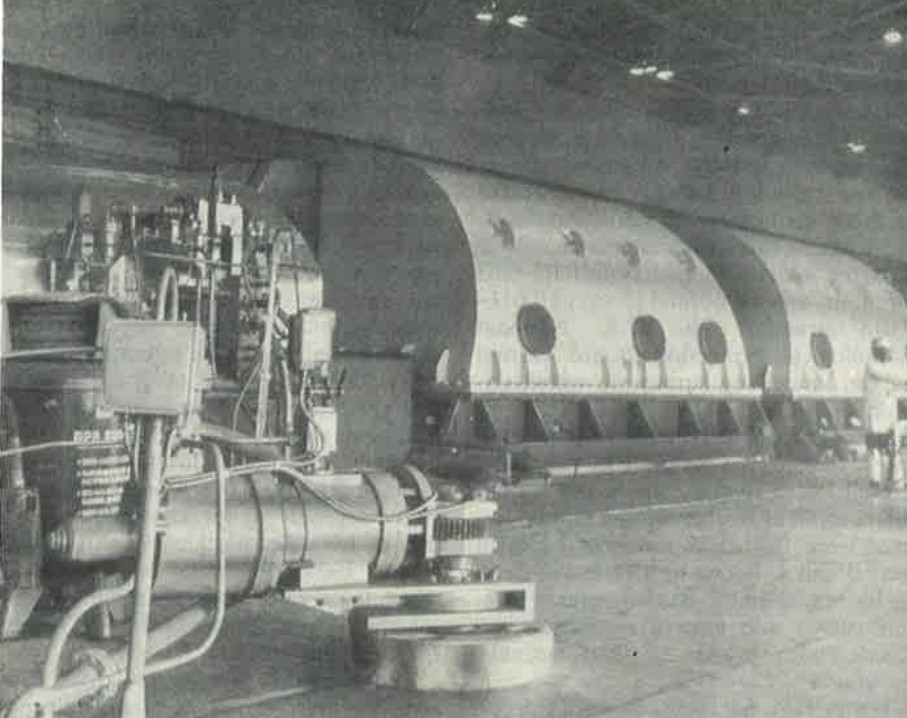
사고 이전 체르노빌의 터빈, 아마도 1호기 및 2호기 홀로 추정. (사진: _NN_, 1986년 6월호, 94쪽)
_Nuclear News_ 아카이브 속 체르노빌 사진들
Slider Photo
1986년 5월 9일의 손상된 체르노빌 부지. (사진: _NN_, 1986년 6월호, 87쪽; 원출처: AP/Wide World Photos)
_Nuclear News_ 아카이브 속 체르노빌 사진들
Slider Photo
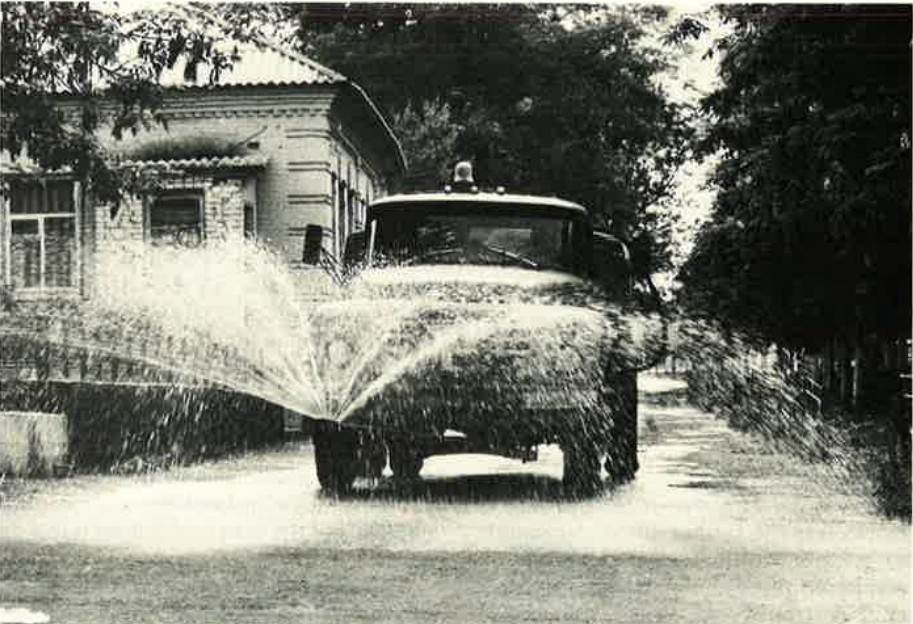
사고 이후 발전소 인근 마을 도로에 물을 뿌리는 모습. (사진: _NN_, 1986년 10월호, 64쪽; 원출처: _Soviet Life_)
_Nuclear News_ 아카이브 속 체르노빌 사진들
Slider Photo
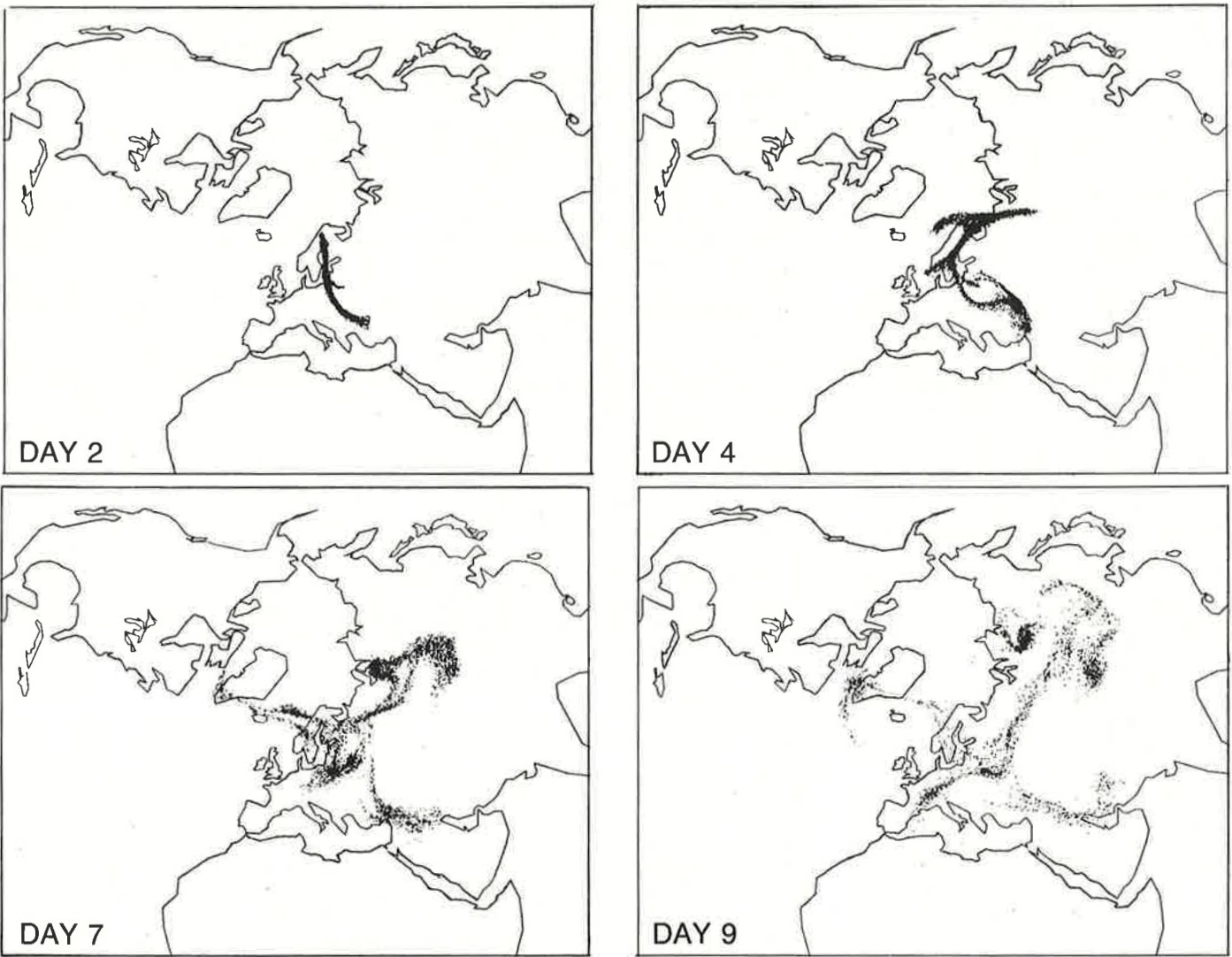
로렌스 리버모어 국립연구소(Lawrence Livermore National Laboratory)에서 작성한 지도로, 사고 발생 후 며칠간 북반구 하부 대류권에서의 방사선 분산 플룸 예비 추정치를 나타낸다. (출처: _NN_, 1986년 6월호, 92쪽)
_Nuclear News_ 아카이브 속 체르노빌 사진들
Slider Photo
반경 30킬로미터 대피 구역 경계의 방사선 검문소. (사진: _NN_, 1986년 10월호, 66쪽; 원출처: Sovfoto)
_Nuclear News_ 아카이브 속 체르노빌 사진들
Slider Photo
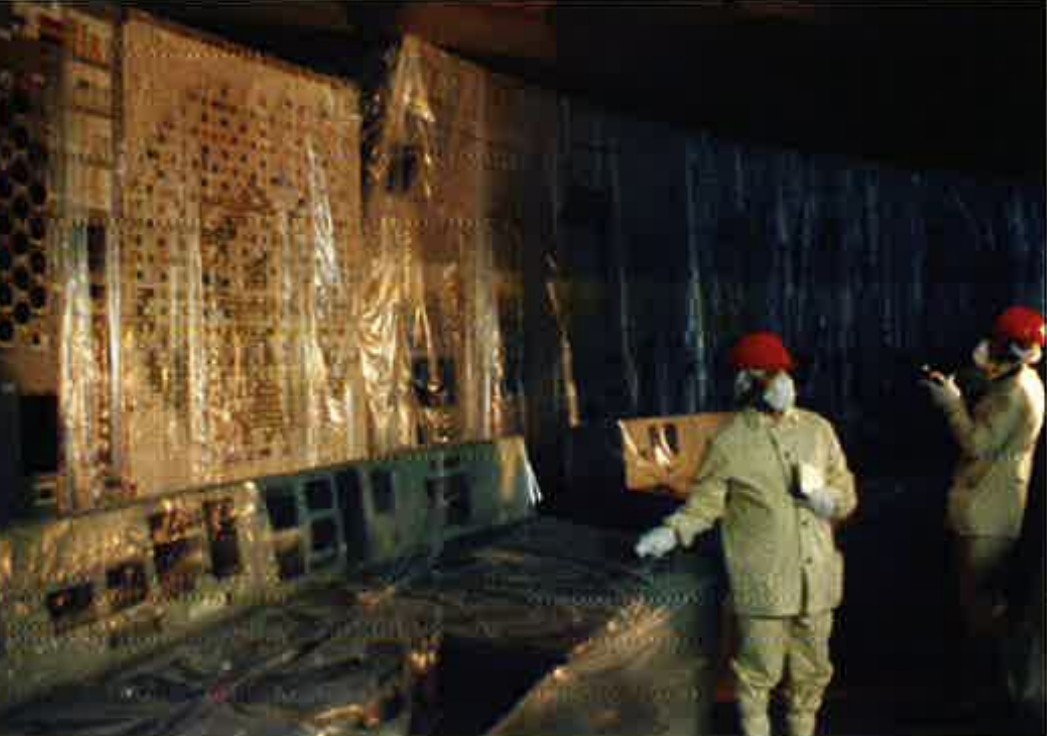
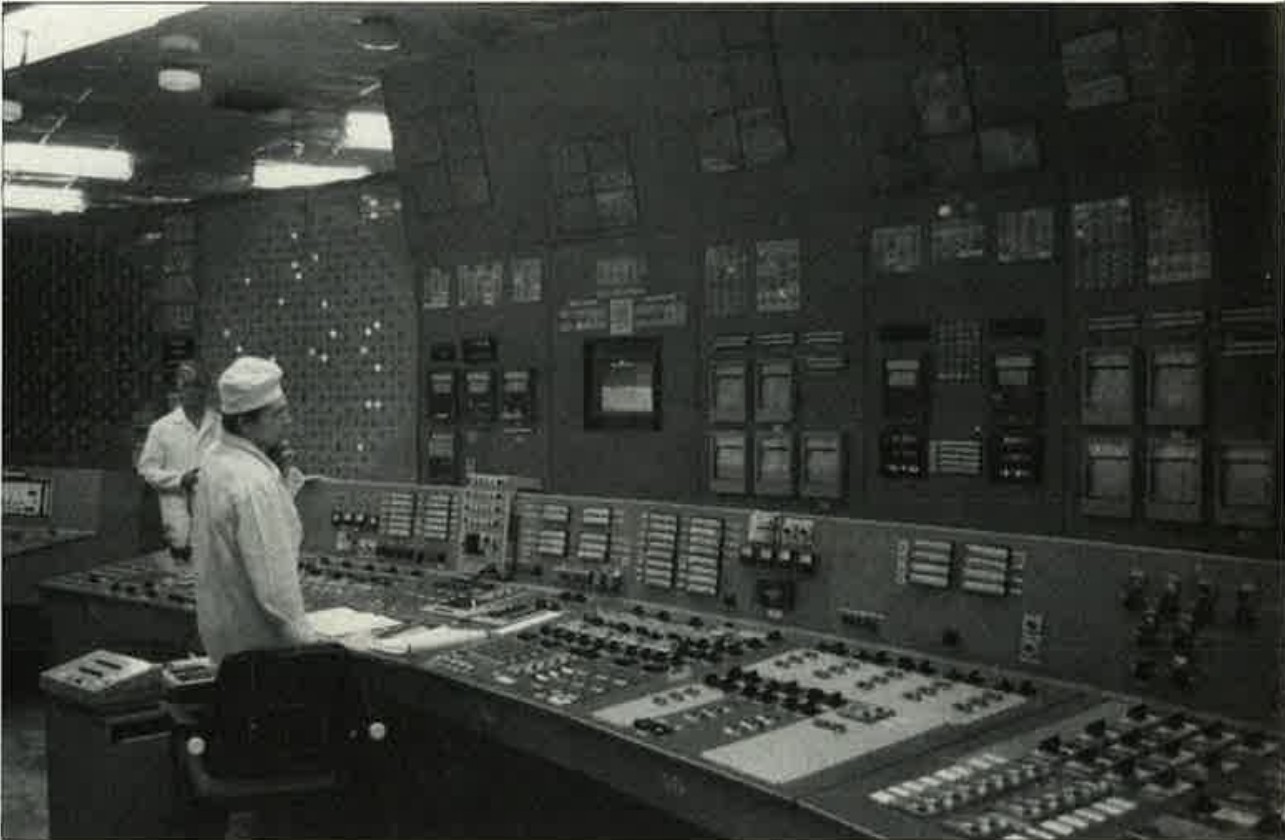
1995년 말 체르노빌 부지 견학 중, 한 방문객이 체르노빌 4호기 제어실에서 악명 높은 스크램 버튼의 위치를 가리키고 있다. (사진: Simon Rippon/_NN_, 1996년 4월호, 32쪽)
_Nuclear News_ 아카이브 속 체르노빌 사진들
Slider Photo
1995년 정상 가동 중인 체르노빌 3호기 제어실. (사진: Simon Rippon/_NN_, 1996년 4월호, 34쪽)
_Nuclear News_ 아카이브 속 체르노빌 사진들
Slider Photo
체르노빌의 "자발적 귀환자" 중 한 명이 개와 함께 출입 금지 구역에서의 삶으로 돌아가는 모습. (사진: _NN_, 2006년 4월호, 43쪽; 원출처: _Insight_)
이전 __
다음 __
사고 이전: 체르노빌 4호기는 1984년 4월에 운전을 개시하였다. 이에 앞서 1982년, 1979년, 1978년에 각각 운전을 시작한 세 기의 다른 호기들이 있었다. 1986년 사고 이전, _Nuclear News_ 아카이브에서 체르노빌을 언급한 기록은 단 한 건에 불과하다. _NN_ 1982년 11월호에서 체르노빌의 원자로들은 1000MWe급 경수 냉각, 흑연 감속 원자로로 구성된 새로운 원자로군의 일부로 소개되었다. 이 LGR들은 설계의 "모듈식 특성" 덕분에 소련에서 이전 원자로 유형들에 비해 "다소 순조로운 도입"이 이루어졌다고 기술되었다.
_NN_ 의 사고 보도: 1986년 4월 29일, 키이우의 주요 신문 뒷면에는 "소련 각료회의 정보"라는 제목의 짧은 기사가 실렸다. 그 내용은 다음과 같았다. "체르노빌 원자력발전소에서 사고가 발생했습니다. 원자로 중 하나가 손상되었습니다. 피해 수습을 위한 복구 조치가 진행 중입니다. 부상자들이 치료를 받고 있습니다. 정부 조사위원회가 구성되었습니다."
이처럼 극적이지 않은 첫 언론 보도는 곧 이어질 광범위하고 상세한 보도와 극명한 대조를 이룬다. _NN_ 이 이 주제에 관해 처음으로 게재한 기사는 단순히 "체르노빌 사고"라는 제목으로 1986년 6월호에 실렸다.
그 기사에서 체르노빌은 인명 피해 규모, 방출된 방사선량, 발전소의 물리적 피해, 그리고 "이미 긴장된 국가 간 관계를 더욱 악화시킨 결과" 등의 기준으로 볼 때, 역사상 "가장 심각한" 원자력 사고로 묘사되었다.
이어서 _NN_ 은 사고가 어떻게 전개되었는지 상세히 설명한다. 4월 26일, 4호기의 정기 유지보수 정지 중에 원자로 출력이 갑자기 상승했다. 당시 기자들은 알지 못했지만, 이 출력 상승은 원자로 운전원이 제어봉을 삽입해 원자로를 급정지시키기 위한 버튼을 누른 데서 비롯되었다. 이 실수의 원인은 오늘날까지도 밝혀지지 않고 있다. 제어봉의 알려진 설계 결함으로 인해, 제어봉 삽입이 반응성을 낮추기는커녕 오히려 잠시 반응성과 열을 증가시켰다. 체르노빌 4호기의 경우, 이러한 상황이 맞물려 열 상승이 연료 파열을 일으켰고, 이것이 증기 폭발로 이어졌다.
수초 후, 원인에 대한 논란이 있는 두 번째 폭발이 원자로를 강타했다. 두 차례의 폭발은 원자로에 즉각적이고 광범위한 피해를 입혔으며, 주변 건물에 화재를 일으켰다. 얼마 지나지 않아 냉각수 누출이 발생했고, 이어 가장 심각한 상황이 전개되었다. 바로 뜨거운 흑연 감속재에서 발생한 화재였다. 이 화재의 열기(최고 5,000°C에 달한 것으로 추정)는 방사성 물질을 대기 중 높이 밀어 올려 북유럽 전역에 광범위하게 확산시킨 주요 요인 중 하나였을 것으로 보인다.
첫 폭발 약 36시간 후, 체르노빌 반경 10킬로미터 이내 주민들이 대피를 시작했다. 반경 30킬로미터로 확대된 광역 대피는 5일 후 시작되었다. 측정 결과, 확대된 구역 내 최고 방사선량은 시간당 10~15밀리렘에 달했다. 지역 당국은 이 대피에 총 9만 명 이상이 동원되었다고 보고했다.
_NN_ 이 처음 보도하던 6월 무렵에는 이미 유고슬라비아, 네덜란드, 오스트리아, 스웨덴, 덴마크 등지에서 원자력 사업들이 재검토되거나 취소 또는 중단되고 있었다.
10년 후: 1995년 말, 당시 _NN_ 의 국제 편집장이던 사이먼 리폰(Simon Rippon)은 4호기 파괴 10년 후 발전소 현황을 직접 확인하기 위해 체르노빌을 방문했다. 그 무렵 소련은 이미 해체되었고, 광역 대피 구역은 대체로 영구 출입 금지 구역의 형태를 갖추어 가고 있었으며, 체르노빌의 지속적인 유산은 유럽 대부분의 지역에서 원자력 반대 여론을 크게 높여 놓은 상태였다.
리폰은 체르노빌이 이미 역대 자연재해 또는 인재 중 가장 많이 다루어진 사건으로 자리 잡았음을 돌아보며, 방사선에 대한 공포가 이제 일상화되었다고 지적했다. 세계 각국 정부는 "이러한 심리적 공포의 영향에서 자유롭지 못했고", 원자력 규제에 다양한 개혁을 단행했는데, 이는 "방사선학적 요인보다는 사회경제적, 정치적, 심리적 요인에 의해 크게 좌우된" 것이었다.
체르노빌 현장에는 여전히 "산더미 같은 고철과 장비"가 남아 있었으며, 두 기의 원자로가 계속 가동 중이었고 4호기 주변에는 방호용 석관이 세워져 있었다. (2호기는 관련 없는 터빈 화재가 발생한 1991년에 가동이 중단된 상태였다.)
체르노빌의 어두운 유산에도 불구하고, 발전소의 전반적인 분위기는 긍정적이었다. 리폰은 현장 부소장 아르투르 코르네예프(Artur Korneyev)와 이야기를 나눴는데, 그는 4호기 터빈 홀 지붕의 긴박한 수습 작업을 3주간 감독하는 동안 120렘의 방사선에 피폭되었음에도 기꺼이 자신의 자리로 "돌아왔다"고 했다.
코르네예프는 폭발 직후 며칠간의 상황—여전히 불씨가 남아 있는 파괴된 원자로 위에 뜨거운 연료와 흑연 파편을 삽으로 퍼 올리던 때—을 지금의 모습과 비교했다. 새로 도색된 석관, 광범위한 지붕 수리, 심지어 새 잔디를 심기 위한 부지 정비 작업까지, 이 모든 것이 코르네예프에게는 발전소가 올바른 방향으로 나아가고 있다는 증거였다. 그를 비롯해 리폰이 만난 대부분의 사람들은, 광범위한 폐로 및 정화 작업에 필요한 자금을 마련하기 위해(전력 판매로 연간 2억 달러의 수익을 올리고 있었다) 발전소를 2010~2015년까지 계속 가동하고(2호기도 재가동하고) 싶다는 입장이었다.
20년 후: 체르노빌 직원들의 희망에도 불구하고, 2호기는 재가동되지 않았으며, 1호기와 3호기 모두 2000년 말까지 가동이 중단되었다. _NN_이 체르노빌에 대한 다음 심층 분석을 진행한 2006년이 되자, 관심은 폐로, 제염, 그리고 출입 금지 구역의 미래가 어떤 모습이 될지에 대한 문제로 옮겨갔다. 신안전격납구조물(NSC)—노후화되어 붕괴되는 기존 석관을 보호하고 그 아래 잔해의 완전한 해체를 가능하게 하기 위해 건설된 구조물—의 건설이 진행 중이었다.
우크라이나가 체르노빌의 나머지 가동 중인 원자로들을 폐쇄하기를 거부하면서 우크라이나와 국제 사회 사이에 불화가 생겨났다. 우크라이나가 마침내 뜻을 굽히고 본격적인 정화 작업으로의 전환에 동의하자, 우크라이나가 그 과제를 해결할 수 있도록 돕기 위해 전 세계에서 지원이 몰려들었다.
이 복잡한 작업이 여러 방면에서 진행되면서, 시선은 출입 금지 구역으로 향하게 되었다. 그곳에서 놀랍고 이제는 잘 알려진 이야기가 등장하기 시작했다. 발전소 주변 30킬로미터 지역에서 "풍성한 식생을 자랑하는 새롭지만 야생 그대로의 경관"과 동물 생태계가 번성하고 있었다. 더욱이 "자기정착민"이라 불리는 일부 사람들이 출입 금지 구역 내 자신들의 옛 집으로 돌아와 일상적인 삶을 이어가기 시작했다.
오늘날 돌아보며: 재난으로부터 30년이 지난 2016년, NSC가 마침내 설치되었다. 체르노빌에게 있어 지난 20년은 고된 정화 작업의 느린 이야기였으며—이 작업은 최근 몇 년간 진행 중인 러시아-우크라이나 전쟁으로 인해 큰 도전에 직면했고, 특히 2025년에 드론 공격으로 NSC에 구멍이 뚫리는 사건이 발생했다.
우크라이나를 넘어, 많은 이들이 체르노빌이 원자력 발전의 평화적 개발에 궁극적으로 미친 전반적인 영향에 대해 추측한다. 긍정적이든 부정적이든 간에, 구체적인 조치들이 이 재난으로 직접 거슬러 올라가게 된다. 세계원자력발전사업자협회(WANO)는 체르노빌에 대한 직접적인 대응으로 설립되었으며, 국제적인 원자력 안전을 높이기 위해 엄청난 양의 작업을 수행해 왔다. 반면에 한때 국가 전력의 절반 이상을 공급했던 원자력 부문을 독일이 포기한 것은 헤아릴 수 없는 경제적, 환경적 비용을 초래했다.
체르노빌의 유산은 대중이 원자력 발전을 인식하는 핵심적인 기준점 중 하나로 확고히 자리 잡았다. 이는 원자력 반대론자들이 자주 언급하는 주제로 남아 있으며, 오늘날 전문가들은 그 사고로 이어진 결함들이 이제 21세기의 원자력 세계와는 거의 닮은 점이 없는 산업의 유물이 되었음을 계속해서 설명하고 있다.
그럼에도 불구하고, 40년이 지난 지금, 체르노빌의 영향이 희미해지고 있다는 몇 가지 징후가 있다—전 세계적으로 원자력의 기세가 높아지고 있으며, 특히 젊은 세대를 중심으로 대중의 지지가 상승하는 추세를 보이고 있다. 차세대 원자로에 대한 새로운 계획들이 발전해 나가면서, 체르노빌은 원자력 산업이 엄격한 안전 문화를 유지하기 위해 왜 그토록 노력하는지를 일깨워주는 교훈으로 분명히 자리하게 될 것이다.
AI 분석
체르노빌 사고 40주년을 맞아 미국원자력학회(ANS)의 《Nuclear News》가 지난 40년간 이 사고를 어떻게 다루어 왔는지를 되돌아보는 이 기사는, 역사상 가장 심각한 원자력 사고의 장기적 영향과 교훈을 재조명하는 데 큰 의미를 갖는다. 1986년 4월 26일 소련 우크라이나에서 발생한 체르노빌 4호기 용융 사고는 이후 원자력 산업의 안전 기준과 국제 규제 체계에 근본적인 변화를 가져왔으며, 그 여파는 오늘날까지도 이어지고 있다. 《Nuclear News》의 아카이브에는 수백 명의 과학자, 옹호론자, 비평가, 정치인들이 수십 년에 걸쳐 체르노빌에 대한 다양한 시각을 공유해 왔으며, 이는 원자력 기술에 대한 사회적 인식 변화를 추적하는 귀중한 역사적 기록이 된다. 특히 사고 이전 소련의 RBMK-1000 원자로가 '비교적 순조로운 도입'으로 묘사되었다는 점은, 당시 원자력 산업계가 얼마나 위험을 과소평가했는지를 보여주는 중요한 함의를 담고 있다. 이 기사는 체르노빌을 단순한 역사적 사건이 아니라 원자력의 미래를 논의하는 현재진행형 교훈으로 바라보게 한다는 점에서 중요한 가치를 지닌다.
※ 이 글은 해외 원자력 바로알기를 위한 정보 전달을 목적으로 제공됩니다. 특정 기업이나 종목에 대한 투자 권유가 아니며, 모든 투자 판단과 그에 따른 책임은 투자자 본인에게 있습니다.
미국 에너지부(DOE)가 "5년 내 최대 4기의 우주 원자로 생산" 준비 태세를 점검하기 위해 산업계 의견을 요청하는 정보요청서(RFI)를 발행했다.
응답 마감은 5월 5일로, 원자로 설계·장기 조달 부품·연료 배분 및 생산 관련 격차와 과제 평가가 요청 내용의 핵심이다.
2025년 12월 행정명령 14369호 이후 우주 원자력 응용 분야 활동이 급증하고 있으며, NASA의 원자력 추진 로켓 및 달 기지 핵분열 전력 계획이 연이어 발표되었다.
---
에너지부(Department of Energy, DOE)는 화요일에 공개된 정보요청서(RFI)에 따르면, "5년 내 최대 4기의 우주 원자로 생산"에 대한 미국의 준비 태세를 평가하기 위해 산업계 의견을 구하고 있다.
응답 마감이 5월 5일로 촉박한 이번 정보요청서는 원자로 설계, 장기 조달 부품(long-lead-time components), 연료 배분 및 생산 관련 격차 또는 과제에 대한 평가를 요청하고 있다.
이번 요청은 기술 포괄적(technology-inclusive)으로, 전기 및 코어 열출력, 연료 유형, 열수송 시스템, 우주 임무 프로파일 등 모든 관련 정보를 환영한다.
포함 항목: 정보요청서는 제출자에게 다음 사항에 관한 정보 제공을 요청하고 있다:
우주 원자로 관련 제품 및 설계 현황.
제품의 파라미터 범위(parameter envelope).
5년 내 4기 생산 속도에 맞게 제품을 제작하는 능력을 제약할 수 있는 과제 — 제조 역량, 공급망, 인력, 시설 및 인프라, 기타 고려 사항 포함.
추가 자금 투입만으로는 해결할 수 없는 문제.
국내 공인 공급업체가 하나 이하인 핵심 품목.
미국 시장에서의 제품 고유성. * 명시된 과제를 해결하기 위한 단기 및 장기 조치 권고안.
이번 평가는 DOE를 대신하여 아이다호 국립연구소(Idaho National Laboratory)의 독립 평가팀이 수행한다.
배경: 2025년 12월 행정명령 14369호 "미국의 우주 우위 보장(Ensuring American Space Superiority)" 이후, 우주에서의 원자력 응용을 둘러싼 활동이 급물살을 타고 있다. 지난 3월, 미국 항공우주국(NASA)은 원자력 추진 로켓과 달 기지를 위한 핵분열 지표 전력(fission surface power) 계획을 발표했다. 지난주에는 백악관 과학기술정책실(Office of Science and Technology Policy, OSTP)이 이 계획에 대한 NASA, DOE, 국방부(Department of Defense)의 역할에 관한 기대치를 제시하면서, 민간 산업 자원을 활용하라는 지침을 포함시켰다.
---
AI 분석
DOE의 이번 정보요청서는 우주 원자력 분야에서 미국이 전략적 주도권을 확보하려는 정책 기조를 명확히 보여준다. 5년 내 4기 생산이라는 구체적 목표는 단순한 연구·개발 차원을 넘어 실질적인 생산 역량 구축을 지향한다는 점에서 주목할 만하다. 공급망·인력·시설 등 비자금적 장벽까지 폭넓게 점검한다는 점은 DOE가 재정 지원 외의 구조적 병목을 선제적으로 파악하려 한다는 신호다. 아이다호 국립연구소를 독립 평가 주체로 지정한 것은 평가의 객관성과 기술적 전문성을 담보하려는 의도로 해석된다. 이번 움직임은 2025년 말 이후 이어지는 일련의 행정 조치와 맞물려, 우주 원자력 생태계 전반에 걸친 민관 협력 가속화로 이어질 가능성이 높다.
오라노(Orano), 프로젝트 아이크(Project Ike) 건설을 위해 노동조합과 MOU 체결
2026년 4월 24일, 오전 12:55 | Nuclear News
요약
카테고리: 현황
오라노 USA가 북미건설노동조합(NABTU)과 프로젝트 아이크 건설 지원을 위한 양해각서(MOU)를 체결했다.
총 50억 달러 규모의 우라늄 농축 시설로, 건설 단계에서 1,000명 이상의 고용이 예상된다.
오라노는 2026년 3월 원자력규제위원회(NRC)에 면허 신청서의 기술 부문을 제출했으며, 2030년대 초 농축 가동 개시를 목표로 하고 있다.
---
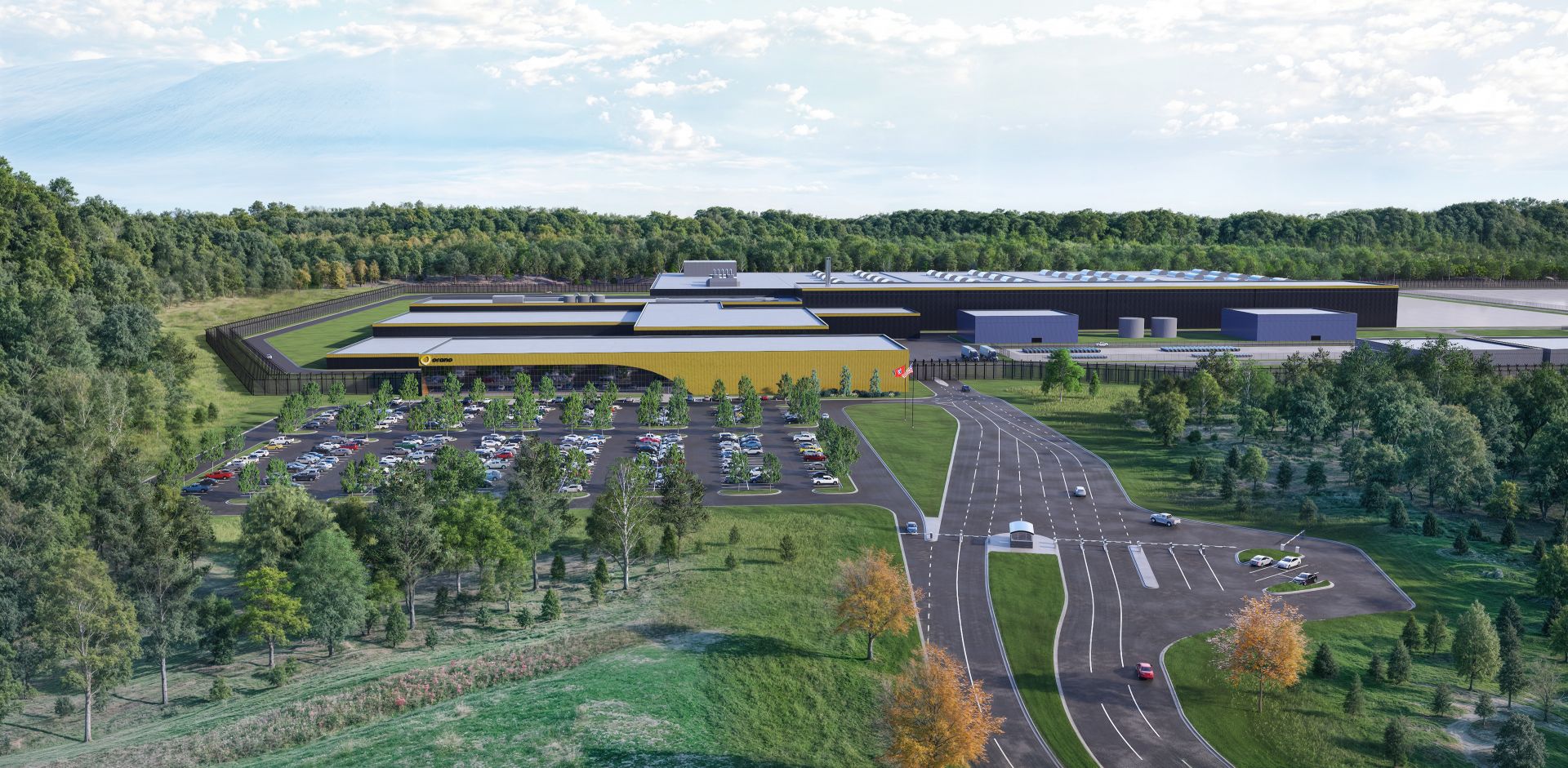
테네시주 오크 리지(Oak Ridge)에 계획된 오라노(Orano)의 프로젝트 아이크(Project Ike) 시설 개념도. (이미지: 오라노(Orano))
오라노 USA(Orano USA)는 4월 22일, 북미건설노동조합(North America's Building Trades Unions, NABTU)과 양해각서(MOU)를 체결했다고 발표했다. 이번 MOU는 테네시주 오크 리지(Oak Ridge, Tenn.)에 건설 예정인 50억 달러 규모의 원심분리 우라늄 농축 시설, 프로젝트 아이크(Project Ike) 건설을 지원하기 위한 양측의 협력 관계를 명시한 것이다.
오라노(Orano)에 따르면, 이번 MOU는 상업적·정부적 기대에 부응하여 프로젝트를 일정 내에 완료하겠다는 공동의 의지를 반영한다. 회사 측은 75만 평방피트 규모로 계획된 이 시설의 건설 단계에서 1,000명 이상의 인력이 고용될 것으로 예상한다고 밝혔다.
농축 가동은 2030년대 초에 시작될 것으로 예상된다.
면허 신청: 3월 27일, 오라노(Orano)는 원자력규제위원회(Nuclear Regulatory Commission, NRC)에 프로젝트 아이크(Project Ike) 면허 신청서의 기술 부문을 제출했다. 이를 통해 회사는 부산물, 원료, 특수 원자력 물질의 수령, 취득, 보유 및 이전이 가능하게 된다.
신청서에는 오라노(Orano)의 통합 안전 분석, 공정 안전 정보, 임계 안전·화학 안전·화재 안전에 관한 분석, 그리고 필수 보안 및 안전 조치 정보가 포함되어 있다.
4월 22일 공개된 오라노(Orano)의 신청서에 따르면, 프로젝트 아이크(Project Ike)는 연간 약 740만 분리 작업 단위(SWUs)를 생산할 수 있을 것이다. 회사는 동일한 4개의 분리 건물 모듈(SBMs)을 사용하여 천연 우라늄 육불화물을 U-235 함량 최대 10퍼센트의 제품으로 농축할 계획이다. 각 분리 건물 모듈(SBM)은 다시 두 개의 모듈로 나뉘며, 각 모듈에는 연간 약 92만 5,000 SWU를 생산할 수 있는 12개의 원심분리 캐스케이드(cascade)가 포함된다.
오라노 USA(Orano USA)의 최고경영자 장-뤽 팔라예(Jean-Luc Palayer)는 신청서 제출을 발표하며 이렇게 말했다. "우라늄 농축 시설을 안전하고 보안적으로 운영해 온 수십 년의 경험은 프로젝트 아이크(Project Ike) 면허 신청서에 담긴 모든 분석, 모든 설계, 모든 공정의 근간입니다. 우리는 NRC와의 시의적절한 협력과 진전을 기대합니다."
배경: 1953년 아이젠하워(Eisenhower) 대통령이 유엔(United Nations)에서 행한 역사적인 "평화를 위한 원자력(Atoms for Peace)" 연설에서 이름을 따온 프로젝트 아이크(Project Ike)의 개발은 2024년 9월, 테네시주 빌 리(Bill Lee) 주지사가 오라노(Orano)가 시설 건설의 최적 후보지로 오크 리지(Oak Ridge)를 선정했다고 발표하면서 시작되었다.
1월에는 에너지부(Department of Energy, DOE)가 저농축 우라늄 공급을 위해 오라노(Orano)를 9억 달러 지원 대상으로 선정했다고 발표했다. 오라노(Orano)는 프로젝트 아이크(Project Ike) 건설을 위해 DOE 오크 리지 보호구역(Oak Ridge Reservation) 내 624에이커 부지를 확보했다.
---
AI 분석
오라노(Orano)의 프로젝트 아이크(Project Ike) 추진은 미국의 우라늄 농축 역량을 국내에서 강화하려는 전략적 움직임으로 해석된다. 북미건설노동조합(NABTU)과의 MOU 체결은 대규모 원자력 인프라 건설에 있어 노동력 확보와 협력 구조를 조기에 공식화했다는 점에서 의미가 있다. 연간 740만 SWU의 생산 능력은 미국 내 원자력 발전소의 연료 공급 안정화에 실질적으로 기여할 수 있는 규모다. 에너지부(DOE)의 9억 달러 지원과 NRC 면허 신청 진행은 정부 차원의 지지를 보여주며, 2030년대 초 가동을 목표로 하는 일정이 탄력을 받고 있음을 시사한다. 러시아산 우라늄 의존도를 줄이려는 서방 국가들의 공급망 다변화 흐름 속에서, 이 프로젝트는 에너지 안보 측면에서도 중요한 이정표가 될 전망이다.
테라파워(TerraPower)가 와이오밍(Wyoming)주 케머러(Kemmerer)에 미국 최초의 유틸리티 규모 첨단 원자력 발전소 건설을 공식 착공했다.
원자력규제위원회(NRC)는 2026년 3월 초 케머러-1(Kemmerer-1) 건설 허가를 승인했으며, 이는 NRC가 약 10년 만에 처음으로 상업용 원자로를 승인한 것이자 40년 이상 만에 처음으로 비경수로(non–light water reactor) 상업용 원자로를 승인한 것이다.
테라파워는 메타(Meta)와 2035년까지 최대 8기의 나트륨 유닛을 공급하는 계약을 체결했으며, 영국에서도 나트륨 원자로가 규제 검토 절차에 수용되는 등 상업화 계획을 적극 추진 중이다.
---
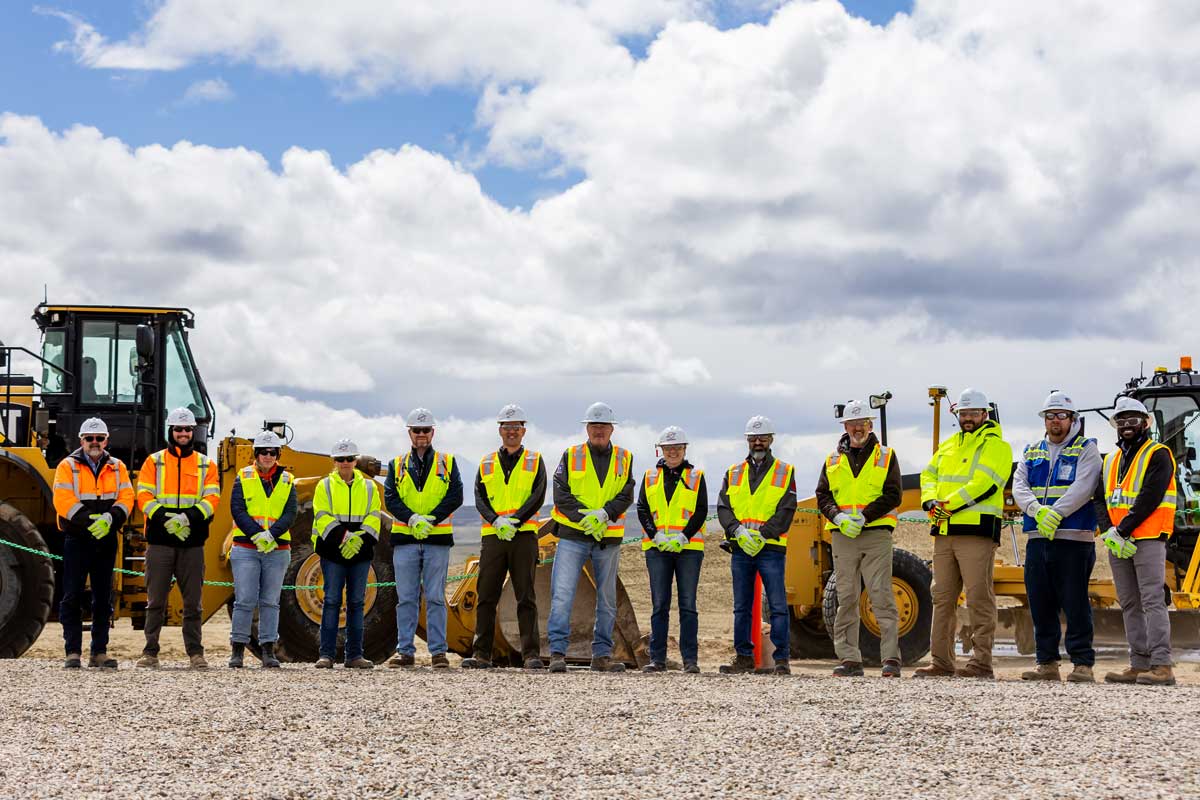
(사진: 테라파워(TerraPower))
와이오밍주 케머러에 위치한 테라파워(TerraPower)의 첫 번째 나트륨(Natrium) 발전소 건설이 공식 착공되었다. 이 회사는 해당 실증 시설이 미국 최초의 "유틸리티 규모 첨단 원자력 발전소"가 될 것으로 기대하고 있다. 이 시설은 345MWe 규모의 나트륨 냉각 고속 원자로와 용융염 기반의 열 저장 시스템을 통합하여 일시적으로 출력을 500MWe까지 높일 수 있는 설계를 갖추고 있다.
원자력규제위원회(NRC)는 3월 초 케머러-1에 대한 건설 허가를 승인했다. 이는 NRC가 약 10년 만에 처음으로 상업용 원자로를 승인한 것이자, 40년 이상 만에 처음으로 상업용 비경수로를 승인한 것이다.
상업화의 청사진: 테라파워(TerraPower) CEO 크리스 레베스크(Chris Levesque)는 착공 시작에 대해 이렇게 말했다. "이 순간은 우리 업계가 한 세대 동안 (오랜 기간에 걸쳐) 이루고자 했던 것입니다. 우리는 단순히 와이오밍에 최초로 원자력 발전소의 첫 삽을 뜨는 것이 아니라, 미국의 차세대 에너지 인프라를 구축하고 있습니다. 나트륨 발전소는 전력망에 안정적이고 유연한 전력을 공급할 것이며, 케머러 유닛 1은 전국 및 전 세계에 걸쳐 나트륨 발전소 군을 구축하기 위한 상업화 청사진 역할을 할 것입니다."
케머러-1의 개발은 은퇴를 앞둔 석탄 화력 발전소 인근 부지가 선정된 2021년으로 거슬러 올라가며, 에너지부(Department of Energy)의 첨단 원자로 실증 프로그램(ARDP: Advanced Reactor Demonstration Program)의 지원을 받고 있다. 테라파워는 2024년 6월 해당 프로젝트의 비원자력 지원 시설 부지의 일부인 그린필드(greenfield, 신규 부지) 현장에서 첫 착공식을 가진 바 있다.
벡텔(Bechtel)은 나트륨 프로젝트의 엔지니어링, 조달, 건설(EPC) 파트너로 테라파워와 협력하고 있다. 벡텔(Bechtel) 원자력·안보·환경 사업부 총괄 데나 볼로바르(Dena Volovar)는 이 "중요한 진전"에 대해 다음과 같이 말했다. "우리는 이 최초의 프로젝트에서 테라파워와 파트너십을 맺게 된 것을 자랑스럽게 생각하며, 첨단 원자로가 보다 청정하고 신뢰할 수 있는 에너지 미래를 지원하기 위해 어떻게 구현될 수 있는지에 대한 청사진을 마련하는 데 기여하게 되어 기쁩니다."
와이오밍에 대한 전망: 테라파워에 따르면, 발전소 건설에는 약 1,600명의 인력이 투입될 예정이다. 건설은 2030년까지 완료될 것으로 예상되며, 운영 이후에는 약 250명의 상근 직원을 고용하게 된다. 이 시설은 와이오밍주 최초의 상업용 원자력 발전소가 될 것이다.
와이오밍 주지사 마크 고든(Mark Gordon)은 다음과 같이 말했다. "케머러에 테라파워의 나트륨 발전소 건설이 시작된 것은 와이오밍뿐 아니라 미국 에너지의 미래에 있어 중요한 이정표입니다. 이 날을 이루기 위해 테라파워 모든 구성원들의 노고에 감사드립니다. 와이오밍은 오랫동안 이 나라에 에너지를 공급해 왔으며, 오늘 우리는 다시 한번 선두에 서게 되었습니다. 이번에는 차세대 원자력 기술 분야에서입니다. 이 프로젝트는 안정적인 에너지, 양질의 일자리, 그리고 혁신과 와이오밍의 가치 위에 세워진 미래에 대한 우리의 헌신을 반영합니다."
나트륨 프로젝트의 초기 후원자인 퍼시피코프(PacifiCorp)는 아직 이 프로젝트에 대한 전력구매계약(PPA)을 발표하지 않은 상태다. 착공 시작에 관한 테라파워의 공식 발표에는 퍼시피코프(PacifiCorp)가 아닌 그 자회사인 로키마운틴파워(Rocky Mountain Power)의 인용문이 포함되었다.
로키마운틴파워(Rocky Mountain Power) 사장 딕 갈리시(Dick Garlish)는 자사가 "균형 잡힌 모든 선택지를 활용하는(all-of-the-above, 가능한 모든 에너지원을 고려하는) 에너지 전략을 지지한다"고 말했다. 그는 "기저부하(baseload) 전력은 고객에게 안정적인 전력을 공급하는 데 필수적이며, 나트륨 프로젝트와 같은 첨단 원자력 기술은 유망한 자원"이라고 덧붙였다.
상업화 계획: 테라파워는 케머러 프로젝트를 넘어 나트륨 기술을 상업화하겠다는 야심찬 계획을 갖고 있다. 1월에는 메타(Meta)와 2035년까지 최대 8기의 나트륨 유닛을 공급하는 계약을 체결했으며, 첫 두 기는 2032년 이른 시점에 공급될 예정이다.
2월에는 영국의 일반 설계 평가(GDA: Generic Design Assessment) 규제 당국이 나트륨 원자로를 검토 대상으로 수용했다.
---
AI 분석
테라파워(TerraPower)의 케머러 나트륨 발전소 착공은 미국 원자력 산업의 역사적 전환점으로, 40년 이상 침체되었던 신규 원자로 기술 승인 및 건설이 재개되었음을 의미한다. 345MWe 나트륨 냉각 고속 원자로와 용융염 열 저장 시스템의 결합은 재생에너지의 간헐성을 보완하는 유연한 전력 공급원으로서 원자력의 새로운 역할을 제시한다. 메타(Meta)와의 8기 공급 계약 및 영국의 규제 수용은 나트륨 기술의 국제적 상업화 가능성을 높이며, 데이터센터 등 대규모 전력 수요처를 위한 첨단 원자력의 새로운 시장을 열어가고 있음을 보여준다. 와이오밍주 최초의 상업용 원자력 발전소로서 이 프로젝트는 탈탄소화와 지역 경제 활성화를 동시에 추구하는 에너지 전환 모델의 사례가 될 것이다. 2030년 준공 목표와 함께 미국 및 글로벌 원자력 르네상스(renaissance, 부흥)의 기폭제가 될지 주목된다.
체르노빌 사고 40주년을 맞아 IAEA 사무총장이 공식 메시지를 발표한 것은 원자력 안전에 대한 국제사회의 지속적인 관심을 상징한다. 1986년 발생한 체르노빌 사고는 역사상 가장 심각한 원자력 사고 중 하나로, 이후 전 세계 원자력 안전 기준과 규제 체계에 근본적인 변화를 가져왔다. IAEA는 이 사고를 계기로 원자력 안전 협약 체결을 주도하는 등 국제 원자력 안전 거버넌스 강화에 핵심적인 역할을 해왔다. 이번 기념 메시지는 단순한 과거 추모를 넘어, 현재 우크라이나 전쟁 상황에서 자포리자(Zaporizhzhia) 등 원자력 시설의 안전이 위협받고 있는 현실에 대한 경각심을 높이는 의미도 내포하고 있다. 40년이 지난 오늘도 체르노빌의 교훈은 원자력 에너지의 안전한 활용을 위한 국제 협력의 중요성을 일깨워 주고 있다.
뉴햄프셔 하원이 4월 23일 유틸리티 기업의 첨단 원자력 원자로 건설 및 소유를 허용하는 상원 법안 447호를 부결시켰다.
해당 법안은 300메가와트 이하의 첨단 원자로 소유를 허용하는 내용으로, 상원은 통과시켰으나 하원 위원회가 만장일치로 반대 권고하였다.
유틸리티의 발전 설비 소유 허용 문제는 수직 통합 독점 부활 우려 등으로 지속적인 논란이 되어 왔으며, 유사 법안이 작년에도 하원에서 부결된 바 있다.
---
CONCORD — 뉴햄프셔 하원은 4월 23일 유틸리티 기업이 첨단 원자력 원자로를 건설하고 소유하는 것을 허용하는 법안에 대해 반대 투표를 실시하였다.
상원 법안 447호는 구두 표결(voice vote)로 동의 안건 일정(consent calendar)에서 부결되었다. 나슈아(Nashua) 출신 공화당 상원의원 케빈 아바드(Kevin Avard)가 주요 발의자로 나선 이 법안은 유틸리티가 용량 300메가와트 이하의 "첨단" 원자력 원자로를 소유할 수 있도록 허용하는 내용을 담고 있으며, 이는 뉴햄프셔에서 유일하게 가동 중인 시브룩(Seabrook) 원자력 발전소 규모의 약 4분의 1에 해당한다.
다른 상원 공화당 의원 세 명과 하원 공화당 의원 세 명이 공동 발의한 이 법안은 이전에 상원에서 구두 표결로 통과된 바 있다. 그러나 이번 달 하원에서는 과학·기술·에너지 위원회가 만장일치로 법안 권고에 반대하였다.
하원과 상원 의원들은 최근 몇 년간 유틸리티가 첨단 원자력 자원을 소유하는 것을 허용하는 법안을 반복적으로 발의해 왔으나, 해당 기술은 아직 가상의 단계에 머물러 있으며 미국 내에서 아직 승인되지 않은 상태이다. 그러나 세부 사항을 놓고 의견이 엇갈려 왔으며, 작년에도 상원 법안 447호와 유사한 내용의 법안이 하원에서 부결된 것이 그 예이다.
유틸리티의 발전 설비 소유를 허용하는 구상은 분열을 초래하는 문제로 입증되어 왔다(논쟁을 불러일으키는 사안임이 드러났다). 반대론자들은 이러한 조치가 유틸리티 기업들이 전력 시장에 대한 수직 통합 독점 체제를 재확립하는 데 도움이 될 것이라고 주장한다. 규제를 받는 이들 기업은 1990년대 중반 이후 발전 설비 소유가 금지되어 전력 배급망 운영에만 종사해 왔다. 그러나 최근 법률들은 유틸리티가 5메가와트 미만의 태양광 발전소 같은 소규모 재생에너지 발전 설비를 소유할 수 있도록 그 권한을 확대해 왔으며, 상원 법안 447호 및 유사 법안의 지지자들은 이러한 법안들을 재생에너지를 넘어 해당 허용 범위를 확대하는 방안으로 제시하고 있다.
이 상원 법안에는 다른 연료원을 보유한 에너지 발전 사업자들에게 혜택을 주는 조항도 포함되어 있었다. 예를 들어, 저·중소득층 대상 태양에너지 사업에 관한 주(州) 연간 상한선 인상, 그리고 신규 건설 발전 사업자와 유틸리티가 최대 20년 장기 계약을 체결할 수 있는 능력의 연장 등이 포함되어 있었다.
---
AI 분석
뉴햄프셔 하원의 이번 법안 부결은 미국 내 첨단 원자력 기술 도입을 둘러싼 정치적·규제적 복잡성을 잘 보여준다. 상원에서 통과된 법안이 하원 위원회에서 만장일치로 반대 권고를 받은 것은, 첨단 원자력 기술이 아직 상용화되지 않은 상황에서 입법 추진이 선제적이라는 우려가 반영된 결과로 볼 수 있다. 유틸리티의 발전 설비 소유 허용 문제는 1990년대 전력 시장 자유화 이후 지속적으로 논란이 되어 온 사안으로, 독점 부활에 대한 우려가 원자력 정책 논의와 복잡하게 얽혀 있다. 이번 부결이 작년에 이어 반복됨으로써, 유틸리티의 원자력 발전 소유를 허용하는 법안이 뉴햄프셔에서 통과되기 위해서는 상당한 정치적 합의가 필요함을 시사한다. 그러나 에너지 안보 및 탈탄소화에 대한 사회적 관심이 높아지는 만큼, 향후 유사한 법안 발의 시도는 계속될 것으로 전망된다.
백악관이 연방 소유 유틸리티 테네시 밸리 오소리티(TVA)에 원자력규제위원회(NRC)의 규정 초안을 사전에 공유하며, 원자력 안전 규정 형성 과정에서 누가 영향력을 행사하는지에 대한 논란이 일고 있다.
트럼프(Trump) 행정부는 독립 기관에 대한 정치적 책임 강화를 목적으로 NRC가 제안 규정을 백악관 심사에 회부하도록 지시했으며, 이는 약 100년간의 선례를 뒤집는 조치다.
인공지능 데이터센터의 폭발적인 전력 수요에 대응하기 위해 원자력 발전 부흥을 추진하는 과정에서, 원자로 승인 절차의 신속화를 위한 규제 개편이 추진되고 있다.
---
백악관은 연방 소유 유틸리티인 테네시 밸리 오소리티(Tennessee Valley Authority, TVA)에 원자력규제위원회(Nuclear Regulatory Commission, NRC) 초안에 대한 사전 열람 기회를 제공하고 있어, 성장하는 원자력 산업의 안전 규정을 누가 주도적으로 형성할 수 있는지에 대한 의문이 제기되고 있다.
7개 주에 걸쳐 1,000만 명 이상에게 전력을 공급하는 이 유틸리티는, 트럼프(Trump) 행정부가 NRC에 최근 도입한 비공개 백악관 심사 절차를 통해 원자력 발전 규정 초안에 대한 피드백을 제출하고 있다. NRC는 TVA의 7기 원자로를 포함해 미국의 54기 원자력 발전소를 감독하며, TVA의 7기 원자로는 해당 유틸리티 전력 공급의 5분의 2를 담당하고 있다.
도널드 트럼프(Donald Trump) 대통령은 독립 기관에 대한 정치적 책임을 강화하려는 광범위한 노력의 일환으로, 2025년 2월 NRC가 제안 규정을 백악관 심사에 회부하도록 지시했다. 이 심사 방식은 거의 100년에 걸친 관행에서 벗어난 것으로, 이제 해당 기관들은 행정부의 의견을 기다리는 동안 종종 아무런 정보도 전달받지 못하는 상황에 놓이게 됐다.
NRC는 트럼프 행정부의 주요 관심 대상으로, 대통령은 2025년 5월 NRC의 법률 전면 개정 및 대규모 조직 개편을 지시했다. 트럼프 행정부는 인공지능 데이터센터의 막대한 전력 수요를 충족하기 위한 원자력 발전 부흥을 이끌기 위해, 원자로 승인을 위한 신속한 절차를 확립하길 희망하고 있다.
---
AI 분석
이 기사는 트럼프 행정부가 원자력 발전 확대를 위해 규제 기관인 NRC의 독립성을 약화시키고 있다는 점에서 주목할 만하다. 연방 소유 유틸리티인 TVA가 백악관의 비공개 심사 과정을 통해 규정 초안에 피드백을 제출할 수 있다는 사실은, 규제 기관의 독립성과 공공 이익 보호 사이의 균형에 대한 우려를 낳는다. 특히 AI 데이터센터의 폭발적인 전력 수요가 원자력 규제 완화의 명분으로 활용되고 있다는 점은, 안전 기준 완화에 따른 잠재적 위험성에 대한 논의를 촉발할 수 있다. 이 같은 움직임은 원자력 산업의 성장을 가속화할 수 있는 반면, 규제 포획(regulatory capture)—즉 규제 기관이 피규제 업체의 이익에 종속되는 현상—의 위험성을 내포하고 있다. 향후 미국 원자력 정책의 방향성과 안전 규제의 신뢰성에 중요한 시험대가 될 전망이다.
아마존(Amazon)이 지원하는 원자력 IPO, X-에너지(X-Energy) 거래 첫날 27% 급등
By 아비 살츠만(Avi Salzman)
---
요약
카테고리: 현황
원자력 소형 모듈 원자로 개발사 X-에너지(X-Energy)가 나스닥(Nasdaq) 상장 첫날 27% 급등하며 화려한 데뷔를 장식했다.
주가는 $29.20까지 상승했으며, 오후 1시 직전 나스닥에서 거래를 시작했다.
아마존(Amazon)의 지원을 받은 이 원자력 기업의 상장은 소형 모듈 원자로(SMR) 섹터에 대한 투자자들의 높은 관심을 반영한다.
---
이 사본은 귀하의 개인적, 비상업적 사용을 위한 것입니다. 본 자료의 배포 및 사용은 당사의 구독자 계약 및 저작권법에 의해 규율됩니다. 비개인적 사용 또는 다수의 사본 주문을 원하시는 경우, 다우 존스 리프린츠(Dow Jones Reprints)에 1-800-843-0008로 연락하시거나 www.djreprints.com을 방문해 주십시오.
X-에너지(X-Energy)가 오늘 나스닥에서 거래를 시작했다. (마이클 네이글(Michael Nagle)/블룸버그(Bloomberg))
원자력 원자로 개발사 X-에너지(X-Energy)의 주식이 거래 첫날 급등했다. 금요일 오후 1시 직전 나스닥(Nasdaq) 상장 직후 27% 상승하여 $29.20을 기록했다.
---
AI 분석
X-에너지(X-Energy)의 나스닥 상장 첫날 27% 급등은 소형 모듈 원자로(SMR) 기술에 대한 투자자들의 강한 신뢰를 보여준다. 아마존(Amazon)과 같은 빅테크 기업의 전략적 지원은 원자력 에너지 스타트업의 시장 신뢰도를 크게 높이는 데 기여했다. 이는 데이터센터 수요 급증과 탄소 중립 목표 달성을 위해 청정 에너지원으로서 원자력의 역할이 재조명받고 있는 흐름과 맥을 같이한다. 이번 상장은 차세대 원자력 기술 기업들의 자본 시장 접근이 가속화되고 있음을 시사하며, 향후 SMR 섹터 전반에 긍정적인 파급 효과를 가져올 것으로 기대된다.
원자력 스타트업 엑스에너지(X-energy)가 IPO를 통해 주당 23달러에 4,430만 주를 매각, 당초 목표였던 약 8억 달러를 크게 웃도는 10억 달러 조달에 성공했다.
엑스에너지(X-energy)는 소형 모듈형 원자로(SMR)를 개발 중이며, 다우(Dow) 및 아마존(Amazon)과 각각 텍사스 화학 공장 열·전력 공급 및 2039년까지 5기가와트 규모의 원자력 전력 판매 계약을 보유하고 있다.
Xe-100 원자로는 헬륨 가스 냉각 방식과 TRISO 연료 펠릿을 채택해 높은 안전성을 자랑하며, 데이터센터 등의 전력 수요 급증으로 시장의 주목을 받고 있다.
---
원자력 스타트업 엑스에너지(X-energy)는 어제 기업공개(IPO)를 통해 10억 달러를 조달했다. 주당 23달러에 4,430만 주를 매각한 것으로, 당초 제시한 주당 16달러에서 19달러 범위를 크게 웃도는 상당한 프리미엄이다. 처음에 이 회사는 약 8억 달러 조달을 목표로 했었다.
주식은 금요일 나스닥 거래소(Nasdaq Exchange)에서 티커 XE로 거래를 시작할 예정이다.
엑스에너지(X-energy)는 전력 생산 또는 산업 공정에 열을 공급할 수 있는 소형 모듈형 원자로를 개발하고 있다. 이 회사는 텍사스주 화학 공장에 열과 전력을 공급하기 위해 다우(Dow)와 계약을 체결했으며, 2039년까지 최대 5기가와트의 원자력 전력을 판매하기 위해 아마존(Amazon)과도 별도의 계약을 맺고 있다. 아마존의 기후 서약 펀드(Amazon's Climate Pledge Fund)가 엑스에너지(X-energy)의 시리즈 C-1 투자 라운드를 주도했다.
엑스에너지(X-energy)와 같은 원자력 스타트업들은 데이터센터와 그 밖에 전력화(electrifying, 기존 화석연료 기반 공정을 전력으로 전환하는 흐름)가 진행 중인 경제 각 분야에서 전력 수요가 급증하면서 상승 기류(buoyed, 호재를 타고 활기를 얻는 상황)를 타고 있다.
이 회사는 자사 원자로가 80메가와트의 전력을 생산할 것이라고 밝히고 있다. 각 Xe-100 원자로는 헬륨 가스로 냉각되며, 이 가스는 BB탄 크기의 TRISO 연료 펠릿이 가득 담긴 당구공 크기의 "펠릿 구체(pebbles)"를 통해 흐른다. TRISO 연료는 탄소와 실리콘으로 감싼 우라늄 핵으로 구성되어 있으며, 기존 연료 설계보다 더 안전하도록 수년 전에 개발되었지만 아직까지 널리 사용되지는 않고 있다. 엑스에너지(X-energy)는 자사 연료가 더 높은 온도를 견딜 수 있어 연료 봉쇄를 유지하고 노심 용융(meltdown, 원자로 과열로 핵연료가 녹아내리는 사고)의 가능성을 줄이는 데 도움이 된다고 밝히고 있다.
AI 분석
엑스에너지(X-energy)의 이번 IPO는 당초 목표를 25% 이상 초과 달성한 10억 달러 조달이라는 성과로, 원자력 에너지 분야에 대한 투자자들의 높아진 기대감을 반영한다. 데이터센터 전력 수요 폭증이라는 구조적 변화가 소형 모듈형 원자로(SMR) 기술에 대한 관심을 실질적인 자본 유입으로 전환시키고 있음을 보여주는 사례다. 아마존(Amazon) 및 다우(Dow)와의 장기 공급 계약은 기술 상업화에 앞서 수익 기반을 확보했다는 점에서 투자자 신뢰를 높인 핵심 요인으로 작용한 것으로 분석된다. 헬륨 냉각 방식과 TRISO 연료를 결합한 Xe-100의 안전성 설계는 기존 원자력 발전소에 대한 사회적 우려를 낮추는 데 기여할 수 있으나, 상업적 대규모 운용 사례가 아직 없다는 점은 여전히 리스크 요인으로 남는다. 향후 나스닥 상장 이후의 주가 흐름과 실제 원자로 건설 및 가동 일정이 이 회사의 장기적 성공 여부를 가늠하는 주요 지표가 될 것이다.
Diablo Canyon 2045 Coalition Launches to Protect California's Renewable Energy Transition & Lower Costs for Customers
Publish Date: Friday, April 24, 2026
TL;DR
A coalition of 25 organizations is urging California lawmakers to extend Diablo Canyon Power Plant operations to 2045, with an MIT study showing potential customer savings exceeding $20 billion, or $1.3 billion per year.
Diablo Canyon is California's only operating nuclear power plant, providing zero-emissions electricity to over 4 million Californians daily, saving 7 million tons of greenhouse gas emissions annually.
Current state law limits operations to 2030 despite the Nuclear Regulatory Commission certifying the plant safe to operate for another 20 years and California's projected 50% increase in energy demand by 2045.
Full Article
This is a paid press release. Contact the press release distributor directly with any inquiries.
The growing coalition of 25 organizations is asking California lawmakers to pass legislation this year to extend Diablo Canyon Power Plant to 2045
SACRAMENTO, Calif., April 23, 2026 — Today, organizations representing clean energy, labor, business, and other thought leaders announce Diablo Canyon 2045, a broad and growing coalition of groups and individuals that have come together to urge lawmakers to keep Diablo Canyon Power Plant open until 2045.
"Extending the life of Diablo Canyon this year will set California on a path to save customers money on their bills and ensure the state has a reliable source of clean energy as demand is expected to double by 2045," said John Grubb, Bay Area Council Interim President & CEO. "California must not take a step backwards on our climate goals and rely on fossil fuels to backfill energy needs."
Overview of Diablo Canyon Power Plant
Diablo Canyon Power Plant, California's only operating nuclear power plant, provides constant zero-emissions electricity to more than 4 million Californians every day. The plant recently received a license extension from the Nuclear Regulatory Commission, certifying it is safe and environmentally sound to operate for another 20 years. However, current state law doesn't allow for operations past 2030, despite California Energy Commission estimates that the state's energy demand will increase 50 percent by 2045 - that's equal to the output of nine Diablo Canyons.
MIT Study Findings
A study released this week by the Massachusetts Institute of Technology (MIT) found that extending Diablo Canyon to 2045, "displaces capacity from existing natural gas power plants, offers California the opportunity to deploy in-state renewable resources more economically, and delays the need for costly transmission upgrades."
The study found that the likely total savings for customers from extending the life of DCPP exceed $20 billion, or more than $1.3 billion per year. This equates to roughly $5.50 more per month that customers would pay on their electric bills if the Legislature fails to extend Diablo Canyon's operations past 2030.
Climate and Energy Benefits
"California has been able to maintain its transition to renewable energy because Diablo Canyon offers reliable carbon-free energy, saving 7 million tons of greenhouse gas emissions each year. The state will need this power source to stay on track with California's ambitious climate goals and continue the transition away from fossil fuels to clean energy," said Armond Cohen, Clean Air Task Force Executive Director.
"California's energy demand is rising. We need to keep our hardworking California-based zero carbon power sources, like Diablo Canyon, on the grid to stabilize utility prices and grid reliability, even as we work hard to bring significantly more renewable resources into our system," added Kate Gordon, California Forward CEO.
California has been able to maintain its transition to renewable energy because Diablo Canyon offers reliable carbon-free energy, saving 7 million tons of greenhouse gas emissions each year. The state will need this power source to stay on track with California's ambitious climate goals and continue the transition away from fossil fuels to clean energy.
Coalition Members
Organizations:
Atascadero Chamber
Bay Area Council
Business Council of San Joaquin County
California Forward
Central Coast Taxpayers Association
Central Valley Business Federation
Clean Air Task Force
Home Builders Association of the Central Coast
IEBW 1245
Mothers for Nuclear
Native Nuclear
New California Coalition
Nuclear is Clean Energy (NiCE) UC Berkeley
Oppenheimer Project
REACH
San Joaquin Valley Manufacturing Alliance
San Luis Obispo County COLAB
Santa Barbara County COLAB
Santa Barbara County Econ Alliance
Santa Barbara County Taxpayer Advocacy Center
Santa Maria Valley Chamber
SLO Chamber
South County Chambers of Commerce
Stand Up for Nuclear
TMG Partners
Elected Officials:
John Peschong, San Luis Obispo County Supervisor, District 1
Dawn Ortiz-Legg, San Luis Obispo County Supervisor, District 3
Heather Moreno, San Luis Obispo County Supervisor, District 5
Kassi Dee, Grover Beach Mayor
John Hamon, Paso Robles Mayor
Caren Ray Russom, Arroyo Grande Mayor
Charles Bourbeau, Atascadero Mayor
Ed Waage, Pismo Beach Mayor
Bob Nelson, Santa Barbara County Supervisor, District 4
Steve Lavagnino, Santa Barbara County Supervisor, District 5
Contact Information
Interviews available upon request.Contact: Megan Gamble, 916-832-1884, megan@calkinpa.com
We are a broad coalition of clean energy, business, labor, and other organizations, elected officials, and other thought leaders that support extending Diablo Canyon Power Plant operations to 2045 to ensure California's clean energy transition meets the need for reliable, affordable, carbon-free energy as electricity demand grows. We are urging the California legislature to pass a bill this year to extend operations. Visit http://diablocanyon2045.com for more information.
---
AI Analysis
This coalition announcement represents a significant effort to address California's energy infrastructure challenge through a pragmatic extension of its existing nuclear capacity. The MIT study's $20 billion savings estimate and emphasis on reducing reliance on natural gas plants provide compelling economic arguments beyond the traditional environmental case for nuclear energy. The broad coalition spanning labor, business, and clean energy advocates suggests mainstream support for reconsidering California's 2030 shutdown timeline, reflecting a potential shift in attitudes toward nuclear power as climate policy evolves. However, the success of this initiative will likely depend on how effectively proponents address public safety concerns and demonstrate that extending Diablo Canyon can coexist with continued renewable energy deployment. The legislative deadline creates urgency for the coalition to convert its member base into sustained political pressure during what is expected to be a contentious debate.
Nuclear Microreactor Company Antares Opens Aiken Office
TL;DR
Antares, a nuclear microreactor company, opened a new office in Aiken, South Carolina on April 24 for planning and engineering work to support testing of their pickup-truck-sized reactors at Idaho National Lab before July 4.
The company is developing microreactors for disaster response, military applications, extreme environments, and water desalination, with partnerships already in place with the U.S. Air Force.
Aiken's 75-year nuclear heritage, skilled workforce, and community support make it an ideal location for Antares and are attracting other nuclear technology companies to the region.
Main Article
DSC_1501.JPGPictured from the left are Tom Mancinelli, Rep. Joe Wilson, Matt Griffin and Brad Reardon at the Antares office at 106 Park Ave. SW in Aiken on April 24.DSC_1513.JPGU.S. Rep. Joe Wilson in Aiken on April 24.DSC_1534.JPGPictured from the left are Tom Mancinelli and Brad Reardon at the Antares office at 106 Park Ave. SW in Aiken on April 24.DSC_1536.JPGU.S. Rep. Joe Wilson speaks at the Antares office at 106 Park Ave. SW in Aiken on April 24. Also pictured from the left are Matt Griffin, Gary Bunker, Teddy Milner, and Lessie Price.DSC_1557.JPGPictured from the left at the ribbon cutting for the Antares office at 106 Park Ave. SW in Aiken on April 24 are Charlie Hartz, Brad Rearden, Matt Griffin, Jim Tunison, Teddy Milner, Tom Mancinelli, Lessie Price, Joe Wilson and Gary Bunker.DSC_1561.JPGPictured from the left at the ribbon cutting for the Antares office at 106 Park Ave. SW in Aiken on April 24 are Charlie Hartz, Brad Rearden, Matt Griffin, Jim Tunison, Teddy Milner, Tom Mancinelli, Lessie Price, Joe Wilson and Gary Bunker.DSC_1570.JPGPictured from the left at the ribbon cutting for the Antares office at 106 Park Ave. SW in Aiken on April 24 are Teddy Milner, Tom Mancinelli, Lessie Price, Joe Wilson and Gary Bunker.
Company Background and Mission
AIKEN — Antares, a company developing pickup-truck-sized nuclear microreactors, cut the ribbon April 24 at an office in Aiken for planning and engineering.
This is a facility from which we are doing planning, we are doing engineering work that is leading to a reactor that we're going to turn on at Idaho National Lab here in the coming weeks before July 4.
said Tom Mancinelli, the company's head of strategy and policy.
Federal Testing Initiative
Last May, the president put out an executive order that said the Department of Energy needed to reform the way we were doing nuclear reactor testing, to test more of them.
Mancinelli explained.
In that executive order, he said we need to test three of these before July 4. We at Antares are proud to say that we are working diligently toward being one of those companies and one of those reactors, and we're doing the engineering work, a good bit of it, right here in Aiken.
Applications and Partnerships
Antares is developing the microreactors to provide power during natural disasters, in military applications and warfare, for use in extreme environments where fuel for diesel generators freezes or is prohibitive to supply and for water desalination.
We're already partnering with the Air Force, and we hope we can do more, partnering with the Army and with NASA to really adopt advanced nuclear energy technology, for national security, for energy resilience, and, frankly, for quality of life for Americans, to lower our electricity costs.
Mancinelli said.
Congressional and Local Support
He said
there has been no greater champion for nuclear on the federal level than Rep. Joe Wilson, who was present at the ribbon cutting. He is the only Congressman who has worked at the Savannah River site, and he's proud of that.
We're in a whole new world. Much of it, truly, to me, begins right here.
Wilson said.
This is such a pro-nuclear community, beginning with the jobs created, with the opportunities created. It means security for our country. It means jobs.
Manufacturing and Design Specifications
Antares is building and testing components for the microreactors in Torrance, California. The reactors would be assembled in the factory and shipped by truck, rail, aircraft or ship, and are designed to operate for six years in harsh and remote environments without refueling.
Community and Economic Impact
This company, these guys, they are actively building the future and what the future of energy looks like.
said Jim Tunison, president and CEO of the Aiken Chamber of Commerce.
Matt Griffin, Antares' head of nuclear affairs, said interest is growing in Aiken as a center for nuclear technology companies.
There are other companies saying, 'We want to come here. We want to see how much this town has to offer, with our workforce and all the engineering that we're starting to do out of this office.'
Griffin said.
The reason I'm here is because of all of you, certainly the congressman, his leadership, that's what brings people like me to this town, and I'm just so happy to be here.
he said.
Thirty years ago, it looked a little grim for the nuclear industry, and now it's just absolutely wonderful to see a beach head established here in Aiken by your company in support of microreactors.
said Gary Bunker, chairman of Aiken County Council.
I can't imagine a better place you'd want to be in from a workforce standpoint, and this is a community that very much supports nuclear endeavors.
Bunker said.
Aiken's Nuclear Legacy
This is a community that has literally opened up its arms to us from day one, and we are so grateful to be a part of it.
Mancinelli said.
Aiken believed in nuclear before it was cool. Aiken believed in nuclear for a long time. Aiken's been doing nuclear for the last 75 years. You're nuclear knowledgeable, you're nuclear friendly.
Mancinelli told attendees.
There's momentum here in this state, thanks to the leadership of Gov. McMaster and the announcements made related to VC Summer and Santee Cooper, and so it makes sense for us to be here.
Savannah River [Site], it's a national asset, and I think it's a national asset, frankly, that's underutilized.
Mancinelli said.
I think we're going to play a key role in the nuclear future.
Tunison said.
AI Analysis
This article highlights a significant development in the advanced nuclear energy sector, with Antares establishing a regional operations hub in South Carolina's established nuclear corridor. The convergence of federal support through the Department of Energy's testing initiative, regional nuclear expertise from the Savannah River Site, and a community with decades of nuclear industry experience creates favorable conditions for microreactor development and commercialization. The emphasis on military partnerships and disaster resilience applications reflects the strategic importance of distributed, small-scale nuclear power in national security and infrastructure resilience, particularly as supply chain vulnerabilities and climate resilience concerns grow. Aiken's positioning as a nascent microreactor hub could represent a significant economic diversification opportunity for the region beyond traditional large reactor manufacturing and remediation work.
Average US electricity prices rose 9% year over year in February: EIA
Published: April 24, 2026
TL;DR
U.S. electricity prices rose 9% year-over-year in February 2026, reaching 14.36 cents/kWh, with significant regional variations (Virginia +26.3%, Ohio +21.9%, Pennsylvania +19.5%)
All four economic sectors—residential, commercial, industrial, and transportation—saw price increases, with the transportation sector experiencing the highest jump at 23.6%
31 states and D.C. saw increased retail electricity sales volume, while coal consumption fell 11.3% nationwide and natural gas usage rose 1.5%
Full Article
Transmission lines in front of the Aligned Data Centers IAD-01 facility in Ashburn, Virginia.
Revenue per kilowatt hour for electricity — a proxy for retail rates — rose 9% on average this February compared to the same month last year — rising by 26.3% in Virginia, 21.9% in Ohio and 19.5% in Pennsylvania, according to a Thursday report from the U.S. Energy Information Administration.
"Total average revenues per kWh increased by 9.0% from last February, to 14.36 cents/kWh in February 2026," EIA said. Residential retail prices of electricity went up 7.4% year-over-year.
A chart from the U.S. Energy Information Administration showing electricity industry average revenue per kilowatt hour in February 2026 over February 2025.
All four sectors — residential, commercial, industrial and transportation — saw increases in average revenues per kWh compared to last February.
"The Transportation sector saw the highest increase, up 23.6%, then the Commercial sector, up 10.7%, followed by the Industrial sector, up 8.6%, and finally the Residential sector, up 7.4%," EIA said.
More electricity was also sold year-over-year this February, the agency found, and total net generation went up 1.2%.
"Thirty-one states and the District of Columbia saw an increase in retail sales volume in February 2026 compared to last February. Rhode Island had the highest year over year percent increase in retail sales, up 31%," EIA said.
Nineteen states saw a decrease in sales, led by Montana, which was down 10.8%.
EIA also found that "the Northeast and Mid-Atlantic saw sizable shifts to other fossil fuels being used to generate electricity this February compared to the previous year." Coal consumption fell nationwide by 11.3% that month, while natural gas consumption went up by 1.5%.
Due to below-average temperatures in the East and above-average temperatures in the West, wholesale electricity and natural gas prices saw "a large range" in the East and a "tight spread" in the West in February, EIA said.
"In February 2026, Southern Company and Progress Florida experienced the largest monthly ranges in daily peak electricity demand of all the selected electricity systems in the country. This occurred as these two electricity systems experienced cold snaps in early February 2026 that resulted in significantly increased demand for electricity," the agency said.
AI Analysis
The February 2026 EIA data reveals a complex electricity market shaped by regional demand variations, fuel mix shifts, and weather patterns. The significant year-over-year price increases across most states—particularly Virginia, Ohio, and Pennsylvania—suggest persistent upward pressure on electricity costs, likely driven by increased demand from data centers and the transportation sector's notable 23.6% price spike. The nationwide coal consumption decline coupled with natural gas uptick reflects the ongoing energy transition, while the wide regional variation in weather-driven demand patterns underscores the growing importance of grid flexibility and capacity planning in an increasingly electrified economy.
English
Chernobyl at 40 years: Looking back at Nuclear News-Nuclear Newswire
Chernobyl at 40 years: Looking back at _Nuclear News_
April 24, 2026
TL;DR
The Chernobyl nuclear accident occurred 40 years ago on April 26, 1986, and remains the most severe nuclear accident in history, with extensive coverage in _Nuclear News_ archives documenting its evolution and impact over four decades
The disaster prompted immediate global policy changes, formation of WANO, but also led some countries like Germany to abandon nuclear power entirely, creating complex and lasting consequences
While Chernobyl's legacy remains significant, current nuclear momentum is high worldwide with increasing public support, particularly among younger generations, suggesting the industry's impact from the disaster may be slowly fading
---
Chernobyl at 40 years: Looking back at _Nuclear News_
Sunday, April 26, at 1:23 a.m. local time will mark 40 years since the most severe nuclear accident in history: the meltdown of Unit 4 at the Chernobyl nuclear power plant in Ukraine, then part of the Soviet Union.
In the ensuing four decades, countless books, documentaries, articles, and conference sessions have examined Chernobyl's history and impact from various angles. There is a similar abundance of outlooks in the archives of _Nuclear News_, where hundreds of scientists, advocates, critics, and politicians have shared their thoughts on Chernobyl over the years. Today, we will take a look at some highlights from the pages of _NN_ to see how the story of Chernobyl evolved over the decades.
Chernobyl Photos Throughout the _Nuclear News_ Archive
A helicopter inspecting the damaged Chernobyl nuclear power plant. (Photo: _Nuclear News_, October 1986, p. 59; originally via _Soviet Life_)
Slider Photo
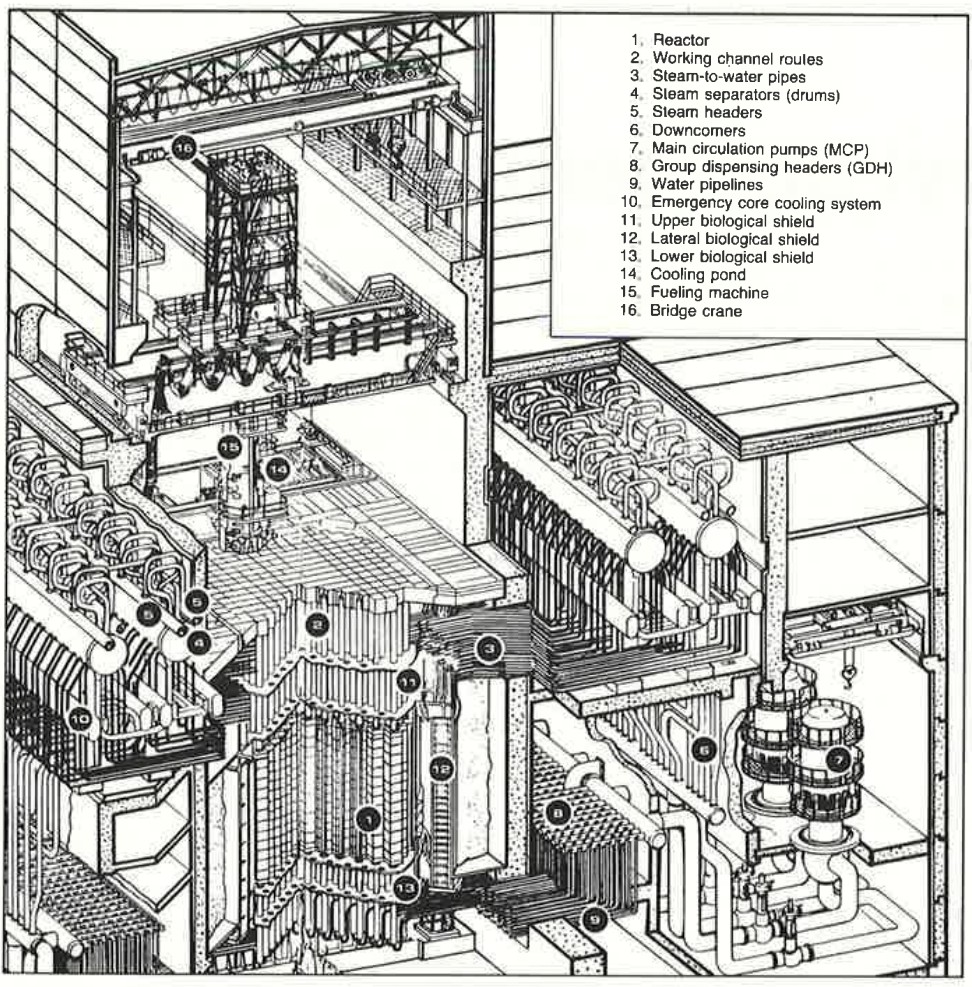
A sectional view of the RBMK-1000 reactor. (Source: _NN_, June 1986, p. 87; originally via _IAEA Bulletin_)
Slider Photo
The RBMK fuel assembly design. (Source: _NN_, June 1986, p. 89; originally via _Nuclear Energy_)
Slider Photo
A reactor hall at Chernobyl in 1982. (Source: _NN_, June 1986, p. 90; originally via AP/Wide World Photos)
Slider Photo
Turbines at Chernobyl, probably in the halls for Units 1 and 2, prior to the accident. (Photo: _NN_, June 1986, p. 94)
Slider Photo
The damaged Chernobyl site on May 9, 1986. (Photo: _NN_, June 1986, p. 87; originally via AP/Wide World Photos)
Slider Photo
Water being sprayed on the streets of a village near the plant after the accident. (Photo: _NN_, October 1986, p. 64; originally via _Soviet Life_)
Slider Photo
Maps prepared at Lawrence Livermore National Laboratory showing preliminary estimates of the radiation dispersion plume in the lower troposphere across the Northern Hemisphere in the days following the accident. (Source: _NN_, June 1986, p. 92)
Slider Photo
A radiation checkpoint at the edge of the 30-kilometer evacuation zone. (Photo: _NN_, October 1986, p. 66; originally via Sovfoto)
Slider Photo
In a late-1995 tour of the Chernobyl site, a visitor in the control room of Chernobyl-4 points to the location of the infamous scram button. (Photo: Simon Rippon/_NN_, April 1996, p. 32)
Slider Photo
The control room of Chernobyl-3 operating normally in 1995. (Photo: Simon Rippon/_NN_, April 1996, p. 34)
Slider Photo
One of Chernobyl's "self-settlers" and her dog, returning to life in the exclusion zone. (Photo: _NN_, April 2006, p. 43; originally via _Insight_)
Before the Accident
Chernobyl-4 entered operation in April 1984. It was preceded by three other units that entered operation in 1982, 1979, and 1978. There is only one notable reference to Chernobyl in the _Nuclear News_ archives prior to the 1986 accident. In the November 1982 issue of _NN_, the reactors at Chernobyl were described as part of a new fleet of 1000-MWe light water–cooled, graphite-moderated reactors. These LGRs were described as having a "somewhat smoother introduction" in the Soviet Union than previous reactor types due to the "modular nature" of their design.
_NN_ on the Accident
On April 29, 1986, the back page of Kyiv's main newspaper included a brief story headlined "Information of the Cabinet of Ministers of the USSR," which read:
An accident has occurred at the Chernobyl nuclear power station. One of the reactors was damaged. Remedial action is being taken to eliminate the consequences. Victims are being treated. A government commission of inquiry has been set up.
This undramatic first media accounting of the accident stands in sharp contrast to the expansive and detailed reporting that would soon follow. _NN_'s first article on the subject, titled simply "The Chernobyl Accident," came in the June 1986 issue.
There, Chernobyl is described as "the most serious" nuclear accident ever when measured by number of human casualties, the amount of radiation released, the physical damage to the plant, and "the resultant aggravations to already strained relations among nations."
_NN_ then gives a detailed description of how the accident developed. On April 26, during a scheduled maintenance shutdown of Unit 4, the reactor's power suddenly increased. Unknown to reporters at the time, this power increase was caused by a reactor operator pressing a button meant to scram the reactor by inserting control rods. The reason for this mistake remains unknown today. Due to a known design flaw in the control rods, their insertion, rather than reducing reactivity, briefly caused an increase in reactivity and heat. In the case of Chernobyl-4, circumstances were such that this increase in heat caused fuel to rupture, which led to a steam explosion.
Seconds later, a second explosion of a debated cause rocked the reactor. Both explosions caused immediate, extensive damage to the reactor and set the surrounding building ablaze. Coolant leaks followed shortly thereafter, after which came the most serious development: a fire in the hot graphite moderator. The heat of this fire (which was estimated to have been as high as 5,000°C) was likely one of the main factors in pushing a plume of radioactivity high into the atmosphere and distributing it widely across northern Europe.
About 36 hours after the first explosions, people within a 10-kilometer radius of Chernobyl began evacuating. A wider evacuation, encompassing a 30-kilometer radius, began five days later. Measurements showed that the maximum radiation levels within the expanded zone were as high as 10–15 millirems per hour. Local officials reported that, in all, more than 90,000 people were involved in this evacuation.
By June, at _NN_'s first reporting, nuclear projects were already being reconsidered, canceled, or paused in Yugoslavia, the Netherlands, Austria, Sweden, Denmark, and beyond.
One Decade Later
In late 1995, Simon Rippon, then international editor of _NN_, visited Chernobyl to see for himself how the power plant was faring a decade after the destruction of Unit 4. By then, the Soviet Union had dissolved, the larger evacuation area had roughly taken shape into a permanent exclusion zone, and Chernobyl's enduring legacy had significantly increased nuclear opposition in much of Europe.
Rippon reflected on how Chernobyl had already been established as probably the most written-about natural or man-made disaster ever, and how fear over radiation was now commonplace. Governments around the world "were not immune from the influence of these psychological fears," and made varied reforms to nuclear regulations that were "largely determined by socioeconomic, political, and psychological factors rather than by radiological factors."
At Chernobyl itself, "mountainous piles of scrap metal and equipment" were still present at the site, where two reactors still operated and a protective sarcophagus had been erected around Unit 4. (Unit 2 had been shut down in 1991 following an unrelated turbine fire.)
Despite Chernobyl's grim legacy, the mood at the plant was positive overall. Rippon talked with Artur Korneyev, the site's deputy manager, who had received a 120-rem dose during his three weeks supervising hectic cleanup operations on the roof of Unit 4's turbine hall but was nonetheless "happy to return" to his post.
Korneyev compared the first days after the explosion—shoveling fragments of hot fuel and graphite onto the still-smoldering heap of the destroyed reactor—to how things looked today. A newly painted sarcophagus, extensive roof repairs, and even groundwork being done to lay new grass were all, for Korneyev, indications that the plant was on the right track. He, and most everyone Rippon talked to, was in favor of the plant staying open (and Unit 2 being restarted) until 2010–2015 to raise funds (through electricity sales, which accounted for $200 million a year) for the extensive decommissioning and cleanup work the site would require.
20 Years On
Despite the hopes of the Chernobyl staff, Unit 2 was never restarted, and Units 1 and 3 were both shut down by the end of 2000. By 2006, when _NN_ did its next deep dive on Chernobyl, attention had turned to decommissioning, decontamination, and what the future of the exclusion zone would look like. Construction of the New Safe Confinement (NSC)—a structure built to protect the old, decaying sarcophagus and allow the complete dismantlement of the wreckage beneath—was underway.
Discord had arisen between Ukraine and the international community at the country's refusal to shut down Chernobyl's remaining units. When it relented and agreed to transition fully to the hard work of cleanup, aid flowed in from around the world to help Ukraine tackle the task.
As this complicated work progressed on many fronts, eyes turned to the exclusion zone. There, a striking and now well-known story began to emerge. "A renewed but wild landscape, teeming with vegetation" and animal life was thriving in the 30 kilometers around the plant. What's more, some people, dubbed "self-settlers," had moved back into their old homes in the exclusion zone and began carrying on with their everyday lives.
Looking Back Today
In 2016, 30 years after the disaster, the NSC was finally put in place. For Chernobyl, the last 20 years have been a slow story of arduous cleanup work—work that has been significantly challenged in recent years by the ongoing Russia-Ukraine war, most notably by a drone strike in 2025 that ripped a hole through the NSC.
Beyond Ukraine, many speculate on the overall impact that Chernobyl ultimately had on the peaceful development of nuclear power. Specific actions, both positive and negative, can be traced directly back to the disaster. The World Association of Nuclear Operators, or WANO, was formed in direct response to Chernobyl, and has done a massive amount of work to increase nuclear safety internationally. On the other hand, Germany's abandonment of its nuclear sector—which once provided more than half of the country's power—led to untold economic and environmental costs.
Chernobyl's legacy is cemented as one of the public's key touchstones with nuclear power. It remains a common talking point of nuclear opponents, and experts today continue to explain how the failures that led to the accident are now relics of an industry that bears little resemblance to the nuclear world of the 21st century.
Still, 40 years later, there are some indications that Chernobyl's impact is fading—nuclear momentum is high around the world, and public support, particularly among younger generations, is trending upward. As new plans for the next generation of reactors develop, Chernobyl is sure to stand as an reminder of why the nuclear industry works so hard to uphold its rigorous safety culture.
AI Analysis
This article effectively chronicles the evolution of Chernobyl's narrative through four decades of _Nuclear News_ coverage, demonstrating how the accident's meaning and significance have shifted with time and context. The piece highlights the critical tension between Chernobyl's role as a cautionary tale that catalyzed safety improvements and international cooperation (evidenced by WANO's formation) while simultaneously triggering irrational policy responses driven more by fear than radiological evidence, such as Germany's nuclear abandonment. The author's balanced perspective acknowledges both the disaster's legitimate technological lessons and the psychological dimensions that have complicated public discourse around nuclear energy. Notably, the article suggests a subtle shift in contemporary attitudes—younger generations show increasing nuclear support despite Chernobyl's legacy, indicating that institutional learning and improved safety culture may be gradually reshaping perceptions. This examination underscores how nuclear energy's future depends not just on technical advancement but on the industry's continued commitment to transparency and safety culture in response to historical disasters.
English
DOE RFI probes barriers to space reactor production-Nuclear NewsWire
DOE RFI Probes Barriers to Space Reactor Production
April 24, 2026
TL;DR
The Department of Energy has issued a request for information (RFI) seeking industry input on U.S. readiness to produce up to four space reactors within five years, with a response deadline of May 5.
The RFI asks for assessments of gaps and challenges related to reactor design, long-lead-time components, fuel allocation/production, manufacturing capacity, supply chain, and workforce issues.
This initiative follows Executive Order 14369 in December 2025 and aligns with NASA's plans for nuclear-powered rockets and lunar base fission surface power announced in March.
Full Article
The Department of Energy is asking for industry input on the United States' readiness to produce "up to four space reactors within five years," according to a request for information that opened on Tuesday.
With a quick turnaround—the deadline for responses is May 5—the RFI asks for an assessment of gaps or challenges related to reactor design, long-lead-time components, and fuel allocation or production.
The request is technology-inclusive, welcoming information related to any electrical and core thermal power, fuel type, heat transport system, and space mission profile.
What to Include
The RFI asks submitters to provide information on the following:
Status of space nuclear reactor–related products and designs.
Parameter envelope of products.
Challenges that could constrain the ability to build the product at the rate required to produce four units in five years, including manufacturing capacity, supply chain, workforce, facilities and infrastructure, and other considerations.
Issues that cannot be resolved through additional funding alone.
Critical items that have one or fewer qualified domestic suppliers.
Uniqueness of a product on the U.S. market.
Recommendations of near- and long-term actions to address named challenges.
The assessment is being conducted by an independent assessment team at Idaho National Laboratory on behalf of the DOE.
Background
There has been a flurry of activity around nuclear applications in space following the December 2025 Executive Order 14369, "Ensuring American Space Superiority." In March, NASA announced plans for a nuclear-powered rocket and fission surface power for a lunar base. Last week, the White House Office of Science and Technology Policy outlined the expectations of NASA, the DOE, and the Department of Defense's involvement in this initiative, including an instruction to leverage private industry resources.
AI Analysis
This RFI represents a significant acceleration of U.S. efforts to develop space nuclear propulsion and power systems, driven by recent executive-level directives emphasizing space superiority. The aggressive five-year timeline for producing four reactors indicates the government is treating this as a high-priority national initiative, requiring coordinated efforts across NASA, DOE, and private industry. The inclusive technology approach and focus on identifying supply chain and manufacturing bottlenecks suggest the DOE is taking a practical, pragmatic approach to understanding what's feasible rather than prescribing specific reactor designs. The May 5 deadline creates urgency for industry stakeholders to mobilize responses, making this a pivotal moment for commercial space nuclear technology development.
English
Orano signs MOU with trade union for Project Ike construction-Nuclear Newswire
Orano signs MOU with trade union for Project Ike construction
Published: April 24, 2026
TL;DR
Orano USA signed a memorandum of understanding with North America's Building Trades Unions (NABTU) to support construction of Project Ike, a $5 billion uranium enrichment facility in Oak Ridge, Tennessee
The construction phase is expected to employ over 1,000 workers, with enrichment operations beginning in the early 2030s
Orano submitted its technical license application to the NRC on March 27, with the facility designed to produce approximately 7.4 million separative work units (SWUs) per year
Main Article
Concept art of Orano's planned Project Ike facility in Oak Ridge, Tenn. (Image: Orano)
Orano USA announced on April 22 that it has signed a memorandum of understanding with North America's Building Trades Unions (NABTU) outlining their cooperative relationship to support the construction of Project Ike, Orano's planned $5 billion centrifuge uranium enrichment facility in Oak Ridge, Tenn.
According to Orano, the MOU reflects a shared commitment to complete the project on time and in accordance with commercial and government expectations. The construction phase for the planned 750,000-square-foot facility is expected to employ more than 1,000 workers, the company said.
Enrichment operations are expected to begin in the early 2030s.
License Application
On March 27, Orano submitted to the Nuclear Regulatory Commission the technical portion of its license application for Project Ike, allowing the company to receive, acquire, possess, and transfer byproduct, source, and special nuclear material.
The application includes Orano's integrated safety analysis; process safety information; analyses addressing criticality, chemical, and fire safety; and required security and safeguards information.
According to Orano's application, which was made public on April 22, Project Ike will be able to produce about 7.4 million separative work units (SWUs) per year. The company intends to enrich natural uranium hexafluoride to a product containing up to 10 percent U-235 using four identical separations building modules (SBMs). Each SBM, in turn, will be divided into two modules, each containing 12 centrifuge cascades capable of producing about 925,000 SWUs per year.
"Our decades of experience safely and securely operating a uranium enrichment facility is foundational to every analysis, every design, and every process stated in our Project Ike license application," said Jean-Luc Palayer, CEO of Orano USA, in announcing the application submission. "We look forward to timely engagement and progress with the NRC."
Background
Named in reference to President Eisenhower's landmark 1953 "Atoms for Peace" address to the United Nations, Project Ike development began in September 2024 with an announcement by Tennessee Gov. Bill Lee that Orano had selected Oak Ridge as the preferred site for its facility.
In January, the Department of Energy announced it had selected Orano for a $900 million award for low-enriched uranium supply. Orano has secured a 624-acre site on the DOE's Oak Ridge Reservation to build Project Ike.
AI Analysis
This announcement represents a significant milestone in the advancement of domestic uranium enrichment capacity in the United States. The union agreement demonstrates industry-labor cooperation on a major infrastructure project and signals confidence in the project's viability from both management and workforce perspectives. The submission of the technical license application to the NRC marks an important step toward regulatory approval, with the facility's planned production capacity of 7.4 million SWUs annually positioning it as a critical component of the U.S. nuclear fuel supply chain. The project's timeline to begin operations in the early 2030s aligns with projected increases in domestic nuclear energy demand and supports energy independence goals.
English
TerraPower begins construction on Natrium power plant in Kemmerer-Nuclear Newswire
TerraPower begins construction on Natrium power plant in Kemmerer
April 24, 2026
TL;DR
TerraPower has officially begun construction on its first Natrium power plant in Kemmerer, Wyoming—the first utility-scale advanced nuclear power plant in the United States, featuring a 345-MWe sodium-cooled fast reactor with molten salt heat storage capable of temporarily boosting output to 500 MWe.
The NRC approved the construction permit in early March 2026, marking its first commercial reactor approval in nearly a decade and first non-light water reactor approval in over 40 years.
Construction will employ approximately 1,600 workers and is expected to be completed by 2030, making this Wyoming's first commercial nuclear power plant, with plans for commercialization including eight Natrium units for Meta by 2035.
Construction Begins on Historic Advanced Nuclear Project
(Photo: TerraPower)
Construction has officially begun on TerraPower's first Natrium power plant, in Kemmerer, Wyo. The company expects this demonstration facility—featuring a 345-MWe sodium-cooled fast reactor with an integrated molten salt–based heat storage system, which can temporarily boost power output to 500 MWe—to become the first "utility-scale advanced nuclear power plant" in the United States.
The Nuclear Regulatory Commission approved the construction permit for Kemmerer-1 in early March, marking the NRC's first approval for any commercial nuclear reactor in nearly a decade, and the first approval for a commercial non–light water reactor in more than 40 years.
Commercial Blueprint
"This is the moment our industry has been working toward for a generation," TerraPower CEO Chris Levesque said about the start of construction. "We're not just breaking new ground on a first-of-a-kind nuclear plant in Wyoming; we're building the next generation of America's energy infrastructure. The Natrium plant will deliver reliable and dispatchable power to the grid, and Kemmerer Unit 1 will serve as a commercial blueprint to mobilize a fleet of Natrium plants across the country and around the world."
The development of Kemmerer-1—which dates to 2021 when the site, near a retiring coal-fired facility, was selected—is being supported by the Department of Energy's Advanced Reactor Demonstration Program (ARDP). TerraPower broke ground on a greenfield site that is part of the nonnuclear support facilities for the project in June 2024.
Bechtel has teamed with TerraPower as the engineering, procurement, and construction partner for the Natrium project. Of this "important step forward," Bechtel's president of nuclear, security, and environmental business Dena Volovar said:
"We're proud to partner with TerraPower on this first-of-a-kind project, and to help establish a blueprint for how advanced reactors can be delivered to support a cleaner, more reliable energy future."
Prospects for Wyoming
According to TerraPower, the power plant's construction will involve approximately 1,600 workers. Construction is expected to be completed by 2030. Once operational, the facility will employ about 250 full-time staff. The facility will be Wyoming's first-ever commercial nuclear power plant.
Wyoming Gov. Mark Gordon said:
"The start of construction on TerraPower's Natrium plant in Kemmerer marks a major milestone not just for Wyoming but for the future of American energy. I want to thank everyone at TerraPower for their work getting to this day. Wyoming has long powered this country, and today we are leading again, this time in next-generation nuclear technology. This project reflects our commitment to reliable energy, good-paying jobs, and a future built on innovation and Wyoming values."
PacifiCorp, an early backer of Natrium, has yet to announce a power purchase agreement for the project. TerraPower's announcement of the construction start included a quote not from PacifiCorp, but from one of its subsidiaries: Rocky Mountain Power.
Rocky Mountain Power President Dick Garlish said his company:
"supports a balanced, all-of-the‑above energy strategy. Baseload power is critical to serve our customers, and advanced nuclear technologies like the Natrium project are a promising resource."
Commercialization Plans
TerraPower has ambitious plans to commercialize its Natrium technology well beyond the Kemmerer project. In January, the company signed an agreement with Meta to provide as many as eight Natrium units by 2035. The initial two units under that agreement are to be delivered as early as 2032.
In February, the United Kingdom's Generic Design Assessment regulatory authorities also accepted the Natrium reactor for consideration.
AI Analysis
TerraPower's groundbreaking announcement represents a watershed moment for advanced nuclear technology in the United States, with the Kemmerer facility poised to serve as a proof-of-concept for next-generation reactors. The regulatory milestone achieved by the NRC—its first commercial approval in a decade—reflects growing recognition of the role advanced reactors can play in achieving reliable, zero-carbon baseload power. The convergence of DOE support, major construction partnerships with Bechtel, and strong corporate commitments (including Meta's ambitious deal) suggests the commercialization phase for sodium-cooled fast reactors is genuinely underway, though execution risks remain significant given the complexity of first-of-a-kind projects.
The IAEA's 40th anniversary message from Director General Grossi underscores the enduring significance of the Chornobyl accident as a watershed moment in nuclear safety history. By marking this milestone, the organization reaffirms its commitment to lessons learned from the 1986 disaster and their application to modern nuclear safety and security protocols. The involvement of the European Bank for Reconstruction and Development (EBRD) in documenting this message highlights the collaborative international approach to nuclear governance and the broad institutional commitment to preventing future nuclear incidents.
NH House rejects bill allowing utilities to own advanced nuclear reactors
April 24, 2026, 9:22 a.m. ET
TL;DR
The New Hampshire House of Representatives voted against Senate Bill 447 on April 23, which would have allowed utilities to own and build advanced nuclear reactors up to 300 megawatts in capacity
The bill previously passed the Senate but was unanimously opposed by the House Committee on Science, Technology, and Energy; the debate centers on whether utilities should expand beyond power distribution into generation ownership
The advanced nuclear reactor technology remains hypothetical and unapproved in the U.S., while critics worry the measure could help utilities reestablish a vertically integrated monopoly over the power market
Article
By Molly RainsNew Hampshire Bulletin
CONCORD — The House of Representatives voted April 23 against a bill that would have allowed utilities to build and own advanced nuclear reactors.
Senate Bill 447 was defeated on the consent calendar by voice vote. From prime sponsor Sen. Kevin Avard, a Nashua Republican, the proposal would have allowed utilities to own "advanced" nuclear reactors up to 300 megawatts in capacity, about one quarter the size of New Hampshire's only active nuclear reactor in Seabrook.
Cosponsored by three other Senate Republicans and three House Republicans, the bill previously passed the Senate by voice vote. But in the House this month, the Committee on Science, Technology, and Energy voted unanimously against recommending it.
Members of both the House and Senate have in recent years proposed allowing utilities to own advanced nuclear resources, though the technology remains hypothetical and unapproved in the U.S. But they have broken over details, as when similar language to SB 447 was defeated by the House last year.
The idea of permitting utilities to own electric generation has proven divisive. Critics say the move would help utilities reestablish a vertically integrated monopoly over the power market. The regulated companies have been relegated to power distribution, forbidden from owning generation, since the mid-1990s. Yet recent laws have expanded the ability of utilities to own small renewable generators, like solar arrays less than 5 megawatts in size, and proponents of SB 447 and similar measures frame the bills as a way to expand that allowance beyond renewables.
The Senate bill also contained provisions to benefit energy generators with other sources of fuel — such as an increase to the state's annual cap on qualifying low-moderate income solar energy projects, and an extension to the ability of utilities to enter into long-term contracts of up to 20 years with newly built generators.
AI Analysis
This bill's defeat reflects the ongoing tension between New Hampshire's deregulated electricity market and utilities seeking expanded generation ownership. The unanimous committee opposition suggests significant concern about monopolistic practices, particularly given the state's 30-year experiment with utility-only distribution. The framing of advanced nuclear as parallel to renewable energy ownership misses a key distinction: renewables at sub-5MW scales pose limited market-concentration risks, whereas nuclear facilities would represent substantial generation assets. The fact that this technology remains hypothetical and federally unapproved adds another layer of caution, suggesting lawmakers want proven technology before allowing structural market changes.
White House Offers TVA an Early Look at Nuclear Rules
TL;DR
The White House is giving the Tennessee Valley Authority early access to draft nuclear power regulations through a closed-door review process initiated under the Trump administration
This process marks a departure from nearly a century of regulatory history, with independent agencies now subject to executive branch oversight of proposed rules
The administration aims to accelerate nuclear reactor approvals to meet growing electricity demand from AI data centers
Background
The White House is giving the federally owned Tennessee Valley Authority early access to proposals out of the Nuclear Regulatory Commission, raising questions about who gets to shape nuclear safety rules for the expanding industry.
The seven-state utility serving over 10 million people is sending feedback on draft nuclear power regulations via a closed-door White House review process recently introduced to the NRC under the Trump administration. The NRC oversees America's 54 nuclear power plants, including the seven TVA reactors accounting for two-fifths of its power supply.
Executive Review Process
President Donald Trump directed the NRC to begin submitting proposed regulations for White House review in February 2025 as part of a wider effort to increase the political accountability of independent agencies. The reviews depart from nearly a century of history, with the agencies now often in the dark as they await the executive's suggestions.
Administration Priorities
NRC has been a priority for Trump, who directed a wholesale revision of its laws and significant organizational changes in May 2025. His administration hopes to establish speedy paths for reactor approvals to usher in a nuclear power resurgence, in part to serve gargantuan electricity demand from artificial intelligence data centers.
AI Analysis
This development signals a significant shift in how nuclear regulations are shaped, moving from an independent agency model toward centralized executive review. The involvement of TVA in this early access process raises important questions about regulatory transparency and whether utility-specific interests might influence broader safety standards. The Trump administration's explicit goal of accelerating reactor approvals to support AI infrastructure demands suggests regulatory decisions may increasingly be driven by energy market dynamics rather than traditional nuclear safety-first protocols.
Amazon-Backed Nuclear IPO X-Energy Quickly Jumps 27% in Trading Debut
By Avi Salzman
TL;DR
X-Energy shares jumped 27% to $29.20 in their Nasdaq trading debut on Friday
The nuclear reactor developer began trading shortly before 1 p.m.
Amazon's backing helped drive investor interest in the company
Article
Shares of nuclear reactor developer X-Energy jumped in its trading debut Friday, rising 27% to $29.20 after going live on the Nasdaq shortly before 1 p.m.
AI Analysis
X-Energy's strong 27% first-day performance reflects significant investor appetite for nuclear energy solutions, particularly those backed by major tech players like Amazon. The company's successful debut in the IPO market suggests growing confidence in advanced nuclear reactor technology as a viable path to clean energy production. This positive reception may accelerate funding for other nuclear innovation companies in an increasingly competitive climate tech space.
Nuclear Startup X-Energy Raises $1 Billion in Data Center-Driven IPO
April 24, 2026
TL;DR
X-Energy successfully raised $1 billion through its IPO, selling shares at $23 each—significantly above the initial $16-$19 target, and exceeding the company's original $800 million goal
The company's small modular reactors (Xe-100) are designed to supply electricity and heat to major customers including Dow and Amazon, with Amazon contracted to purchase up to 5 gigawatts by 2039
X-Energy's TRISO fuel technology enables reactors to withstand higher temperatures while improving safety, positioning the company to capitalize on surging demand for electricity from data centers and industrial electrification
Full Article
Nuclear startup X-energy raised $1 billion in its initial public offering yesterday, selling 44.3 million shares for $23 each, a hefty premium above the $16 to $19 per share it was seeking. Initially, the company had hoped to raise around $800 million.
The stock is expected to begin trading on Friday on the Nasdaq Exchange under the ticker XE.
X-energy is building small modular reactors capable of generating electricity or delivering heat to industrial processes. The company has a deal with Dow to provide heat and power to a chemical plant in Texas and another with Amazon to sell as much as 5 gigawatts of nuclear power by 2039. Amazon's Climate Pledge Fund led X-energy's Series C-1 round.
Nuclear startups like X-energy have been buoyed by surging demand for electricity from data centers and other parts of the economy that have been electrifying.
The company says its reactors will generate 80 megawatts of electricity. Each Xe-100 reactor is cooled by helium gas, which flows over billiard ball-sized "pebbles" that are packed with BB-sized TRISO fuel pellets. TRISO fuel, which contains a kernel of uranium wrapped in carbon and silicon, was developed years ago to be safer than existing fuel designs, though it hasn't been widely used. X-energy says its fuel can withstand higher temperatures, helping to keep the fuel contained and reduce the potential of a meltdown.
AI Analysis
X-Energy's successful IPO represents a significant milestone in the nuclear energy sector's revival, driven primarily by data center operators' urgent need for reliable baseload power. The company's strategic positioning with anchor customers like Amazon and Dow provides near-term revenue certainty and validates demand for small modular reactors at scale. The emphasis on TRISO fuel technology demonstrates the sector's focus on addressing historical safety concerns, though widespread commercial deployment and regulatory approval of this technology will be critical to long-term success. The $1 billion valuation reflects investor confidence in nuclear's role in meeting electrification demands, though manufacturing scalability and cost competitiveness against renewables remain key execution risks. X-Energy's IPO success may accelerate capital flows into other nuclear startups pursuing similar power-purchase agreements with hyperscalers.