📋 오늘의 요약
Nuclear News Daily—4/23: TerraPower breaks ground / ANPI selections / Wright testifies
발행일
Apr 23, 2026미리보기
In this issue: TerraPower breaks ground in Wyoming, the U.S. Air Force makes selections for ANPI, Energy Secretary Chris Wright testifies on the DOE’s budget request for FY 2027, and more. Throwback Thursday: Sunday will mark the 40th anniversary of ...원문 링크
https://american-nuclear-society.read.axioshq.com/p/unclear-newswire-daily-practice/eb945227-e009-4c85-a835-f97b2a63225c전체 내용
도입부: In this issue: TerraPower breaks ground in Wyoming, the U.S. Air Force makes selections for ANPI, Energy Secretary Chris Wright testifies on the DOE’s budget request for FY 2027, and more.DOE secretary testifies on FY 2027 budget
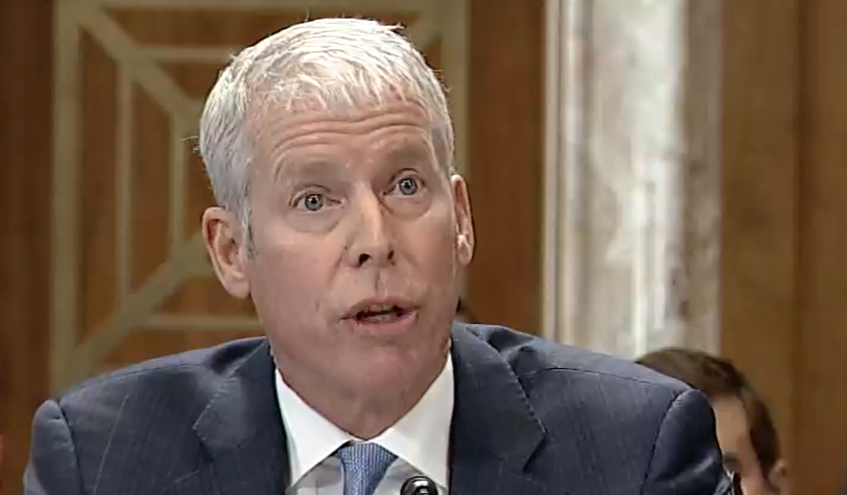
Energy Secretary Chris Wright has spent the past week courting members of Congress to approve his agency’s $53.9 billion discretionary budget request for fiscal year 2027. On Tuesday, Wright spoke before the U.S. Senate Energy and Natural Resources Committee. On April 15, Wright testified before the U.S. House Subcommittee on Energy & Water Development and Related Agencies. And on April 16, he testified before the House Energy and Commerce Subcommittee. Go deeper on Nuclear Newswire.
관련 링크:TerraPower broke ground
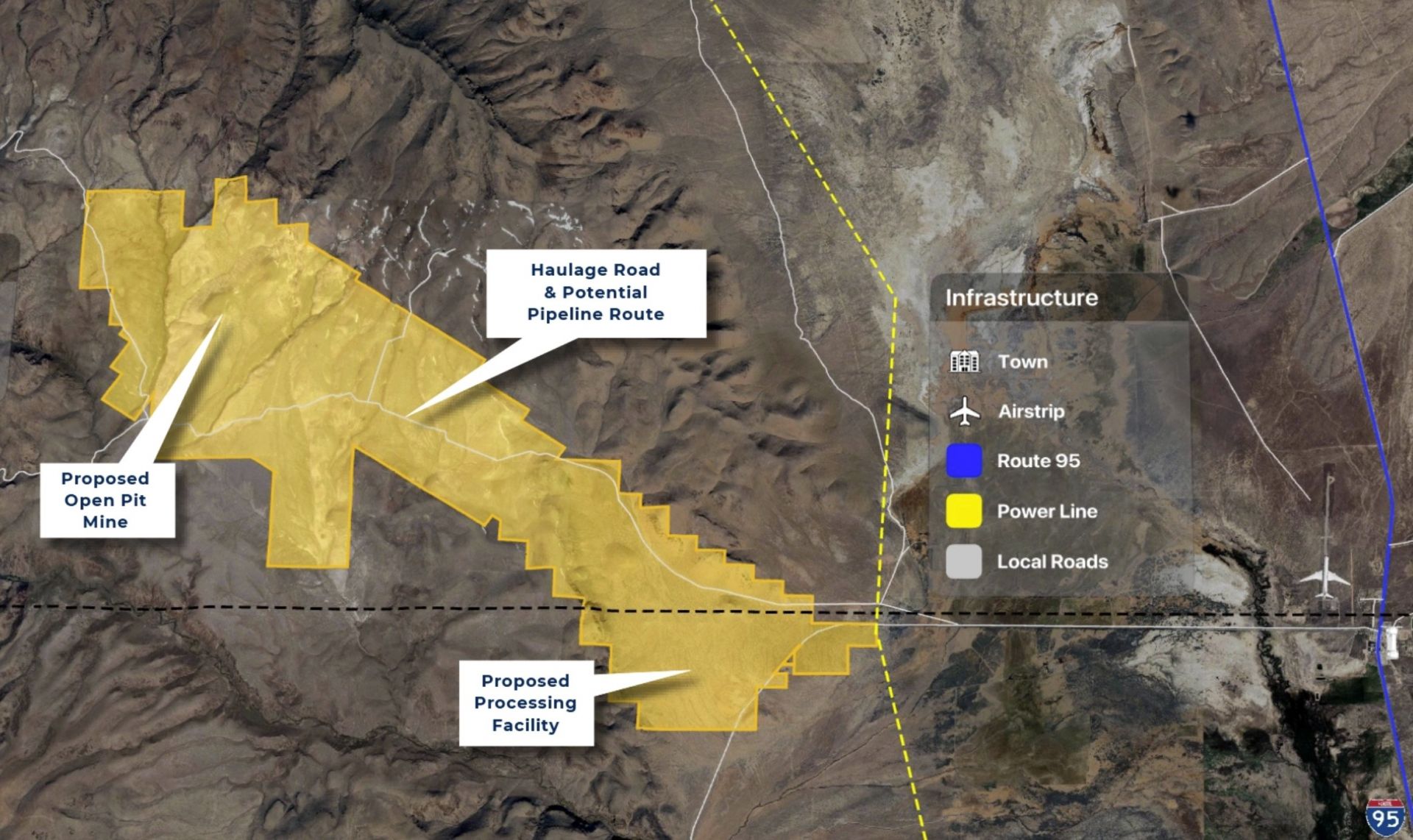
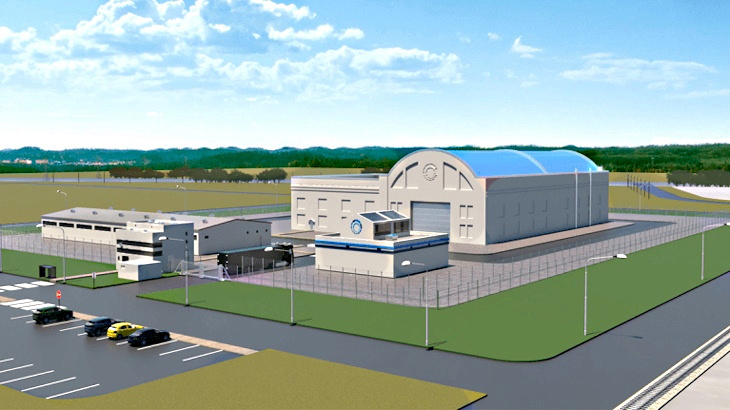
yesterday on its Natrium reactor—Wyoming’s first nuclear reactor—near Kemmerer. At the ceremony, it was stated TerraPower expects the plant to be completed by 2031. WyoFile
관련 링크:The Department of the Air Force
has taken the next step in the ANPI program, pairing up Westinghouse, Radiant, and Antares up with three DAF installations for potential microreactor deployments. Air Force
관련 링크:The DOE announced
two requests for applications to advance the nation’s capabilities in recycling used nuclear fuel. The RFAs seek proposals from industry on detailed plans to leverage the DOE authorization process to design, construct, and operate nuclear fuel recycling, processing, and fuel fabrication. DOE
관련 링크:The NRC has approved
Kairos Power’s request to extend the completion date in the Hermes 1 construction permit by 28 months. Originally, the project was set to be completed by the end of 2026. World Nuclear News
관련 링크:Fusion and fission
are both nuclear processes but differ significantly in application and perception. Fusion, still under development, is seen as the future of clean energy, while fission is established but struggles with safety and waste concerns. IOP Physics World
관련 링크:Gov. Mark Gordon
signed a finalized agreement between Wyoming’s Department of Environmental Quality and the NRC to expand the state’s regulatory authority. Wyo.gov; Cap City News
관련 링크:Upstate New York
is expanding nuclear power to meet energy demands, while New York City remains reliant on fossil fuels, facing rising electricity needs and potential blackouts. Gothamist
관련 링크:The IAEA issued
a final report on its peer review mission of Vietnam’s work to develop the infrastructure needed for a safe, secure, and sustainable nuclear power program. IAEA
관련 링크:Podcast: Nuclear analyst
Chris Gadomski discusses on Switched On how recent advancements in superconductors, materials, and computing, along with surging demand, are accelerating fusion momentum. Bloomberg NEF
관련 링크:Ukraine’s state-owned
nuclear firm Energoatom said that, during the war, nuclear power has risen to account for about 70% of the country’s total generation. Reuters
관련 링크:Eagle to begin investigative drilling at Oregon uranium site this summer
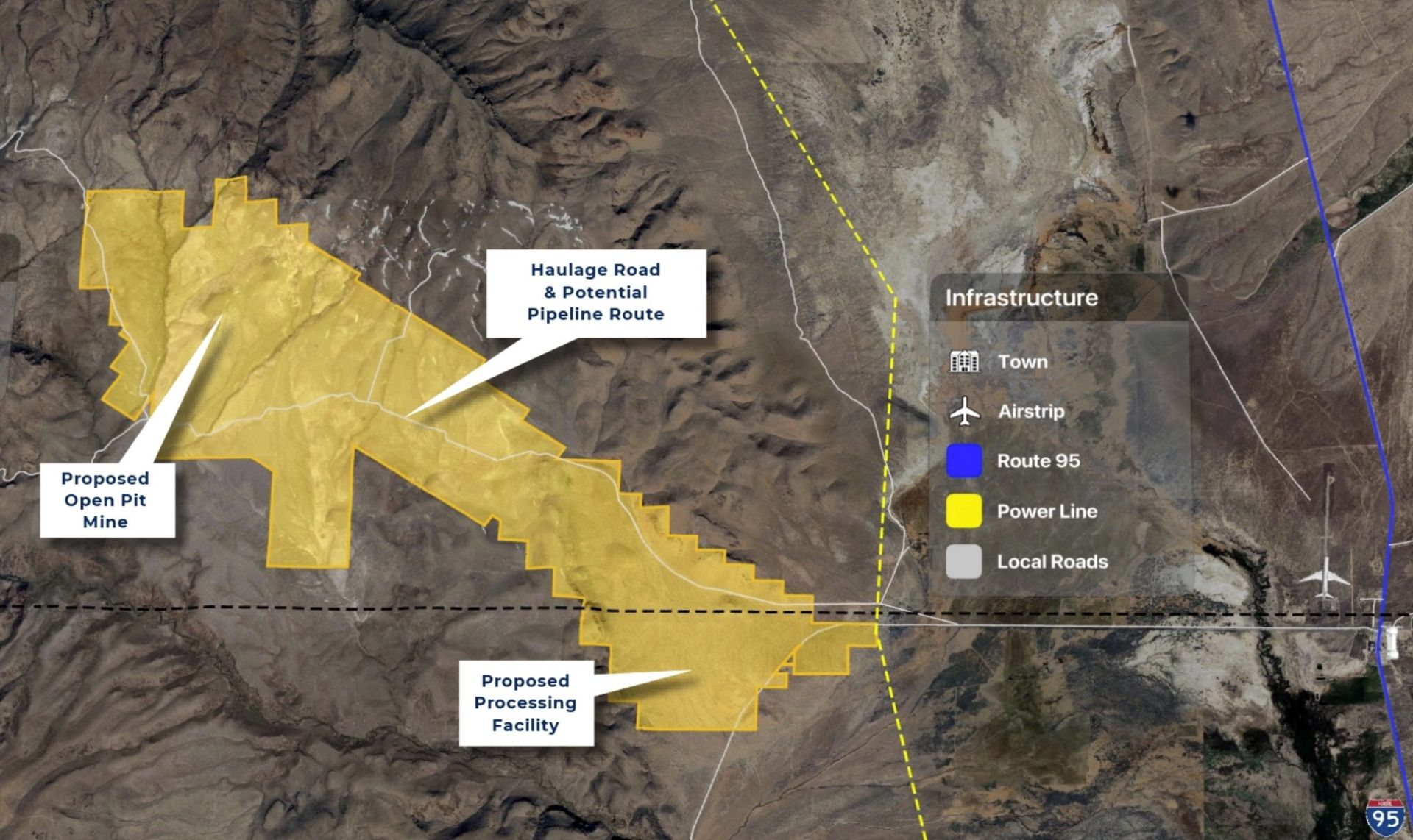
Nevada-based Eagle Nuclear Energy said it will conduct a 27,000-foot investigative drill program at its flagship Aurora Uranium Project along the Oregon–Nevada border beginning in July. Go deeper on Nuclear Newswire.
관련 링크:OECD NEA project gets ahead of AI use in nuclear industry
The OECD Nuclear Energy Agency’s International Regulatory Laboratory (RegLab) Project, which brings together experts from across the nuclear field to examine the potential impact of emerging technologies, has released a report on its first cycle that details the outcomes of a RegLab focused on the use of artificial intelligence in real-time monitoring of nuclear power plants. Go deeper on Nuclear Newswire.
관련 링크:CEO and CFO of Fermi America step down
On Friday, two of the four cofounders at Fermi America unexpectedly exited their roles at the company. Those were Toby Neugebauer, former CEO and chairman of the board of directors, and Miles Everson, former chief financial officer. Go deeper on Nuclear Newswire.
관련 링크:TBT: Chernobyl at the 1986 ANS Winter Conference
The January 1987 issue of Nuclear News contains a meeting report on the 1986 ANS Winter Conference—one of the first significant national gatherings of nuclear professionals in the wake of the meltdown of Unit 4 at Chernobyl. One plenary session focused entirely on the impact Chernobyl was set to have on the industry. It featured Hans Blix, director general of the International Atomic Energy Agency; Remy Carle, director general of EDF’s Engineering and Construction Division; Nunzio Palladino, former chairman of the Nuclear Regulatory Commission; and John Taylor, vice president of nuclear power at the Electric Power Research Institute. While all four speakers made enduring and prescient remarks on how Chernobyl would change the way governments, the public, regulators, and the industry approached nuclear, Blix’s and Carle’s comments stand out as particularly interesting, given our hindsight today. Thoughts from the IAEA: Blix focused his commentary on the international viewpoint, noting the numerous calls for nuclear phaseouts and shutdowns across Europe that immediately followed the meltdown. He responded to these calls by arguing that “nuclear power is well beyond the point of no return in many countries. If we were to produce the amount of electricity which we get today from nuclear by coal, it would require the entire U.S. coal production. Were we to do it by oil, it would require the entire oil production from Saudia Arabia in 1982.” He went on to say, “It is from the burning of coal and other fossil fuels that forests are dying—not from nuclear power. And it is from the inevitable production of carbon dioxide in the combustion of fossil fuels—not from nuclear—that an important contribution is made to the greenhouse effect.” As such, Blix argued that countries heavily reliant on nuclear (such as Germany, at the time) abandoning that energy source would be a massive environmental and economic misstep. Thoughts from EDF: Expanding on Blix’s points, Carle pointed out that Europe’s budding antinuclear stance stood in sharp contrast to the Soviet Union’s determination to continue their nuclear program after Chernobyl. Looking to the future, he saw two critical issues that the West would have to tackle to tamp down growing opposition. The public would need to be convinced “firstly of the fact that Chernobyl is impossible in the nuclear plants we operate, even in the event of human errors.” Second, he said, “We then have to replace the residual risk of nuclear energy—that of Three Mile Island, i.e., a limited radioactive emission—amongst the risks of the other sources of energy.” Finally, he warned that the abandonment of nuclear energy would involve such great tensions on the energy market that they would endanger world peace. Go deeper: To hear the perspectives of the NRC and EPRI in the months after Chernobyl, read the whole report in the January 1987 issue of NN (pp. 83–85). (members only)
관련 링크:--- 크롤링 일시: 2026-04-24 03:00:17