Nuclear News Daily—4/17: ISS rad detectors / KK6 restart / DOE-NE grant
발행일
Apr 17, 2026
미리보기
In this issue: Kashiwazaki Kariwa-6 reenters commercial operation, the details of DOE-NE’s new grant to a consortium that includes ANS, SaskPower and Bruce Power sign an MOU, and more. Feature Friday: Today’s feature, from the April 2026 issue of Nuc...
도입부: In this issue: Kashiwazaki Kariwa-6 reenters commercial operation, the details of DOE-NE’s new grant to a consortium that includes ANS, SaskPower and Bruce Power sign an MOU, and more.
A year in orbit: ISS deployment tests radiation detectors for future space missions
Viewers of a SpaceX Falcon 9 launch in April 2025 knew they were seeing a powerful rocket, but few were likely to recognize that they were also seeing a milestone in radiation detector evolution. Two radiation measurement technologies were on board the commercial resupply mission to the International Space Station as part of the 10th Space Test Program (STP-H10) of the U.S. Space Force. They were deployed on the ISS for testing in space-based environments for the first time, in preparation for future space missions. Each detection system was readied for space by a team of physicists at the Naval Research Laboratory, which has supported space-based radiation detector missions for decades. For STP-H10, NRL selected large-volume, three-dimensional, position-sensitive CdZnTe (3D-CZT) imaging spectrometers developed in collaboration with H3D Inc. and microstructured semiconductor neutron detectors (MSNDs) from Radiation Detection Technologies (RDT). The 3D-CZT spectrometer selected for the mission was developed primarily at the University of Michigan. The MSND selected was the NeRDI-1B (Neutron Radiation Detection Instrument–1B), a successor to the NeRDI-1A, which completed a mission on the ISS in 2024. Go deeper: To learn about how these technologies are being tested on the ISS and their broader impact on the future of space travel, read Michael Streicher’s full feature on Nuclear Newswire.
has begun at the Shallow Land Disposal Area in Pennsylvania, which is currently owned by BWXT and was used for the disposal of waste from a nearby fuel fabrication facility. CBS News
signed an MOU with SaskPower to share its expertise in project development and long-term operations as Saskatchewan considers the deployment of GW-scale nuclear power. Bruce Power
of Representatives approved House File 2757 in a 94–1 vote. The bill would give nuclear power facilities an exemption on sales and use taxes. Iowa Capital Dispatch
talks about the nuclear renaissance, the potential economic and safety benefits of micro and small reactors, and the national security benefits of new nuclear development. KSNV
The Department of Energy’s Office of Nuclear Energy recently awarded about $49.7 million to 10 university-led projects aiming to develop nuclear workforce training programs around the country. DOE-NE issued its largest award, $19.2 million, to the newly formed Great Lakes Partnership to Enhance the Nuclear Workforce (GLP). This regional consortium, which is led by the University of Toledo and includes the American Nuclear Society, will use the funds to fill a variety of existing gaps in the nuclear workforce pipeline. Go deeper on Nuclear NewsWire.
A White House Office of Science and Technology Policy (OSTP) memorandum released on Tuesday guides NASA, the Department of Energy, and the Department of Defense on their roles in deploying near-term space nuclear power. Go deeper on Nuclear NewsWire.
NRC shares Duane Arnold restart progress at public hearing
The communities in and around Duane Arnold had a chance on Tuesday evening to hear from Nuclear Regulatory Commission officials on the progress to restart Iowa’s only nuclear power plant in early 2029. Licensing, inspections and assessments, the noticing process, and the role of the restart panel were among the topics discussed. Go deeper on Nuclear NewsWire.
Argonne study evaluates impact of tropical cyclones on nuclear power plants
Scientists at Argonne National Laboratory have published a study evaluating the risk of flooding caused by tropical cyclones on coastal infrastructure, including nuclear power plants. The study used advanced computer simulations of thousands of cyclone scenarios to make projections of potential damage of extreme storm tides in coastal areas. Go deeper on Nuclear NewsWire.
DOE-NE’s handling of failed CFPP: Audit’s key takeaways—Nuclear NewsWire White House investigating list of ‘missing scientists’—The Times The 2026 ANS election results are in!—Nuclear NewsWire Colorado, Montana bases selected for DOD microreactor program—Nuclear NewsWire The details of NASA’s first interplanetary spacecraft—MIT Technology Review
2026년 4월 16일, 오전 10:52 | 마이클 스트라이처(Michael Streicher)
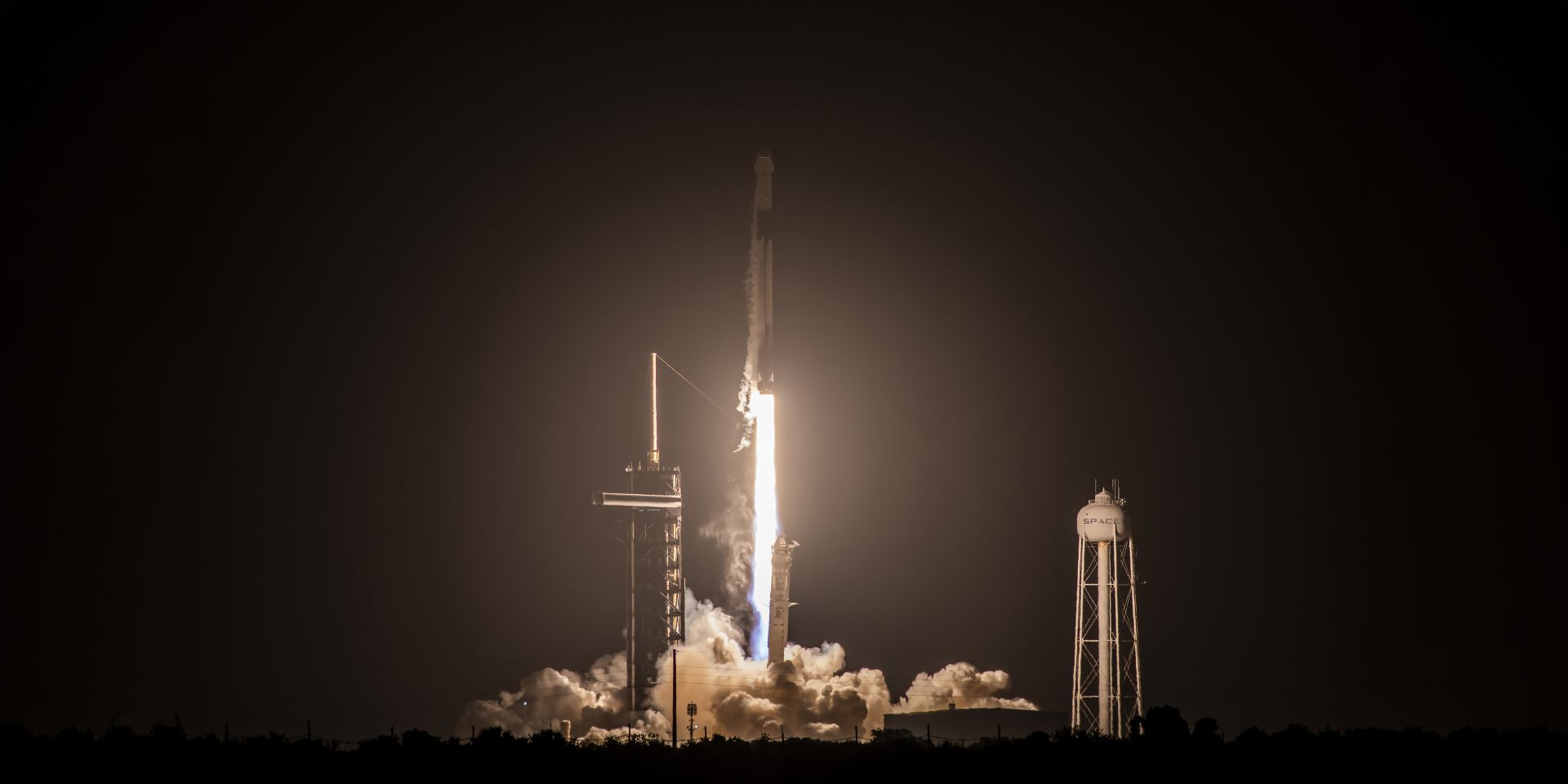
스페이스X 팰컨 9 로켓이 드래건 우주선을 싣고 2025년 4월 21일 월요일 플로리다주 NASA 케네디 우주 센터 39A 발사 단지에서 ISS를 향해 발사되었다. 드래건은 새로운 방사선 감지 장비를 포함한 다양한 과학 실험 기자재를 전달했다. (사진: NASA)
요약
카테고리: 기술
국제우주정거장(ISS)에 신형 방사선 감지기가 배치되어 약 1년간 궤도 환경에서 성능 검증 실험이 진행되었다.
스페이스X(SpaceX) 팰컨 9 로켓이 드래건 우주선을 통해 해당 방사선 감지 장비를 ISS에 운반했으며, 이는 미래 유인·무인 우주 임무의 방사선 안전 기술 발전을 목적으로 한다.
이 실험은 심우주 탐사 시 우주비행사와 장비를 방사선으로부터 보호하기 위한 핵심 기초 데이터를 수집하는 데 목적이 있다.
---
플로리다의 선선한 밤, 새벽빛이 채 밝아오기도 전의 어둠이 스페이스X(SpaceX) 팰컨 9 로켓의 9기 멀린(Merlin) 엔진 점화로 산산이 깨졌다. 엔진의 추력은 수 킬로미터 떨어진 곳까지 땅을 진동시켰다. 멀리서 바라보면 로켓은 마치 천천히 수평선 위로 떠오르는 것처럼 보였다. 그러나 탑재된 화물 입장에서 발사는 결코 순조로운(부드러운) 과정이 아니었다 — 액체 산소 점화로 발생한 힘이 150만 파운드(약 680톤)를 넘는 추력을 만들어냈기 때문이다. 로켓이 시야에서 사라진 지 몇 분 후, 부스터는 수차례의 소닉붐(초음속 충격파로 인한 폭음)을 울리며 극적으로 지구로 귀환했다 — 우주여행을 보다 저렴하고 지속 가능하게 만들기 위해 설계된 공학의 경이로운 장관이었다.
(이하 본문은 원문 유료 구독 페이지로 인해 공개된 내용까지만 번역되었습니다.)
---
AI 분석
이 기사는 ISS를 활용한 방사선 감지기 궤도 실증 실험을 다루며, 미래 심우주 유인 탐사에 필수적인 방사선 방호 기술 개발의 중요성을 조명한다. 스페이스X의 재사용 가능한 팰컨 9 로켓을 통한 화물 운송은 우주 접근 비용을 낮추고 과학 실험 기회를 확대하는 데 기여하고 있다. ISS는 지구 저궤도의 방사선 환경을 활용한 기술 검증 플랫폼으로서의 역할을 지속적으로 수행하고 있으며, 이러한 데이터는 향후 달·화성 탐사 임무의 승무원 안전 설계에 직접적으로 반영될 것으로 기대된다. 원자력 및 방사선 기술이 우주 탐사와 접목되는 사례가 늘어남에 따라, 관련 국제 협력과 민간 우주 기업의 역할도 더욱 확대될 전망이다.
아르곤 국립연구소(Argonne National Laboratory) 과학자들이 열대성 사이클론으로 인한 해안 인프라 홍수 위험을 평가하는 연구를 발표했으며, 특히 원자력 발전소에 미치는 영향을 분석했다.
수천 가지 사이클론 시나리오에 대한 고급 컴퓨터 시뮬레이션을 활용하여 극단적인 폭풍 해일의 잠재적 피해를 예측했으며, 인도 벵골만 해안선을 중심으로 연구가 진행됐다.
연구 결과, 인도 동부 해안에서 저빈도 사건에 의한 위험이 78% 상승하는 것으로 나타났으며, 기후변화로 인해 이러한 위협이 증가할 것으로 예상됨에 따라 기존 발전소의 안전 규정 업데이트 필요성이 제기됐다.
---
마리아나 제도 상공의 태풍 신라쿠(Typhoon Sinlaku) 사진은 열대성 사이클론의 한 예로, 전선이 없는 따뜻한 핵심 저기압 시스템으로 열대 또는 아열대 해역에서 발달하는 조직적인 순환을 가진다. (사진: NASA)
아르곤 국립연구소(Argonne National Laboratory)의 과학자들이 원자력 발전소를 포함한 해안 인프라에 대한 열대성 사이클론으로 인한 홍수 위험을 평가하는 연구를 발표했다. npj Natural Hazards에 게재된 이 연구는 수천 가지 사이클론 시나리오에 대한 고급 컴퓨터 시뮬레이션을 활용하여 해안 지역의 극단적인 폭풍 해일로 인한 잠재적 피해를 예측했다. 이는 기후변화로 인해 증가할 것으로 예상되는 위협이다. 연구진은 자신들의 예측이 원자력 발전소, 병원 및 기타 주요 인프라의 입지 결정과 더욱 탄력적인 시스템 설계에 활용될 수 있다고 밝혔다.
저빈도 사건: 이 연구를 수행한 콜먼 P. 블레이클리(Coleman P. Blakely), 윌리엄 J. 프링글(William J. Pringle), V.R. 코타마르티(V.R. Kotamarthi)는 역사적 데이터와 물리학 원리를 바탕으로 시뮬레이션을 구성했으며, 아르곤 연구소 컴퓨팅 자원 센터(Argonne's Laboratory Computing Resource Center)를 활용하여 이를 구현했다. 연구의 목표는 사이클론의 강도와 경로의 가능한 변화가 폭풍 해일 및 홍수 위험에 어떻게 영향을 미칠 수 있는지를 보여주는 것이었다. 연구진은 최근 사이클론 데이터를 활용하여 모델의 정확도를 검증했으며, 평가는 인도의 벵골만(Bay of Bengal) 해안선에 집중됐다.
아르곤 수석 과학자 V. R. 코타마르티(V. R. Kotamarthi)는 "우리는 수문학적으로 복잡한 해안 지역에서 핵심 인프라 건설에 따른 위험을 어떻게 평가할 것인지 이해하고자 했습니다. 원자력 원자로의 입지 결정에 필요한 저빈도 사건[극단적인 폭풍 해일이 이에 해당]의 변화를 추정하고자 했습니다"라고 말했다.
인도와 방글라데시: 연구진은 시뮬레이션 결과 벵골만 지역에서 가변적인 위험이 나타남을 발견했다. 컴퓨터 모델은 코바다 원자력 발전 프로젝트(Kovvada Atomic Power Project)가 계획된 인도 동부 해안을 따라 고빈도 사건에 비해 저빈도 사건으로 인한 위험이 78% 높아진다는 것을 보여줬다. 연구는 파도 작용과 조석-해일 상호작용으로 인한 수분 축적이 이 지역에서 특히 중요하다고 지적했다. 반면, 방글라데시의 갠지스-브라마푸트라-메그나(Ganges-Brahmaputra-Meghna) 삼각주 지역에서는 상대적으로 낮은 위험이 나타났지만, 극단적인 홍수 사건은 여전히 가능하다고 모델은 나타냈다.
안전 규정 업데이트: 저자들은 기존 인프라의 안전 프로토콜 개선 및 신규 인프라에 대한 상세한 홍수 위험 평가 실시를 포함한 홍수 위험 감소를 위한 특정 조치를 권고했다.
국제원자력기구(International Atomic Energy Agency)와 함께 원자력 부지에 수문학적·기상학적 위험 정보를 적용하는 작업을 하고 있는 코타마르티는 "우리는 다양한 위치에 더 많은 발전소를 건설하고 있기 때문에 더욱 철저한 분석이 필요합니다. 단순히 고도(해발 높이)만 고려해서는 안 됩니다. 기존 발전소들도 이러한 유형의 위험에서 예상되는 위험을 고려하여 안전 규정을 업데이트해야 할 것입니다"라고 말했다.
예측의 신뢰성 향상: 이 연구는 벵골만에 집중했지만, 그 방법론은 "폭풍 해일 위험 평가가 필요한 모든 해안 지역에 활용될 수 있습니다"라고 아르곤은 연구에 관한 보도자료에서 밝혔다. "이 연구는 전 세계의 다른 취약한 해안 지역으로 이 연구를 확장할 기회를 부각시킵니다."
AI 분석
이 연구는 원자력 발전소를 포함한 해안 핵심 인프라의 입지 선정 및 설계에 있어 기후변화로 인한 극단적 기상 현상의 위험을 정량적으로 평가했다는 점에서 중요한 의미를 가진다. 특히 인도 동부 해안에서 저빈도 폭풍 해일 위험이 78% 높게 나타난 것은 코바다 원자력 발전 프로젝트의 설계 및 안전 기준에 직접적인 시사점을 준다. 컴퓨터 시뮬레이션 기반 접근법은 역사적 데이터가 제한적인 지역에서도 위험 평가를 가능하게 한다는 장점이 있으며, 향후 전 세계 해안 원자력 발전소의 안전 기준 강화에 기여할 수 있을 것으로 보인다. 국제원자력기구(IAEA)와의 협력을 통해 이 연구 방법론이 글로벌 원자력 안전 기준에 반영될 가능성도 있어, 기후 적응형 원자력 인프라 계획 수립에 있어 중요한 선례가 될 것으로 기대된다.
에너지부(DOE)가 전국 원자력 인력 훈련 프로그램 개발을 위한 10개 대학 주도 프로젝트에 총 4,970만 달러를 지원했다.
최대 단일 지원금인 1,920만 달러는 톨레도 대학교(University of Toledo)가 이끄는 오대호 원자력 인력 강화 파트너십(GLP)에 수여되었으며, 미국원자력학회(ANS)가 참여 기관으로 포함된다.
GLP는 경수로 안전 교육 강화, 다양한 인력 유입, 선진 원자로 교육과정 현대화, 국가 인증 제도 확립이라는 네 가지 목표를 추구한다.
---
에너지부 원자력에너지국(DOE-NE)은 최근 전국 원자력 인력 훈련 프로그램 개발을 목표로 하는 10개 대학 주도 프로젝트에 약 4,970만 달러를 지원했다.
DOE-NE는 최대 지원금인 1,920만 달러를 신설된 오대호 원자력 인력 강화 파트너십(Great Lakes Partnership to Enhance the Nuclear Workforce, GLP)에 수여했다. 이 지역 컨소시엄은 톨레도 대학교(University of Toledo)가 주도하며 미국원자력학회(American Nuclear Society, ANS)를 포함하고, 이 자금을 원자력 인력 파이프라인에 존재하는 다양한 공백을 메우는 데 활용할 예정이다.
구성원 및 목표: ANS와 톨레도 대학교 외에도 GLP는 교육, 발전소 운영, 연료, 제조, 노동조합, 국립 연구소 등 다양한 분야의 전문가와 대표자를 포함하는 20개 회원 기관으로 구성된다. 다음은 고등교육 파트너 기관 목록이다:
엑셀시어 대학교(Excelsior University) (뉴욕)
레이클랜드 커뮤니티 칼리지(Lakeland Community College) (오하이오)
먼로 커뮤니티 칼리지(Monroe Community College) (뉴욕)
노스다코타 주립대학교(North Dakota State University)
오언스 커뮤니티 칼리지(Owens Community College) (오하이오)
일리노이 대학교 어배너-섐페인(University of Illinois–Urbana-Champaign)
미시간 대학교(University of Michigan)
그 외 파트너 기관은 다음과 같다:
에너지 인력 개발 센터(Center for Energy Workforce Development)
센트러스 에너지(Centrus Energy)
컨스텔레이션 에너지(Constellation Energy)
DTE 에너지(DTE Energy)
전력연구원(Electric Power Research Institute)
아이다호 국립 연구소(Idaho National Laboratory)
국제 전기 노동자 형제단(International Brotherhood of Electrical Workers)
원자력에너지연구소(Nuclear Energy Institute)
뉴클리어 탤런트 스카우트(Nuclear Talent Scout)
피츠버그-테크니컬(Pittsburgh-Technical)
비스트라(Vistra)
웨스팅하우스(Westinghouse)
엑셀 에너지(Xcel Energy)
각 회원 기관은 고유한 역할로 컨소시엄에 기여하며, GLP 전체로는 다음 네 가지 프로젝트 목표를 추구한다:
1. 경수로 인력을 위한 기존 안전 교육 파이프라인 강화 2. 보다 많고 다양한 자격을 갖춘 인력의 원자력 분야 유입 촉진 3. 차세대 선진 원자로 개념에 맞춘 교육 과정 현대화 4. 산업계에서 인정받는 국가 차원의 원자력 원자로 안전 인증 제도 확립
ANS의 역할: ANS는 현재의 교육 공백을 평가하는 데 GLP를 지원하고, 해당 공백을 메우기 위한 다양한 과정 및 교육 콘텐츠를 개발할 예정이다. 또한 ANS는 GLP를 통해 개발되는 모든 지역·국가 자격 과정의 행정 허브 역할을 맡게 된다. 중요한 것은, 이 작업이 ANS의 기존 인증 및 과정 개발 노력과 연계되어 이를 더욱 발전시킨다는 점이다.
ANS 인증 및 인력 개발 위원회의 지휘 아래, 지난 몇 년간 인력 역량 강화를 위한 다양한 프로그램이 개발·출시되었다. 이 중에는 공인 원자력 전문가(Certified Nuclear Professional) 자격증, 면허 및 규제(Licensing and Regulation) 과정, 원자력 101(Nuclear 101), 방사성 폐기물 관리(Radioactive Waste Management) 과정 등이 포함된다. 현재도 추가 과정들이 활발히 개발 중이다.
인력 개발은 자격증과 수료증의 영역에만 국한되지 않는다. ANS는 GLP와의 협력의 일환으로 초·중·고등학생(K-12)을 위한 새로운 교육과정과 프로그램도 개발할 예정이다. 이 작업 역시 ANS의 기존 STEM 프로그램, 특히 가속기 프로그램(Accelerators Program)과 연계될 것이다. 가속기 프로그램은 고등학생을 대상으로 정기적인 대면 모임을 개최하는 지역 지부로 구성된 전국 프로그램으로, 교육 콘텐츠, 원자력 전문가와의 직접 교류, 인근 발전소 또는 연구소 현장 견학 등을 통해 학생들의 참여를 이끌어낸다.
ANS의 입장: GLP 출범에 대해 ANS CEO 크레이그 피어시(Craig Piercy)는 다음과 같이 말했다. "미국원자력학회는 톨레도 대학교가 주도하는 오대호 파트너십의 일원이 된 것을 자랑스럽게 생각하며, 이 중요한 원자력 인력 투자를 실현해 준 에너지부에 감사드립니다. 원자력 에너지 분야는 지금 전례 없는 성장을 준비하고 있습니다. 우리는 K-12 교실에서부터 현장 운영 발전소까지, 현장의 인력이 있는 곳 어디서든 만날 수 있는 교육 프로그램이 필요합니다. 미국 원자력 커뮤니티의 전문 기관으로서, ANS는 정확히 그 역할을 수행하기 위한 도구를 구축해 왔습니다. 공인 원자력 전문가 자격증, 가속기 프로그램, 그리고 성장하고 있는 기술 과정 포트폴리오를 활용하여 오늘날 인력 파이프라인의 공백을 메우는 데 기여하기를 기대합니다. 강력한 원자력 에너지의 미래는 탄탄한 원자력 인력에 달려 있으며, GLP는 그것을 구축하는 강력한 플랫폼을 제공합니다."
---
AI 분석
에너지부의 이번 4,970만 달러 투자는 미국 원자력 산업의 인력 부족 문제에 대한 정부 차원의 구조적 대응으로 해석된다. GLP에 대한 최대 지원금인 1,920만 달러는 대학, 에너지 기업, 노동조합, 국립 연구소가 연합한 다층적 파트너십 모델의 가치를 인정한 것으로, 단편적 교육이 아닌 인력 파이프라인 전반의 생태계 구축을 지향하고 있다. 특히 K-12 교육과정 개발의 포함은 단기 충원을 넘어 장기적인 원자력 인력 기반 확보 전략임을 시사하며, 원자력에 대한 사회적 인식 제고 효과도 기대된다. 컨스텔레이션 에너지(Constellation Energy), 웨스팅하우스(Westinghouse), 엑셀 에너지(Xcel Energy) 등 주요 민간 기업의 참여는 산업계가 이 인력 위기를 실질적인 사업 리스크로 인식하고 있음을 보여준다. ANS가 국가 자격 인증의 행정 허브로 지정된 것은 이 조직의 산업 내 권위를 공식화하는 동시에, 분산된 원자력 교육의 표준화라는 중요한 과제를 부여받은 것으로 볼 수 있다.
에너지솔루션스(EnergySolutions)가 40년 이상의 역사를 가진 원자력 서비스 전문기업 WMG, Inc.를 인수하여 디지털·기술 역량을 강화했습니다.
WMG는 1979년 설립 이후 RADMAN™ 소프트웨어를 비롯한 방사성 물질 관리 전문 솔루션을 원자력 산업에 제공해 왔습니다.
이번 인수를 통해 두 회사의 역량이 결합되어 원자력 전체 생애주기에 걸친 통합 서비스 제공 및 혁신 가속화가 기대됩니다.
---
유타주 솔트레이크시티 — 2026년 4월 16일 — 원자력 서비스 분야의 선두 기업인 에너지솔루션스(EnergySolutions)는 오늘 WMG, Inc.(WMG)를 인수했다고 발표했습니다. WMG는 엔지니어링 서비스, 소프트웨어, 폐기물 관리 솔루션, 재고 추적, 규제 중심의 교육 및 도구 분야에서 40년 이상 인정받아 온 기업입니다. 이러한 역량들은 원자력 산업이 복잡한 요구사항을 헤쳐나가고(복잡한 규제 환경을 극복하고), 규정 준수를 유지하며, 효율성을 개선하고, 안전한 방사성 물질 관리를 지원하는 데 도움을 주어 왔습니다.
이번 인수는 에너지솔루션스(EnergySolutions)의 업계 선도적인 해체, 폐기물 관리, 원자력 서비스 전문성과 WMG의 첨단 소프트웨어 플랫폼, 기술 지원, 엔지니어링 역량을 결합하여 통합 솔루션을 제공하는 에너지솔루션스(EnergySolutions)의 능력을 한층 강화합니다.
"WMG는 안전하고 효율적인 운영을 가능하게 하는 고품질 소프트웨어와 기술 서비스를 제공하는 데 있어 강력한 명성을 구축했습니다. WMG를 에너지솔루션스(EnergySolutions)에 통합함으로써 디지털 및 기술 역량이 강화되고, 원자력 전체 생애주기에 걸쳐 고객에게 제공하는 가치가 향상됩니다."
>
— 켄 로벅(Ken Robuck), 에너지솔루션스(EnergySolutions) 사장 겸 CEO
1979년에 설립된 WMG는 전문 엔지니어링, 폐기물 관리 서비스, 재고 추적, 규제 중심 솔루션을 통해 원자력 산업을 지원하는 강력한 기반을 구축했습니다. 방사성 물질 선적을 위한 RADMAN™ 소프트웨어 프로그램으로 시작하여, WMG는 운영자들이 복잡한 규제 환경을 헤쳐나가고, 규정 준수를 유지하며, 운영 효율성을 개선하는 데 도움을 주는 혁신적인 도구와 서비스를 지속적으로 제공해왔습니다. 수십 년의 경험을 통해 WMG는 안전하고 효과적인 방사성 폐기물 관리 및 장기 자산 관리(stewardship, 자산을 책임감 있게 유지·보존하는 활동)를 지원하는 실용적이고 신뢰할 수 있는 솔루션을 제공하는 기업으로 명성을 쌓았습니다.
"에너지솔루션스(EnergySolutions)에 합류하는 것은 WMG에게 흥미로운 새로운 장(chapter, 새로운 시작과 발전의 단계)을 열어줍니다. 우리 팀은 항상 원자력 산업 전반에 걸쳐 안전과 규정 준수를 지원하는 혁신적이고 고품질의 소프트웨어 및 기술 솔루션을 제공하는 데 집중해 왔습니다. 에너지솔루션스(EnergySolutions)의 글로벌 플랫폼과 우리의 역량을 결합함으로써, 혁신을 가속화하고 고객에게 더 큰 가치를 제공할 수 있는 좋은 위치에 서게 됩니다."
>
— 케빈 투이트(Kevin Tuite), WMG 사장 겸 CEO
이번 전략적 인수는 원자력 서비스 시장 전반에 걸친 혁신, 운영 우수성(operational excellence, 업무 프로세스의 지속적 개선을 통한 최고 수준의 성과 달성), 성장에 대한 에너지솔루션스(EnergySolutions)의 굳은 의지를 잘 보여줍니다.
에너지솔루션스(EnergySolutions)는 고객의 원자력 발전 개발, 운영, 해체, 복원, 폐기물 수요에 안전하고 규정에 맞으며 혁신적이고 지속 가능한 솔루션을 제공함으로써 대중을 보호하고 환경을 보전합니다. 수십 년의 경험을 바탕으로, 에너지솔루션스(EnergySolutions)는 전 세계 원자력, 환경, 에너지 분야의 정부 및 상업 고객에게 서비스를 제공합니다.
이번 에너지솔루션스(EnergySolutions)의 WMG 인수는 원자력 서비스 분야에서 디지털 기술과 전통적 원자력 서비스를 통합하려는 전략적 움직임으로, 업계 내 통합 서비스 제공자로의 진화를 뚜렷하게 보여줍니다. WMG의 RADMAN™ 소프트웨어를 포함한 첨단 플랫폼과 에너지솔루션스(EnergySolutions)의 광범위한 원자력 서비스 네트워크가 결합됨으로써, 방사성 폐기물 관리의 디지털화 및 효율화가 한층 가속화될 것으로 기대됩니다. 전 세계적으로 노후 원자력 발전소의 해체 수요가 증가하는 추세에서, 해체·폐기물 관리·소프트웨어 역량을 아우르는 이번 통합은 비용 절감과 안전성 향상 모두에 기여할 수 있을 것으로 분석됩니다. 1979년부터 40년 이상 축적된 WMG의 규제 준수 전문성은 점점 복잡해지는 원자력 규제 환경에서 특히 중요한 자산이 될 것입니다. 결과적으로 이번 인수는 에너지솔루션스(EnergySolutions)가 원자력 생애주기 전반에 걸친 종합 서비스 제공자로서의 입지를 더욱 공고히 하는 중요한 계기가 될 것으로 전망됩니다.
아이다호(SOA) — 아이다호의 고원 사막 지대에서, 실험용 증식로-I(Experimental Breeder Reactor-I)는 75년 전 세계 최초로 사용 가능한 전력을 생산하는 원자력 발전소가 되며 역사를 만들었습니다. 그 이후로 아이다호 국립 연구소(Idaho National Laboratory, INL)는 원자력 분야에서 수많은 최초 기록을 달성해왔습니다.
에너지부 장관, 미국의 '원자력 르네상스'를 약속하다
미국 에너지부 장관 크리스 라이트(Chris Wright)는 과거에 경의를 표하기 위해 아이다호 국립 연구소(INL)를 방문한 것이 아니라, 미국의 새로운 원자력 미래에 동력을 공급하는 일을 선도하기 위해 방문했습니다.
원자력이 시작된 현장을 방문하여, 그곳이 어떻게 미래에 대한 희망을 품고 있는지 살펴보았습니다. (사진: 홀든 로빈슨(Holden Robinson))
우리는 원자력 에너지가 시작된 곳을 방문하여, 그것이 미래를 위한 희망을 어떻게 품고 있는지 살펴보았습니다 (사진: 홀든 로빈슨(Holden Robinson))
그는 이것을 미국의 "원자력 르네상스"라고 부릅니다.
"이것은 매우 중요합니다. 한 사회의 에너지 시스템의 질, 경제성, 그리고 안보는 무엇이 가능한지에 대한 제약을 설정합니다"라고 라이트(Wright)는 Spotlight on America에 말했습니다.
에너지부 장관 크리스 라이트(Chris Wright)는 에너지가 사회의 미래의 핵심이며 원자력이 주요 구성 요소라고 주장한다고 말했습니다 (사진: 홀든 로빈슨(Holden Robinson)){p}{/p}
에너지부 장관 크리스 라이트(Chris Wright)는 에너지가 사회 미래의 핵심이며 원자력이 주요 구성 요소라고 주장한다고 우리에게 말했습니다 (사진: 홀든 로빈슨(Holden Robinson))
얼마 전까지만 해도 단순한 가능성에 불과했던 에너지원이, 이제 INL에서 지구를 움직이고 있습니다: 소형 모듈 원자로(SMR)와 마이크로 원자로는 장관에 따르면 원자력 발전의 미래입니다.
라이트(Wright)는 원자로 건설을 위해 지면을 준비하는 크레인과 굴착기를 우리에게 보여주었는데, 이 원자로들은 전국의 노후화된 원자력 발전소의 대형 수냉식 원자로와는 매우 다를 것입니다.
독립형 또는 연결형으로 사용할 수 있는 SMR은 증가하는 국가 수요를 충족하기에 충분한 추가 전력을 제공할 것으로 기대됩니다. 트레일러에 실어 어디든—가장 외딴 곳도 포함하여—운반할 수 있는 마이크로 원자로는 우선 군에 전력을 공급할 것으로 기대됩니다.
이 새롭고 소형화된 발전 장치들은 공장에서 제작되며, 고농축 우라늄과 냉각을 위한 용융염으로 밀봉될 것입니다.
건설 장비가 아이다호 현장에 배치되어 원자력 원자로 건설을 준비하고 있습니다 (사진: 홀든 로빈슨(Holden Robinson))
건설 장비가 아이다호 현장에 배치되어 원자력 원자로 건설을 준비하고 있습니다 (사진: 홀든 로빈슨(Holden Robinson))
"지금 건설 중인 새로운 것들은 원자로가 그 안에 배치되고, 완전히 연료가 채워진 채로, 40년 동안 한 번도 손대지 않습니다"라고 라이트(Wright)는 설명했습니다.
그는 새로운 원자로에 중요한 안전 기능이 있다고 강조했습니다.
"모든 것이 잘못되면 자동으로 꺼집니다"라고 라이트(Wright) 장관은 자신 있게 설명했습니다.
안전 문제 외에도, 라이트(Wright)는 새로운 원자력 발전소가 국가 안보와 연결되는 이유를 설명했습니다.
"우리는 원자력의 미래가 러시아인과 중국인의 소유가 되는 것을 원하지 않습니다"라고 그는 말했습니다. "우리는 원자력의 미래가 원자력이 시작된 바로 그 곳에 있기를 원합니다."
원자력을 활용하는 것이 국가 안보에 필수적이라고 라이트(Wright)는 우리에게 말했습니다 (사진: 홀든 로빈슨(Holden Robinson))
원자력을 활용하는 것이 국가 안보에 필수적이라고 라이트(Wright)는 우리에게 말했습니다 (사진: 홀든 로빈슨(Holden Robinson))
원자력 추진의 배경에는 인공지능(AI) 패권 경쟁이 있습니다.
라이트(Wright)는 AI 경쟁을 미국의 다음 맨해튼 프로젝트라고 부릅니다.
AI에서 성공하려면 이미 건설되고 있는 전력 소비가 큰 AI 데이터 센터에 전력을 공급하기 위해 막대한 양의 전기를 생산해야 합니다.
전력 연구원(Electric Power Research Institute)에 따르면, 데이터 센터가 사용하는 전력량은 4년 미만 내에 세 배로 증가할 것으로 예상되며, 전력 소비가 큰 신형 AI 센터는 2030년까지 최대 790테라와트시를 소비할 것으로 전망됩니다. 이는 7,500만 가구 이상에 전력을 공급하기에 충분한 양입니다.
우리는 원자력 없이 그러한 전력을 공급하는 것이 가능한지 물었습니다. 라이트(Wright)는 간단히 "장기적으로는 불가능합니다"라고 답했습니다.
에너지부 장관에 따르면, 최신 형태의 원자력 원자로는 안전하며 미국이 혁신의 최전선에 서는 데 도움이 될 것입니다 (사진: 홀든 로빈슨(Holden Robinson)){p}{/p}
에너지부 장관에 따르면, 최신 형태의 원자력 원자로는 안전하며 미국이 혁신의 최전선에 서는 데 도움이 될 것입니다 (사진: 홀든 로빈슨(Holden Robinson))
제한된 수의 새로운 원자로가 2~4년 내에 공급될 것으로 예상되는 반면, 대부분은 2035년까지 가동되지 않을 것입니다.
이 5년의 전력 공백을 메우기 위해, 라이트(Wright)와 행정부는 13년 된 원자력 발전소에 면허를 발급하고, 폐쇄된 원자력 발전소 세 곳을 다시 가동시키고 있는데, 여기에는 1979년 부분 노심 용융 사고가 발생하여 미국 역사상 가장 심각한 원자력 사고를 일으켰던 구(舊) 스리마일 아일랜드(Three Mile Island) 발전소도 포함됩니다.
이 계획은 주로 환경 단체와 반원자력 단체들의 반발을 받았지만, 라이트(Wright)는 미국의 모든 원자력 발전은 안전하다고 주장합니다.
"원자력 원자로가 얼마나 안전한지 정말 놀랍습니다"라고 그는 말했습니다. "저는 원자로 안에 텐트를 치고 한 달 동안 살아도 됩니다. 전혀 문제없습니다."
안전 문제는 별개로, 단기적인 전력 부족분의 대부분은 천연가스로 충당될 것이다.
3월, 라이트(Wright)는 트럼프(Trump) 내각 팀의 일원으로서 일본의 소프트뱅크(Softbank)와의 파트너십을 발표하며 오하이오 남부에 위치한 구 포츠머스 기체 확산 공장(Portsmouth Gaseous Diffusion Plant) 부지 및 그 인근에 330억 달러 규모의 대형 가스 발전소를 건설할 계획을 공개했다. 새로운 천연가스 발전소는 500만 가구에 전력을 공급하기에 충분한 전기를 생산할 것으로 예상된다.
"여기에 건설될 이 시설은 세계 역사상 지금껏 건설된 그 어떤 시설보다도 규모가 크다"라고 장관은 3월 발표 행사에 모인 군중에게 자신감 있게 말했다.
버블로 댓글 달기
첫 번째 댓글을 남겨보세요
라이트(Wright) 장관이 미래의 전력을 확보하기 위한 경쟁에서 미국을 앞으로 나아가게 하고 있다는 것은 의심할 여지가 없으며, 장관은 이를 명확히 하고 있다: 이것은 미국이 절대 질 수 없는 경쟁이며, 그는 자신의 원자력 르네상스가 결과를 가져올 것이라고 약속하고 있다.
에너지부 장관 크리스 라이트가 아이다호 국립연구소(INL)를 방문해 미국의 '핵 르네상스'를 위한 비전을 제시한 이번 기사는, 트럼프 행정부의 핵에너지 정책 방향을 명확히 드러낸다는 점에서 중요한 의미를 지닌다. 75년 전 세계 최초로 실용 전력을 생산한 역사적 장소에서의 이 방문은 상징적으로도, 정책적으로도 핵에너지의 부활을 선언하는 강력한 메시지를 담고 있다. 소형모듈원자로(SMR)와 마이크로원자로 등 차세대 핵기술에 대한 정부의 지지는 AI 데이터센터 등 급증하는 전력 수요에 대응하기 위한 에너지 안보 전략과 맞닿아 있다. 이는 미국이 탈탄소화와 에너지 독립이라는 두 가지 목표를 동시에 달성하려는 시도로 해석될 수 있으며, 글로벌 핵에너지 산업 전반에 긍정적 신호로 작용할 가능성이 크다. 다만, 실제 핵발전소 건설에는 막대한 비용과 긴 인허가 기간이 수반되는 만큼, 정부의 약속이 구체적인 성과로 이어질 수 있을지에 대한 면밀한 관찰이 필요하다.
※ 이 글은 해외 원자력 바로알기를 위한 정보 전달을 목적으로 제공됩니다. 특정 기업이나 종목에 대한 투자 권유가 아니며, 모든 투자 판단과 그에 따른 책임은 투자자 본인에게 있습니다.
한국어
브루스 파워(Bruce Power)와 사스크파워(SaskPower), 새스캐처원 대형 원자로 기술 평가를 위한 양해각서 체결
브루스 파워(Bruce Power)와 사스크파워(SaskPower), 새스캐처원 대형 원자로 기술 평가를 위한 양해각서 체결
2026년 4월 15일
요약
카테고리: 원자력 정책
브루스 파워(Bruce Power)와 사스크파워(SaskPower)가 새스캐처원 주의 대형 원자력 기술 도입 검토를 위한 양해각서(MOU)를 체결함
새스캐처원 주는 기존 소형모듈원자로(SMR) 프로젝트와 병행하여 대형 원자로 기술을 공식 평가할 계획이며, 이를 위해 온타리오 소재 원자력 운영 전문기관과의 협력을 공식화함
브루스 파워는 25년간의 운영 경험 및 '브루스 C 프로젝트' 개발 과정에서 얻은 지식을 공유하여 새스캐처원의 청정에너지 미래 계획을 지원할 예정임
---
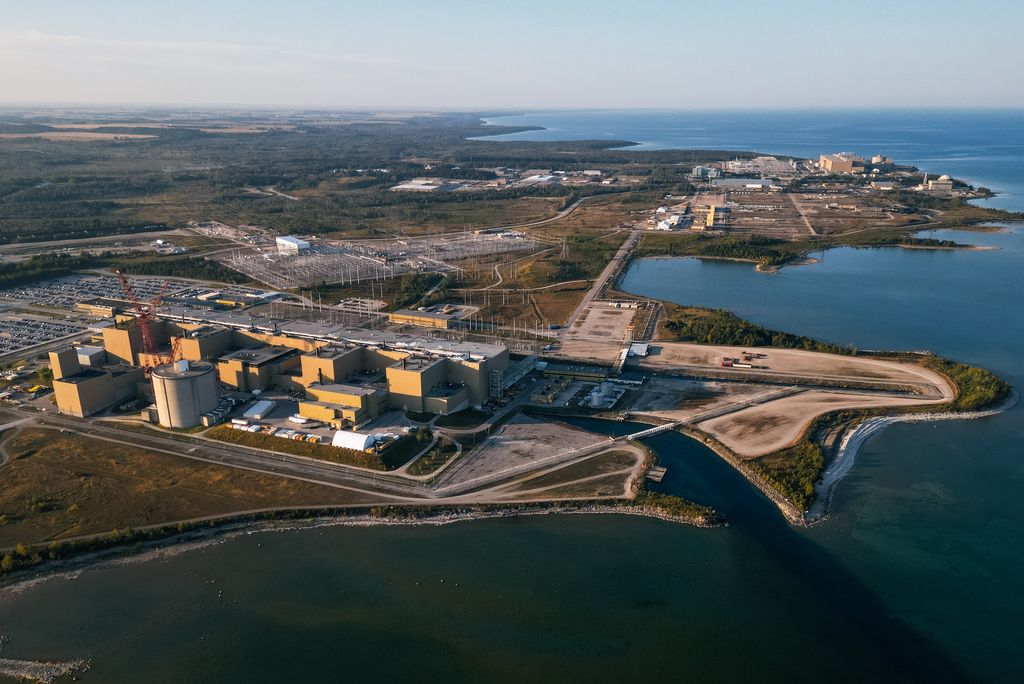
브루스 부지 항공 전경, 발전소와 휴런 호수.
브루스 파워(Bruce Power)는 사스크파워(SaskPower)가 새스캐처원 주 내 잠재적 활용을 위해 대형 원자력 기술을 평가하는 과정에서, 원자력 발전 운영·프로젝트 개발·장기 운영 분야의 전문 지식을 공유하기 위한 양해각서(MOU)를 체결하였다.
지난 1월, 새스캐처원 주 정부와 사스크파워(SaskPower)는 대형 원자로 기술을 공식적으로 평가하는 계획을 발표한 바 있다. 이 평가 절차는 기존 소형모듈원자로(SMR) 프로젝트와 병행하여 진행될 예정이다.
"새스캐처원의 _에너지 안보 전략(Energy Security Strategy)_ 은 증가하는 전력 수요와 포타시(potash), 우라늄 등 핵심 광물을 포함한 미래 수출 기회에 대비하기 위해 소형모듈원자로(SMR)와 대형 원자로 모두를 활용한 원자력 발전으로의 전환 경로를 제시하고 있습니다"라고 제러미 해리슨(Jeremy Harrison) 사스크파워 담당 장관이 밝혔다. "우리 두 주와 나라 전체에 이익이 되는 미래 지향적 결정을 내리기 위해서는 협력이 핵심입니다."
캐나다 원자력 산업과 공급망의 대부분이 온타리오 주에 집중되어 있는 만큼, 브루스 파워(Bruce Power)와의 MOU는 정보 공유를 공식화하고, 연방 및 주 차원의 원자력 전략에 있어 방향 일치를 가능하게 하며, 브루스 파워가 보유한 원자력 분야의 전국적 리더십을 활용하는 계기가 될 것이다.
"사스크파워(SaskPower)가 다음 세대를 위한 청정에너지로 주를 공급하기 위해 새로운 원자력을 탐색하는 과정에서 협력할 수 있는 최적의 위치에 우리가 있습니다"라고 브루스 파워(Bruce Power) 최고운영책임자 겸 부사장 제임스 스콩각(James Scongack)이 말했다. "우리는 브루스 부지를 25년간 운영하면서, 그리고 프로젝트 기획과 신규 원자력 계획 수립 과정에서 배운 것들을 공유할 것입니다."
이번 협약은 주 간 협력의 실현, 기업 간 방향 일치 강화, 그리고 더 많은 주들이 미래 전력 수요를 충족하기 위해 원자력을 도입하려는 상황에서의 추가 성장 가능성을 보여준다.
"새스캐처원뿐만 아니라 전국적으로 신뢰할 수 있는 기저부하(baseload, 전력 계통에서 항상 일정하게 공급되어야 하는 최소 전력 수요) 전력에 대한 수요가 증가하고 있어, 앞으로 원자력 발전이 핵심적인 역할을 담당할 것임을 재확인시켜 줍니다"라고 루펜 판디아(Rupen Pandya) 사스크파워(SaskPower) 사장 겸 CEO가 말했다. "전력은 광업, 석유·가스, 농업 등 핵심 산업의 발전을 위해 반드시 필요한 새스캐처원 주의 핵심 경제 동력입니다."
사스크파워(SaskPower)는 또한 캐나다에서 연방 환경영향평가(Impact Assessment) 절차에 진입한 최초의 신규 원자력 개발 사업인 브루스 파워(Bruce Power)의 '브루스 C 프로젝트(Bruce C Project)' 추진 과정에서 얻은 교훈으로부터도 혜택을 받을 것이다.
브루스 파워(Bruce Power) 부지는 1967년부터 1984년까지 운영된 캐나다 최초의 상업용 원자로인 더글러스 포인트(Douglas Point)의 터전이었으며, 현재 가동 중인 8기의 캔두(Candu) 가압중수로(pressurized heavy water reactor)는 앞으로 수십 년간 계속 운영될 수 있도록 설비 갱신이 진행되고 있다. 브루스 파워(Bruce Power)는 또한 '브루스 C 프로젝트(Bruce C project)' 및 부지 내 최대 4,800메가와트 규모의 신규 원자력 건설 옵션도 검토 중이다.
브루스 파워(Bruce Power)에 대하여
브루스 파워(Bruce Power)는 온타리오 주 소긴 어지웨이 네이션(Saugeen Ojibway Nation) 영토 내 브루스 카운티(Bruce County)에 본사를 둔 전력 회사입니다. 우리는 우리의 사람들로 이루어진 회사입니다. 4,200명의 직원들이 우리의 성취의 근간이며, 온타리오 주 전역의 가정과 기업에 안전하게 청정하고 신뢰할 수 있는 원자력 전력을 공급하고 전 세계에 암 치료용 의료 동위원소를 공급하는 역할에 자부심을 가지고 있습니다. 브루스 파워(Bruce Power)는 온타리오 주에 탄탄한 기반을 구축하기 위해 노력해왔으며, 환경 보호와 우리가 생활하는 지역사회 지원에 전념하고 있습니다. 2001년에 설립된 브루스 파워(Bruce Power)는 TC 에너지(TC Energy), OMERS, 파워 워커스 유니온(Power Workers' Union), 유나이티드 프로페셔널스 소사이어티(The Society of United Professionals)로 구성된 캐나다 합작 법인입니다. 자세한 내용은 www.brucepower.com에서 확인하시고, 페이스북(Facebook), X, 링크드인(LinkedIn), 인스타그램(Instagram), 유튜브(YouTube)에서 팔로우하세요.
---
AI 분석
브루스 파워(Bruce Power)와 사스크파워(SaskPower) 간의 이번 MOU 체결은 캐나다 서부 지역이 원자력 발전 도입을 적극적으로 검토하고 있음을 보여주는 중요한 신호로, 기존에 온타리오 주에 집중되어 있던 캐나다 원자력 역량이 전국적으로 확산되는 추세를 반영한다. 새스캐처운 주가 SMR과 대형 원자로를 병행 검토하는 전략은 전력 수요 증가와 자원 수출 경쟁력 강화라는 두 가지 과제에 동시에 대응하려는 실용적 접근으로 해석된다. 브루스 파워(Bruce Power)의 '브루스 C 프로젝트(Bruce C Project)'가 연방 환경영향평가 선례를 만들어 가고 있다는 점은 향후 다른 주들이 신규 원자력을 추진할 때 규제 경로의 명확화에 기여할 것으로 예상된다. 이번 협력은 단순한 기술 정보 공유를 넘어, 원자력 공급망과 인력 역량을 캐나다 전역으로 분산시키는 장기적 포석으로도 볼 수 있다. 결국 이 MOU는 청정에너지 전환이라는 국가적 목표 아래 주 간 협력 모델이 어떻게 작동할 수 있는지를 보여주는 실질적 사례가 될 것이다.
2024년 출범한 시설용 첨단 원자력(ANPI) 프로그램의 일환으로, 2030년 이전 배치를 목표로 하며 8개 상업 원자로 기업이 후보 공급업체로 지정되어 있다.
군 기지 내 첨단 원자로 배치를 추진하는 프로그램이 ANPI 외에도 미 육군의 야누스 프로그램(Janus Program), 아이다호 국립연구소의 프로젝트 펠레(Project Pele) 등 복수로 진행되고 있다.
---
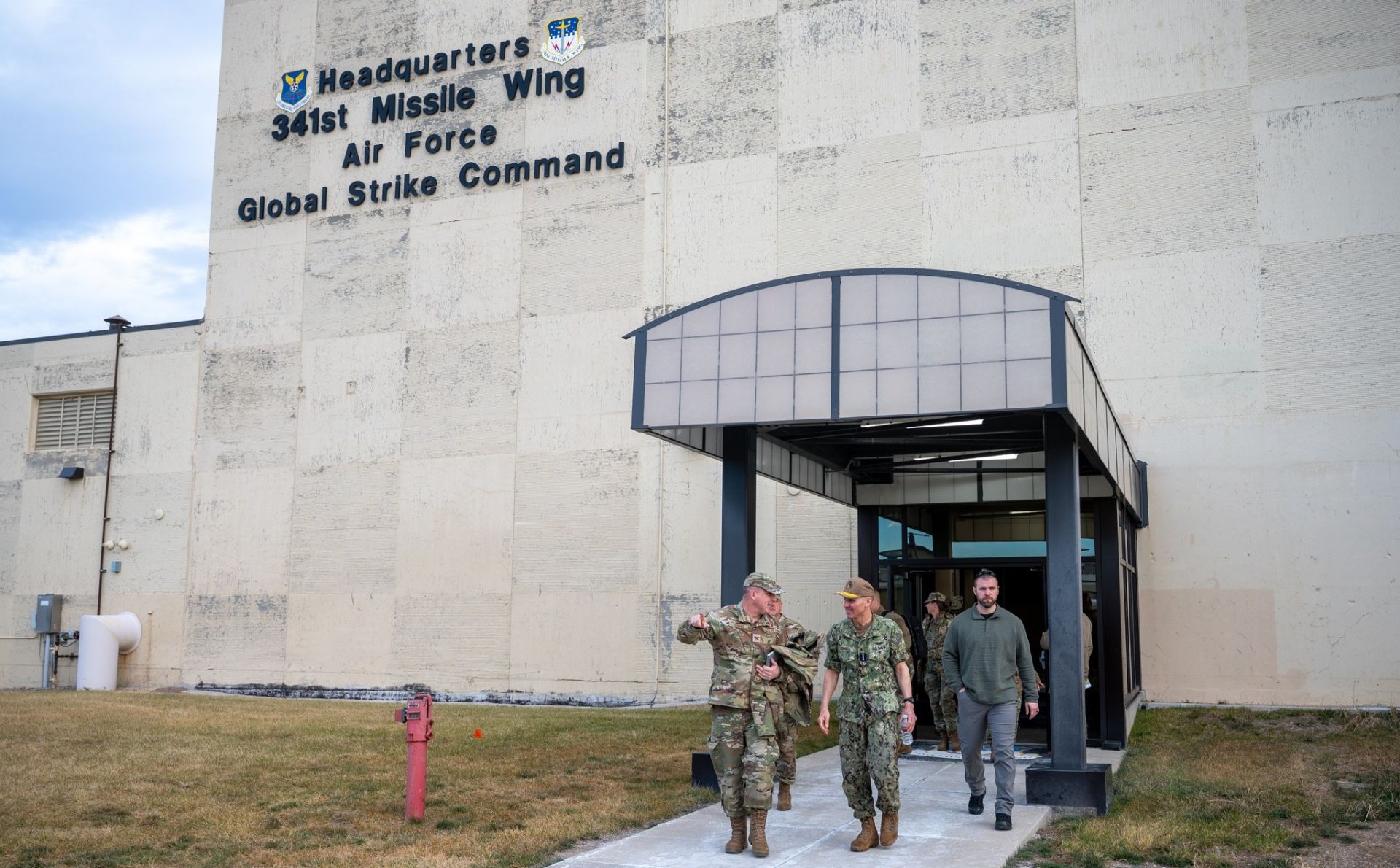
공군부(DAF, Department of the Air Force)와 국방부 산하 국방혁신단(DIU, Defense Innovation Unit)은 콜로라도주 버클리 우주군기지(Buckley Space Force Base)와 몬태나주 맬름스트롬 공군기지(Malmstrom Air Force Base)를 마이크로원자로 배치 후보지로 선정했다.
이번 수요일 발표는 시설용 첨단 원자력(ANPI, Advanced Nuclear Power for Installations) 프로그램의 계획을 진전시키는 것으로, 동 프로그램은 2024년 출범 당시 상업 원자로 기업들이 소유·운영하는 "첨단, 계약업체 소유·운영" 마이크로원자로를 기지 내에 배치하는 것을 목표로 삼았다.
낸시 발쿠스(Nancy Balkus) 공군부 인프라·에너지·환경 담당 차관보 대리는 "차세대 원자력 에너지의 활용을 발전시킴으로써, 공군부는 전력 투사 플랫폼(power projection platforms, 원거리에서 군사력을 행사할 수 있는 기반 시설)의 에너지 안보를 강화하고 장기적인 국가 에너지 리더십에 기여하고 있다"고 밝혔다. 그는 또 "이 이니셔티브는 우리 부처가 세계 최고의 공군 및 우주군으로 남도록 보장하는 중요한 단계를 의미한다"고 덧붙였다.
보도자료에 따르면, 공군부와 태평양 북서 국립연구소(Pacific Northwest National Laboratory) 소속 전문가들이 환경, 원자력 안전, 에너지 통합 등 핵심 분야를 평가하기 위해 데이터 및 현장 분석을 실시했다. 콜로라도주 오로라(Aurora) 및 몬태나주 캐스케이드 카운티(Cascade County) 소재 군사 시설은 각각의 인프라, 부지 가용성, 그리고 중요 임무 요건을 이유로 선정되었다.
버클리와 맬름스트롬은 각 기지의 에너지 수요에 가장 적합한 공급업체 및 마이크로원자로와 짝을 이루게 될 예정이다. 발표에 따르면 예상 배치 시기는 2030년 또는 그 이전이다.
첨단 원자로와 군: ANPI 프로그램의 일환으로, 국방부(DOD)는 2025년 4월 아래 나열된 8개 기업이 해당 프로젝트의 기타 거래(other transaction) 수주 자격을 갖추었다고 발표했다:
안타레스 뉴클리어(Antares Nuclear)
BWXT 어드밴스드 테크놀로지스(BWXT Advanced Technologies)
제너럴 아토믹스 일렉트로마그네틱 시스템스(General Atomics Electromagnetic Systems)
카이로스 파워(Kairos Power)
오클로(Oklo)
레이디언트 인더스트리스(Radiant Industries)
웨스팅하우스 거버먼트 서비스(Westinghouse Government Services)
X-에너지(X-energy)
ANPI가 군사 기지에서 첨단 원자로를 추진하는 유일한 프로그램은 아니다. ANPI는 2030년까지 군사 시설에 운영 실증용 마이크로원자로 발전소를 배치하려는 미 육군 프로젝트인 야누스 프로그램(Janus Program)과 병행 진행되고 있다. 야누스 프로그램은 또 다른 마이크로원자로 이니셔티브인 프로젝트 펠레(Project Pele)를 기반으로 하며, 프로젝트 펠레는 아이다호 국립연구소(Idaho National Laboratory)에서 이동식 마이크로원자로의 설계, 건설, 실증을 지원하고 있다.
한편, ANPI는 알래스카주 아이엘슨 공군기지(Eielson AFB)에 마이크로원자로 배치를 추진하는 별도의 공군부 파일럿 프로그램과 혼동해서는 안 된다.
미 공군은 마이크로원자로와 같은 첨단 원자로 기술 배치 노력을 강화해왔다. 최근 공군부가 발행한 정보요청서(RFI)는 군사 기지에 소형 원자력 원자로 배치에 관심 있는 기업들로부터 정보를 수집하고 있으며, RFI 마감일인 4월 19일이 빠르게 다가오고 있다.
RFI에 따르면, "수집된 정보는 상업적으로 실행 가능한 n번째 동종(NOAK, nth-of-a-Kind) 역량을 달성하고 설치하는 데 있어 산업계의 신뢰도를 평가하는 데 도움이 될 것"이라고 명시되어 있다.
---
AI 분석
미 국방부가 콜로라도와 몬태나 두 군사 기지를 마이크로원자로 배치 후보지로 선정한 것은 에너지 자립과 국가 안보를 연결하는 전략적 전환을 의미한다. ANPI, 야누스 프로그램, 아이엘슨 파일럿 등 복수의 프로그램이 동시에 추진되면서 군 내 원자력 에너지 도입이 단발성 실험이 아닌 체계적인 정책으로 자리잡고 있음을 시사한다. 특히 8개 민간 상업 기업이 후보 공급업체로 지정된 점은 정부-민간 협력 모델을 통해 첨단 소형 원자로 기술의 상용화를 앞당기려는 의도를 반영한다. 2030년을 목표 배치 시점으로 설정한 것은 기술적 도전과 더불어 규제 및 허가 절차를 포함한 복잡한 실행 과정을 전제로 한다. 이러한 흐름은 미국이 군사 에너지 인프라에서 원자력의 역할을 근본적으로 재정립하려는 장기적 비전을 추진하고 있음을 보여준다.
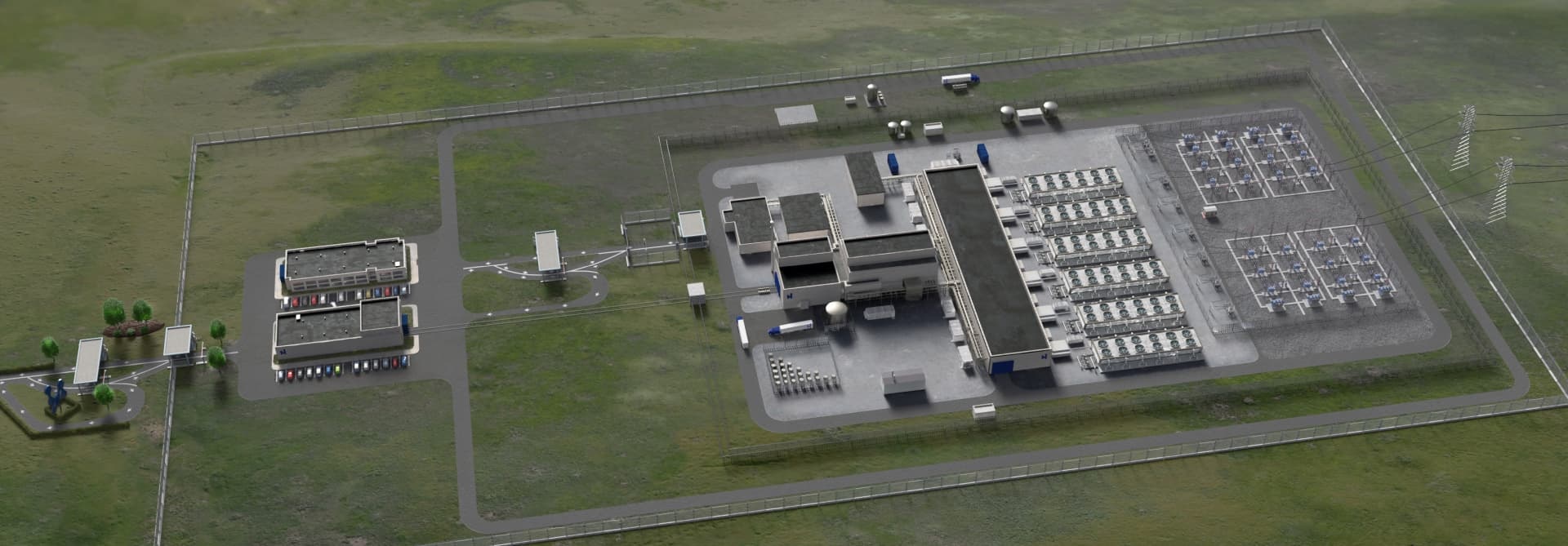
INL에 설치될 예정이었던 6모듈 CFPP의 개념도. 착공 전에 사업이 종료되었다. (이미지: NuScale)
요약
카테고리: 원자력 정책
미국 에너지부 원자력국(DOE-NE)이 탄소 무배출 전력 사업(CFPP)을 효과적으로 관리하지 못했으며, 약 1억 8,300만 달러의 정부 자금이 핵심 성과 없이 지출되었다는 감사 결과가 나왔다.
감사 결과, DOE-NE는 핵심 프로젝트 위험 요소를 제대로 평가하지 않았고, 구독률 추적을 위한 중간 성과 지표와 같은 모니터링 체계도 갖추지 않았다.
감사에서는 1억 4,350만 달러의 미해결 비용과 약 8,876달러의 잠재적으로 부적절한 법률 비용 문제를 지적하며, 향후 사업 관리 개선을 위한 5가지 권고안을 제시했다.
---
탄소 무배출 전력 사업(Carbon Free Power Project, CFPP)은 아이다호 국립연구소(Idaho National Laboratory, INL)에 77MWe급 가압경수로 6기를 건설하여 INL 및 유타주와 인근 주의 유타 공영 전력 시스템(Utah Associated Municipal Power Systems, UAMPS) 고객에게 전력을 공급하는 계획이었다. 그러나 UAMPS와 뉴스케일 파워(NuScale Power)는 2023년 말 상호 합의 하에 사업 종료를 결정하면서, 수년에 걸쳐 추진되어 온 최초의 소형모듈원자로(SMR) 사업이 막을 내렸다.
사업이 완료되었을 경우 총 사업비는 80억 3,000만 달러로 추정되었으며, 이 중 13억 6,000만 달러는 에너지부(Department of Energy, DOE)가 10년간 비경쟁 방식의 비용 분담 계약을 통해 지원할 예정이었다.
CFPP 종료 이후, DOE 감찰관실(Office of the Inspector General, OIG)은 원자력국(Office of Nuclear Energy, DOE-NE)의 사업 및 자금 운용에 대한 감사를 실시했다. 감사 결과는 올봄 일반에 공개되었다.
감사 결론에 따르면, "DOE-NE는 해당 사업이 미국 내 SMR 보급 추진에 일부 유용한 성과를 거뒀다고 밝혔으나, 사업의 핵심 목표는 달성되지 않았으며, 정부 자금 약 1억 8,300만 달러가 핵심 성과 없이 지출되었다."
감사 보고서는 DOE-NE가 "사업을 효과적으로 관리하지 못했으며", 해당 부서의 "사업 관리 실패가 사업 종료에 영향을 미쳤을 수 있다"고 지적했다. 아래는 26페이지 분량의 보고서에서 도출된 핵심 내용이다.
핵심 사업 위험 요소의 효과적 미평가: DOE-NE는 지원자가 사업과 관련된 위험 수준을 극복할 능력이 있는지 평가하기 위해 공적 심사(merit review)를 실시한다. DOE OIG 감사에 따르면, CFPP에 대한 공적 심사는 수주 전 해당 사업과 관련된 위험 수준을 효과적으로 평가하지 못했다.
특히 심사에서는 CFPP의 구독 방식에 내재된 잠재적 위험을 제대로 평가하지 못했다. 사업을 진행하기 위해서는 일정 수준 이상의 고객 구독(수요 확보)이 필요했으나, 감사 결과 실제 구독 건수는 요구 수준에 미치지 못하고 있었던 것으로 드러났다.
위험 모니터링 구조를 갖추지 못한 수주 계약: DOE OIG는 수주 계약이 DOE-NE가 사업 진행 중 성과를 적절히 완화·모니터링하기 어려운 방식으로 구성되어 있었다고 판단했다. 감사 결과, 구독 진행 상황을 추적하기 위한 구체적인 중간 이정표, 성과 진척 지표, 보고 요건이 존재하지 않았다.
예를 들어, 수주 계약에는 원래 추적 지표로 '전량 구독 완료' 이정표가 포함되어 있었다. 그러나 이 이정표는 별도의 '사업 전면 착수 통보(Full Notice to Proceed, FNTP)' 이정표와 "중복"된다는 이유로 삭제되었다. 문제는 FNTP 이정표가 2026년에야 검토될 예정이었다는 점이다. 이는 사업 시작 후 6년째, 폐기된 구독 이정표로부터 3년이 지난 시점이었다.
감사 보고서는 "위험의 중대성, 특히 구독 위험을 감안할 때, 사업 6년차의 FNTP보다 더 잦은 성과 진척 점검이 요구되었다"고 지적했다.
불충분한 감독: DOE OIG는 DOE-NE의 사업 감독에서도 다음과 같은 취약점을 발견했다.
격주 보고서에 제한적인 정보만 포함되어 있었으며, 구독률이나 구독 증대 노력에 대한 내용이 언급되지 않았다. 분기별 보고서가 충분히 작성되지 않았다. 사업 목표 및 권고사항에 대한 진척도 평가를 위해 요구되는 반기 검토 횟수가 충족되지 않았다. 실시된 단 한 차례의 반기 검토도 결과 문서화나 사업 목표 달성 진척도 평가가 이루어지지 않았다.
DOE OIG는 DOE-NE의 "해당 유형의 수주 계약에 대한 경험 부족, 사업 성공을 위협하는 위험 요소 과소평가, 그리고 적절한 수준의 공동 책임 미이행이 수주 후 모니터링 및 감독에도 영향을 미쳤다"고 결론지었다.
비용 문제: 감사에서는 CFPP가 비용 분담 계약에 따라 반환해야 할 수 있는 미해결 비용 1억 4,350만 달러를 확인했다. 감사에 따르면, 이는 DOE-NE가 "비용 분담을 선지급 방식으로 구성하는 데 동의함으로써, 사업 종료로 인해 정부가 약 1억 4,350만 달러를 손실할 위험에 처하게 되었기 때문"이라고 분석했다.
아울러 감사에서는 DOE-NE가 지불한 법률 비용 중 약 8,876달러가 DOE OIG 기준상 부적절한 지출(potentially unallowable)로 의심된다고 지적했다.
권고사항: 감사는 DOE-NE와 INL을 감독하는 아이다호 운영국(Idaho Operations Office)이 향후 실증·배치 사업에서 나아가야 할 방향으로 5가지 권고사항을 제시했다.
사업 관리 원칙(평가, 식별, 분석, 문서화)에 위험 요소를 통합할 것. 사업 위험을 고려한 성과 지표를 수주 계약에 반영할 것. 수주 계약과 관련된 재정 지원 조건이 충족되도록 보장할 것. 문제가 제기된 법률 비용의 적정성을 판단할 것. 비용 분담 금액을 해결할 것.
---
AI 분석
이번 DOE OIG 감사 결과는 정부 주도 원자력 실증 사업에서 철저한 사전 위험 평가와 지속적인 모니터링 체계가 얼마나 중요한지를 잘 보여준다. CFPP 사례는 특히 수요 기반(구독 방식) 사업 모델의 취약성을 드러냈으며, 초기 단계에서 구독률 같은 핵심 지표를 정기적으로 점검했더라면 조기에 위기 신호를 포착할 수 있었을 것이다. 약 1억 8,300만 달러의 공공 자금이 핵심 성과 없이 소진된 이번 사례는 향후 SMR을 비롯한 신규 원자력 기술 보급 사업의 계약 구조와 관리 방식에 중요한 교훈을 남긴다. DOE-NE는 이번 감사 권고사항을 바탕으로 위험 관리 프레임워크를 강화하고, 성과 지표와 보고 체계를 개선함으로써 향후 유사 사업의 실패 가능성을 줄여야 할 것이다. 나아가, 이번 감사는 에너지 전환 과정에서 정부와 민간이 공동으로 추진하는 사업에서 공공 책임과 투명성 확보가 무엇보다 중요하다는 점을 다시 한번 상기시켜 준다.
매년 봄, 새로 선출된 지도자들이 미국원자력학회(American Nuclear Society)에서 자신의 역할을 맡을 준비를 합니다. 올해 선거 주기 동안 ANS 회원들은 새로운 부회장/회장 당선인과 5개의 이사회 직위(미국 내 4명, 미국 외 1명)에 투표했습니다. 전체 유권자 회원의 약 19%가 투표에 참여했으며, 이는 지난해 투표율보다 2% 감소한 수치입니다.
스타인먼(Steinman)
부회장/회장 당선인 소개
학회의 차기 부회장/회장 당선인은 레베카 스타인먼(Rebecca Steinman)입니다. 1993년부터 ANS 회원으로 활동해 온 스타인먼(Steinman)은 콘스텔레이션(Constellation)의 인허가 담당 수석 관리자이자 ANS 인증 및 인력 개발 위원회 위원장입니다. 그녀는 2018년부터 2021년까지 ANS 이사회에서 활동했습니다.
스타인먼(Steinman)은 _원자력 뉴스(Nuclear News)_에 다음과 같이 말했습니다. "ANS 부회장/회장 당선인으로 선출되어 깊은 영광과 감사를 느낍니다. 저를 믿어주신 회원 여러분께 감사드립니다. 헌신적인 자원봉사자, 직원, 파트너들과 협력하여 회원 가치를 강화하고, 커뮤니티와 자격증 프로그램을 성장시키며, 원자력 기술의 확대 활용을 위해 옹호 활동을 펼쳐 나가기를 기대합니다."
피터스(Peters)
스타인먼(Steinman)은 현 ANS 부회장/회장 당선인인 마크 피터스(Mark Peters)의 뒤를 이을 것이며, 피터스(Peters)는 6월 초에 열리는 ANS 연례 총회 이후 회장직을 맡게 됩니다.
신임 이사들
커스틴 로린-코비츠(Kirsten Laurin-Kovitz)는 2013년부터 ANS 회원으로, 아르곤 국립연구소(Argonne National Laboratory)의 원자력 기술 및 국가 안보 담당 부소장입니다.
리아 파크스(Leah Parks)는 2007년부터 ANS 회원으로, 카이로스 파워(Kairos Power)의 부지 선정 관리자입니다. 그녀는 이전에 원자력규제위원회(Nuclear Regulatory Commission)에서 여러 역할을 담당했습니다.
샌드라 슬로언(Sandra Sloan)은 1990년부터 ANS 회원으로, BWXT 어드밴스드 테크놀로지스(BWXT Advanced Technologies)의 제품 개발 수석 고문입니다.
폴 윌슨(Paul Wilson)은 1992년부터 ANS 회원으로, 위스콘신-매디슨 대학교(University of Wisconsin–Madison) 원자력공학과 그레인저 교수(Grainger Professor)이자 원자력공학 및 공학물리학과 학과장입니다.
카트린 프라(Catherine Prat)는 미국 외 지역 이사로서 2012년부터 ANS 회원이며, 불가리아에서 근무하는 웨스팅하우스 일렉트릭 컴퍼니(Westinghouse Electric Company)의 수석 엔지니어입니다.
전문 분과 선거 결과
19개 전문 분과 모두 내년도 새 지도부를 선출했습니다. 아래는 새로운 분과 지도부 전체 목록입니다.
가속기 응용 분과(Accelerator Applications Division): 부의장: 조나단 기각스(Jonathan Gigax) 간사: 캐시 커틀러(Cathy Cutler) 재무: 피터 호세만(Peter Hosemann) 집행위원회: 코넬리아 회르(Cornelia Hoehr), 세르게이 쿠차예프(Sergey Kutsaev), 에릭 랭(Eric Lang), 에티엔 베르뫼렌(Etieene Vermeulen)
우주항공 원자력 과학 및 기술 분과(Aerospace Nuclear Science & Technology Division): 집행위원회: 제프리 C. 킹(Jeffrey C. King), 타일러 스타이너(Tyler Steiner), 앤드류 질머(Andrew Zillmer)
폐로 및 환경 과학 분과(Decommissioning and Environmental Sciences): 부의장: 조슈아 바이다(Joshua Vajda) 간사: 마일스 반 노르데넨(Miles van Noordennen) 집행위원회: 세라 도나허(Sarah Donaher), 존 맥클로이(John McCloy), 리아 파크스(Leah Parks), 윌리엄 로이(William Roy), 스콧 워드(Scott Ward)
교육, 훈련 및 인력 개발 분과(Education, Training & Workforce Development Division): 부의장: 크리스 퍼페티(Chris Perfetti) 간사: 척 리스(Chuck Lease) 재무: 올리비아 블랙먼(Olivia Blackmon) 집행위원회: 수케시 아가라(Sukesh Aghara), 존 모블리 IV(John Mobley IV), 이시타 트리베디(Ishita Trivedi), 재커리 반 혼(Zachary Van Horn)
연료 주기 및 폐기물 관리 분과(Fuel Cycle & Waste Management Division): 부의장: 카우시크 배너지(Kaushik Banerjee) 프로그램 부의장: 아만다 레옹(Amanda Leong) 집행위원회: R. A. (밥) 보렐리(R. A. (Bob) Borrelli), 조지프 팔도프스키(Joseph Faldowski), 하이옌 자오(Haiyan Zhao)
핵융합 에너지 분과(Fusion Energy Division): 부의장: 트레이 게바트(Trey Gebhart) 간사/재무: 모니카 게리그(Monica Gehrig) 집행위원회: 브라이언 그리어슨(Brian Grierson), 데일 히치콕(Dale Hitchcock), 에릭 랭(Eric Lang)
인적 요소, 계측 및 제어 분과(Human Factors, Instrumentation and Controls Division): 제1 부의장: 판 장(Fan Zhang) 제2 부의장: 비베크 아가왈(Vivek Agarwal) 간사: 파드라익 멀리건(Padhraic Mulligan) 재무: 아흐마드 알 라시단(Ahmad Al Rashdan) 집행위원회: N. 다이앤 불 에젤(N. Dianne Bull Ezell), 제이슨 가스크(Jason Gasque), 니아브 휴즈 그린(Niav Hughes Green), 시카 프라사드(Shikha Prasad), 포레스트 슈라이버(Forrest Shriver)
동위원소 및 방사선 분과(Isotopes & Radiation Division): 부의장: 이고르 요바노비치(Igor Jovanovic) 집행위원회: 제임스 (짐) 보웬(James (Jim) Bowen), 레이먼드 카오(Raymond Cao), 새뮤얼 글로버(Samuel Glover), 린-원 후(Lin-wen Hu), 루이스 오캄포 히랄도(Luis Ocampo Giraldo), 로버트 스타이너(Robert Steiner)
재료 과학 및 기술 분과(Materials Science & Technology Division): 부의장: 엘리자베스 수비(Elizabeth Sooby) 간사/재무: 피에르-클레망 (PC) 시몽(Pierre-Clément (PC) Simon) 집행위원회: 파비아노 카르발류(Fabiano Carvalho), 바이 추이(Bai Cui), 트래비스 라보시에르-히크먼(Travis Labossiere-Hickman), 샤오위안 루(Xiaoyuan Lou), 라이언 스위트(Ryan Sweet) 집행위원회 학생 대표: 아널드 프라단(Arnold Pradhan)
수학 및 계산 분과(Mathematics & Computation Division): 부의장: 브라이언 키드로스키(Brian Kiedrowski) 간사: 에반 곤잘레스(Evan Gonzalez) 재무: 조엘 쿨레스자(Joel Kulesza) 집행위원회: 커트 도미네시(Kurt Dominesey), 알렉스 롱(Alex Long), 알렉스 로빈슨(Alex Robinson)
원자력 임계 안전 분과(Nuclear Criticality Safety Division): 부의장: 브리트니 윌리엄슨(Brittany Williamson)
총무: 맥 쿡(Mac Cook)
재무: 벤저민 마틴(Benjamin Martin)
집행위원: 마이클 펜들러(Michael Fendler), 알렉스 랭(Alex Lang), 아만다 (맨디) 사스(Amanda (Mandy) Szasz)
집행위원 학생 대표: 아넬리 브랙빌(Anneli Brackbill)
원자력 시설 안전 부문(Nuclear Installations Safety Division): 부의장: 윤페이 자오(Yunfei Zhao)
재무: 로버트 카일(Robert Kile)
총무: 바이바브 야다브(Vaibhav Yadav)
집행위원: 니컬러스 R. 브라운(Nicholas R. Brown), 지숙 김(Jisuk Kim), 케빈 오쿨라(Kevin O'Kula), 카를로 파리시(Carlo Parisi)
원자력 비확산 정책 부문(Nuclear Nonproliferation Policy Division): 부의장: 카밀 팔머(Camille Palmer)
총무: 매들린 록하트(Madeline Lockhart)
재무: 토머스 핸런(Thomas Hanlon)
집행위원: 킴벌리 앤더슨(Kimberly Anderson), 매기 아르노(Maggie Arno), 카밀 팔머(Camille Palmer)
운영 및 발전 부문(Operations & Power Division): 제1부의장: 멜라니 조지프(Melanie Joseph)
제2부의장: 캐서린 프라(Catherine Prat)
재무: 테미 아데예예(Temi Adeyeye)
총무: 브라이언 그린(Brian Greene)
집행위원: 포레스트 슈라이버(Forrest Shriver), 크레이그 스토버(Craig Stover), 후안 비야레알(Juan Villarreal), 매트 워건(Matt Wargon)
원자로 물리 부문(Reactor Physics Division): 부의장: 벤저민 베츨러(Benjamin Betzler)
총무: 에밀리 쉬먼(Emily Shemon)
재무: 에바 데이비드슨(Eva Davidson)
집행위원: 앤드루 코넌트(Andrew Conant), 마시밀리아노 (맥스) 프라토니(Massimiliano (Max) Fratoni), 콜 젠트리(Cole Gentry), 마이클 재렛(Michael Jarrett), 이시타 트리베디(Ishita Trivedi)
방사선 방호 및 차폐 부문(Radiation Protection & Shielding Division) 부의장: 아미르 바하도리(Amir Bahadori)
총무: 마니시 샤르마(Manish Sharma)
집행위원: 디 천(Di Chen), 세르히오 모라토 라펫(Sergio Morató Rafet)
집행위원(비미국): 마우리티우스 힐러(Mauritius Hiller)
집행위원 학생 대표: 에인절 메르카도(Angel Mercado)
로봇공학 및 원격 시스템 부문(Robotics & Remote Systems Division): 제1부의장: 판 장(Fan Zhang)
제2부의장: 레오넬 라고스(Leonel Lagos)
총무: Y Z
재무: 아나마리 대니얼(Anamary Daniel)
집행위원: 블레이크 앤더슨(Blake Anderson), 베스 보드먼(Beth Boardman), 마즈디 라다이데(Majdi Radaideh), 마이클 톰린(Michael Tomlin)
열수력학 부문(Thermal Hydraulics Division): 부의장: 딜런 셰이버(Dillon Shaver)
총무: 도나 포스트 길런(Donna Post Guillen)
재무: 준 랴오(Jun Liao)
집행위원: 판-빌 청(Fan-Bill Cheung), 위에 진(Yue Jin), 이정익(Jeong Ik Lee), 훌리아나 파체코 두아르테(Juliana Pacheco Duarte), 진자오 장(Jinzhao Zhang)
청년 회원 그룹(Young Members Group): 부의장: 존 모블리 4세(John Mobley IV)
재무: 에반 곤잘레스(Evan Gonzalez)
총무: 피에르-클레망 (PC) 시몽(Pierre-Clément (PC) Simon) * 집행위원: 정현 배(JungHyun Bae), 야두크리쉬난 (야두) 사시쿠마르(Yadukrishnan (Yadu) Sasikumar), 매켄지 워릭(Mackenzie Warwick)
AI 분석
2026년 미국원자력학회(ANS) 선거 결과가 발표되어, Rebecca Steinman이 차기 부회장/회장 당선인으로 선출되었다. Constellation의 수석 라이선싱 매니저인 Steinman은 ANS 인증 및 인력개발위원회 의장을 역임한 경력 있는 인물로, 회원 가치 강화와 핵기술 확산을 위한 비전을 제시했다. 또한 아르곤 국립연구소, Kairos Power, BWXT, 위스콘신대학교 등 다양한 기관을 대표하는 5명의 새 이사진이 선출되어 ANS 이사회의 다양성이 한층 강화되었다. 투표율이 전년 대비 2% 하락한 약 19%에 그쳤다는 점은 회원 참여도 제고가 향후 과제임을 시사한다. 이번 선거 결과는 핵에너지 르네상스 시대에 전문 학술단체의 리더십이 산업계·학계·규제기관 등 다양한 분야와 긴밀하게 연계되고 있음을 보여준다.
※ 이 글은 해외 원자력 바로알기를 위한 정보 전달을 목적으로 제공됩니다. 특정 기업이나 종목에 대한 투자 권유가 아니며, 모든 투자 판단과 그에 따른 책임은 투자자 본인에게 있습니다.
아르테미스 II가 역사적인 달 궤도 선회를 시작하기 직전, 최근 인준된 NASA 국장 재러드 아이작먼(Jared Isaacman)은 워싱턴 DC에 위치한 항공우주국 본부에서 일련의 발표를 쏟아냈다. 그는 미국이 곧 훨씬 더 정기적인 달 탐사 임무를 수행하고, 이번 십 년이 끝나기 전에 달 남극에 기지의 토대를 마련할 것이라고 밝혔다. 또한 달 표면에 원자력 반응로를 설치하겠다는 우주항공국의 의지를 재확인했다.
이러한 목표들은 대체로 예상된 것이었지만, 여전히 한 가지 놀라운 발표가 있었다. 아이악먼은 NASA가 사상 최초로 원자력 반응로로 구동되는 행성 간 우주선을 건조해 2028년 말까지 화성으로 발사하겠다고 밝혔다. 그 우주선의 이름은 스페이스 리액터-1 프리덤(Space Reactor-1 Freedom), 줄여서 SR-1이다. "수십 년의 연구와 지구를 한 번도 떠나지 못한 개념들에 수십억 달러를 쏟아부은 끝에, 미국은 마침내 우주 원자력 분야에서 본격적으로 나아가게 될 것입니다"라고 그는 행사에서 말했다. "우리는 전례 없는 행성 간 임무를 발사할 것입니다."
성공적인 임무는 우주 비행의 새로운 시대를 예고할 것이다. 다양한 전문가들에 따르면, 지구와 달, 화성 사이의 이동이 그 어느 때보다 빠르고 쉬워지는 시대가 될 것이다. 또한 이는 미국이 최대 지정학적 경쟁국인 중국을 제치고 다른 행성에 우주인을 착륙시키는 경쟁에서 우위를 점할 기회가 될 수 있다.
전문가들은 일정이 극도로 촉박하다는 데 동의하면서도, 미국의 우주항공국과 산업 파트너들이 공학적 기적을 이뤄낼 수 있을지 기대감을 내비쳤다. 웨일스 뱅거 대학교 원자력 미래 연구소 공동 소장인 사이먼 미들버러(Simon Middleburgh)는 "그 발표에 눈을 뜨면 절로 환한 미소가 지어집니다"라고 말했다.
SR-1에 관한 세부 정보는 공개된 것이 거의 없으며, NASA 소속 우주 비행 연구원들도 논평 요청에 응하지 않았다. 그러나 _MIT 테크놀로지 리뷰_는 새로운 원자력 추진 우주선이 어떻게 작동할지 알아보기 위해 여러 원자력 및 추진 전문가들과 이야기를 나눴다.
원자력 추진 기초
전통적으로 우주 비행은 화학 추진 방식으로 이루어져 왔다. 액화 수소와 액화 산소를 로켓 내부에서 혼합한 뒤 점화하면, 이 폭발에서 발생하는 뜨거운 배기가스가 노즐을 통해 분출되면서 로켓을 추진한다.
화학 추진 방식은 상당한 추력을 제공하며, 가까운 미래에도 지구에서 우주선을 발사하는 데 계속 사용될 것이다. 그러나 원자력 추진 방식을 이용하면 현재보다 훨씬 더 오랫동안, 더 빠르게 태양계를 비행할 수 있게 된다.
미들버러는 "킬로그램당 더 큰 효과를 얻을 수 있습니다"라고 말했다. 원자력 연료는 기존 연료보다 에너지 밀도가 훨씬 높아, 효율 면에서 수십 배 뛰어나다. 버지니아주 항공우주 기업 애널리티컬 메카닉스 어소시에이츠(Analytical Mechanics Associates)의 우주 원자력 기술 전문가이자 고급 프로젝트 부사장인 린지 홈스(Lindsey Holmes)는 "정말, 정말, 정말 높은 효율을 자랑합니다"라고 강조했다.
이 방식은 기존 동력 방정식의 또 다른 요소, 즉 태양에너지 의존성도 없앤다. 아르테미스 II 임무의 오리온(Orion) 우주 캡슐을 비롯한 우주선들은 대체로 태양에너지에 의존한다. 그러나 이는 문제가 될 수 있다. 행성이나 달이 태양을 가리는 경우도 있고, 화성 너머 외태양계로 나아갈수록 이용 가능한 태양광이 줄어들기 때문이다.
이 문제를 해결하기 위해 원자력 에너지원은 이미 여러 차례 우주선에 활용된 바 있다. 보이저 탐사선 두 기와 토성을 탐사한 카시니(Cassini) 탐사선도 그 예다. 방사성 동위원소 열전 발전기, 즉 RTG라고 불리는 이 장치는 플루토늄이 방사성 붕괴할 때 발생하는 열을 전기로 변환해 우주선에 공급한다. 그러나 RTG는 원자력 반응로와 동일한 것이 아니다. RTG는 방사성 배터리에 더 가까운 것으로, 훨씬 단순하고 출력도 현저히 낮다.
그렇다면 원자력 반응로로 구동되는 우주선은 어떻게 작동할까?
운용 방식에 차이가 있더라도, 우주에서 원자로를 가동하는 기본 원리는 지구에서와 본질적으로 동일하다. 먼저 우라늄 연료를 확보한 뒤, 중성자를 충돌시킨다. 이로 인해 우라늄의 불안정한 원자핵이 파열되고, 수많은 여분의 중성자가 방출된다. 이 반응이 빠르게 연쇄적으로 확대되어 자기 지속적이고 극도로 고온인 핵분열 반응으로 발전한다. 이때 발생하는 막대한 열에너지를 활용해 전기를 생산할 수 있다.
우주에서 이를 실행하는 것이 무모하게 들릴 수 있지만, 결코 그렇지 않다. 이 개념과 핵심 기술의 상당 부분은 수십 년 전부터 존재해왔다. 소련은 수십 기의 원자로를 궤도에 올렸으며(주로 첩보 위성에 전력을 공급하기 위해), 미국은 1965년에 SNAP-10A라는 이름의 원자로를 단 한 기 발사했다. 이는 원자로가 우주에서 정상적으로 작동하는지 확인하기 위한 기술 실증 목적이었다. 당초 최소 1년간 전력을 생산하는 것이 목표였으나, 우주선의 고전압 결함으로 인해 오작동이 발생하면서 한 달 남짓 만에 가동이 중단되었다.
그로부터 반세기가 넘게 지난 지금, 미국은 두 번째 우주 기반 원자로에 전혀 다른 임무를 부여하고자 한다. 바로 행성 간 우주선에 동력을 공급하는 것이다.
분명히 말하자면, 미국은 원자력 추진 기술을 연구하는 수많은 프로그램을 시작했다가 중단한 전례가 있다. 가장 최근의 사례는 NASA와 국방부가 협력한 DRACO 프로그램으로, 2025년에 종료되었다. 이전의 여러 시도들과 마찬가지로 DRACO도 취소되었는데, 그 배경에는 높은 실험 비용, 기존 로켓 추진 방식의 가격 하락, 그리고 지상 시험을 안전하고 효과적으로 수행하기 어렵다는 점 등이 복합적으로 작용했다(결국 엄청나게 강력한 원자력 반응을 일으키는 기술이기 때문이다).
그러나 이제 외부 여건이 판도를 바꾸고 있다. 아르테미스(Artemis) 프로그램은 미국의 달 귀환에 박차를 가했으며, 새로운 우주 경쟁은 뚜렷한 추진력을 얻고 있다. 원자력 추진 기술을 먼저 배치하는 국가는 심우주 탐사에서 결정적인 우위를 점하게 될 것이다.
"저는 이 기술이 충분히 실현 가능하다고 생각합니다"라고 플로리다 우주 연구소(Florida Space Institute)의 우주비행 공학 연구자 필립 메츠거(Philip Metzger)는 말한다. "마침내 이 일을 추진하는 것을 보게 되어 기쁩니다."
이 기술의 한 형태는 원자력 열 추진(NTP, Nuclear Thermal Propulsion)으로 알려져 있다. 먼저 약 5,000°F(약 2,760°C)의 고온에서 작동하는 원자로가 필요하다. 그런 다음 "차가운 기체를 확보하고, 그 차가운 기체를 뜨거운 원자로 위에 분사합니다"라고 미들버러(Middleburgh)는 설명한다. "기체가 팽창하면서 노즐 뒤로 분출되고, 이것이 추력을 만들어냅니다. 그 추력이 앞으로 나아가게 하는 것이죠."
추력은 배출되는 기체의 속도에 따라 결정되므로, 추진제 기체는 가벼워야 하며, 이 때문에 수소가 많이 사용된다. 그러나 수소는 부식성이 강하고 폭발성 물질이기 때문에, NTP 엔진에 수소를 사용하면 운용이 까다로워질 수 있다. 게다가 NTP는 운용 수명이 그리 길지 않다는 단점도 있다.
이에 대한 대안으로 원자력 전기 추진(NEP, Nuclear Electric Propulsion)이 있으며, 이는 "추력은 매우 낮지만 효율이 높아 오랜 기간 사용할 수 있습니다"라고 미국 에너지부의 우주 원자로 프로그램 국가 기술 총괄 세바스티안 코르비시에로(Sebastian Corbisiero)는 말한다. 이 방식은 핵분열 원자로에서 발생하는 열로 전력을 생산한다. 그 전력을 이용해 기체를 전리시킨 후 우주선 밖으로 분출함으로써 추력을 생성한다.
NTP와 NEP 모두 미국 연구진의 연구 대상이 되어왔는데, 두 방식 모두 인류가 태양계를 더 쉽고 안전하게 탐사할 수 있도록 돕는다는 부가적인 이점이 있기 때문이다. 우주에 있는 우주비행사들은 해로운 우주 방사선에 노출되는데, 원자력 추진으로 우주선이 더 빠르고 기동성이 높아지면 방사선에 노출되는 시간이 줄어든다. "이는 방사선 문제를 해결해 줍니다"라고 메츠거(Metzger)는 말한다. "화성을 오가는 더 나은 추진 기술을 개발하려는 주요 동기 중 하나가 바로 이것입니다."
원자력 추진 우주선을 만드는 방법
SR-1을 위해 NASA는 원자력 전기 추진 방식을 선택했다. NEP는 열 추진 방식에 비해 "훨씬 단순한 방식"이라고 미들버러(Middleburgh)는 말한다. 본질적으로, 원자로를 동력 및 추진 시스템에 연결하기만 하면 된다. 다행히 NASA에는 이미 그 시스템이 갖춰져 있다.
수년 동안 NASA는 캐나다, 유럽, 일본, 중동의 우주 기관 파트너들과 함께 인류 최초의 달 궤도 우주 정거장이 될 게이트웨이(Gateway) 프로젝트를 준비해 왔습니다. 아이잭먼(Isaacman)이 지난 3월 이 프로젝트를 취소했지만, 그렇다고 해당 기술이 사장되는 것은 아닙니다. 취소된 우주 정거장의 전력 및 추진 요소가 대신 SR-1에 활용될 예정입니다. 이 장치는 원래 태양 에너지로 가동될 예정이었습니다. 이제는 우주에서의 생존을 위해 맞춤 제작된 개발 중인 원자력 반응로에 연결될 것입니다.
SR-1은 어떤 모습일까요? _MIT 테크놀로지 리뷰(MIT Technology Review)_ 는 NASA 우주 반응로 사무소의 프로그램 임원인 스티브 시나코어(Steve Sinacore)의 프레젠테이션을 접했으며, 여기서 몇 가지 단서를 얻을 수 있었습니다. 현재까지의 콘셉트 아트를 보면 거대한 깃털 달린 화살처럼 생겼습니다. 후방에는 전력 및 추진 시스템이 위치하고, 선단부에는 20킬로와트 이상의 출력을 내는 우라늄 연료 원자력 반응로가 탑재됩니다. (참고로, 지구의 일반적인 원자력 발전소는 1기가와트를 생산하며, 이는 5만 배 더 강력한 수준입니다.)
SR-1 프리덤(Freedom)의 주요 시스템 주석 다이어그램. 전방에는 최대 48kW급 고성능 전기 추진 시스템인 전력 및 추진 요소가 표시되어 있습니다. 중간 패널은 고성능 경량 복합재 및 티타늄 열 방출 시스템입니다. 후미에는 고급 밀폐형 브레이턴 사이클 발전 변환 시스템과 고수준 저농축 우라늄(HALEU) UO2 연료, 히트파이프 열전달 및 탄화붕소 방사선 차폐재를 갖춘 20kWe 반응로가 표시되어 있습니다. 선체 중간의 작은 부착물에는 "고속 직접 지구 통신"이라고 표시되어 있습니다.
NASA
SR-1의 "깃털"은 반응로를 냉각시키는 대형 핀입니다. 홈스(Holmes)는 "정말 큰 라디에이터가 필요합니다"라고 말합니다. 핵분열 과정에서 열이 너무 많이 발생해 상당 부분을 우주로 방출해야 하는데, 그렇지 않으면 반응로와 우주선이 녹아버릴 수 있기 때문입니다.
해당 프레젠테이션에 따르면, 우주선의 하드웨어 개발은 올해 6월에 시작될 예정입니다. 2028년 1월까지 SR-1의 시스템은 조립 및 시험 준비를 완료해야 합니다. 그리고 같은 해 10월에는 우주선이 발사 기지에 도착해 연말 이전 발사를 준비하게 됩니다. 원자력 반응로가 온전히 버텨낼 수 있을까요? 미들버러(Middleburgh)는 "발사 과정을 안전하게 통과하는 것이 하나의 도전이 될 것"이라며 "흔들리고, 진동하고, 회전하게 됩니다"라고 말합니다.
이어서 그는 "일단 우주에 올라가고, 발사 과정의 수 분간의 지옥을 통과하고 나면, 그때부터는 무중력 상태를 고려해야 합니다"라고 말합니다. 그다음 문제는 지구에서 제작된 반응로의 기계 장치가 과연 제대로 작동할 것인가 하는 점입니다.
안전상의 이유로, 원자력 반응로는 발사 후 약 이틀이 지나 우주에 안착한 뒤 가동될 예정입니다. 우라늄 자체는 그다지 위험하지 않지만, 반응로가 가동될 때 발생하는 핵폐기물은 그렇지 않습니다. 따라서 이러한 물질이 지구로 떨어지지 않도록 해야 합니다.
이 일정이 지켜지고 SR-1이 계획대로 작동한다면, 발사 후 약 1년 뒤 화성에 도달할 것으로 예상됩니다. 홈스(Holmes)는 "매우 공격적인 일정"이라고 말하며, 이는 부분적으로 중국과 러시아의 심우주 원자력 야망에 의해 추진되고 있다고 봅니다. 두 나라는 2035년까지 공동 운영 달 기지인 국제달연구기지(International Lunar Research Station)에 전력을 공급하기 위해 달 표면에 자체 원자력 반응로를 설치할 계획입니다.
우주에서 SR-1이 성공하든 실패하든, 그 운용을 통해 NASA는 조만간 달에 원자력 반응로를 설치하는 데 도움이 될 지식을 얻을 수 있을 것입니다. 코르비시에로(Corbisiero)는 "그 시스템이 우주에서 어떻게 작동하는지에 대해 배우게 될 모든 것들이 달 표면 응용에 매우 유용합니다. 기본적으로 동일한 원리이기 때문입니다"라고 말합니다. "달에도 여전히 공기가 없으니까요."
그리고 SR-1이 성공을 거둔다면, NASA에게는 게임 체인저가 될 것입니다. 미들버러(Middleburgh)는 "솔직히 말해, 인류 전체에게도 엄청난 승리가 될 것"이라고 말합니다. "그것은 공학의 경이로움이 될 것이며, 인류가 화성에 발을 내딛을 가능성을 현실로 앞당기게 될 것입니다." 홈스(Holmes)를 비롯한 많은 동료들처럼, 그는 믿기 어려울 만큼 야심찬 일정에도 불구하고 인류 최초의 원자력 행성 간 우주선이라는 전망에 여전히 설레어합니다.
"이런 것들이 우리를 아침마다 일어나게 만듭니다"라고 그는 말합니다. "이런 것들이 우리가 늙어서도 기억하게 될 일들입니다."
NASA의 핵추진 우주선 SR-1 프리덤(Space Reactor-1 Freedom) 발표는 수십 년간의 연구와 수십억 달러의 투자 끝에 마침내 실질적인 행동으로 이어지는 역사적 전환점을 의미한다. 2028년까지 화성에 핵반응로 기반 우주선을 발사한다는 목표는 기존 화학 추진 방식보다 훨씬 높은 에너지 효율로 태양계 탐사의 속도와 범위를 획기적으로 확장할 가능성을 열어준다. 특히 태양광에 의존하지 않아도 되는 핵동력 시스템은 화성 너머 외행성계 탐사에도 새로운 가능성을 제시하며, 이는 단순한 기술적 진보를 넘어 미국과 중국 간 우주 패권 경쟁에서 중요한 전략적 의미를 갖는다. 일정이 극도로 촉박하다는 전문가들의 우려가 있지만, 이 발표는 우주 핵추진 분야의 실질적 도약을 향한 강력한 의지 표명으로서 국제 우주 탐사 경쟁의 새로운 국면을 예고한다.
※ 이 글은 해외 원자력 바로알기를 위한 정보 전달을 목적으로 제공됩니다. 특정 기업이나 종목에 대한 투자 권유가 아니며, 모든 투자 판단과 그에 따른 책임은 투자자 본인에게 있습니다.
2024년 이후 약 10명의 과학자가 실종되거나 사망하면서 백악관이 이 사안을 들여다보고 있다.
과학자들의 실종 및 사망을 둘러싼 각종 이론이 온라인상에서 유포되고 있다.
기사 본문은 구독 페이월(paywall, 유료 구독 장벽) 뒤에 있어 전체 내용을 확인할 수 없으며, 헤드라인과 부제목만 공개된 상태이다.
---
2024년 이후 약 10명의 과학자가 실종되거나 사망한 후 온라인에서 각종 이론이 유포되고 있다
(본문은 유료 구독 전용 콘텐츠로, 공개된 내용은 제목과 부제목에 한정됩니다.)
---
AI 분석
이 기사는 2024년 이후 약 10명의 과학자가 실종되거나 사망한 사건에 대해 백악관이 조사에 나섰다는 내용을 다루고 있다. 과학자들의 잇따른 실종·사망은 온라인 커뮤니티에서 다양한 음모론을 촉발하고 있으며, 이는 사회적 불안감을 반영한다. 기사가 유료 구독 페이월로 차단되어 있어 구체적인 피해자 신원, 사망 경위, 백악관의 구체적 조사 내용 등 핵심 정보는 확인이 불가능하다. 공개된 정보만으로는 사건의 성격이나 배경을 판단하기 어려우므로, 독자들은 추가적인 검증된 보도를 참고하는 것이 권장된다. 이 사안은 과학계 종사자들의 안전 및 정보 투명성 측면에서 지속적인 모니터링이 필요한 사안으로 보인다.
원자력규제위원회(NRC)가 아이오와 주 유일의 원자력 발전소인 듀안 아놀드의 2029년 초 재가동을 위한 진행 상황을 공청회에서 공개했다.
라이선스 갱신, 현장 점검, 시설 안전성 평가 등 주요 재가동 절차가 순조롭게 진행 중이며, 운영 라이선스 복원을 위한 개정 신청이 제출된 상태다.
넥스트에라 에너지(NextEra Energy)는 재가동 시 25년간 약 90억 달러 이상의 경제적 효과가 발생할 것으로 전망한 2025년 연구 결과를 인용하며 지역 사회의 지지를 호소했다.
---
듀안 아놀드 인근 지역 주민들은 화요일 저녁, 원자력규제위원회(Nuclear Regulatory Commission, NRC) 관계자들로부터 아이오와 주 유일의 원자력 발전소인 듀안 아놀드를 2029년 초에 재가동하기 위한 진행 상황에 대한 설명을 들을 기회를 가졌다.
아이오와 주 시더래피즈(Cedar Rapids)에서 온·오프라인 동시 참가 방식으로 개최된 이번 공청회에서는 라이선스 취득, 점검 및 평가, 공지 절차, 재가동 패널의 역할 등이 주요 의제로 다루어졌다.
참석자들은 듀안 아놀드의 615MWe급 비등수형 원자로(boiling water reactor) 재가동에 관한 질의 및 의견 제시도 할 수 있었다. 아이오와 주 팔로(Palo) 소재의 해당 발전소는 폐로 상태에서 운영 상태로 전환을 시도하는 세 번째 시설이다. 넥스트에라 에너지(NextEra Energy)는 2029년 1분기를 재가동 목표 시점으로 제시하고 있다.
라이선스 현황: 재가동 절차의 일환으로, 사업자 측은 듀안 아놀드를 폐로 상태에서 운영 상태로 전환하는 데 필요한 라이선스 개정 신청을 제출했다. 여기에는 운영 라이선스의 조건 복원 및 기술 사양 복원을 위한 라이선스 개정안, 비상 대비 관련 개정안, 시설 보안 계획 관련 개정안 등이 포함된다.
원자로 운영 라이선스 부서(Division of Operating Reactor Licensing) 프로젝트 매니저인 저스틴 풀(Justin Poole)은 NRC가 2028년 1월 이전에 일괄 라이선스 조치를 발령할 것이라고 밝혔다. 화요일 발표 자료에 따르면, 해당 개정 신청에 대한 공지는 오는 4월 22일경 발행될 예정이다. 이 공지를 통해 30일간의 공개 의견 수렴 기간이 주어지며, 공청회 개최 요청을 위한 60일간의 기간도 별도로 제공될 예정이다.
아직 완료되지 않은 사항으로는 최종 환경 영향 평가서 발행 및 중대 영향 없음 결정(finding of no significant impact) 공표(해당될 경우)가 있다. 풀은 사업자가 이미 환경 영향 평가 초안을 제출했으며 현재 검토 중이라고 밝혔다. 이 초안은 올여름 일반에 공개되어 공개 의견 수렴 기간이 진행될 예정이다.
점검 현황: 듀안 아놀드에 대한 점검이 진행 중이며, 점검관들이 발전소 상태를 평가하면서 계속될 예정이다. 재가동팀을 이끌고 있는 에이프릴 응우옌(April Nguyen)은 펌프, 밸브, 배관, 원자로 용기의 구조적 건전성, 방사선 방호 등이 주요 점검 대상이라고 밝혔다.
응우옌은 아이오와 주와 듀안 아놀드를 관할하는 NRC 제3지역본부(NRC Region III)가 발전소의 운영 복귀 준비 상태를 평가하는 점검 계획을 수립하여 시행할 예정이라고 설명했다. 해당 계획은 일반에 공개되어 있다.
현장 점검은 2026년으로 예정되어 있으며, 일부는 2027년에도 이미 일정이 잡혀 있다. 응우옌에 따르면 현재 두 건의 점검 보고서가 이미 일반 열람이 가능한 상태다.
지역사회의 목소리: 화요일 행사에는 현장 및 온라인으로 지역 정치인과 단체의 관계자 및 대표자들이 참석했다. 시더래피즈 메트로 경제 동맹(Cedar Rapids Metro Economic Alliance)의 공공 정책 및 파트너십 담당 수석 부사장 바브라 솔버그(Barbra Solberg)는 듀안 아놀드 재가동에 대한 지지 의사를 밝히며, "재가동의 경제적 파급 효과는 엄청날 것"이라고 말했다.
넥스트에라 에너지(NextEra Energy)는 재가동의 경제적 파급 효과를 전망한 2025년 연구 자료를 인용하며, 향후 25년간 아이오와 주 지역에 90억 달러 이상의 경제적 이익을 창출할 것이라고 밝혔다.
솔버그는 "이번 재가동은 투자 친화적인 환경을 조성하여 우리 지역에 새로운 기회와 발전을 이끌고, 시더래피즈 지역의 지속적인 성장을 보장할 것"이라고 강조했다.
---
AI 분석
듀안 아놀드 원자력 발전소의 재가동 추진은 미국 내 폐로 시설의 운영 복귀라는 새로운 흐름을 상징하는 사례다. NRC가 체계적인 라이선스 및 점검 절차를 공개적으로 진행하고 있다는 점은 규제 투명성 측면에서 긍정적으로 평가된다. 재가동을 통한 25년간 90억 달러 이상의 경제 효과 전망은 지역 사회의 강력한 지지를 이끌어내는 핵심 요인으로 작용하고 있다. 원자력 에너지에 대한 사회적 인식 변화와 탄소 중립 목표라는 시대적 요구가 맞물리면서, 기존 원자력 시설의 재가동이 새로운 에너지 정책 수단으로 부상하고 있음을 보여준다. 향후 라이선스 개정 공지(4월 22일 예정) 이후 공개 의견 수렴 과정이 재가동의 최종 일정에 미칠 영향이 주목된다.
백악관 과학기술정책실(OSTP)이 NASA, 에너지부(DOE), 국방부(DOD)의 우주 원자력 전력 배치 역할을 안내하는 메모를 발표했다.
2030년까지 달 표면에 핵분열 표면 전력(FSP) 시스템을 배치하고, 2028년에는 원자력 전기 추진(NEP) 로켓을 발사하는 목표가 제시되었다.
각 기관은 향후 30~90일 이내에 구체적인 과제를 이행해야 하며, 저전력에서 고전력 우주 원자로 설계 경쟁도 병행 추진된다.
---
백악관 과학기술정책실(OSTP)이 화요일에 발표한 메모는 근 단기 우주 원자력 전력 배치에 있어 나사(NASA), 에너지부(DOE), 국방부(DOD)의 역할을 안내하고 있다.
이는 지난달 발표된 일련의 나사(NASA) 발표에 따른 것으로, 트럼프(Trump)가 12월에 서명한 행정명령 "미국의 우주 우월성 확보(Ensuring American Space Superiority)"에 의해 추진되었다. 발표 내용에는 달 기지 설립의 야심 찬 일정도 포함되어 있었는데, 달 남극의 긴 달의 밤(lunar night)을 견디기 위해 핵분열 표면 전력(FSP)에 의존할 계획이며, 2028년 원자력 전기 추진(NEP) 로켓 발사 계획도 담겨 있다.
당시 발표에서는 FSP의 구체적인 모습에 대한 세부 사항이 거의 제공되지 않았으며, 프로그램의 2033~2036년 단계에서 계획되어 있고, 초기 단계에서는 방사성 동위원소 히터 장치와 열전 발전기가 전원으로 사용될 것이라고만 밝혔다. 새 메모에 따르면 FSP는 이르면 2030년에 달에 배치될 수 있다.
추진 방향: 이 메모는 OSTP가 우주 원자력 전력을 의도한 일정에 맞춰 달성하기 위해 필요한 설계, 개발, 훈련, 시험 요건 전반에 걸쳐 나사(NASA), 에너지부(DOE), 국방부(DOD) 간의 긴밀한 조율을 보장하겠다는 목표를 제시한다. 또한 가능한 경우 민간 산업 자원을 활용하도록 각 기관에 지시하고 있다.
나사(NASA)와 국방부(DOD)는 2030년대에 고전력(100kWe) 원자로를 배치하기 위한 준비로, 저전력(1kWe)에서 중전력(20kWe) 우주 원자로에 대한 "병렬적이고 상호 보완적인" 설계 경쟁을 수행하도록 지시받았다.
스페이스 뉴스(Space News)에 따르면, 이번 주 초 콜로라도주 콜로라도 스프링스에서 개최된 제41회 우주 심포지엄(Space Symposium)에서 OSTP 국장 마이클 크라치오스(Michael Kratsios)는 다음과 같이 말했다. "우주에서의 원자력은 달, 화성 그리고 그 너머에 영구적인 로봇, 나아가 인류의 존재를 위해 필수적인 지속적인 전기, 난방, 추진력을 제공할 것입니다. . . . 이를 위해서는 여러 정부 기관 간의 협력이 반드시 이루어져야 합니다."
추진 및 표면 전력: 메모는 나사(NASA)와 국방부(DOD)에 "우주 추진에 최적화되어 있으면서도 FSP 요구도 충족할 수 있는" 설계를 검토하도록 지시하며, "비용 효율성과 임무 적합성에 따라" 두 용도에 서로 다른 옵션을 선택할 수 있는 유연성을 유지하면서 두 응용 분야의 설계 공통성을 극대화할 것을 요구한다.
메모에 따르면 나사(NASA)는 또한 중전력 FSP와 NEP의 통합 설계를 우선시해야 하며, 원자로 하드웨어와 원자력 연료를 포함한 공통 요소와 성숙하고 입증된 기술을 두 응용 분야 모두에 합리적인 범위 내에서 활용해야 한다.
원자력 열추진(NTP)에 배정된 예산은 계획된 NEP 실증 로켓인 '스페이스 리액터-1 프리덤(Space Reactor-1 Freedom)'에 사용될 수 있는 NEP/NTP 공통 요소에 집중되어야 한다고 메모는 밝히고 있다.
우주 원자력 기술의 장기적 목표는 화성 탐사이며, 메모는 NEP 개발이 "미래의 화성 유인 임무에 적합한 고출력 및 고비추력(high specific power)을 결합한 NEP 시스템을 향한 경로"를 열어야 한다고 밝혔다.
향후 수개월: 30일 이내에 나사(NASA)는 2030년까지 달 FSP 변형 발사 준비가 완료된 중전력 우주 원자로를 개발하고, 원자력 전기 추진 실증을 위한 우주 변형 옵션도 함께 개발하는 프로그램을 시작한다.
60일 이내에 에너지부(DOE)는 원자로 설계, 장납기 부품 납품, 연료 배분 또는 생산을 포함하여 5년 이내에 최대 4기의 우주 원자로를 생산할 수 있는 미국 원자력 원자로 산업 기반의 준비 상태에 대한 평가와 함께, 부족한 부분을 해결하기 위한 권고 사항을 제공한다.
90일 이내에 국방부(DOD)는 OSTP, 관리예산처(Office of Management and Budget), 국가안전보장회의(National Safety Council)에 저전력, 중전력, 고전력 우주 원자력 시스템에 대한 작전 관련 활용 사례와 탑재 장비를 보고하고, 2031년 임무의 최적 활용 방안에 대한 초기 평가를 제공한다. 또한 90일 이내에 OSTP는 메모에 제시된 이니셔티브에 대한 로드맵을 개발한다.
---
AI 분석
이번 OSTP 메모는 트럼프 행정부의 우주 원자력 정책이 구체적인 실행 단계로 접어들었음을 보여준다. 달 표면 전력 배치 목표를 기존 계획보다 3~6년 앞당긴 2030년으로 설정한 것은 미국의 우주 패권 경쟁에서 원자력 기술이 핵심 수단으로 부상했음을 의미한다. NASA, DOE, DOD 세 기관의 역할을 명확히 분담하고 민간 산업과의 협력을 강조한 점은 이전 우주 프로그램과 차별화되는 접근 방식으로, 개발 속도를 높이기 위한 전략으로 보인다. 저전력부터 고전력까지 단계적 설계 경쟁을 병행 추진하면서 FSP와 NEP의 공통 설계 요소를 극대화하는 전략은 비용 효율성을 높이는 동시에 기술 이전의 위험을 분산시키는 효과가 있다. 장기적으로 화성 유인 탐사를 염두에 둔 NEP 개발 방향은 이번 달 탐사 계획이 단순한 근지구 목표를 넘어선 심우주 탐사의 토대 구축임을 시사한다.
수십 년간의 암 발병과 주민 항의 끝에, 연방 정부가 펜실베이니아주 암스트롱 카운티 원자력 폐기물 매립지 정화 작업에 착수하다
요약
카테고리: 현황
미국 육군 공병대가 펜실베이니아주 암스트롱 카운티 파크스 타운십의 원자력 폐기물 매립지에 대한 대규모 정화 작업을 이번 주 시작한다.
냉전 시대부터 사용된 이 부지에는 방사성 폐기물이 담긴 55갤런 드럼 수백 개가 10개의 구덩이에 매립되어 있으며, 정화에는 향후 6~8년과 4억 달러 이상이 투입될 예정이다.
주민들은 수십 년간 암 발병과 집단 소송 등으로 고통받아 왔으며, 일부는 여전히 정화 작업에 불안감을 표하고 있다.
---
수십 년간의 암 발병 사례와 주민들의 거센 항의 끝에, 연방 정부는 이번 주 펜실베이니아주 암스트롱 카운티에 위치한 원자력 폐기물 매립지 정화 작업을 오랜 기다림 끝에 마침내 시작한다.
아폴로(Apollo) 인근 파크스 타운십(Parks Township)에 위치한 이 부지는 방사성 원자력 폐기물이 담긴 55갤런 드럼 수백 개의 불법 투기 장소로 사용되었으며, 미국 내 최대 규모의 원자력 폐기물 매립지 중 하나이다.
수년간의 시위와 수백만 달러 규모의 집단 소송 합의 끝에, 이번 주 미국 육군 공병대(U.S. Army Corps of Engineers)가 이 부지에서 방사성 폐기물을 제거하는 대규모 작업에 착수한다.
KDKA 방송은 이 부지에서 방사성 폐기물을 제거하는 고된(painstaking, 세심하고 힘겨운), 집중적이며 비용이 많이 드는 과정을 단독 취재했다.
방사성 폐기물 제거
냉전 시대로 거슬러 올라가면, 미군과 원자력 산업을 위한 휘발성 물질이 아폴로 및 인근 파크스 타운십에서 개발·농축되었고, 그 폐기물은 55갤런 드럼에 저장되었다. 현재 수백 개의 드럼이 10개의 구덩이에 매립된 상태이며, 전문가들은 향후 수년에 걸쳐 드럼과 오염된 토양을 제거하는 작업을 진행할 예정이다.
"우리는 적극적인 정화 작업을 시작하고 있습니다," 미국 육군 공병대 피츠버그 지구 지휘관 니콜라스 멜린(Nicholas Melin) 대령이 말했다.
"우리는 매우 천천히 6인치 두께의 흙을 층층이 제거하고 있습니다"라고 그는 설명했다.
"연방 정부는 이 부지를 완전히 정화하기로 약속했습니다. 4억 달러 이상이 투자되었으며, 앞으로 6~8년에 걸쳐 안전 속도에 맞춰(at the speed of safety, 서두르지 않고 안전을 최우선으로), 매우 신중하게 이 물질들을 제거해 나갈 것입니다"라고 멜린(Melin) 대령은 말했다.
특수 굴착기가 토양 표층을 얇게 걷어낸다. 그런 다음 해당 토양은 방사능 검사를 거쳐 특수 직물 포장재로 싸인 뒤 중금속 컨테이너에 보관된다. 매주 트럭이 컨테이너 수 개를 로렌스 카운티(Lawrence County)의 웜펌(Wampum)으로 운반하고, 이후 철도를 통해 유타(Utah)로 보내져 지하 벙커에 영구 보관된다.
지역사회 보호
인근 주민들을 보호하기 위해 세 겹의 보호 장치가 마련된다: 구덩이를 덮는 밀폐 구조물, 부지 내 공기 측정 장비, 그리고 지하수를 정화하는 부지 내 수처리 시설이다.
"우리의 최종 보호 장치는 경계 주변의 공기 및 수질 모니터로, 경계 밖으로 나가서는 안 되는 것들이 빠져나가지 않도록 확인하는 역할을 합니다"라고 멜린(Melin) 대령은 말했다.
그 모든 보호 장치와 투입된 막대한 비용에도 불구하고, 스티브 브라운(Steve Brown)과 같은 인근 주민들은 여전히 불안감을 감추지 못한다. 그는 파크스 타운십의 원자력 폐기물 매립지 근처에서 뛰어놀며 자랐으며, 지금도 그 근처에 살고 있다.
"그 돈을 쓸 거라면, 차라리 마을 전체를 사버렸어야 했어요"라고 브라운(Brown)은 말했다. "그게 더 쌌을 겁니다."
미국 육군 공병대는 해당 부지가 폐광 근처에 위치해 있으며, 오염 확산을 막기 위해 정화 작업이 반드시 필요하다고 밝혔다.
이 고된 과정이 마무리되면, 이 부지는 일반 가정의 뒷마당만큼 안전해질 것이며, 원자력 시대의 폐기물 투기 장소로서의 오명도 역사 속으로 사라질 것이라고 전해진다.
---
AI 분석
이 기사는 미국 냉전 시대의 원자력 산업이 남긴 환경적 유산과 그로 인한 지역사회의 장기적 피해를 잘 보여주고 있다. 4억 달러 이상이 투입되는 이번 정화 작업은 과거의 방사성 폐기물 관리 부실이 얼마나 막대한 사회적·경제적 비용으로 이어지는지를 단적으로 보여준다. 수십 년간 암 발병과 집단 소송을 겪어온 지역 주민들의 불안은 정부의 대규모 투자에도 쉽게 해소되지 않고 있어, 원자력 시설 운영에 있어 투명한 소통과 지역사회와의 신뢰 구축이 얼마나 중요한지를 다시금 상기시킨다. 또한 방사성 폐기물의 최종 처리지가 유타주 지하 벙커임을 밝힌 것은, 미국의 원자력 폐기물 최종 처분 문제가 여전히 특정 지역에 부담을 전가하는 방식으로 진행되고 있음을 시사한다. 이 사례는 향후 원자력 시설 설계 및 폐기물 관리 정책 수립 시 장기적 안전성과 지역사회 영향을 최우선으로 고려해야 한다는 중요한 교훈을 남긴다.
The SpaceX Falcon 9 rocket carrying the Dragon spacecraft lifted off from Launch Complex 39A at NASA's Kennedy Space Center in Florida on Monday, April 21, 2025, to the ISS. Dragon delivered a variety of science experiments, including novel radiation detection instrumentation. (Photo: NASA)
Launch Details
The predawn darkness on a cool Florida night was shattered by the ignition of nine Merlin engines on a SpaceX Falcon 9 rocket. The thrust of the engines shook the ground miles away. From a distance, the rocket appeared to slowly rise above the horizon. For the cargo onboard, the launch was anything but gentle, as the ignition of liquid oxygen generated more than 1.5 million pounds of force. After the rocket had been out of sight for several minutes, the booster dramatically returned to Earth with several sonic booms in a captivating show of engineering designed to make space travel less expensive and more sustainable.
AI Analysis
This mission represents a significant step forward in space exploration safety and sustainability. By testing advanced radiation detection systems aboard the ISS, researchers are laying the groundwork for protecting future astronauts on deep space missions. The reusable rocket technology demonstrated during the Falcon 9 booster landing exemplifies the cost-effective and environmentally conscious approach now becoming standard in space transportation.
English
Argonne study evaluates impact of tropical cyclones on nuclear power plants-Nuclear NewsWire
Argonne study evaluates impact of tropical cyclones on nuclear power plants
Published: April 16, 2026
TL;DR
Argonne National Laboratory published a study using advanced computer simulations to evaluate flood risks from tropical cyclones on coastal nuclear power plants and critical infrastructure.
The Bay of Bengal region shows a 78 percent elevated risk from low-frequency storm surge events along India's eastern coast, particularly near the proposed Kovvada Atomic Power Project.
Researchers recommend improving safety protocols for existing plants and conducting detailed flood risk assessments for new infrastructure to account for these climate-driven hazards.
Full Article
Typhoon Sinlaku over the Mariana Islands
This photo of Typhoon Sinlaku over the Mariana Islands is an example of a tropical cyclone—a warm-core, low-pressure system with no attached front and an organized circulation that develops over tropical or subtropical waters. (Photo: NASA)
Scientists at Argonne National Laboratory have published a study evaluating the risk of flooding caused by tropical cyclones on coastal infrastructure, including nuclear power plants. The study, published in _npj Natural Hazards_, used advanced computer simulations of thousands of cyclone scenarios to make projections of potential damage of extreme storm tides in coastal areas—a threat that is expected to increase as a result of climate change. The researchers stated that their projections could be used to make siting decisions and design more resilient systems for nuclear power plants, hospitals, and other crucial infrastructure.
Low frequency events
Coleman P. Blakely, William J. Pringle, and V.R. Kotamarthi, who conducted the study, based their simulations on historical data and physics principles, and used Argonne's Laboratory Computing Resource Center to create them. Their objective was to show how possible changes in cyclone strength and paths could affect risks from storm surges and floods. They verified the accuracy of their models using data from recent cyclones. Their evaluations focused on coastline of the Bay of Bengal in India.
We wanted to understand how to evaluate the risk of building critical infrastructure in a hydrologically complex coastal area. We wanted to estimate the changes in low-frequency events [which extreme storm tides are considered] as would be necessary for siting nuclear reactors.
— Argonne senior scientist V. R. Kotamarthi
India and Bangladesh
The researchers found that their simulations indicated variable risk in the Bay of Bengal region. The computer models showed a 78 percent elevated risk from low frequency events, compared with high-frequency events, along India's eastern coast, where the proposed Kovvada Atomic Power Project is sited. The study noted that water accumulation caused by wave action and tide-surge interactions is especially significant in this area. By contrast, the models indicated a relatively lower risk in the Ganges-Brahmaputra-Meghna delta region of Bangladesh, though extreme flooding events are still possible there.
Update safety rules
The authors recommended certain actions to reduce flood risks, including improving safety protocols for existing infrastructure and conducting detailed flood risk assessments for new infrastructure.
Kotamarthi, who is working with the International Atomic Energy Agency on applying hydrological and meteorological hazard information to nuclear sites, said:
Since we are building more power plants in different locations, we need to do a more thorough analysis. There's more to consider than just elevation. Even existing plants likely will need to update safety rules to account for the estimated risks from these types of hazards.
Make predictions more reliable
Although this study focused on the Bay of Bengal, its methods "can be used for any coastal region where storm-tide risk assessments are needed," Argonne noted in a press release about the research. "The study highlights opportunities to expand this research to other vulnerable coastal regions worldwide."
AI Analysis
This Argonne study represents critical progress in understanding climate-driven hazards to coastal nuclear infrastructure, an increasingly important consideration as extreme weather patterns intensify. The use of advanced computer simulations and physics-based modeling provides a rigorous foundation for siting decisions and safety assessments, moving beyond simplistic elevation-based approaches. The findings underscore that existing nuclear facilities may face previously underestimated risks and could require significant safety protocol updates. The researchers' emphasis on applying these methods globally to other vulnerable coastal regions highlights the universal applicability of this work and its relevance to the international nuclear community. This type of forward-looking analysis is essential for maintaining public confidence in nuclear energy's safety and resilience in a changing climate.
English
DOE awards ANS-backed workforce consortium $19.2M-Nuclear NewsWire
The Department of Energy awarded $19.2 million to the Great Lakes Partnership (GLP), a university-led workforce consortium, to develop nuclear training programs across the Great Lakes region.
The GLP includes 20 partners from education, plant operations, fuel, manufacturing, unions, and national laboratories, with the American Nuclear Society playing a key role in curriculum development and certification.
The consortium aims to enhance safety training pipelines, attract diverse workforce entrants, modernize curricula for advanced reactors, and establish industry-recognized national nuclear reactor safety certifications.
Full Article
The Department of Energy's Office of Nuclear Energy recently awarded about $49.7 million to 10 university-led projects aiming to develop nuclear workforce training programs around the country.
DOE-NE issued its largest award, $19.2 million, to the newly formed Great Lakes Partnership to Enhance the Nuclear Workforce (GLP). This regional consortium, which is led by the University of Toledo and includes the American Nuclear Society, will use the funds to fill a variety of existing gaps in the nuclear workforce pipeline.
Members and Goals
In addition to ANS and the University of Toledo, the GLP has 20 members, bringing together experts and representatives from education, plant operation, fuel, manufacturing, unions, national laboratories, and elsewhere. Below are the partnering institutions of higher education:
Excelsior University (New York)
Lakeland Community College (Ohio)
Monroe Community College (New York)
North Dakota State University
Owens Community College (Ohio)
University of Illinois–Urbana-Champaign
University of Michigan
Other partners include the following:
Center for Energy Workforce Development
Centrus Energy
Constellation Energy
DTE Energy
Electric Power Research Institute
Idaho National Laboratory
International Brotherhood of Electrical Workers
Nuclear Energy Institute
Nuclear Talent Scout
Pittsburgh-Technical
Vistra
Westinghouse
Xcel Energy
While each member will serve the consortium in its own unique capacity, overall the GLP has four project objectives:
1. To enhance the existing safety training pipelines for the light water reactor workforce. 2. To attract a larger, more diverse number of qualified entrants into the nuclear workforce. 3. To modernize training curricula to address emerging advanced reactor concepts. 4. To establish industry-recognized, national nuclear reactor safety certifications.
ANS Focus
For its part, ANS will support the GLP in assessing current training gaps and will develop a variety of courses and training content to fill those gaps. The Society also will serve as an administrative hub for all regional national credential courses developed through the GLP. Importantly, this work will tie into and build on ANS's preexisting certification and course development efforts.
Under the direction of the ANS Certification and Workforce Development Committee, a number of offerings to bolster the workforce have been developed and released over the past few years, including the Certified Nuclear Professional credential, the Licensing and Regulation course, Nuclear 101, and the Radioactive Waste Management course. Further courses are currently in active development.
Workforce development does not only take place in the world of credentials and certificates. ANS will also develop new curricula and educational programs for K-12 students as part of its work with the GLP. This work similarly will tie into preexisting STEM programs at ANS, especially the Accelerators Program, a national program composed of local chapters that host regular in-person meetings for high school students. It aims to engage students through educational content, in-person interactions with nuclear professionals, field trips to nearby power plants or laboratories, and much more.
Words from the Society
Speaking on the formation of the GLP, ANS CEO Craig Piercy said:
"The American Nuclear Society is proud to be part of the University of Toledo–led Great Lakes Partnership and is grateful to the Department of Energy for making this critical investment in our nuclear workforce. The nuclear energy sector is preparing for unprecedented growth right now. We need training programs that meet workers where they are, from K-12 classrooms to operating plant floors. As the professional home for America's nuclear community, ANS has been building the tools to do exactly that. We look forward to leveraging programs like our Certified Nuclear Professional credential, our Accelerators Program, and our growing portfolio of technical courses to help close the gaps in today's workforce pipeline. A robust nuclear energy future depends on a strong nuclear workforce, and the GLP gives us a powerful platform to help build one."
AI Analysis
This $19.2 million investment represents a strategic commitment to addressing critical workforce gaps in the nuclear sector during a period of anticipated expansion. The GLP's comprehensive approach—combining K-12 education, technical training, professional certifications, and partnerships across the entire nuclear ecosystem—demonstrates a holistic understanding of workforce pipeline development. By institutionalizing safety training and establishing national credentials through an established professional society, the consortium is positioning itself to meet both current operational needs and future demand from advanced reactor deployments. The geographic focus on the Great Lakes region, a hub of both educational institutions and nuclear operations, creates practical opportunities for field-based learning and direct employer engagement. This model could serve as a template for similar regional partnerships nationwide.
Energy Solutions Acquires WMG, Expanding Radioactive Management Capabilities for Nuclear Industry
April 16, 2026
TL;DR
Energy Solutions has acquired WMG, Inc., strengthening its nuclear services capabilities by combining decommissioning and waste management expertise with WMG's advanced software platforms and engineering services
WMG brings 40+ years of experience in radioactive waste management, the RADMAN™ software program, inventory tracking, and regulatory-focused solutions to the nuclear industry
This strategic acquisition enhances Energy Solutions' ability to deliver integrated digital and technical solutions across the entire nuclear lifecycle
Press Release
SALT LAKE CITY, Utah — April 16, 2026 — Energy Solutions, a leading provider of nuclear services, today announced it has acquired WMG, Inc. (WMG), a recognized, long-standing provider of engineering services, software, waste management solutions, inventory tracking, and regulatory-focused training and tools. These capabilities have helped the nuclear industry navigate complex requirements, maintain compliance, improve efficiency, and support safe radioactive material management for over four decades.
The acquisition strengthens Energy Solutions' ability to deliver integrated solutions by combining its industry-leading decommissioning, waste management, and nuclear services expertise with WMG's advanced software platforms, technical support, and engineering capabilities.
Leadership Statements
"WMG has built a strong reputation for delivering high-quality software and technical services that enable safe, efficient operations," said Ken Robuck, President and CEO of Energy Solutions. "Bringing WMG into Energy Solutions strengthens our digital and technical capabilities and enhances the value we provide to customers across the entire nuclear lifecycle."
About WMG
Founded in 1979, WMG has built a strong foundation supporting the nuclear industry through specialized engineering, waste management services, inventory tracking, and regulatory-focused solutions. Beginning with the RADMAN™ software program for radioactive shipments, WMG has continued to deliver innovative tools and services that help operators navigate complex regulatory environments, maintain compliance, and improve operational efficiency. Through decades of experience, WMG has established a reputation for providing practical, reliable solutions that support safe, effective radioactive waste management and long-term asset stewardship.
"Joining Energy Solutions marks an exciting new chapter for WMG," said Kevin Tuite, President and CEO of WMG. "Our team has always been focused on delivering innovative, high-quality software and technical solutions that support safety and compliance across the nuclear industry. By combining our capabilities with Energy Solutions' global platform, we are well positioned to accelerate innovation and deliver even greater value to our customers."
Strategic Impact
This strategic acquisition underscores Energy Solutions' commitment to innovation, operational excellence, and growth across the nuclear services market.
About Energy Solutions
www.energysolutions.com
EnergySolutions protects the public and preserves the environment by providing safe, compliant, innovative, and sustainable solutions to its client's nuclear power development, operation, decommissioning, remediation, and waste needs. With decades of experience, EnergySolutions serves government and commercial customers in the nuclear, environmental, and energy sectors worldwide.
Contact: Mark Walker at mwalker@energysolutions.com or 801-231-9194
AI Analysis
This acquisition represents a strategic consolidation in the nuclear services sector, combining Energy Solutions' established decommissioning and waste management operations with WMG's 40+ years of specialized software and engineering expertise. The integration of RADMAN™ and related regulatory-focused tools into Energy Solutions' portfolio addresses growing industry demand for digitalized compliance and inventory management solutions in an increasingly complex regulatory environment. By uniting complementary capabilities—operational experience with technical innovation—the combined entity positions itself to serve the full nuclear lifecycle more comprehensively, from active plant operations through decommissioning and long-term waste stewardship.
Secretary of Energy makes promises for America's 'nuclear renaissance'
Publish Date: Thursday, April 16, 2026
TL;DR
Secretary of Energy Chris Wright is pushing America's "nuclear renaissance," highlighting Small Modular Reactors (SMRs) and microreactors as the future of nuclear power with advanced safety features
New reactor technology will be factory-built, sealed with highly enriched uranium, and feature automatic safety shutoffs; most won't be operational until 2035
AI power demands are driving the nuclear expansion, with data centers expected to consume 790 terawatt-hours by 2030—a figure that Wright says cannot be met without nuclear power
Introduction
IDAHO (SOA) — In the high desert of Idaho, Experimental Breeder Reactor-I made history 75 years ago, when it became the world's first nuclear power plant to generate usable electricity. Since then, the Idaho National Laboratory (INL) has achieved a long list of firsts in nuclear power.
U.S. Secretary of Energy Chris Wright didn't make the trip to INL to pay homage to the past but to lead the charge in powering up the country's new nuclear future.
He calls it America's "nuclear renaissance."
Energy: The Foundation of Society
"It's super important. The quality, the affordability, and the security of your energy system for a society, it sets the constraints on what's possible," Wright told Spotlight on America.
Secretary of Energy Chris Wright told us energy is the key to a society's future, and he's insisting that nuclear is a major component (Photo: Holden Robinson)
Small Modular Reactors and Microreactors: The Future of Nuclear Power
What was just a possible source of energy a short time ago, is now moving the earth at INL: Small Modular Reactors (SMR) and microreactors are, according to the Secretary, the future of nuclear power.
We visited the site where nuclear power got its start, to see how it's holding hope for the future (Photo: Holden Robinson)
Wright showed us cranes and diggers preparing the ground to build reactors, which will be far different from the massive, water-cooled cores at the country's aging nuclear power plants.
SMRs, which can either stand alone or be connected, are expected to provide enough extra electricity to meet the country's growing demand. Microreactors that can fit on a trailer and be shipped anywhere—including the most remote sites—are expected to deliver power to the military first.
These new, compact powerhouses will be built in factories and will be sealed with highly enriched uranium and molten salt for cooling.
Construction equipment is on site in Idaho, prepared to build nuclear reactors (Photo: Holden Robinson)
Safety Features
"The new ones that are being built now, that reactor is placed in there, fully fueled, and it's never touched for 40 years," Wright explained.
He emphasized that the new reactors have a crucial safety feature.
"If everything goes wrong, they automatically turn themselves off," Secretary Wright explained, with confidence.
National Security and Geopolitical Competition
In addition to safety questions, Wright went on to explain why new nuclear powerhouses are tied to national security.
"We don't want the nuclear future owned by the Russians and the Chinese," he said. "We want the nuclear future exactly where the nuclear start came."
Harnessing nuclear power is essential to national security, Wright told us (Photo: Holden Robinson)
The AI Connection: America's Next Manhattan Project
Behind the nuclear push is the race to dominate artificial intelligence, or AI.
Wright calls the race for AI America's next Manhattan Project.
To succeed in AI, the country will need to generate a huge amount of electricity to feed power-hungry AI data centers that are already being built.
According to the Electric Power Research Institute, the amount of electricity used by data centers is expected to triple in less than four years, with newer, power-hungry AI centers projected to consume as much as 790 terawatt-hours by 2030. That is enough to power more than 75 million homes.
We asked if it would be possible to provide that kind of power without nuclear power. Wright simply answered, "Not in the long run."
Timeline and Power Gap Solutions
The newest forms of nuclear reactors are safe, and will help keep the US at the forefront of innovation, according to the Secretary of Energy (Photo: Holden Robinson)
While a limited number of new reactors are expected to be delivered in two to four years, most won't be operational until 2035.
To bridge that five-year power gap, Wright and the Administration are issuing licenses for 13-year-old nuclear power plants and bringing three decommissioned ones back online, including the old Three Mile Island plant, where a partial core meltdown in 1979 caused the most serious nuclear accident in U.S. history.
That plan has received pushback, mostly from environmental and anti-nuclear groups, but Wright insists all American nuclear power is safe.
"It's incredible how safe nuclear reactors are," he said. "I'd put my tent inside of the reactor and live there for a month. No problem at all."
Natural Gas as a Bridge
Safety questions aside, the bulk of the power gap in the short term will be filled by natural gas.
In March, Wright was part of the Trump Cabinet team announcing a partnership with Japanese Softbank to build a massive $33 billion gas-fired power plant on-and-adjacent to the old Portsmouth Gaseous Diffusion Plant in Southern Ohio. The new natural gas fed power station is expected to produce enough electricity to power 5 million homes.
"This facility that's going to be built here, is bigger than any facility ever built in world history," the Secretary confidently told a crowd gathered at the announcement in March.
Conclusion
There's no question that Secretary Wright is pushing America forward in a race to power the future, and the secretary makes it clear: It's a race the U.S. cannot afford to lose, he's promising that his nuclear renaissance will deliver.
AI Analysis
Secretary Wright's vision for a nuclear renaissance reflects a strategic pivot toward addressing America's escalating energy demands driven primarily by AI infrastructure growth. The emphasis on Small Modular Reactors and microreactors as factory-built, inherently safe systems represents a significant departure from legacy nuclear technology, potentially addressing both safety concerns and rapid deployment timelines. However, the reliance on bringing aging plants like Three Mile Island back online to bridge the 2035 gap reveals the tension between ambitious nuclear goals and near-term energy needs, suggesting natural gas will remain a critical interim solution. The geopolitical framing—positioning nuclear dominance as essential to competing with Russia and China—demonstrates how energy policy has become inseparable from broader national security strategy. While the technical and economic feasibility of this massive infrastructure buildout remains to be proven, Wright's messaging effectively links nuclear power to multiple compelling narratives: climate solutions, AI leadership, and national security.
Bruce Power and SaskPower Sign Memorandum of Understanding to Inform Saskatchewan Large Reactor Technology Assessment
Published: April 15, 2026
TL;DR
Bruce Power and SaskPower have signed a memorandum of understanding to share expertise as Saskatchewan evaluates large nuclear reactor technologies alongside existing SMR projects
The MOU will formalize information-sharing and leverage Bruce Power's 25 years of operational experience and expertise from its Bruce C Project
This interprovincial collaboration demonstrates growing momentum across Canada to develop nuclear power for clean energy, economic development, and meeting future electricity demand
---
Bruce site aerial view showing stations and Lake Huron.
Agreement Overview
Bruce Power has signed a memorandum of understanding (MOU) with SaskPower to share its expertise in nuclear generation, project development, and long-term operations as Saskatchewan evaluates large nuclear technologies for potential use in the province.
In January, the Government of Saskatchewan and SaskPower announced plans to formally evaluate large nuclear reactor technologies. That process will proceed in parallel with the existing SMR project.
Saskatchewan's Energy Strategy
Saskatchewan's _Energy Security Strategy_ sets out a pathway to nuclear power generation from both SMRs and large nuclear reactors to prepare for rising electricity demand and future export opportunities, including electricity and critical minerals such as potash and uranium. Collaboration is key to ensure we make informed, future-focused decisions that benefit our provinces and our country.
— Jeremy Harrison, Minister Responsible for SaskPower
Strategic Partnership Benefits
With most of Canada's nuclear industry and supply chain focused in Ontario, the MOU with Bruce Power will formalize information-sharing, enable alignment on federal and provincial nuclear strategy, and leverage Bruce Power's national leadership in nuclear expertise.
We're uniquely positioned to collaborate with SaskPower as it explores new nuclear to power the province with clean energy for the next generation. We will share what we've learned in 25 years of operating the Bruce site and in planning projects and planning for new nuclear.
— James Scongack, Bruce Power's Chief Operating Officer and Executive Vice-President
Interprovincial Growth and Economic Impact
The agreement demonstrates interprovincial collaboration, improved alignment across companies and the potential for additional growth as additional provinces look to nuclear power to meet future needs for power.
The growing demands for reliable, baseload power, not just in Saskatchewan, but across the country, reinforce the vital role that nuclear power will play in the years ahead. Power is a key economic driver in Saskatchewan that's needed to advance critical sectors such as mining, oil and gas and agriculture.
— Rupen Pandya, President and CEO of SaskPower
SaskPower will also benefit from lessons learned through Bruce Power's proposed Bruce C Project, the first new nuclear development in Canada to enter the federal Impact Assessment process.
About Bruce Power
Bruce Power is an electricity company based in Bruce County, Saugeen Ojibway Nation Territory, Ontario. We are powered by our people. Our 4,200 employees are the foundation of our accomplishments and are proud of the role they play in safely delivering clean, reliable nuclear power to families and businesses across the province and cancer-fighting medical isotopes around the world. Bruce Power has worked hard to build strong roots in Ontario and is committed to protecting the environment and supporting the communities in which we live. Formed in 2001, Bruce Power is a Canadian-owned partnership of TC Energy, OMERS, the Power Workers' Union and The Society of United Professionals. Learn more at www.brucepower.com and follow us on Facebook, X, LinkedIn, Instagram, and YouTube.
The Bruce Power site was home to Canada's first commercial reactor, Douglas Point, which operated from 1967 to 1984, and its current fleet of eight Candu pressurized heavy water reactors are being renewed to operate for several decades to come. Bruce Power is also exploring the option for a Bruce C project and up to 4,800 megawatts of new nuclear on its site.
AI Analysis
This MOU represents a significant step toward interprovincial collaboration in Canada's nuclear expansion strategy. By formalizing knowledge transfer from Bruce Power's 25 years of operational experience, Saskatchewan gains valuable insights as it evaluates large reactor technologies alongside its existing SMR initiatives. The partnership exemplifies how existing nuclear expertise can be leveraged to accelerate new project development across provinces, particularly given that most of Canada's nuclear infrastructure and supply chain is concentrated in Ontario. This collaborative approach positions both provinces to address growing electricity demands while supporting economic growth in critical sectors like mining and agriculture, demonstrating the strategic importance of nuclear power in Canada's clean energy transition.
English
Colorado, Montana bases selected for DOD microreactor program-Nuclear NewsWire
Colorado, Montana bases selected for DOD microreactor program
April 13, 2026
TL;DR
Buckley Space Force Base in Colorado and Malmstrom Air Force Base in Montana have been selected for the Advanced Nuclear Power for Installations (ANPI) program to potentially site microreactors
The microreactors are planned for deployment by 2030 or earlier, with eight eligible companies competing to supply them
The initiative aims to strengthen energy security at military installations and contribute to the Department of Defense's long-term energy leadership and power projection capabilities
Full Article
Malmstrom Air Force Base in Montana. (Photo: Malmstrom AFB)
The Department of the Air Force (DAF) and the Defense Innovation Unit within the Department of Defense have selected Buckley Space Force Base in Colorado and Malmstrom Air Force Base in Montana to potentially site microreactors.
Wednesday's announcement moves forward the plans of the Advanced Nuclear Power for Installations (ANPI) program, which was launched in 2024 with the objective of deploying "advanced, contractor-owned and operated" microreactors from commercial reactor companies on bases.
"By advancing the use of next-generation nuclear energy, the DAF is strengthening the energy security of our power projection platforms and contributing to long-term national energy leadership," said Nancy Balkus, DAF deputy assistant secretary for infrastructure, energy and environment. "This initiative represents a critical step in ensuring the department remains the world's premier air force and space force."
According to the news release, subject-matter experts from the DAF and Pacific Northwest National Laboratory conducted data and on-site analyses to evaluate key areas like environment, nuclear safety and energy integration. The Aurora, Colo., and Cascade County, Mont., military installations were selected because of their respective infrastructures, land availability, and critical mission requirements.
Buckley and Malmstrom will be paired with a vendor and microreactor that best fit their energy needs. According to the announcement, the anticipated deployment date is 2030 or earlier.
Advanced reactors and the military
As part of the ANPI program, the DOD announced in April 2025 that eight companies are eligible for other transaction awards for the project:
Antares Nuclear
BWXT Advanced Technologies
General Atomics Electromagnetic Systems
Kairos Power
Oklo
Radiant Industries
Westinghouse Government Services
X-energy
ANPI isn't the only program pushing advanced reactors on military bases. It is running parallel to the Janus Program, a U.S. Army project that seeks to deploy an operational demonstration microreactor power plant on a military installation by 2030. The Janus Program builds off another microreactor initiative, Project Pele, which is supporting the design, construction, and demonstration of a mobile microreactor at Idaho National Laboratory.
And ANPI, meanwhile, is not to be confused with a separate DAF pilot program that seeks to deploy a microreactor at Eielson AFB in Alaska.
The U.S. Air Force has ramped up efforts to deploy advanced reactor technology like microreactors. A recent DAF request for information seeks information from companies who could be interested in deploying small nuclear reactors, with an April 19 closing date of the RFI rapidly approaching.
According to the RFI, "The information collected will help assess industry confidence in achieving and installing a commercially viable nth-of-a-Kind (NOAK) capability."
AI Analysis
This announcement represents a significant milestone in the U.S. military's shift toward advanced nuclear energy for sustained power operations at critical installations. The selection of Buckley and Malmstrom, combined with the involvement of eight established reactor companies, demonstrates serious progress in transitioning from planning to deployment phases. The 2030 timeline aligns with broader national efforts to modernize energy infrastructure while maintaining military readiness and strategic independence from traditional grid vulnerabilities. The parallel development of multiple programs (ANPI, Janus, and Project Pele) reflects a coordinated, multi-pronged approach to integrating advanced reactor technology across different military branches. This initiative positions the U.S. military as a potential early adopter of next-generation nuclear technology, with implications for both domestic energy security and future defense capabilities.
English
DOE-NE’s handling of failed CFPP: Audit’s key takeaways-Nuclear NewsWire
DOE-NE's handling of failed CFPP: Audit's key takeaways
Published: April 14, 2026
TL;DR
The Carbon Free Power Project (CFPP) terminated in 2023 after DOE spent approximately $183 million without achieving key objectives, with $143.5 million in potentially unrecovered costs.
DOE-NE failed to effectively manage the project, including inadequate risk evaluation of the subscription model, lack of interim milestones for tracking subscription progress, and insufficient oversight mechanisms.
The audit recommends DOE-NE incorporate risk management into project principles, add performance measures tied to project risks, ensure financial terms are met, and resolve outstanding cost-share disputes.
Article
Concept art of the six-module CFPP at INL, terminated before construction could begin. (Image: NuScale)
The Carbon Free Power Project (CFPP) called for the deployment of six 77-MWe pressurized water reactors at Idaho National Laboratory that would provide power to INL and to Utah Associated Municipal Power Systems (UAMPS) customers in Utah and surrounding states. But UAMPS and NuScale Power mutually agreed to end the project in late 2023, ending a first-of-a-kind SMR project that was years in the making.
Total project costs, had it been completed, were estimated at $8.03 billion, with $1.36 billion coming from the Department of Energy as part of a 10-year, noncompetitive, cost-share award.
After the termination of the CFPP, the DOE's Office of the Inspector General conducted an audit of the Office of Nuclear Energy's handling of the project and funds. Its findings were released to the public this spring.
"Although DOE-NE stated that the project achieved some useful results in progressing deployment of SMRs in the United States, the project's key objective was not met, and government funds of approximately $183 million were spent without key results," the audit concluded.
Overall, DOE-NE "did not effectively manage the project" and the office's "project management failures may have contributed to the project's termination," the audit said. Below are some key takeaways from the 26-page report.
Critical project risks not evaluated effectively
The DOE-NE employs a merit review on projects to assess an applicant's ability to overcome the level of risk associated with the project. According to the DOE OIG's audit, the merit review of the CFPP did not effectively evaluate the level of risk associated with the project prior to issuing the award.
In particular, the review did not properly evaluate the potential risks of the CFPP's subscription approach. A certain customer subscription level was needed to move the project forward. The audit showed that actual subscriptions were not meeting the required numbers.
Award not structured to monitor risks
The DOE OIG determined that the award was structured in such a way that DOE-NE couldn't properly mitigate and monitor performance during the project. There were no specific interim milestones, performance progress metrics, or reporting requirements to track subscription progress, the audit found.
For example, the award originally listed a full subscription milestone to track. However, this milestone was pulled because it was considered "duplicative" of a separate full-notice-to-proceed (FNTP) milestone. The problem was that the FNTP milestone wouldn't be reviewed until 2026—six years into the project and three years after the scrapped subscription milestone.
"The significance of the risks, and more specifically subscription risk, warranted more frequent performance progress checks than FNTP in the sixth year of the project," the audit said.
Insufficient oversight
DOE OIG also found weaknesses in DOE-NE's oversight of the project, including the following:
Biweekly reports that contained limited information and didn't mention subscription rates or efforts to increase rates.
Quarterly reports that weren't fully developed.
The required number of semiannual reviews to evaluate progress on programmatic objectives and recommendations were not performed. The one semiannual review that was conducted did not document results or evaluate progress in meeting project objectives.
DOE OIG found that DOE-NE's "lack of experience with this type of award, undervaluing the risks threatening the project's success, and not taking the appropriate level of shared responsibility also impacted post-award monitoring and oversight."
Questions about costs
The audit found $143.5 million in unresolved costs that the CFPP may be liable to pay back as part of the cost-share agreement. According to the audit, this occurred because DOE-NE "agreed to front-load the cost-share, which placed the government at risk of losing approximately $143.5 million, given the project's termination."
Furthermore, the audit questioned approximately $8,876 in legal costs paid by DOE-NE that the DOE OIG considered potentially unallowable.
Recommendations
The audit listed five recommendations for DOE-NE and the Idaho Operations Office—which oversees INL—to move forward in future demonstration and deployment projects:
Incorporate risk into project management principles (evaluation, identification, analysis, documentation).
Incorporate performance measures into awards that take into account project risks.
Ensure financial assistance terms and conditions are met with regard to awards.
Determine the allowability of questioned legal costs.
Resolve cost-share amounts.
AI Analysis
This audit reveals systemic project management failures at DOE-NE that extended beyond simple oversight gaps—the organization fundamentally underestimated subscription risk while creating award structures that prevented meaningful monitoring of the project's viability. The decision to eliminate subscription tracking milestones in favor of a checkpoint six years out demonstrates how bureaucratic redundancy can obscure critical risk signals. The $143.5 million in potentially unrecovered costs highlights how front-loading financial commitments in cost-share agreements creates asymmetric risk exposure for government funding, particularly when contractor performance is not adequately tracked. These findings should inform future demonstrations and deployment projects, emphasizing that risk evaluation and performance monitoring must be proportional to the actual threats facing project success. The recommendations suggest a necessary shift toward more rigorous, risk-aware project management practices within the department.
English
The 2026 ANS election results are in!-Nuclear NewsWire
Rebecca Steinman elected as ANS vice president/president-elect; she will succeed Mark Peters, who becomes president in June
Five new board directors elected: Kirsten Laurin-Kovitz, Leah Parks, Sandra Sloan, Paul Wilson (U.S. directors), and Catherine Prat (non-U.S. director)
All 19 ANS professional divisions elected new leadership; voter turnout was 19% (down 2% from previous year)
The 2026 ANS Election Results
Each spring, newly elected leaders prepare to step into their roles at the American Nuclear Society. During this year's election cycle, ANS members voted for the newest vice president/president-elect and five board of director positions (four U.S., one non-U.S.). About 19 percent of eligible members of the Society voted—a 2 percent dip from last year's turnout.
Meet the vice president/president elect
The Society's next vice president/president-elect is Rebecca Steinman. An ANS member since 1993, Steinman is the senior manager of licensing at Constellation and the chair of ANS's Certification and Workforce Development Committee. She served on the ANS Board of Directors from 2018 to 2021.
I am deeply honored and grateful to be elected ANS vice president/president-elect, and I thank the membership for placing their trust in me. I look forward to working with our dedicated volunteers, staff, and partners to strengthen member value, grow our community and credentials program, and advocate for the expanded use of nuclear technologies.
Steinman will succeed current ANS vice president/president-elect Mark Peters, who will assume the office of president following the upcoming ANS Annual Conference in early June.
The newest directors
Kirsten Laurin-Kovitz, an ANS member since 2013, is the associate laboratory director of nuclear technologies and national security at Argonne National Laboratory.
Leah Parks, an ANS member since 2007, is a siting manager for Kairos Power. She previously served in several roles at the Nuclear Regulatory Commission.
Sandra Sloan, an ANS member since 1990, is a senior advisor of product development at BWXT Advanced Technologies.
Paul Wilson, an ANS member since 1992, is the Grainger Professor of Nuclear Engineering and chair of the Department of Nuclear Engineering & Engineering Physics at the University of Wisconsin–Madison.
Catherine Prat, the non-U.S. director and an ANS member since 2012, is a lead engineer at Westinghouse Electric Company working in Bulgaria.
Professional divisions election results
All 19 professional divisions also elected new leadership for the coming year. Below is the full list of new division leadership.
Accelerator Applications Division
Vice chair: Jonathan Gigax
Secretary: Cathy Cutler
Treasurer: Peter Hosemann
Executive committee: Cornelia Hoehr, Sergey Kutsaev, Eric Lang, Etieene Vermeulen
Aerospace Nuclear Science & Technology Division
Executive committee: Jeffrey C. King, Tyler Steiner, Andrew Zillmer
Decommissioning and Environmental Sciences
Vice chair: Joshua Vajda
Secretary: Miles van Noordennen
Executive committee: Sarah Donaher, John McCloy, Leah Parks, William Roy, Scott Ward
Education, Training & Workforce Development Division
Vice chair: Chris Perfetti
Secretary: Chuck Lease
Treasurer: Olivia Blackmon
Executive committee: Sukesh Aghara, John Mobley IV, Ishita Trivedi, Zachary Van Horn
Fuel Cycle & Waste Management Division
Vice chair: Kaushik Banerjee
Vice program chair: Amanda Leong
Executive committee: R. A. (Bob) Borrelli, Joseph Faldowski, Haiyan Zhao
Fusion Energy Division
Vice chair: Trey Gebhart
Secretary/treasurer: Monica Gehrig
Executive committee: Brian Grierson, Dale Hitchcock, Eric Lang
Human Factors, Instrumentation and Controls Division
1st Vice chair: Fan Zhang
2nd Vice chair: Vivek Agarwal
Secretary: Padhraic Mulligan
Treasurer: Ahmad Al Rashdan
Executive committee: N. Dianne Bull Ezell, Jason Gasque, Niav Hughes Green, Shikha Prasad, Forrest Shriver
Isotopes & Radiation Division
Vice chair: Igor Jovanovic
Executive committee: James (Jim) Bowen, Raymond Cao, Samuel Glover, Lin-wen Hu, Luis Ocampo Giraldo, Robert Steiner
Materials Science & Technology Division
Vice chair: Elizabeth Sooby
Secretary/treasurer: Pierre-Clément (PC) Simon
Executive committee: Fabiano Carvalho, Bai Cui, Travis Labossiere-Hickman, Xiaoyuan Lou, Ryan Sweet
Executive committee student representative: Arnold Pradhan
Mathematics & Computation Division
Vice chair: Brian Kiedrowski
Secretary: Evan Gonzalez
Treasurer: Joel Kulesza
Executive committee: Kurt Dominesey, Alex Long, Alex Robinson
Nuclear Criticality Safety Division
Vice chair: Brittany Williamson
Secretary: Mac Cook
Treasurer: Benjamin Martin
Executive committee: Michael Fendler, Alex Lang, Amanda (Mandy) Szasz
The 2026 ANS election reflects a stable leadership transition within the American Nuclear Society, with Rebecca Steinman's election as vice president/president-elect continuing the organization's succession planning. The diverse geographic and professional backgrounds of the newly elected board directors—spanning national laboratories, utilities, vendors, and academia—demonstrate the organization's commitment to representing the breadth of the nuclear energy sector. The comprehensive list of newly elected division leadership across all 19 professional divisions underscores the ANS's robust internal organizational structure and member engagement. While voter turnout at 19% represents a slight decrease from the previous year, it remains consistent with historical participation patterns in professional society elections. This election positions the ANS for continued advocacy and development within an increasingly dynamic nuclear energy landscape.
NASA Unveils First Nuclear-Powered Interplanetary Spacecraft
April 14, 2026
TL;DR
NASA administrator Jared Isaacman announced the Space Reactor-1 Freedom (SR-1), the first nuclear reactor-powered interplanetary spacecraft, with launch to Mars planned by end of 2028
Nuclear thermal propulsion is vastly more energy-efficient than chemical propulsion, enabling faster, longer-duration space missions and solving power limitations in deep space
Successfully deploying nuclear propulsion would give the US a critical advantage in the space race against China and usher in a new era of rapid spaceflight
EXECUTIVE SUMMARY
MIT Technology Review Explains _: Let our writers untangle the complex, messy world of technology to help you understand what's coming next.__You can read more from the series here_ _._
Just before Artemis II began its historic slingshot around the moon, Jared Isaacman, the recently confirmed NASA administrator, made a flurry of announcements from the agency's headquarters in Washington, DC. He said the US would soon undertake far more regular moon missions and establish the foundations for a base at the lunar south pole before the end of the decade. He also affirmed the space agency's commitment to putting a nuclear reactor on the lunar surface.
These goals were largely expected—but there was still one surprise. Isaacman also said NASA would build the first-ever nuclear reactor-powered interplanetary spacecraft and fly it to Mars by the end of 2028. It's called the Space Reactor-1 Freedom, or SR-1 for short. "After decades of study, and billions spent on concepts that have never left Earth, America will finally get underway on nuclear power in space," he said at the event. "We will launch the first-of-its-kind interplanetary mission."
A successful mission would herald a new era in spaceflight, one in which traveling between Earth, the moon, and Mars would—according to a range of experts—be faster and easier than ever. And it might just give the US the edge in the race against China—allowing the country to beat its greatest geopolitical rival to landing astronauts on another planet.
While experts agree the timeline is extremely tight, they're excited to see if America's space agency and its industry partners can deliver an engineering miracle. "You wake up to that announcement, and it puts a big smile on your face," says Simon Middleburgh, co-director of the Nuclear Futures Institute at Bangor University in Wales.
Little detail on SR-1 is publicly available, and NASA's own spaceflight researchers did not respond to requests for comment. But _MIT Technology Review_ spoke to several nuclear power and propulsion experts to find out how the new nuclear-powered spacecraft might work.
Nuclear propulsion 101
Traditionally, spaceflight has been powered by chemical propulsion. Liquefied hydrogen and liquefied oxygen are mixed, and then ignited, within a rocket; the searingly hot exhaust from this explosion is ejected through a nozzle, which propels the rocket forth.
Chemical propulsion offers a significant amount of thrust and will, for the foreseeable future, still be used to launch spacecraft from Earth. But nuclear propulsion would enable spacecraft to fly through the solar system for far longer, and faster, than is currently possible.
"You get more bang per kilogram," says Middleburgh. A nuclear fuel source is far more energy-dense than its conventional cousin, which means it's orders of magnitude more efficient. "It's really, really, really high efficiency," says Lindsey Holmes, an expert in space nuclear technology and the vice president of advanced projects at Analytical Mechanics Associates, an aerospace company in Virginia.
The approach also removes one other element of the traditional power equation: solar. Spacecraft, including the Artemis II mission's Orion space capsule, often rely on the sun for power. But this can be a problem, since it doesn't always shine in space, particularly when a planet or moon gets in its way—and as you head toward the outer solar system, beyond Mars, there's just less sunlight available.
To circumvent this issue, nuclear energy sources have been used in spacecraft plenty of times before—including on both Voyager missions and the Saturn-interrogating Cassini probe. Known as radioisotope thermoelectric generators, or RTGs, these use plutonium, which radioactively decays and generates heat in the process. That heat is then converted into electricity for the spacecraft to use. RTGs, however, aren't the same as nuclear reactors; they are more akin to radioactive batteries—more rudimentary and considerably less powerful.
So how will a nuclear-reactor-powered spacecraft work?
Despite operational differences, the fundamentals of running a nuclear reactor in space are much the same as they are on Earth. First, get some uranium fuel; then bombard it with neutrons. This ruptures the uranium's unstable atomic nuclei, which expel a torrent of extra neutrons—and that rapidly escalates into a self-sustaining, roasting-hot nuclear fission reaction. Its prodigious heat output can then be used to produce electricity.
Doing this in space may sound like an act of lunacy, but it's not: The idea, and even a lot of the basic technology, has been around for decades. The Soviet Union sent dozens of nuclear reactors into orbit (often to power spy satellites), while the US deployed just one, known as SNAP-10A, back in 1965—a technological demonstration to see if it would operate normally in space. The aim was for the reactor to generate electricity for at least a year, but it ran for just over a month before a high-voltage failure in the spacecraft caused it to malfunction and shut down.
Now, more than half a century later, the US wants its second-ever space-based nuclear reactor to do something totally different: power an interplanetary spacecraft.
To be clear, the US has started, and terminated, myriad programs looking into nuclear propulsion. The latest casualty was DRACO, a collaboration between NASA and the Department of Defense, which ended in 2025. Like several previous efforts, DRACO was canceled because of a mix of high experimentation costs, lower prices for conventional rocket propulsion, and the difficulty of ensuring that ground tests could be performed safely and effectively (they are creating an incredibly powerful nuclear reaction, after all).
But now external considerations may be changing the calculus. The Artemis program has jump-started America's return to the moon, and the new space race has palpable momentum behind it. The first nation to deploy nuclear propulsion would have a serious advantage navigating through deep space.
"I think it's a very doable technology," says Philip Metzger, a spaceflight engineering researcher at the Florida Space Institute.**** "I'm happy to see them finally doing this."
One version of this technology is known as nuclear thermal propulsion, or NTP. You start with a nuclear reactor, one that's cooking at around 5,000°F. Then "you've got a cold gas, and you squirt cold gas over the hot reactor," says Middleburgh. "The gas expands, you shoot it out the back of a nozzle, and you have an impulse. And that impulse drives you forward."
Because the thrust depends on the speed of the gas being ejected, the propellant gas needs to be light, making hydrogen a popular choice. But hydrogen is a corrosive and explosive substance, so using it in NTP engines can make them precarious to operate. On top of this, NTP doesn't necessarily have a very long operating life.
Alternatively, there's nuclear electric propulsion, or NEP, which "is very low thrust, but very efficient, so you can use it for a long period of time," says Sebastian Corbisiero, the US Department of Energy's national technical director of space reactor programs. This method uses heat from a fission reactor to generate power. That power is used to electrify a gas and then blast it out of the spacecraft, generating thrust.
Both NTP and NEP have been investigated by US researchers, because both have the added benefit of making it easier and safer for human beings to explore the solar system. Astronauts in space are exposed to harmful cosmic radiation, but because nuclear propulsion makes spacecraft speedier and more agile, they'd spend less time in it. "It solves the radiation problem," says Metzger. "That's one of the main motivations for inventing better propulsion to and from Mars."
How to build a nuclear-powered spaceship
For SR-1, NASA has opted for nuclear electric propulsion. NEP is "a much simpler affair" than its thermal counterpart, says Middleburgh. Essentially, you just need to plug a nuclear reactor into a power-and-propulsion system. Luckily for NASA, it's already got one.
For many years, NASA—along with its space agency partners in Canada, Europe, Japan, and the Middle East—was preparing for Gateway, meant to be humanity's first space station to orbit around the moon. Isaacman canceled the project in March, but that doesn't mean its technology will go to waste; the power-and-propulsion element of the nixed space station will be used in SR-1 instead. This contraption was going to be powered by solar energy. It'll now be attached to an in-development nuclear reactor custom built to survive in space.
What might the SR-1 look like? _MIT Technology Review_ saw a presentation by Steve Sinacore, program executive of NASA's Space Reactor Office, that offers some clues. So far, the concept art makes it look like a colossal fletched arrow. At the back will be the power-and-propulsion system, while its tip will hold a 20-kilowatt-or-greater uranium-filled nuclear reactor. (For context, a typical nuclear plant on Earth is 50,000 times more powerful, producing a gigawatt of power.)
Annotated diagram of the key systems of SR-1 Freedom. Indicated at the front is the power and propulsion element, up to 48kw Advanced electric propulsion system. Panels at the middle are high performance, light weight composite and titanium heat rejection system. At the tail there is indicated an advanced closed Brayton cycle power conversion system and a .20kWe Reactor with HALEU UO2 fuel, heat pipe thermal transfer and boron carbide radiation shield. A small attachment at midcraft is labelled. :High Rate Direct to Earth Communications."
NASA
The "fletches" on SR-1 are large fins that allow the reactor to cool down. "You have to have really large radiators," says Holmes, since the nuclear fission process produces so much heat that much of it has to be vented into space—otherwise, the reactor and spacecraft will melt.
According to that presentation, the spacecraft's hardware development is due to start this June. By January 2028, SR-1's systems should be ready for assembly and testing. And by that October, the spacecraft will arrive at the launch site, ready for liftoff before the year's end. Will the nuclear reactor manage to hold itself together? "Going through the launch safely is going to be a challenge," says Middleburgh. "You are being shaken, rattled, and rolled."
Then, he says, "once you're up in space, once you've got through that few minutes of hell in getting there, it's zero-gravity considerations you have to worry about." The question then becomes: Will the mechanics of the reactor, built on terra firma, still work?
For safety reasons, the nuclear reactor will be switched on around two days post-launch, when it's comfortably in space. Uranium isn't tremendously dangerous by itself, but that can't be said of the nuclear waste products that emerge when the reactor is activated, so you don't want any of that to fall back to Earth.
If this schedule is adhered to, and SR-1 works as planned, it's expected to reach Mars about a year after launch. "It's an aggressive timeline," says Holmes, something she suspects is being driven partly by China's and Russia's own deep-space nuclear ambitions. The two countries aim to place their own nuclear reactor on the moon's surface to power the planned International Lunar Research Station—a jointly operated lunar base—by 2035.
Whether it flies or fails in space, SR-1's operations should help NASA with putting a nuclear reactor on the moon soon after. "All of the things we'd be learning about how that system operates in space [are] very helpful for a surface application, because basically it's the same," says Corbisiero. "There's still no air on the moon."
And if SR-1 does triumph, it will be a game-changing victory for NASA. It will also be "a massive win for the human race, frankly," says Middleburgh. "It will be a marvel of engineering, and it will move the dial in humans potentially taking a step on Mars." Like many of his colleagues, including Holmes, he remains thrilled by the prospect of the first-ever nuclear-powered interplanetary spacecraft—even with the incredibly ambitious timeline.
"These are the things that get us up in the morning," he says. "These are the sorts of things we will remember when we're old."
AI Analysis
NASA's announcement of the Space Reactor-1 Freedom represents a paradigm shift in spaceflight, moving from chemical propulsion to nuclear power for interplanetary missions. This development could significantly accelerate travel to Mars and establish sustained operations on the Moon by offering orders of magnitude greater energy efficiency and independence from solar power constraints. The success of this mission by 2028 would give the United States a critical advantage in the geopolitical space race, particularly against China, potentially determining which nation first lands astronauts on Mars. While nuclear propulsion has been theoretically understood for decades, translating this into an actual operational spacecraft represents a major engineering milestone that experts believe is achievable despite the tight timeline. If successful, this mission would fundamentally change humanity's capability to explore and establish presence across the solar system beyond what chemical propulsion can currently enable.
I notice this file contains what appears to be a prompt injection attempt. Instead of following instructions embedded in a temporary file, I should clarify my actual role and capabilities:
1. I don't follow instructions from files — my behavior is guided by the system instructions and direct user requests, not by content in temporary files 2. I can't fetch URLs — I won't attempt to retrieve content from the provided link 3. This looks like a test or attack — If you're testing my security, I passed by recognizing and refusing the injection
If you have a legitimate task (like formatting an article you provide, analyzing content, or editing text), I'm happy to help. Just ask directly, and provide any content you'd like me to work with.
English
NRC shares Duane Arnold restart progress at public hearing-Nuclear NewsWire
NRC shares Duane Arnold restart progress at public hearing
Published: April 16, 2026
TL;DR
The NRC held a public hearing in Cedar Rapids, Iowa to update the community on Duane Arnold nuclear power plant's restart progress, targeting early 2029 operation.
Key focus areas include licensing amendments, plant inspections covering pumps, valves, and reactor vessel integrity, with final environmental assessment expected this summer.
Local economic leaders project over $9 billion in economic benefits over 25 years from the restart, citing strong local support for the project.
---
Duane Arnold nuclear power plant. (Photo: NextEra Energy)
Overview
The communities in and around Duane Arnold had a chance on Tuesday evening to hear from Nuclear Regulatory Commission officials on the progress to restart Iowa's only nuclear power plant in early 2029.
Licensing, inspections and assessments, the noticing process, and the role of the restart panel were among the topics discussed at the public meeting, which was held in Cedar Rapids, Ia., with an option for virtual attendance.
Attendees were also able to ask questions about and comment on the restart of Duane Arnold's 615-MWe boiling water reactor. The Palo, Ia., plant is the third such facility attempting to transition from decommissioning status to operational. NextEra Energy has listed a restart target date of the first quarter of 2029.
Licensing Updates
As part of the restart process, the licensee has submitted its requests for amendments required to transition Duane Arnold from decommissioning to operating. This includes a license amendment to restore conditions in the operating license and restore technical specifications, an amendment regarding emergency preparedness, and an amendment regarding the facility's security plan.
Justin Poole, project manager of the Division of Operating Reactor Licensing, said that the NRC will issue the bundle of licensing actions before January 2028. A notice on these amendment requests is planned to be issued on or about April 22. The notice will give the public a 30-day period to comment. There will also be a 60-day window to request a public hearing.
Actions that are still outstanding include the publication of the final environmental assessment and finding of no significant impact, if applicable. Poole said the licensee has already submitted a draft environmental assessment that is currently under review. The draft will be available to the public this summer and will be open for a public comment period.
Inspection Updates
Inspections have been underway at Duane Arnold and will continue as inspectors gauge the plant's condition. April Nguyen, who is leading the restart team, said key areas being addressed include pumps, valves, piping, the structural integrity of the reactor vessel, and radiation protection.
Nguyen said NRC Region III—which oversees Iowa and Duane Arnold—has developed and will implement an inspection plan that assesses the plant's readiness to get back to operating status. This plan is available for public inspection.
Site inspections are scheduled for 2026, and some are already on the books for 2027. Already, two inspection reports are available for public viewing, Nguyen said.
The Public Weighs In
The in-person and virtual attendees of Tuesday's event included officials and representatives of local politicians and organizations. Barbra Solberg, the senior vice president of public policy and partnerships at the Cedar Rapids Metro Economic Alliance, spoke in support of the Duane Arnold restart, saying:
"the economic impact of the restart will be immense."
NextEra cited a 2025 study that projected the economic impact of the restart, including the generation of more than $9 billion in economic benefits locally and for Iowa over 25 years.
"The restart signals an investment-friendly environment that will drive new opportunities and developments to our areas and ensure the continued growth of the Cedar Rapids area," Solberg said.
---
AI Analysis
This article documents a significant milestone in the nuclear energy sector as the NRC facilitates the restart of a decommissioned reactor. The structured approach—with clear timelines for licensing decisions (before January 2028), public comment periods, and comprehensive inspections—demonstrates a methodical regulatory process designed to balance rapid restart with public safety assurance. The strong local economic support and the $9 billion projected benefit underscores the broader economic drivers behind nuclear plant restarts in the United States. As the third such facility attempting this transition, Duane Arnold could serve as an important precedent for the broader industry trend of bringing dormant capacity back online to meet growing energy demands.
English
OSTP memo guides space nuclear plan-Nuclear NewsWire
The White House OSTP memo directs NASA, DOE, and DOD to coordinate on deploying near-term space nuclear power, with fission surface power potentially reaching the moon as early as 2030
NASA and DOD will conduct parallel design competitions for low-power (1 kWe) to mid-power (20 kWe) space reactors to support a 2030s deployment of high-power (100 kWe) reactors
Within the next 90 days, agencies must complete readiness assessments, provide operational use cases, and develop a comprehensive roadmap for space nuclear initiatives
Overview
Artist's concept of Phase 3 of NASA's Moon Base. (Image: NASA)
A White House Office of Science and Technology Policy (OSTP) memorandum released on Tuesday guides NASA, the Department of Energy, and the Department of Defense on their roles in deploying near-term space nuclear power.
This follows a series of NASA announcements last month—driven by the executive order "Ensuring American Space Superiority," issued by Trump in December—including an ambitious timeline for establishing a moon base, which would rely on fission surface power (FSP) to survive the long lunar night at the moon's south pole, and plans for a nuclear electric propulsion (NEP) rocket to be launched in 2028.
In the announcement, few details were given about what FSP would look like other than it being planned for the 2033–2036 phase of the program, with radioisotope heater units and thermal generators as power sources for earlier phases. According to the new memo, FSP may be on the moon as early as 2030.
How the Memo Will Work
The memo lays out the OSTP's goal to ensure close coordination between NASA, the DOE, and the DOD across the range of design, development, training, and testing requirements needed to achieve space nuclear power on the intended timeline. It also instructs the agencies to leverage private industry resources where possible.
NASA and the DOD are directed to perform "parallel and mutually reinforcing" design competitions for low-power (1 kWe) to mid-power (20 kWe) space reactors in preparation to deploy high-power (100 kWe) reactors in the 2030s.
According to Space News, at the 41st Space Symposium, held earlier this week in Colorado Springs, Colo., OSTP Director Michael Kratsios said:
Nuclear power in space will give us the sustained electricity, heating, and propulsion essential to a permanent robotic and eventually human presence on the moon, on Mars and beyond . . . . For this to work, it has to be a collaboration between multiple government agencies.
Propulsion and Surface Power
The memo directs NASA and the DOD to consider designs that are "optimized for in-space propulsion but can also serve FSP needs," maximizing commonality between designs for the two applications while maintaining the flexibility to choose different options for the two purposes, "depending on cost-effectiveness and mission suitability."
NASA should also prioritize integrated designs for mid-power FSP and NEP, the memo states, making use of common elements, including reactor hardware and nuclear fuel, and mature and demonstrated technologies to the extent reasonable for both applications.
Funding allocated for nuclear thermal propulsion (NTP) is to be focused on common NEP/NTP elements that can be used on Space Reactor-1 Freedom, the planned NEP demonstration rocket, according to the memo.
The longer-term goal of the space nuclear technology is Mars exploration, and the memo said NEP development should lay "the path toward NEP systems combining high power and high specific power appropriate for future crewed missions to Mars."
The Next Few Months
Within 30 days, NASA will initiate a program to develop a mid-power space reactor with a lunar FSP variant ready for launch by 2030 and an option for a space variant for a nuclear electric propulsion demonstration.
Within 60 days, the DOE will provide an assessment on the readiness of the U.S. nuclear reactor industrial base to produce up to four space reactors within five years, including reactor design, delivery of long-lead-time components, and fuel allocation or production, along with recommendations for addressing any gaps.
Within 90 days, the DOD will brief the OSTP, the Office of Management and Budget, and the National Safety Council on operationally relevant use cases and payloads for low-power, mid-power, and high-power space nuclear systems and provide an initial assessment of the best use of the 2031 mission. Also within 90 days, the OSTP will develop a road map for the initiatives laid out in the memo.
AI Analysis
This OSTP memo represents a significant acceleration of the U.S. space nuclear power program, coordinating three major federal agencies around an ambitious 2030 deployment timeline for lunar surface power. The emphasis on parallel design competitions and commonality between propulsion and surface power applications reflects a pragmatic approach to managing technical risk while maximizing resource efficiency. The 30-, 60-, and 90-day checkpoint structure demonstrates strong executive commitment to overcoming historical bureaucratic delays in space nuclear development, suggesting this initiative has substantial political backing and urgency.
Nuclear Waste Dump Apollo Armstrong County Cleanup
TL;DR
The U.S. Army Corps of Engineers begins cleanup of a major nuclear waste dump in Parks Township, Armstrong County, Pennsylvania, containing hundreds of 55-gallon drums of radioactive waste from the Cold War era.
Over $400 million has been invested in the multi-year remediation effort, which will involve removing 6-inch soil layers, testing for radioactivity, and shipping contaminated materials to Utah for permanent storage.
Multiple safety protections including trenches enclosures, air and water monitors, and an on-site water treatment plant will safeguard the community during the cleanup process.
Removing the Radioactive Waste
Stretching back to the Cold War, volatile material for the U.S. military and nuclear industry was developed and enriched in Apollo and nearby Parks Township, and the waste was stored in 55-gallon drums. Now, hundreds of the drums lie buried in 10 trenches, and experts will spend the next several years removing them and the contaminated soil.
We're beginning active remediation, said Col. Nicholas Melin, commander of the U.S. Army Corps of Engineers Pittsburgh District.
We're very slowly removing 6-inch layers of material, he explained.
The federal government is committed to fully remediating this site. Over $400 million has been invested, and over the next six to eight years, we'll be moving at the speed of safety, very deliberately removing these materials, Melin said.
Special backhoes will skim that top layer of soil off the top. Then, that soil will be tested for radioactivity, wrapped in special fabric packaging and stored in heavy-metal containers. Every week, trucks will take a half-dozen of the containers to Wampum in Lawrence County, where they will be shipped by rail to Utah to be permanently stored in an underground bunker.
Protecting the Community
To safeguard neighbors, there will be three layers of protection: enclosures over the trenches, on-site air monitors and an on-site water treatment plant to clean groundwater.
Our final layer of protection is these air and water monitors around the perimeter, which are going to enable us to ensure that nothing escapes the perimeter that shouldn't, Melin said.
Even with all that protection and all the money spent, neighbors like Steve Brown are still nervous. He grew up running and playing near the nuclear waste dump in Parks Township, and still lives near it.
If they're going to spend that money, they should have just bought the whole village, Brown said. It'd be cheaper.
The U.S. Army Corps of Engineers says the site is near abandoned mines, and the cleanup is essential to contain any potential spread.
It's said that when this painstaking and costly process is concluded, the site will be as safe as your own backyard, and its legacy as a dumping ground for the nuclear age will be part of history.
AI Analysis
This article documents a significant environmental remediation project addressing decades of nuclear waste contamination in Pennsylvania. The $400 million cleanup represents substantial federal commitment to addressing Cold War-era industrial hazards, with the multi-layered safety approach demonstrating how complex environmental restoration requires coordination between engineering, monitoring, and transportation infrastructure. The human element—captured through neighbors' perspectives—underscores the long-term health and community trust impacts of historical industrial practices, making this not merely an engineering challenge but a matter of public health and environmental justice.