Nuclear News Daily—4/14: DOD updates/ Hanford milestone / Position statements
발행일
Apr 14, 2026
미리보기
In this issue: The DOD looks to Colorado and Montana for microreactors, ANS updates two position statements, a vitrification milestone at Hanford, Japan considers a far-flung island for waste storage, and more. Trivia Tuesday: It’s Tuesday, which mea...
도입부: In this issue: The DOD looks to Colorado and Montana for microreactors, ANS updates two position statements, a vitrification milestone at Hanford, Japan considers a far-flung island for waste storage, and more.
Colorado, Montana bases selected for DOD microreactor program
The Department of the Air Force and the Defense Innovation Unit within the Department of Defense have selected Buckley Space Force Base in Colorado and Malmstrom Air Force Base in Montana to potentially site microreactors. Go deeper on Nuclear NewsWire.
reports the Trump administration has requested a 54% cut to the National Science Foundation’s funding, including a 75% reduction for the Engineering Directorate. AIP
is integral to New Jersey’s nuclear power plans. Patrick O’Brien, the company’s director of government affairs and communications, was recently appointed to the state’s nuclear task force. Jersey Vindicator
, executive director at the Idaho Workforce Development Council, talks about the road in building the workforce needed to deploy 400 GW of nuclear power by 2050. Utah News Dispatch
, Japan’s easternmost island, will be surveyed for its suitability as a potential permanent nuclear waste disposal site. The island, which is less than a half square mile in size, has no permanent residents. Japan Times
has signed a term sheet with ICN to establish a commercial framework for the deployment of its ARC-100 reactor in Turkey and the broader region. NEI Magazine
originally designed to sustain the state’s nuclear fleet is now reducing energy costs for residents due to rising power prices and federal subsidies. Daily Herald
faces scrutiny amid energy price hikes and geopolitical tensions. Though leaders call the exit irreversible, technical feasibility remains for restarting decommissioned plants. Politico
Hanford places first vitrified waste canisters in disposal cell
The Department of Energy’s Office of Environmental Management announced that it has begun the permanent disposal of the first containers of vitrified low-level radioactive tank waste at the Hanford Site near Richland, Wash., marking a pivotal step in the nation’s radioactive tank waste cleanup mission. Go deeper on Nuclear NewsWire.
New scintillating composite leads to versatile and inexpensive neutron sensor
Los Alamos National Laboratory has announced the development of a new type of neutron sensor that works across a wide range of conditions, including in the presence of strong gamma radiation. The technology is called the Integrated Composite Optical Neutron Sensor (ICONS). Go deeper on Nuclear NewsWire.
The Board of Directors of the American Nuclear Society, along with the ANS Public Policy Committee, recently approved revisions to Position Statement #35: Advanced Reactors and Position Statement #47: Management of Surplus U.S. Nuclear Material. Go deeper on Nuclear NewsWire.
The answer: First concrete for Watts Bar-2 was poured September 1, 1973. The reactor initially connected to the grid on June 3, 2016. The 15,616 days (or 42 years, 9 months, and 2 days) between these two milestones make Watts Bar-2, by a margin, the reactor with the longest construction period anywhere in the world, ever. Looking closer: The two units at Watts Bar have what the NRC calls “a unique licensing history and regulatory framework.” In 1970, the Tennessee Valley Authority ordered the plant to be built 50 miles northeast of Chattanooga, Tenn. It was slated to consist of two Westinghouse PWRs, each rated at 1,169 MWe. TVA received a construction permit for each unit in 1973 and aimed for completion in 1976 and 1977. The Watts Bar project was one in a series of plants ordered by the TVA to respond to a projected sharp increase in electricity demands. A TVA Power brochure from 1967 showed that residential electricity use had doubled from 1950 to 1954 and again from 1954 to 1960 and was projected to double once more from 1960 to 1968. However, that projection did not pan out as the TVA expected. The 1970s and 1980s did not continue the trend of enormously increasing demands seen in the 1950s and 1960s. Unexpectedly tepid demand, along with compounding regulatory and construction issues, threw many TVA projects into chaos over the next 20 years. Projects like Hartsville-B1 and -B2 were canceled while others like Watts Bar were left in limbo, with construction paused at times and at others massively slowed down. At the end of this long saga, Watts Bar-2 entered commercial operation in October 2016, simultaneously concluding the longest-ever construction of a reactor and marking the startup of the nation’s first new nuclear unit of the 21st century. Go deeper: Read more about the history of Watts Bar and the TVA’s 20th-century nuclear plans on Nuclear NewsWire.
미국원자력학회(ANS) 이사회가 입장 성명서 #35(첨단 원자로)와 #47(잉여 미국 원자력 물질 관리)을 개정 승인하였다.
PS #35는 소형 모듈 원자로(SMR)를 다루던 입장 성명서 #25와 통합되었으며, 첨단 원자로 배치 가속화를 위한 연방 지원, 규제 체계 개혁, 민관 협력 등 7개 행동을 권고한다.
PS #47은 기존 잉여 무기급 플루토늄의 혼합산화물(MOX) 연료 전환 권고에서 크게 확대되어, 잉여 정부 핵분열성 물질을 첨단 원자로 연료나 의료 동위원소 원료로 활용하는 5가지 접근법을 제시한다.
---
미국원자력학회(American Nuclear Society, ANS)의 이사회는 ANS 공공정책위원회(Public Policy Committee, PPC)와 함께 최근 입장 성명서 #35: _첨단 원자로(Advanced Reactors)_ 및 입장 성명서 #47: _잉여 미국 원자력 물질 관리(Management of Surplus U.S. Nuclear Material)_ 의 개정안을 승인하였다.
ANS는 원자력 관련 문제에 대한 학회의 관점을 반영하는 다수의 입장 성명서를 지지하고 있으며, 이는 일반 대중과 입법자 모두와 관련이 있다. 이러한 성명서들은 관련 경험을 보유한 학회 회원들이 작성하고, 이후 이사회의 심의에 앞서 관련 ANS 위원회 및 분과회의 검토를 거친다.
PS #35 개정 내용: 입장 성명서 #35는 첨단 원자로를 보다 효율적이고 유연한 발전, 비발전 응용, 복잡성 감소 및 높은 복원력, 향상된 연료 활용과 부피 기준 폐기물 발생량 감소 등 바람직한 혁신을 종종 포함하는 폭넓은 기술 범주로 설명하고 있다.
이번 신규 개정을 통해 PS #35는 이제 폐기된 입장 성명서 #25: _소형 모듈 원자로(Small Modular Reactors)_ 와 통합되었는데, 이는 두 범주가 자주 결합되어 왔음을 인정한 것이다. 이러한 범주 통합의 대표적인 사례는 ADVANCE법(Act)으로, 여기서 "첨단 원자력 원자로"라는 용어에는 SMR이 포함된다.
본 성명서는 또한 첨단 원자로의 배치를 가속화하기 위한 다음의 행동들을 지지한다:
기존 첨단 원자로 프로젝트에 대한 연방 지원 지속 및 신규 프로그램을 유지하기 위한 추가 인센티브 제공.
기존 프레임워크의 보다 효율적인 활용 및 환경 허가 개혁과 병행하여, 위험 정보에 기반하고 성과 중심적인 속성을 활용하는 기술 포괄적 규제 체계를 향한 지속적 진전.
주(州) 차원에서 첨단 원자로의 신속한 부지 선정, 허가 취득, 자금 지원 가능화.
배치를 가속화하고 조기 선도자(early mover)를 촉진하기 위한 비용 확실성을 제공하는 혁신적인 민관 협력.
국립 연구소, 대학, 민간 부문의 원자력 연구개발(R&D) 및 관련 인력·인프라 개발에 대한 정부 지원 지속.
정부의 원자력 연료 안보 이니셔티브(Nuclear Fuel Security Initiative) 이행 가속화 및 확대.
연방 기관, 민간 기업 및 기타 이해관계자들에 의한 첨단 원자로의 사용후 핵연료에 대한 선제적 관리.
PS #47 개정 내용: 입장 성명서 #47은 원래 _잉여 무기급 플루토늄의 처분(Disposition of Surplus Weapons Plutonium)_ 이라는 제목으로, 무기급 플루토늄을 혼합산화물(mixed oxide, MOX) 연료로 전환하여 상업용 경수로(light water reactor)에서 사용할 것을 촉구하였다. 이 권고안은 2018년에 취소된 미국 MOX 연료 제조 시설(U.S. MOX Fuel Fabrication Facility)의 지원을 전제로 한 것이었다.
개정된 PS #47은 범위가 대폭 확대되어, 폐기 처분되는 대신 원자력 산업계가 유익하게 활용할 수 있도록(예: 첨단 원자로 연료 또는 의료 동위원소 원료로) 접근 가능하게 만들 수 있는 기타 잉여 정부 소유 물질들도 포함하게 되었다.
PS #47은 이러한 가치 있고 현재 충분히 활용되지 않는 자원들을 활용하기 위한 다섯 가지 접근법을 권고한다:
폐기물 처분보다 에너지 생산과 혁신을 우선시하는 핵분열성 물질 처분 정책 수립. ANS는 행정명령 14302호에 따른 잉여 플루토늄의 "희석 및 처분(dilute-and-dispose)" 중단을 지지한다.
의회는 핵분열성 물질의 처분보다 유익한 활용을 우선시하는 법률을 제정해야 한다.
에너지부(DOE)는 잠재적 산업계 사용자들을 포함한 검토를 수행하여 핵분열성 물질 관리를 위한 처분 대안을 발굴해야 한다.
민간 기업이 핵분열성 물질을 사용 가능한 원자로 연료로 전환하도록 인센티브를 제공한다.
차세대 원자로에서 핵분열성 물질의 활용과 가치를 입증하기 위한 시범 사업을 지원한다.
"이 입장 성명서들을 개정하는 데 상당한 노력이 투입되었으며, PPC는 이 과정을 이끌어 준 에반 스와이커(Evan Swiker)와 커트 해리스(Kurt Harris)의 노력과 인내에 감사를 표하고자 합니다"라고 PPC 의장인 스벤 바더(Sven Bader)가 말했다.
이 입장 성명서들에 관한 질문, 의견 또는 우려 사항은 sbader@epri.com으로 연락할 수 있다. 바더(Bader)는 또한 PPC 참여를 희망하는 ANS 회원은 누구든 이메일로 그에게 연락해 달라고 초대하였다.
이번 ANS의 입장 성명서 개정은 미국 원자력 정책이 단순한 폐기물 처리 관점에서 벗어나 자원 활용 중심으로 전환되고 있음을 보여준다. PS #35와 #25의 통합은 SMR과 첨단 원자로의 경계가 실질적으로 무의미해졌음을 인정한 것으로, ADVANCE법의 정의를 반영한 현실적 조정이다. PS #47의 범위 확대는 특히 주목할 만한데, 잉여 무기급 핵물질을 에너지 안보 자산으로 재정의하려는 시도로서 행정명령 14302호와 맞닿아 있다. 이는 원자력 산업계에 신규 연료 공급원 확보 가능성을 열어주는 동시에, 핵비확산 체제와의 균형이라는 민감한 과제를 제기한다. 전반적으로 이번 개정은 미국이 원자력 르네상스를 향해 정책적 기반을 더욱 견고히 다지고 있음을 시사한다.
캐나다에 본사를 둔 ARC 클린 테크놀로지(ARC Clean Technology)는 IC 홀딩(IC Holding)의 계열사인 IC 뉴클리어 앤 인더스트리(ICN)(IC Nuclear & Industry)와 텀 시트(term sheet)를 체결하여, 튀르키예 및 인근 지역에 ARC-100을 배치하기 위한 상업적 프레임워크를 수립하기로 했다. ICN은 튀르키예의 주요 다각화 투자 그룹 중 하나이며, IC 홀딩은 러시아 국영 원자력 기업 로사톰(Rosatom)이 건설 중인 튀르키예 아쿠유(Akkuyu) 원자력발전소의 엔지니어링·조달·건설(EPC) 분야의 핵심 파트너였다.
이번 협력은 산업기술부가 발표한 튀르키예의 국내 원자력 반응로 개발 프로젝트에서 ICN의 적극적인 역할을 지원하는 동시에, 선진 원자력 배치를 위한 포괄적 프레임워크를 구축하는 것을 목표로 한다. 튀르키예의 에너지 인프라 및 산업 우선순위에 부합하도록, 원자로 설계 적응, 엔지니어링 개발, 현지 통합 활동은 ICN의 주도 하에 추진될 예정이다. 이와 병행하여 양측은 튀르키예를 선진 원자력 솔루션의 지역 허브로 자리매김하고, 장기적 상업화와 광범위한 지역 배치를 가능케 하기 위한 튀르키예 기반의 상업화 전략을 수립하는 것을 목표로 한다.
ARC-100은 금속 우라늄 합금 노심을 갖춘 100 MWe급 일체형 나트륨 냉각 고속 원자로다. 이 설계는 1961년부터 1994년까지 미국 아르곤 국립연구소(Argonne National Laboratory)에서 운영된 실험 증식 원자로-II(EBR-II) 고속 원자로 시제품을 기반으로 한다. ARC 뉴클리어(ARC Nuclear)는 2017년 3월 GE 히타치 원자력 에너지(GE Hitachi Nuclear Energy)와 협약을 체결하여, 마찬가지로 EBR-II를 기반으로 하는 GEH의 PRISM 원자로 독점 기술을 활용한 소형 모듈 원자로(SMR)의 개발 및 라이선스 취득에 협력하기로 했다.
ARC-100은 2025년 7월 캐나다 원자력 안전위원회(CNSC)(Canadian Nuclear Safety Commission)의 공급업체 설계 검토(VDR) 2단계를 완료했다. CNSC는 라이선스 취득에 근본적인 장애물이 발견되지 않았다고 결론 내렸다. 캐나다 뉴브런즈윅(New Brunswick)에서 ARC 원자로의 상업 실증을 위한 부지 준비 허가 신청서가 2023년 CNSC에 제출되었으며, 현재 검토가 활발히 진행 중이다. ARC는 또한 미국 에너지부의 선진 원자로 실증 프로그램(ARDP)(Advanced Reactor Demonstration Program)에도 참여하고 있다.
협력 프레임워크에는 튀르키예 내 ARC-100 배치에 대한 공동 기술·경제·규제 타당성 연구와 선진 원자력 기술에 대한 장기 상업화 및 산업화 로드맵 개발이 포함된다. 주요 상업적 조건에 대한 합의에 도달한 양측은 기술 라이선스, 엔지니어링 협력, 프로젝트 이행을 규정하는 최종 협약을 협상할 예정이다. 텀 시트는 제안된 협력의 기본 조건을 개략적으로 기술한 구속력 없는 예비 문서다.
텀 시트는 지역 내 잠재적 프로젝트 부지 발굴 및 타당성 평가를 위한 협력 노력을 명시하고 있다. 전력망 공급을 넘어, 중공업에 산업용 열을 공급하고 수소 생산과 같은 잠재적 미래 응용 분야에 ARC-100의 용량을 활용하는 것이 구체적인 목표 중 하나다. ARC에게 이번 협약은 국제 확장의 핵심 요소이며, 최근 미국-튀르키예 민간 원자력 협력 프레임워크와도 부합한다.
튀르키예는 2030년부터 2034년 사이에 규제 프레임워크를 확정하고 우선 소형 모듈 원자로(SMR) 프로젝트의 건설을 시작하는 것을 목표로 한다. 이는 2035년 이전에 첫 번째 SMR이 전력을 생산하도록 한다는 정부의 광범위한 목표와 일치한다. 2035년 이후에는 건설 확대와 현지 생산 비율을 50% 이상으로 높이는 데 초점을 맞춰, 튀르키예를 선진 원자력 솔루션의 지역 제조 허브로 자리매김할 계획이다.
아직까지 ARC-100의 물리적 원자로 건설은 시작되지 않았습니다. 원자로는 사전 인허가 및 엔지니어링 단계에 머물러 있으며, 물리적 개발을 향한 일부 가시적인 진전이 이루어지고 있습니다. 2025년 말, ARC와 캐나다원자력연구소(CNL, Canadian Nuclear Laboratories)는 특수 금속 연료 제조 공정에 대한 기술 시연을 제공하기 위한 공동 프로젝트를 진전시켰습니다. 2025년 7월 2단계 공급업체 설계 검토(Vendor Design Review) 완료에 따라, 엔지니어들은 건설 인허가 신청에 필요한 고정밀 설계도와 안전 분석을 작성하고 있습니다. ARC는 또한 물리적 원자로 건설에 필요한 2차 "플랜트 균형(balance of plant)" 시스템(냉각 및 열교환기)을 설계하기 위해 해치(Hatch)와 같은 전문 제조업체와의 공식 협력을 시작했습니다.
ARC는 2027년 건설 인허가 취득을 목표로 하고 있습니다. 이는 뉴브런즈윅(New Brunswick) 부지에서 공사를 시작하고 안전 등급 콘크리트를 타설하는 데 필요한 중요한 규제 "청신호"입니다. 1월의 시리즈 B 투자 유치에 이어, ARC는 제조에 수년이 걸리는 경우가 많은 장기 조달 품목(원자로 용기 및 주요 나트륨 펌프 등)의 발주를 시작할 것으로 예상됩니다. 그럼에도 불구하고, 뉴브런즈윅에서의 첫 번째 호기 물리적 조립은 2020년대 후반에 시작을 목표로 하고 있으며, 2030년까지 원자로가 임계에 도달하여 발전을 시작하는 것을 목표로 하고 있습니다.
최초 노형(FOAK, First-of-a-Kind) 원자로의 2030년 임계 달성은 원자력 프로젝트와 관련된 전형적인 지연에 대한 여유가 거의 없는 매우 야심찬 일정입니다. 캐나다원자력안전위원회(CNSC) 2단계 검토가 완료되었다 하더라도, ARC는 여전히 건설 인허가를 취득해야 합니다. 그러나 규제 기관은 통상적으로 이러한 신청서를 검토하는 데 24~36개월이 소요됩니다. 2026년 말에 신청서를 제출할 경우, 승인은 2028년 또는 2029년까지 이루어지지 않을 수 있습니다.
원자로 용기와 나트륨 펌프는 기성품 부품이 아닙니다. 원자력 중장비 부품 제조에는 대규모 수주 잔고를 가진 특수 단조 설비가 필요합니다. 현재 이러한 품목의 납기는 3~5년입니다. 소형모듈원자로(SMR)는 모듈화를 위해 설계되었지만, 뉴브런즈윅 프로젝트는 시제품 건설이며 최초 노형(FOAK) 조립 시에는 항상 엔지니어링 과제가 발생합니다.
그러나 ARC는 자사가 새로운 물리 모델을 개발하는 것이 아니라 EBR-II를 확장하는 것이기 때문에 이러한 일정이 가능하다고 주장하며, 이를 통해 최초 노형(FOAK) 엔지니어링 위험이 줄어든다고 설명합니다. ARC는 부지 작업과 병행하여 공장에서 주요 구획을 제조할 계획이며, 이론적으로 건설 기간을 36개월 이내로 단축할 수 있습니다.
ICN 이사회 의장 무라드 바야르(Murad Bayar)는 "ARC-100은 튀르키예의 청정 에너지 전환, 산업 경쟁력, 장기적 에너지 안보를 지원할 수 있는 상당한 잠재력을 가진 매우 매력적인 첨단 원자력 기술을 대표합니다. 심화되는 미국-튀르키예 민간 원자력 에너지 협력을 배경으로, ARC 클린 테크놀로지(ARC Clean Technology)와의 협력은 차세대 원자력 솔루션이 튀르키예의 필요에 어떻게 적응될 수 있는지를 평가하고, 국내 엔지니어링 및 산업 역량을 강화하며, 지속 가능한 경제 성장에 기여하는 전략적 플랫폼을 창출합니다."라고 말했습니다.
ARC CEO 제임스 울프(James Wolf)는 "ARC는 튀르키예에서의 ARC-100 배치 기회를 모색하기 위해 IC 뉴클리어 & 인더스트리(IC Nuclear & Industry)와의 협력을 시작하게 되어 매우 기쁩니다. 이번 협력은 우리가 선도적인 파트너와 함께 첨단 원자력 솔루션을 국제적으로 배치하기 위해 노력하면서 ARC의 글로벌 시장 전략에서 중요한 단계입니다."라고 말했습니다.
캐나다의 ARC Clean Technology가 터키의 IC Nuclear & Industry(ICN)와 ARC-100 소듐 냉각 고속로 배치를 위한 텀시트를 체결한 것은 소형모듈원자로(SMR) 국제 확산의 중요한 이정표다. 터키는 2030~2034년 사이 SMR 프로젝트 착공을 목표로 하고 있으며, 2035년 이전 첫 SMR 발전을 실현하겠다는 국가 전략을 추진 중인 만큼, 이번 협력은 터키의 원자력 에너지 자립화 로드맵과 긴밀히 연결된다. ARC-100은 1961~1994년 미국 아르곤 국립연구소에서 운영된 EBR-II 실험로를 기반으로 설계된 기술로, CNSC 2단계 설계 검토를 완료하는 등 규제 측면에서 가시적 진전을 이루고 있다. 이 협약은 전력망 공급뿐 아니라 중공업용 산업 열원과 수소 생산 등 다목적 에너지 활용을 목표로 하며, 터키를 첨단 원자력 솔루션의 지역 허브로 육성하려는 전략적 비전을 담고 있다. 다만 ARC-100은 아직 실제 건설이 시작되지 않은 설계·인허가 단계에 있어, 실질적 상용화까지는 규제 승인 및 기술 실증 과정이 남아 있음을 유의해야 한다.
※ 이 글은 해외 원자력 바로알기를 위한 정보 전달을 목적으로 제공됩니다. 특정 기업이나 종목에 대한 투자 권유가 아니며, 모든 투자 판단과 그에 따른 책임은 투자자 본인에게 있습니다.
2024년 출범한 시설용 첨단 원자력(ANPI) 프로그램의 일환으로, 2030년 이전 배치를 목표로 하며 8개 상업 원자로 기업이 후보 공급업체로 지정되어 있다.
군 기지 내 첨단 원자로 배치를 추진하는 프로그램이 ANPI 외에도 미 육군의 야누스 프로그램(Janus Program), 아이다호 국립연구소의 프로젝트 펠레(Project Pele) 등 복수로 진행되고 있다.
---
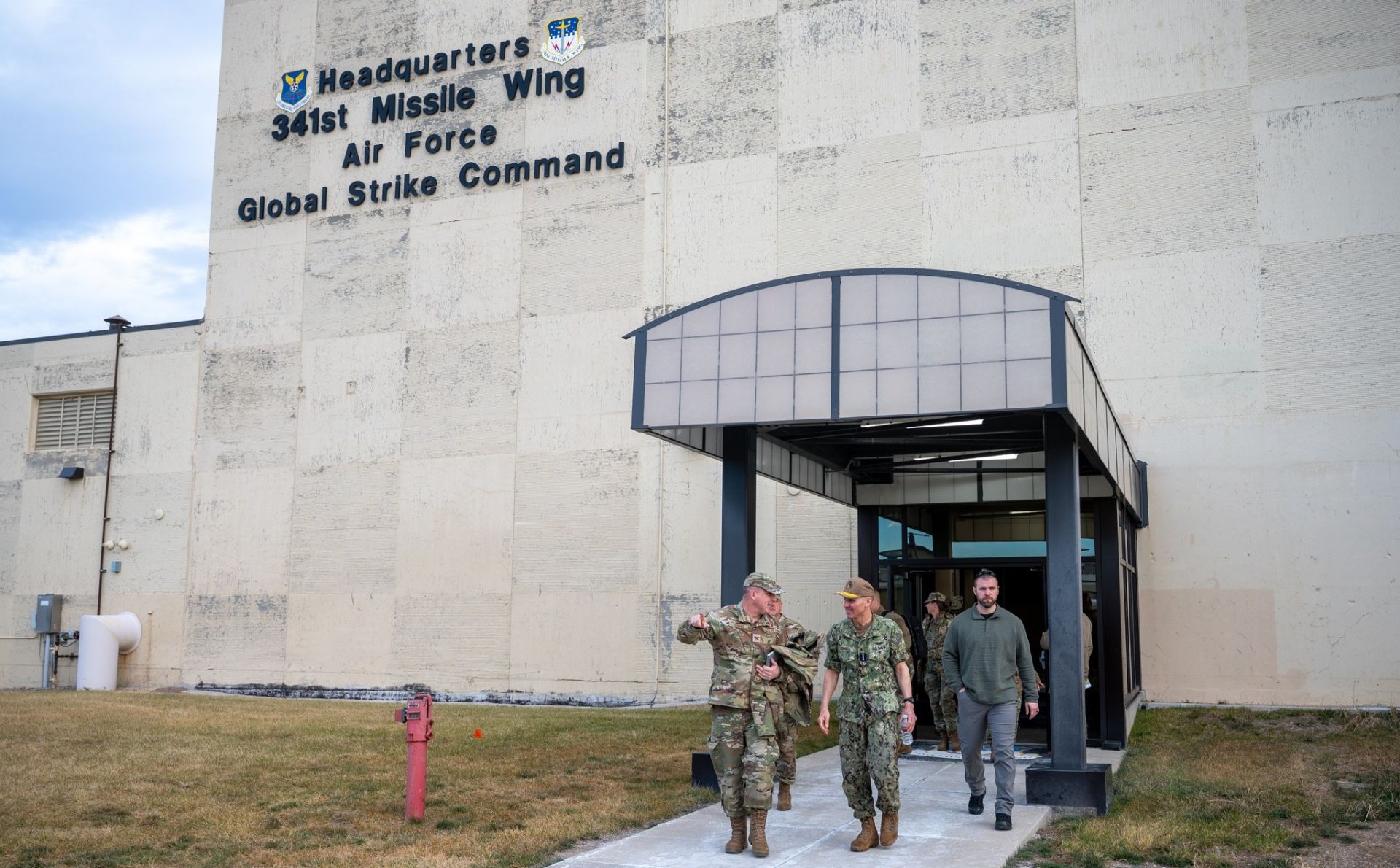
공군부(DAF, Department of the Air Force)와 국방부 산하 국방혁신단(DIU, Defense Innovation Unit)은 콜로라도주 버클리 우주군기지(Buckley Space Force Base)와 몬태나주 맬름스트롬 공군기지(Malmstrom Air Force Base)를 마이크로원자로 배치 후보지로 선정했다.
이번 수요일 발표는 시설용 첨단 원자력(ANPI, Advanced Nuclear Power for Installations) 프로그램의 계획을 진전시키는 것으로, 동 프로그램은 2024년 출범 당시 상업 원자로 기업들이 소유·운영하는 "첨단, 계약업체 소유·운영" 마이크로원자로를 기지 내에 배치하는 것을 목표로 삼았다.
낸시 발쿠스(Nancy Balkus) 공군부 인프라·에너지·환경 담당 차관보 대리는 "차세대 원자력 에너지의 활용을 발전시킴으로써, 공군부는 전력 투사 플랫폼(power projection platforms, 원거리에서 군사력을 행사할 수 있는 기반 시설)의 에너지 안보를 강화하고 장기적인 국가 에너지 리더십에 기여하고 있다"고 밝혔다. 그는 또 "이 이니셔티브는 우리 부처가 세계 최고의 공군 및 우주군으로 남도록 보장하는 중요한 단계를 의미한다"고 덧붙였다.
보도자료에 따르면, 공군부와 태평양 북서 국립연구소(Pacific Northwest National Laboratory) 소속 전문가들이 환경, 원자력 안전, 에너지 통합 등 핵심 분야를 평가하기 위해 데이터 및 현장 분석을 실시했다. 콜로라도주 오로라(Aurora) 및 몬태나주 캐스케이드 카운티(Cascade County) 소재 군사 시설은 각각의 인프라, 부지 가용성, 그리고 중요 임무 요건을 이유로 선정되었다.
버클리와 맬름스트롬은 각 기지의 에너지 수요에 가장 적합한 공급업체 및 마이크로원자로와 짝을 이루게 될 예정이다. 발표에 따르면 예상 배치 시기는 2030년 또는 그 이전이다.
첨단 원자로와 군: ANPI 프로그램의 일환으로, 국방부(DOD)는 2025년 4월 아래 나열된 8개 기업이 해당 프로젝트의 기타 거래(other transaction) 수주 자격을 갖추었다고 발표했다:
안타레스 뉴클리어(Antares Nuclear)
BWXT 어드밴스드 테크놀로지스(BWXT Advanced Technologies)
제너럴 아토믹스 일렉트로마그네틱 시스템스(General Atomics Electromagnetic Systems)
카이로스 파워(Kairos Power)
오클로(Oklo)
레이디언트 인더스트리스(Radiant Industries)
웨스팅하우스 거버먼트 서비스(Westinghouse Government Services)
X-에너지(X-energy)
ANPI가 군사 기지에서 첨단 원자로를 추진하는 유일한 프로그램은 아니다. ANPI는 2030년까지 군사 시설에 운영 실증용 마이크로원자로 발전소를 배치하려는 미 육군 프로젝트인 야누스 프로그램(Janus Program)과 병행 진행되고 있다. 야누스 프로그램은 또 다른 마이크로원자로 이니셔티브인 프로젝트 펠레(Project Pele)를 기반으로 하며, 프로젝트 펠레는 아이다호 국립연구소(Idaho National Laboratory)에서 이동식 마이크로원자로의 설계, 건설, 실증을 지원하고 있다.
한편, ANPI는 알래스카주 아이엘슨 공군기지(Eielson AFB)에 마이크로원자로 배치를 추진하는 별도의 공군부 파일럿 프로그램과 혼동해서는 안 된다.
미 공군은 마이크로원자로와 같은 첨단 원자로 기술 배치 노력을 강화해왔다. 최근 공군부가 발행한 정보요청서(RFI)는 군사 기지에 소형 원자력 원자로 배치에 관심 있는 기업들로부터 정보를 수집하고 있으며, RFI 마감일인 4월 19일이 빠르게 다가오고 있다.
RFI에 따르면, "수집된 정보는 상업적으로 실행 가능한 n번째 동종(NOAK, nth-of-a-Kind) 역량을 달성하고 설치하는 데 있어 산업계의 신뢰도를 평가하는 데 도움이 될 것"이라고 명시되어 있다.
---
AI 분석
미 국방부가 콜로라도와 몬태나 두 군사 기지를 마이크로원자로 배치 후보지로 선정한 것은 에너지 자립과 국가 안보를 연결하는 전략적 전환을 의미한다. ANPI, 야누스 프로그램, 아이엘슨 파일럿 등 복수의 프로그램이 동시에 추진되면서 군 내 원자력 에너지 도입이 단발성 실험이 아닌 체계적인 정책으로 자리잡고 있음을 시사한다. 특히 8개 민간 상업 기업이 후보 공급업체로 지정된 점은 정부-민간 협력 모델을 통해 첨단 소형 원자로 기술의 상용화를 앞당기려는 의도를 반영한다. 2030년을 목표 배치 시점으로 설정한 것은 기술적 도전과 더불어 규제 및 허가 절차를 포함한 복잡한 실행 과정을 전제로 한다. 이러한 흐름은 미국이 군사 에너지 인프라에서 원자력의 역할을 근본적으로 재정립하려는 장기적 비전을 추진하고 있음을 보여준다.
독일은 2023년 마지막 원전을 폐쇄했으나, 에너지 가격 상승과 공급 불안으로 인해 탈핵 결정에 대한 재검토 여론이 확산되고 있음
2025년 기준 독일 국민의 55%가 원자력 복귀를 지지하며, 폰 데어 라이엔 EU 집행위원장과 메르츠 총리도 탈핵을 "전략적 실수"로 인정했으나 메르츠는 "돌이킬 수 없다"고 발언
독일은 전력 가격이 EU 최고 수준이며, 재생에너지 전환 과정에서 석탄·가스 의존도가 높아져 탄소 배출 및 해외 에너지 의존이라는 이중 문제에 직면해 있음
_마르크 펠릭스 세라오(Marc Felix Serrao)는 악셀 슈프링어 글로벌 리포터 네트워크(The Axel Springer Global Reporters Network)의 글로벌 리포터입니다._
독일의 옛 엠스란트(Emsland) 원자력 발전소 입구는 곧장 과거로 이어진다. 방문객들은 층수가 아닌 고도가 표시되는 엘리베이터를 타고 올라간다. 복도에는 전화 부스와 전화번호부가 줄지어 서 있어, 마치 인터넷이 발명되지 않은 것처럼 느껴진다.
일상에서 쓰는 물건들은 모두 밖에 두어야 한다. 옷, 시계, 휴대폰, 결혼반지 등을 사물함에 넣고, 대신 깨끗하지만 사용된 속옷과 양말, 고무 슬리퍼, 노란색 안전모, 노란 지퍼가 달린 주황색 작업복을 지급받는다.
이 요란한 복장을 갖추고 나면, 두꺼운 문틀이 이어진 통로를 지나 단지의 심장부인 통제 구역으로 향하게 된다. 입구 위에는 작은 플라스틱 띠가 펄럭인다. 안전을 위해 공기조차 안쪽으로 빨려 들어가도록 설계되어 있다.
돔 형태의 지붕 아래, 광활한 홀은 첨단 기술의 대성당처럼 느껴진다. 1988년부터 2023년까지 이곳에서는 원자를 분열시켜 전기를 생산했다. 생산량은 4,000억 킬로와트시가 넘으며, 이는 독일이 1년간 소비하는 전력량에 맞먹는다. 오늘날에는 귀를 찢는 소음 속에서 작업자들이 발전소를 해체하고 있다.
독일이 원자력 발전을 단계적으로 폐지하겠다고 선언한 지 15년 동안, 전국 곳곳에서 이 같은 광경이 펼쳐지고 있다. 작업자들은 남아 있는 33기의 원자로를 폐로하는 작업에 매달려 있다. 그러나 최근 우크라이나와 이란에서 벌어진 전쟁으로 독일의 에너지 가격이 치솟으면서, 원자력 에너지에서 등을 돌린 것이 과연 옳은 선택이었는지에 대한 물음이 다시 고개를 들고 있다.
2011년 쓰나미로 인해 일본 후쿠시마(Fukushima) 원자력 발전소에서 노심 용융 사고가 발생했을 때, 독일인 10명 중 거의 9명이 신속한 원자력 탈피에 찬성한다고 밝혔다. 2023년에 이르러서는 59퍼센트가 단계적 폐지가 잘못된 결정이었다고 생각하게 되었다. 2025년의 대표 여론조사에서는 과반수인 55퍼센트가 원자력 에너지로의 복귀를 지지하는 것으로 나타났다.
정치적 흐름을 감지한 듯, 독일의 고위 정치인 두 명이 최근 원자력 에너지에서 물러선 결정을 공개적으로 비판했다. 유럽연합 집행위원장 우르줄라 폰 데어 라이엔(Ursula von der Leyen)은 — 해당 결정이 내려질 당시 독일 정부의 장관이었던 인물로 — 이를 "전략적 실수"라고 불렀다.
독일 총리 프리드리히 메르츠(Friedrich Merz)는 한 걸음 더 나아가 이를 "중대한 전략적 실수"라고 표현했다.
그럼에도 그는 이 결정이 이제 "돌이킬 수 없다"고 덧붙였다.
나를 네덜란드 국경 근처의 링엔(Lingen) 마을에 위치한 엠스란트 발전소로 이끈 것은 바로 그 마지막 발언이었다. 이곳이 하나의 질문을 던지기에 완벽한 장소처럼 느껴졌기 때문이다. 메르츠가 단정 지어 말한 내용이 실제 기술적·정치적 현실을 어느 정도 반영하는 것일까? 독일의 원자력 단계적 폐지를 되돌리기에는 너무 늦은 것일까? 이 결정은 정말로 "돌이킬 수 없는" 것일까?
에너지 갈증
이곳에 온 목적은 원자력 에너지의 장단점을 따지려는 것이 아니었다. 독일이 고준위 방사성 폐기물을 어디에 영구 보관해야 하는지라는 아직 미해결 과제에 답을 찾으러 온 것도 아니었다. 내가 알고 싶었던 것은, 독일이 원자력 탈피를 되돌릴 수 있느냐는 것이었다. 그 자체로도 복잡한 질문이지만, 이제는 점점 더 시급한 문제가 되고 있다.
독일 링엔에 위치한 엠스란트 원자력 발전소. 독일은 원자력을 단계적으로 폐지한 거의 유일한 나라다. | 시나 슐트(Sina Schuldt)/picture alliance via Getty Images
독일 산업계는 에너지에 굶주려 있다. 독일은 이미 막대한 양의 전기를 필요로 한다. 그리고 인공지능 같은 기술을 구동하는 데이터 센터를 구축해 나갈 앞으로의 수년 동안, 수요는 더욱 늘어날 것이다.
이와 동시에, 독일은 주로 풍력과 태양광에 의존하는 에너지 전환, 즉 _에너지벤데(Energiewende)_ 를 추진해 왔다. 지난해 재생에너지는 독일 전력 생산의 56퍼센트를 차지했다. 과거에는 저탄소 발전 방식인 원자력 에너지가 나머지 부분을 메우는 데 도움을 주었다. 오늘날에는 석탄과 가스가 그 빈자리를 채워야 한다. 독일은 자국 내에서 여전히 갈탄을 채굴한다. 그러나 역청탄과 천연가스는 대부분 해외에서 수입한다.
이는 두 가지 문제를 야기한다. 첫 번째는 화석 연료로 인한 배출 문제이다. 두 번째는 경우에 따라 권위주의적이거나 불안정하거나 혹은 그 둘 다에 해당하는 천연가스 공급국에 대한 의존이다. 우크라이나든 중동이든, 전쟁은 에너지 가격을 급등시킬 수 있다.
독일의 전기 요금은 이미 비싸다. 최근 몇 년간 유럽연합에서 가장 비싼 수준에 속했다. 2025년 상반기 요금은 킬로와트시당 38.35센트를 웃돌았으며, EU 평균보다 거의 10센트가 높았다.
이것이 반드시 그래야 할 필요는 없습니다. 유럽에서 독일은 원자력 발전을 단계적으로 폐지하려는 독자적인 노선을 걷고 있습니다. 많은 국가들은 계속해서 이 기술을 지지하고 있습니다. 프랑스와 영국에서 핀란드, 스웨덴, 체코에 이르기까지, 각국 정부는 새로운 원자로를 건설하거나 그 기반을 마련하고 있습니다. 폴란드처럼 처음으로 이 분야에 진입하는 나라도 있고, 이탈리아처럼 복귀를 검토하는 나라도 있습니다.
독일이 폐쇄하고 있는 33기의 원자로 중 3기는 불과 3년 전에 가동을 중단했습니다. 엠슬란트(Emsland), 네카르베스트하임 2호기(Neckarwestheim 2), 이자르 2호기(Isar 2), 이 세 곳만 계속 가동되었더라도 연간 약 32테라와트시(TWh)의 전기를 생산할 수 있었을 것입니다. 이는 약 900만 가구, 즉 독일 인구의 상당 부분이 1년간 사용할 수 있는 전력량입니다.
그렇다면 이런 질문을 던질 만합니다. 저 발전소들을 다시 가동하려면 어떻게 해야 할까요?
원자로 내부로
전문가가 아닌 눈으로 보면, 폐쇄된 엠슬란트 발전소는 외부와 내부 모두 대체로 온전한 모습을 유지하고 있습니다. 통제 구역 중심부에는 사용후 핵연료 저장조의 짙은 파란 물이 여전히 반짝이고 있습니다. 그 바닥에는 718개의 연료 집합체가 놓여 있으며, 발전이 종료된 이후에도 계속 냉각되어야 합니다.
"엠슬란트는 세계 최고 수준의 선도적인 발전소였습니다"라고 안드레아스 프리에(Andreas Friehe)는 말합니다. 회색 수염이 난 키 큰 엔지니어인 프리에는 이 부지의 구석구석을 알고 있습니다. 그는 1996년 학생 신분으로 이곳에서 일을 시작했고, 인근 연료 집합체 공장에서 졸업 논문을 작성했으며, 지금은 폐로 작업을 총괄하고 있습니다. 그의 사무실에서 대화를 나눈 후, 우리는 함께 발전소의 가장 깊숙한 곳으로 들어갔습니다.
프리에 같은 사람이라면 우울해할 것이라고 생각할 수도 있습니다. 그는 미래가 있다고 믿었던 분야에서 직업을 선택했습니다. 몇 년 후, 그는 그 끝이 다가오고 있다는 것을 알게 되었습니다. 이제 경력의 마지막 3분의 1을 보내고 있는 그는 이 발전소를 영면시키는 일을 맡고 있습니다.
하지만 56세의 그는 현실주의자이거나 뛰어난 배우입니다. 폐로 작업은 자신이 "즐기는 엄청난 도전"이라고 그는 말합니다. 단계적 폐지를 되돌리는 것에 대해서는 "제 생각에는 돌이킬 수 없는 시점이 이미 오래전에 지났습니다"라고 말합니다.
자신의 주장을 입증하기 위해, 그는 통제 구역 안의 방수포 앞으로 나를 안내했습니다. 그 뒤에는 거대한 금속 반구가 놓여 있었는데, 바로 원자로 노심을 감싸는 강철 용기인 원자로 압력 용기의 덮개였습니다.
2025년 8월 엠슬란트 원자력 발전소 원자로 건물 내부. | 지나 슐트(Sina Schuldt)/픽처 얼라이언스(picture alliance) via 게티 이미지(Getty Images)
엠슬란트는 고압 하에서 물을 가열하기 위해 원자력 분열을 이용하는 가압수형 원자로를 사용했습니다. 그 물은 터빈과 발전기를 구동하는 2차 회로에 열을 전달합니다. 3월 초 제가 방문했을 때, 작업자들은 덮개를 톱으로 잘라내는 작업을 진행 중이었습니다. 금속에는 이미 깊은 절개 흔적이 남아 있었습니다.
무게가 109톤에 달하는 이 덮개는 이 발전소를 위해 특별히 제작된 맞춤 제작품입니다. "그런 것을 그냥 기성품으로 주문할 수는 없습니다"라고 프리에는 말합니다. "오늘날 독일에서는 그것을 만들어 줄 수 있는 곳이 없습니다."
이 시점에서 저는 취재를 멈추고 싶은 유혹을 느꼈을 수도 있습니다. 독일에서 가장 최근에 폐쇄된 원자로 중 하나의 해체를 담당하는 관리자가 그 과정이 되돌릴 수 없다고 말한다면, 왜 그를 의심해야 할까요? 반원자력 정치인들은 종종 정확히 그런 주장을 합니다. 그들은 이렇게 말합니다. 보세요, 산업계 전문가들조차 복귀가 불가능하다고 봅니다.
하지만 그렇게 단순하지 않습니다. 프리에의 고용주인 독일 본사의 에너지 다국적 기업 RWE(RWE)는 이 문제에서 결코 중립적인 관찰자가 아닙니다. 이 회사는 한때 엠슬란트를 운영했고 지금은 그 폐로 작업을 관리하고 있습니다. 15년간, 정치는 이 회사가 원자력 발전소 해체를 경제적, 기술적, 조직적으로 준비하도록 강제해 왔습니다.
RWE 최고경영자 마르쿠스 크레버(Markus Krebber)는 독일 원자력 발전으로의 복귀를 거부했습니다. 가장 최근에 폐쇄된 발전소들의 시대는 "끝났다"고 그는 말했습니다. 그의 대변인 중 한 명은 이렇게 표현했습니다. "독일 정치인들이 원자력 에너지 단계적 폐지를 결정했고, 우리 회사는 그 결정을 이행하고 있습니다. 우리는 원자력 발전 복귀에 관한 어떤 논쟁에도 참여하지 않습니다."
엠슬란트 방문은 이 문제가 RWE에게 얼마나 민감하게 남아 있는지를 보여주었습니다. 회사는 발전소 관리자와 함께하는 모든 발걸음에 두 명의 홍보 담당자를 파견했습니다. "돌이킬 수 없는 시점"에 대한 프리에의 말은 회사의 공식 입장과 일치합니다.
물론 이것이 항상 회사의 견해였던 것은 아닙니다. 독일 총리 앙겔라 메르켈(Angela Merkel)이 2011년 후쿠시마(Fukushima)식 사고의 위험이 "감당할 수 없다"고 선언한 후, 당시 RWE 최고경영자 위르겐 그로스만(Jürgen Grossmann)은 단계적 폐지가 "독일을 기업 위치로서 심각한 결과를 초래할 수 있다"고 경고했습니다.
실제로 업계의 많은 사람들은 여전히 엠슬란트(Emsland)와 같은 발전소의 복구를 주장하고 있다. 업계의 이익을 대변하는 산업 협회 케른디(KernD)는 "초기 해체 단계에 있는 독일의 개별 원자력 발전소는 재가동이 가능하다"고 밝혔다.
이미 해체된 부품들은 재제작하여 재설치할 수 있다. 협회는 "해체 과정의 일정 시점까지는 신규 건설에 비해 경제적으로도 유리하다"고 말했다.
케른디(KernD)는 두 가지 병행 접근법을 권고한다. 첫째, 독일은 제조업체들이 2030년대에 시장에 출시될 수 있다고 말하는 소형 모듈 원자로(SMR) 등 새로운 소형 원자로를 포함한 미래에 대비해야 한다. 둘째, 실현 가능한 경우 노후 원자력 발전소를 개보수해야 한다.
협회는 많은 장애물들이 사실 극복 가능하다고 말했다. 연료봉은 새로 조달할 수 있다. 교대 감독관 및 원자로 운전원 등 핵심 직위는 가동 재개 전에 충원될 수 있다.
미국 원자력 기업 웨스팅하우스(Westinghouse)의 최고상업책임자 타리크 초호(Tarik Choho)는 독일의 원자력 탈출이 번복될 수 있다고 낙관한다. 그의 회사는 폴란드의 원자력 에너지 사업에 원자로 기술을 공급하고 있다. 한편 독일에서는 해체 작업에 참여하고 있다.
그는 엠슬란트(Emsland)에서 새로 절단된 원자로 압력 용기 덮개와 같은 부품을 웨스팅하우스(Westinghouse)가 "어려움 없이" 교체할 수 있다고 말한다.
'현실적이지 않다'
그렇다면 문제가 기술적인 것이 아니라면, 무엇이 문제인가?
나는 베를린의 핵심 관계자들에게 상세한 질문을 보냈다. 엠슬란트(Emsland)와 같은 발전소의 해체를 중단하기 위해 어떤 법적 조치가 필요한가? 어떤 일정이 현실적인가? 운영자들이 충족해야 할 안전 및 인허가 요건은 무엇인가? 가장 큰 장애물과 결정적인 중단 신호는 무엇인가?
연방 정부와 관련 규제 당국 모두 모호한 답변을 내놓았다. 총리의 보수적 기독교민주연합(CDU) 소속 카타리나 라이헤(Katherina Reiche)가 이끄는 경제부는 메르츠(Merz)의 연립 파트너인 사회민주당(SPD) 소속 카르스텐 슈나이더(Carsten Schneider)가 이끄는 환경부로 문의를 떠넘겼다.
연방 원자력 폐기물 안전관리청(BASE)도 마찬가지였다. 환경부 대변인은 실질적인 답변을 전혀 보내지 않았으며, 오직 현재 현상 유지에 대한 설명만 보내왔다.
환경부는 독일의 모든 원자력 발전소가 해체 허가를 받았으며 해체가 상당히 진행되었다고 밝혔다. 연방 정부는 해체된 발전소의 재가동 방안을 고려하거나 검토하지 않고 있다. 또한 전 운영자들이 추가 운영에 응하지 않겠다고 공개적으로 반복해서 밝혔다고 덧붙였다. 그리고 마지막으로 "가상의 시나리오에 대해서는 논평하지 않는다"고 말했다.
장애물은 명백히 정치적인 것이다.
2025년 메르츠(Merz)를 총리로 만든 총선을 앞두고, 기독교민주연합(CDU)은 "원자력 옵션"을 살려두겠다고 공약했다. 그의 당 강령은 "가장 최근에 폐쇄된 원자력 발전소의 가동 재개를 검토하겠다"고 발표했다.
그러나 예상외로 실망스러운 결과 이후 메르츠(Merz)는 원자력 복귀에 반대하는 사회민주당(SPD)과 연립 정부를 구성할 수밖에 없었다.
사회민주당(SPD) 원내 에너지정책 대변인 니나 셰어(Nina Scheer)는 복귀가 "현실적이지 않다"고 말했다. 그녀는 해체된 발전소를 재가동하는 것은 단순히 운영을 연장하는 것과는 완전히 다른 문제라고 주장했다. 기존 허가는 단순히 연장될 수 없다. 대신 수년이 걸릴 수 있는 매우 복잡한 새로운 절차가 필요할 것이라고 했다.
그녀는 어차피 원자력은 가장 비싼 전력 생산 방식이라고 덧붙였다. 재생에너지 기반 시스템에는 적합하지 않다고 계속 말했다. 폐기물 처리 및 안전 문제도 여전히 해결되지 않았다. 그리고 독일은 연료 수입에 새로운 의존성을 만들어 회복력을 높이지 못할 것이라고 했다.
이러한 주장들은 기껏해야 논쟁의 여지가 있다. 신규 건설에 비용이 많이 드는 것은 사실이다. 그러나 건설 비용이 이미 상환된 기존 발전소의 경우에는 그것이 덜 명확하다. 그리고 스페인과 같은 나라들은 원자력이 원칙적으로 풍력 및 태양광과 공존할 수 있음을 보여준다.
독일은 실제로 외국의 우라늄 수입에 의존하게 되겠지만, 다른 에너지원과 근본적으로 다른 방식은 아니다. 우라늄 광석은 1990년까지 국내에서도 채굴되었다. 동시에 셰어(Scheer)가 옹호하는 태양광 산업은 그러한 의존성이 얼마나 깊어질 수 있는지를 잘 보여준다. 2024년에 독일로 수입된 태양광 시스템의 86퍼센트가 중국산이었다.
나는 셰어(Scheer)에게 사회민주당(SPD)이 원자력을 재평가할 수 있는 시나리오가 있는지 물었다. 예를 들어 극심한 공급 위기 같은 경우는? 그녀는 아니라고 말했다.
이러한 반대에 직면하여 메르츠(Merz)의 보수파는 밀어붙이기를 거부했다.
가장 최근에 폐쇄된 발전소의 운영 재개는 "매우 어려울 것"이라고, CDU/CSU 원내교섭단체의 에너지정책 대변인 안드레아스 렌츠(Andreas Lenz)가 나에게 서면으로 전했다. 쉐어(Scheer)와 마찬가지로, 그는 해체가 상당히 진척된 상태, 인력 손실, 그리고 허가증 부재를 지적했다.
하지만 무엇보다 그가 지목한 것은 SPD였다.
"솔직히 말해야겠습니다 — 연정 파트너에게는 정치적 의지가 없습니다," 그가 말했다.
원자력의 최종 국면
파티 비롤(Fatih Birol), 파리 국제에너지기구(IEA) 수장은 독일의 에너지 정책에 대한 가장 날카로운 비판자 중 한 명이다. 베를린의 한 컨퍼런스 참석 중 나눈 대화에서, 68세인 그 역시 불가역성의 논리를 거부했다. 가장 최근에 폐쇄된 원자로를 재가동하는 것은 "매우 도전적인 일"임을 인정하면서도, 그는 "냉철하게 다시 한번 살펴볼 것"을 주장한다. 단 하나의 원자력 발전소라도 전력망에 복귀할 수 있다면, 그것은 "독일에 중요한 성과"가 될 것이라고 그는 말한다.
비롤(Birol)이 보기에 올바른 길을 걷고 있는 나라는 폴란드다. 독일이 원자력 발전소를 해체하는 동안, 폴란드의 국영 기업 폴스키에 엘렉트로우니에 얀드로베(Polskie Elektrownie Jądrowe, PEJ)는 첫 번째 원자력 발전소를 건설하고 있다. 현재로서 그 부지는 발트해에서 수백 미터 떨어진 해안 숲을 개간한 땅에 불과하지만, 2028년 말 첫 콘크리트를 타설하고 세 기의 원자로 유닛 중 첫 번째가 2036년에 가동을 시작할 예정이다.
대화 중에 PEJ 대표 마레크 보슈치크(Marek Woszczyk)는 폴란드가 원자력 에너지로 선회하게 된 이유를 단 한 단어로 설명한다: 주권. 수십 년간 석탄이 폴란드의 전력 시스템을 지탱해 왔지만, 폴란드는 러시아 가스에 대한 의존이 얼마나 위험한지도 경험으로 알았다. 따라서 석탄이 쇠퇴하는 가운데, 원자력 에너지는 자명한 해답이 되었다. 원자력은 안정적으로 공급 가능하고, 장기적으로 저렴하며, 배출가스가 거의 없는 전력을 제공한다. 폴란드는 60년에서 80년, 어쩌면 그 이상 운영할 수 있는, 검증되고 현대적인 3세대+(Generation III+) 원자로에 베팅하고 있다고 그는 말한다. 초기의 막대한 투자가 이루어지고 나면 경쟁력도 매우 높아진다.
보슈치크(Woszczyk)는 독일의 행보를 어떻게 평가할까? "독일에 강의하고 싶지는 않습니다," 그가 말한다. "하지만 폴란드의 동력은 설명할 수 있습니다." 자국에서 이 논쟁은 이념이 아니라 단순한 질문에 의해 주도된다고 그는 설명한다: "수십 년간 대규모로 깨끗하고, 안전하며, 예측 가능한 전력을 보장할 수 있는 다른 방법이 무엇입니까?" 대부분의 폴란드인들은 그의 낙관론을 공유한다. 여론조사에서 원자력 에너지에 대한 지지는 수년간 매우 높은 수준을 유지하고 있다.
그러나 링겐(Lingen)으로 돌아오면, 해체는 계속되고 있다. 과거 발전소에서 나온 해체된 부품 하나하나, 나사 하나하나가 기록되어 소형 금속 컨테이너에 포장된다. 빨간 뚜껑은 내용물이 여전히 현장 자체의 해체 시설에서 세척되어야 함을 의미한다. 초록 뚜껑은 깨끗하고 제염된 것, 즉 표면의 방사성 입자로부터 제거되어 반출 허가를 받은 것을 의미한다.
공식적으로 반출 허가가 나면, 이 자재들의 대부분은 일반 재활용 흐름으로 들어간다. 일부는 소각되거나 용해된다. 그리고 방사성 폐기물이 남는다. RWE에 따르면, 이는 원자력 발전소 전체 자재의 1퍼센트에 불과하다.
2024년 해체가 시작된 이래로, 프리헤(Friehe)는 자신의 팀이 약 1,000톤의 자재를 제거했다고 말한다. 최종적으로는 냉각탑을 제외하고 총 약 80만 톤에 달할 것이다. 작업은 2030년대 중반까지 완료될 예정이다. 그 후 시설이 프리헤(Friehe)의 표현대로 "원자력법의 적용 범위에서 벗어나면," 일반 철거가 뒤따를 것이다.
하지만 이 기사를 취재하면서 내가 배운 것이 있다면, 대안을 한번 고민해볼 가치가 있다는 것이다.
독일이 다시 원자력 전기를 생산하고자 한다면, 연방의회(Bundestag)가 먼저 원자력법을 개정해야 할 것이다. 현행법은 사실상 상업적 운영 허가가 만료되었다고 명시하고 있다. 그 문장을 삭제하거나 변경해야 할 것이다. 단순한 의회 과반수로 충분하다.
만약 올해 법이 개정된다면, KernD의 추산으로는 대략 다음과 같은 일정이 가능하다: 2027년과 2028년에 어떤 부지를 다시 가동할지에 대한 정치적 결정이 이루어져야 한다. 동시에, 관련 당국이 규제 체계를 조정할 것이다. 새로운 운영 조직이 업무를 시작할 수 있다 — 예를 들어 직원 채용 및 교육.
2029년 말까지, 사업자들은 민간 투자자와 산업계 수요자를 모집할 시간을 갖게 된다. 그리고 최종 허가가 나면, 엠스란트(Emsland) 발전소의 해체가 완전히 끝나기도 전인 2031년에서 2033년 사이에 첫 번째 원자로가 다시 가동될 수 있다.
하지만 그러기 위해서는 독일 정치인들이 지금 당장 움직여야 한다 — 그리고 그럴 가능성은 높아 보이지 않는다. CDU의 렌츠(Lenz)가 말한 대로: "해체가 진행되는 매 하루하루가 이 일을 더 어렵고 더 비싸게 만듭니다."
독일의 원자력 탈피는 메르츠(Merz)가 말했듯 실제로 "돌이킬 수 없는" 일이 될지도 모른다. 그러나 그것은 냉혹한 현실이 아니라 정치적 선택이다.
한편, 해체 중인 원자력 발전소는 묘한 중간 상태에 놓여 있다. 더 이상 에너지원이 아니지만, 아직 고철 더미도 아닌 — 슈뢰딩거의 고양이처럼, 그것은 여전히 두 가지 가능성을 모두 품고 있다.
_악셀 슈프링어 글로벌 리포터즈 네트워크(Axel Springer Global Reporters Network)는 전 세계에 반향을 일으키는 특종, 조사 보도, 인터뷰, 칼럼, 분석을 발행하는 복수 매체 협력 이니셔티브입니다. 이 네트워크는 악셀 슈프링어(Axel Springer) 브랜드 소속 — POLITICO, Business Insider, WELT, BILD, Onet 등을 포함한 — 언론인들을 국제 독자를 위한 주요 기사에 연결합니다. 이 네트워크의 야심찬 보도는 온라인, 인쇄, TV, 오디오 등 악셀 슈프링어(Axel Springer)의 모든 플랫폼에 걸쳐 펼쳐집니다. 이 매체들은 합산하여 전 세계 수억 명에게 닿습니다._
AI 분석
독일의 탈원전 결정이 에너지 안보와 경제적 측면에서 심각한 도전에 직면하고 있다는 점에서 이 기사는 중요한 시사점을 제공한다. 2011년 후쿠시마 사고 이후 국민의 90%가 탈원전을 지지했지만, 2025년에는 55%가 원전 복귀를 지지하는 등 여론이 극적으로 반전된 것은 에너지 현실에 대한 독일 사회의 재평가를 보여준다. 우크라이나 및 중동 전쟁으로 인한 에너지 가격 급등과 EU 평균보다 약 10센트 높은 전기요금은 탈원전 정책의 경제적 대가를 구체적으로 드러내고 있다. 폰 데어 라이엔 EU 집행위원장과 메르츠 독일 총리 모두 탈원전을 "전략적 실수"로 인정했지만, 이미 폐로 작업이 진행 중인 현실에서 이 결정의 '불가역성'은 독일이 직면한 핵심 딜레마를 상징한다. 프랑스, 영국, 핀란드 등 주변국들이 원전을 확대하는 가운데 독일 홀로 탈원전 노선을 고수하는 상황은 유럽 에너지 지정학의 분열을 심화시키고 있다.
※ 이 글은 해외 원자력 바로알기를 위한 정보 전달을 목적으로 제공됩니다. 특정 기업이나 종목에 대한 투자 권유가 아니며, 모든 투자 판단과 그에 따른 책임은 투자자 본인에게 있습니다.
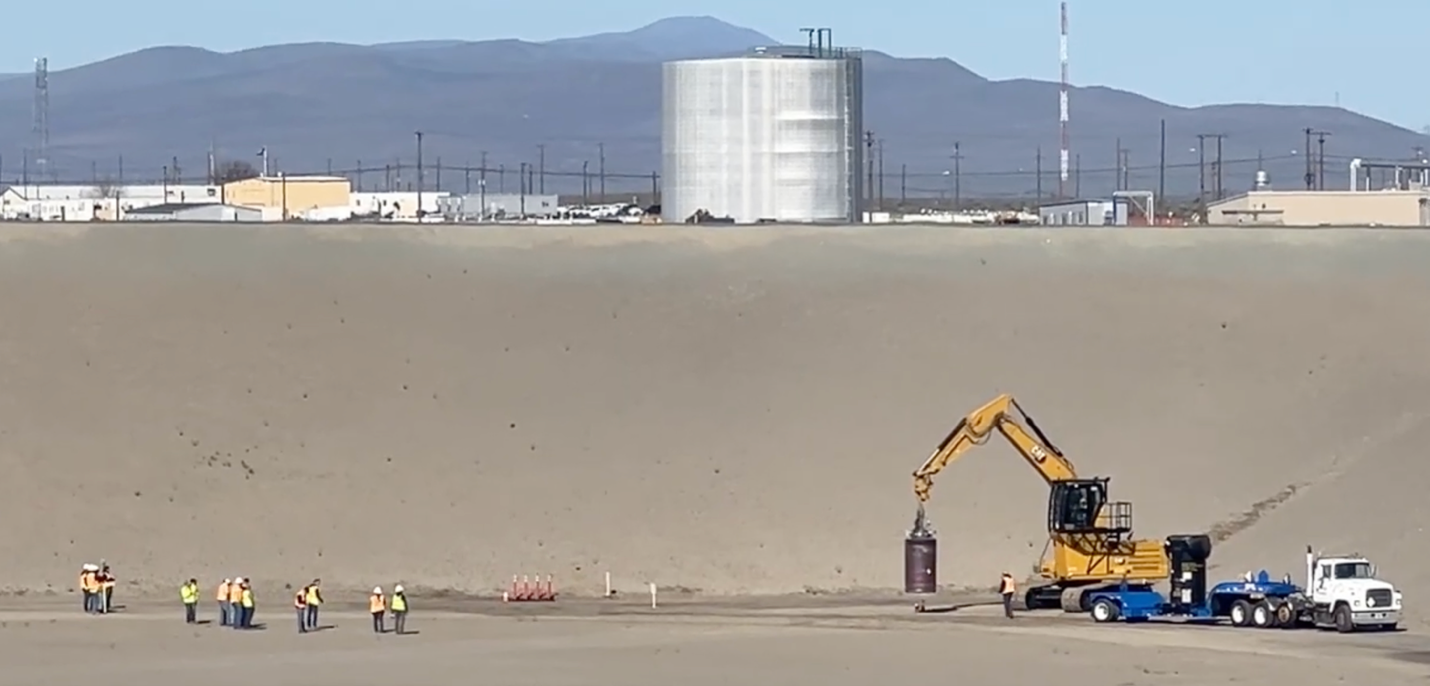
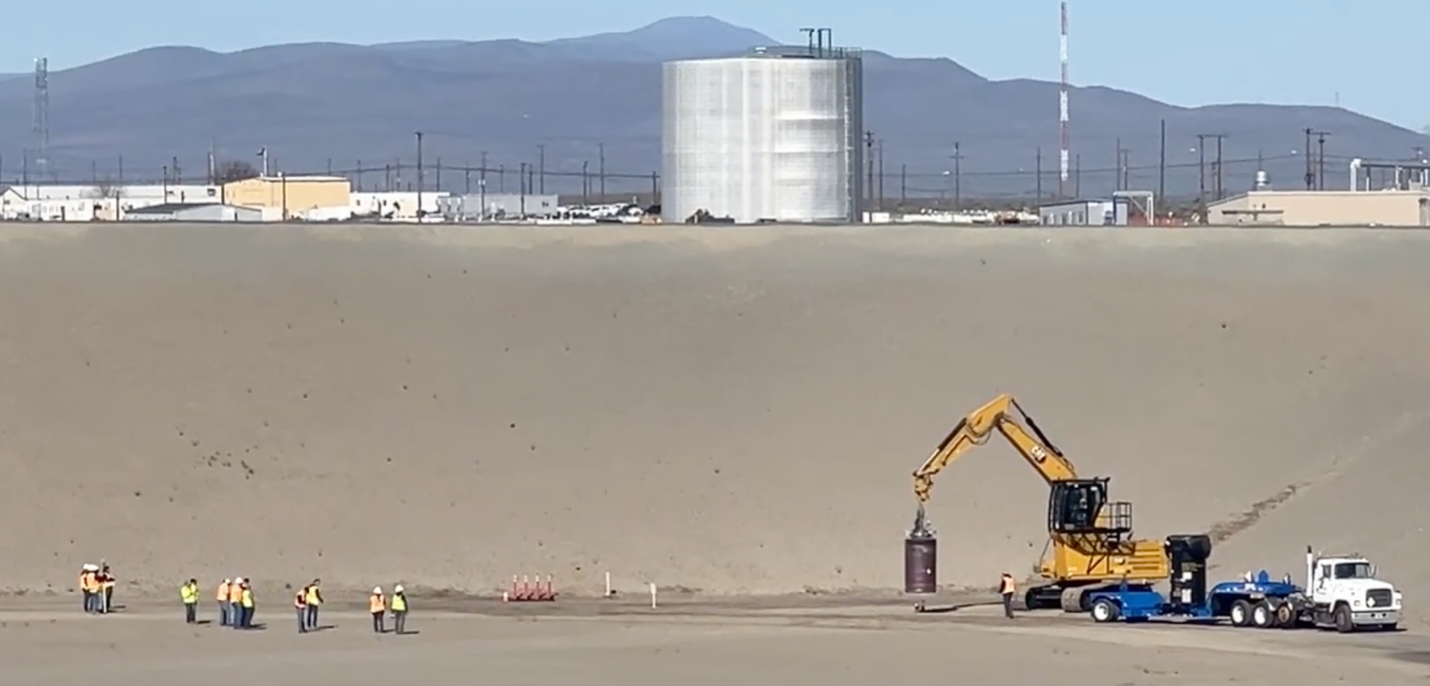
핸포드의 현장 저준위 방사성 폐기물(LLW) 매립지에 유리화 폐기물 용기가 배치되고 있다. (이미지: DOE)
요약
카테고리: 현황
미국 에너지부 환경관리국(DOE-EM)이 워싱턴주 리치랜드(Richland) 인근 핸포드(Hanford) 부지에서 유리화된 저준위 방사성 탱크 폐기물의 첫 번째 용기들을 통합처분시설(IDF)에 영구 처분하기 시작했다.
각 용기는 무게 7.5톤의 스테인리스 스틸 재질로, 고화된 탱크 폐기물을 담고 있으며, 현재까지 약 25개의 용기가 처분 셀 이동 준비를 마친 상태다.
핸포드 폐기물 처리 및 고화 플랜트(WTP)의 저준위 폐기물(LAW) 시설은 현재 고온 시운전(hot commissioning) 중이며, 2025년 10월부터 원자력 유리화 작업을 개시해 현재까지 약 5만 갤런의 탱크 폐기물을 유리화했다.
본문
미국 에너지부(DOE)의 환경관리국은 워싱턴주 리치랜드 인근 핸포드(Hanford) 부지에서 유리화된 저준위 방사성 탱크 폐기물의 첫 번째 용기들을 영구 처분하기 시작했다고 발표했다. 이는 미국 방사성 탱크 폐기물 정화 임무에서 중대한 전환점(pivotal step)을 의미한다.
지난주 DOE-EM과 그 계약업체인 센트럴 플래토 클린업 컴퍼니(Central Plateau Cleanup Company)는 고화된 탱크 폐기물을 담은 첫 번째 7.5톤짜리 스테인리스 스틸 용기들을 통합처분시설(IDF, Integrated Disposal Facility)—핸포드의 현장 엔지니어링 저준위 방사성 폐기물 매립지—에 배치했다.
DOE-EM에 따르면, IDF는 지난 가을 폐기물이 유리화되는 폐기물 처리 및 고화 플랜트(WTP, Waste Treatment and Immobilization Plant)로부터 첫 번째 용기들을 인도받아, 처분 준비를 위해 인근 콘크리트 패드 위에 임시 보관해 왔다. 현재 약 25개의 용기가 처분 셀로 이동할 준비가 완료된 상태라고 DOE-EM은 밝혔다.
처리 과정: DOE-EM과 계약업체 벡텔(Bechtel)은 2025년 10월부터 WTP의 저준위 폐기물(LAW) 시설에서 원자력 유리화 작업을 시작했다. LAW 시설은 현재 고온 시운전(hot commissioning) 단계에 있으며, 이 단계에서는 전면적인 운영에 대한 규제 승인을 취득하기 전에 시설 시스템들이 시험 및 검증된다. 고온 시운전은 완료까지 추가로 6~12개월이 소요될 것으로 예상된다.
유리화 과정에서는 처리된 탱크 폐기물이 LAW 시설의 두 용융로(melter) 중 하나에 투입되어 섭씨 약 1,149°C(2,100°F)까지 가열되고, 유리 형성 물질과 혼합된 후 폭 약 1.2m(4피트), 높이 약 2.3m(7.5피트)의 용기에 주입된다.
2월 현재, WTP 작업팀은 약 5만 갤런의 탱크 폐기물을 유리화 유리로 전환하여 34개의 용기를 채웠다. 핸포드의 지하 폐기물 탱크에는 약 5,600만 갤런의 방사성 및 유해 폐기물이 저장되어 있다.
DOE-EM에 따르면, IDF에서의 저준위 폐기물(LLW) 용기 처분은 미국 탱크 폐기물 정화 임무의 중대한 전환점이며, WTP의 고준위 폐기물 시설 완공 작업을 진행하는 동안 핸포드의 저준위 폐기물을 유리화하기 위한 DOE 전략인 직접 공급 저준위 폐기물(DFLAW, direct-feed low-activity waste) 안정적 운영을 향한 진전을 보여 준다.
인용: 핸포드 부지 관리자 레이 가이머(Ray Geimer)는 "이것은 핸포드 팀 전체에게 자랑스럽고 의미 있는 성과입니다"라고 말했다. "안전하게 처분을 시작한 것은 탱크 폐기물 처리를 지원하는 데 필요한 시스템, 시설, 인력이 함께 작동하고 있음을 보여 줍니다. IDF에 배치되는 각각의 용기는 장기적인 환경 위험을 줄이고, 지역 사회와 환경을 보호하겠다는 DOE의 약속을 이행하는 방향으로 우리를 나아가게 합니다."
AI 분석
핸포드 부지의 유리화 폐기물 첫 영구 처분은 수십 년간 지속되어 온 미국 최대 규모의 방사성 폐기물 정화 프로젝트에서 실질적인 운영 단계로 진입했음을 상징한다. 현재 5만 갤런을 유리화한 것은 전체 저장량 5,600만 갤런에 비하면 극히 일부에 불과하지만, WTP 시스템 전반의 기술적 통합이 실증되었다는 점에서 중요한 의미를 지닌다. LAW 시설의 고온 시운전이 완료되고 전면 운영 승인을 받게 되면 처리 속도가 크게 가속화될 것으로 기대된다. 또한 이번 성과는 DFLAW 전략의 실현 가능성을 확인해 주며, 고준위 폐기물 시설의 완공 지연과 별개로 저준위 폐기물 처리를 선행할 수 있다는 DOE의 접근법이 유효함을 보여 준다. 향후 수십 년에 걸친 장기 정화 로드맵의 첫 단추가 꿰어진 이번 사례는 원자력 시설 해체 및 폐기물 관리 분야에서 중요한 선례가 될 것이다.
_주(州) 조사를 받았던 캠든 소재 기업, 셰릴의 원자력 에너지 추진에서 핵심 플레이어로 부상_
뉴저지 주지사 미키 셰릴(Mikie Sherrill)이 2026년 4월 8일 수요일 뉴저지주 로어 얼러웨이즈 크릭에 위치한 PSEG 세일럼 원자력 발전소를 시찰하고 있다. 사진: 팀 라슨(Tim Larsen), 주지사실.
불과 약 2년 전만 해도, 홀텍 인터내셔널(Holtec International)은 주(州)로부터 세금 감면 혜택 100만 달러를 부당하게 요청했다는 혐의로 뉴저지주의 형사 조사를 받고 있었다.
하지만 이제 캠든에 본사를 둔 이 기술 기업은, 셰릴 행정부가 뉴저지의 에너지 위기 극복을 돕기 위해 원자력 발전 이니셔티브를 출범시키면서 논의 테이블에 자리를 차지하게 되었다.
4월 8일 수요일, 셰릴 주지사는 홀텍의 로비스트이자 커뮤니케이션 임원인 패트릭 오브라이언(Patrick O'Brien)을 원자력 태스크포스의 창립 멤버로 임명했다. 오브라이언은 가든 스테이트(뉴저지주의 별명)의 원자력 에너지 증진을 목표로 하는 열셋의 유틸리티 임원, 경제 개발 인사, 정부 관계자들과 함께하게 됐다.
이 발표는 델라웨어 강변의 세일럼 원자력 발전소에서 이루어졌으며, 셰릴 주지사가 반세기 동안 지속된 뉴저지주의 신규 원자력 발전소 건설에 관한 사실상의 모라토리엄을 공식적으로 종료하는 법안에 서명하는 자리에서 발표됐다.
셰릴 주지사와 다른 관계자들은 이 금지 조치가 전력 소비자들이 탄소 없는 에너지를 절감된 비용으로 이용하는 데 도움이 될 수 있는 새로운 원자력 기술의 가능성을 가로막는 시대에 뒤떨어진 관료주의적 규제였다고 말했다.
셰릴 주지사는 "뉴저지는 차세대 원자력 에너지를 선도하여 전력 공급을 늘릴 수 있는 좋은 위치에 있으며, 우리는 사업을 위해 문을 열고 있습니다"라고 말했다.
오브라이언은 저지 빈디케이터(The Jersey Vindicator)와의 이메일 인터뷰에서 홀텍은 이번 금지 조치의 종료를 기쁘게 생각한다고 밝혔다. 그러나 그는 새로운 원자력 발전소가 실현 가능하려면 아직 수년이 걸릴 것이며 주(州)의 지원이 필요할 것이라고 강조했다.
"신규 건설을 지원하기 위해 아직 해야 할 일이 많습니다," 오브라이언은 말했다.
그가 말하는 그 작업에는 2018년에 폐쇄되어 현재 홀텍이 소유하고 있는 오션 카운티의 오이스터 크릭 발전소(Oyster Creek Generating Station)의 완전한 폐로 작업이 포함된다. 작업자들은 이미 사용후 핵연료봉을 수조(水槽)에서 방사성 폐기물의 장기 보관을 위해 설계된 대형 용기인 현장의 "건식 저장용기(드라이 캐스크)" 군(群)으로 옮겼다.
현재 작업자들은 레이시 타운십 시설을 해체하고 모든 방사성 장비를 외부로 운반하는 작업을 진행 중이다. 최신 완료 목표 시기는 2029년이다.
홀텍은 또한 원자력 규제 위원회(Nuclear Regulatory Commission)로부터 SMR-300으로 알려진 소형 원자력 발전기 제품군 제조 승인을 받아야 한다. SMR-300은 대형 전통 원자력 발전소와 매우 유사하게 끓는 물을 이용하는 소형 원자로다. 홀텍의 소형모듈원자로(SMR)는 이미 미시간주의 팰리세이즈(Palisades) 원자력 시설에 사용하도록 지정되어 있으며, 오이스터 크릭에서도 이상적으로 활용될 수 있을 것이라고 오브라이언은 말했다.
그러나 홀텍에게 있어 최후의, 그리고 가장 큰 장애물은 자금이다.
오브라이언은 새로운 원자력 발전소 건설이 재정적으로 타당성을 갖추려면 신규 원자로가 생산하는 전력에 대한 안정적인 시장을 보장하는 "장기 구매 계약"이 필요할 수도 있다고 말했다. 미시간주에서 홀텍은 미시간주 코버트 타운십에 위치한 팰리세이즈 발전소에서 생산되는 모든 에너지의 3분의 2를 구매하기로 합의한 비영리 농촌 협동조합과 이러한 장기 계약을 체결했다.
미시간주의 전력 계약과 팰리세이즈 발전소의 새로운 발전기 건설은 3억 달러의 주(州) 자금과 미국 에너지부의 15억 달러 규모의 대출 보증을 통해 가능해졌다.
원자력 에너지 지지자들은 팰리세이즈(Palisades)와 같은 신규 프로젝트가 초기에는 비용이 많이 들 수 있지만 장기적으로는 비용을 절감할 수 있다고 말한다. 셰릴(Sherrill) 의원실은 뉴저지의 기존 원자력 발전소 3곳이 주 전체 전력 수요의 약 40%를 공급하며 대안 에너지원과 비교해 소비자들에게 연간 4억 달러 이상을 절감해 준다는 것을 보여준 2020년 분석 자료를 인용했다.
주 안팎의 비판론자들은 깊은 회의감을 표명하며, 수십억 달러의 손실을 낸 후 무너진 여러 원자력 프로젝트 실패 사례를 제시한다. 또한 뉴저지 요금 납부자들이 이미 주 내 원자력 에너지를 보조하기 위한 추가 요금으로 상당한 비용을 지불했다는 점도 지적한다.
"원자력 발전소가 경제성을 갖출 것이라고 믿는 것은 완전한 환상입니다"라고 빌 울프(Bill Wolfe)는 말했다. 그는 전 주 환경보호부 관리로, 현재 인기 블로그 '울프노트(WolfeNotes)'에서 에너지 정책과 기타 주 현안을 추적하고 있다. "원자력이 어떻게든 전기 요금 인하로 이어질 것이라는 생각은 그 자체로 터무니없는 것입니다."
2007년 아이다호에서 시작된 소형모듈원자로(SMR) 프로젝트는 2018년 예정된 완공 시점에 42억 달러가 소요될 것으로 추정되었다. 비용이 90억 달러 이상으로 급증하면서 이 미완성 프로젝트는 2023년 붕괴되었다.
조지아주 웨인즈버로(Waynesboro)의 새로운 원자로 2기는 미국 원자력 르네상스의 시작을 알리는 것으로 찬사를 받았지만, 오바마 행정부 시절로 거슬러 올라가는 수십억 달러의 납세자 보조금에도 불구하고 건설에 수십 년이 걸렸다. 발전소가 2023년 전력 생산을 시작했을 때 이미 예산을 170억 달러 초과한 상태였다.
2018년, 뉴저지 의원들은 원자력 발전을 지원하기 위한 논란의 "무탄소 배출 크레딧 프로그램"을 만들었다. 이 프로그램은 지원 없이는 폐쇄 위기에 처해 있다고 주장한 뉴저지 원자력 시설 소유주들에게 연간 3억 달러를 지원했다. 2024년에 종료된 이 보조금은 전기 요금에 70달러의 추가 요금 형태로 요금 납부자들이 직접 부담했다.
홀텍(Holtec)은 신규 원자력 프로젝트의 초기 자본 비용이 크다는 것을 인정하지만, 탄소 없는 전력의 실질적인 환경적 혜택 외에도 이후 수년간 상당한 절감 효과가 발생한다고 말한다.
오브라이언(O'Brien)은 또한 홀텍의 소형모듈원자로에 대한 승인 절차가 이미 순조롭게 진행 중이어서 뉴저지 내 신규 발전기의 가동 시간을 단축할 수 있다고 밝혔다. 다른 기술 기업들은 액체 나트륨과 같은 검증되지 않은 소재를 기반으로 한 비교적 이색적인 소형모듈원자로 설계를 사용하고 있다.
"우리의 기술은 전 세계 대부분의 가동 중인 발전소에서 사용되는 공지의 가압수형 기술로, 수십 년간의 사용을 통해 안전성이 입증되었습니다"라고 그는 말했다. "이것은 해군이 [원자력] 함대의 동력원으로 사용하는 것과 동일한 기술입니다."
홀텍은 1986년 물리학자 크리슈나 싱(Krishna Singh)이 설립한 비상장 기업으로, 그는 현재까지 회사 회장직을 맡고 있다. 수십 년간 홀텍은 사용후 핵연료의 처리 및 보관을 전문으로 했다. 홀텍의 밀폐형 건식 캐스크는 전 세계 원자력 시설에서 사용되고 있다.
지난 10여 년간 홀텍은 원자력 발전소의 소유 및 폐로 분야로 빠르게 사업을 확장했으며, 현재 뉴저지, 미시간, 뉴욕, 매사추세츠에 폐쇄된 부지를 보유하고 있다.
싱은 윤리적 문제와 기타 여러 의혹 불규칙 행위로 인해 강도 높은 비판을 받아왔다.
2010년, 테네시 밸리 당국(Tennessee Valley Authority)은 싱과 핵심 하청업체 간의 거래에 관한 뇌물 수사 이후 홀텍에 200만 달러의 벌금을 부과하고 회사 임원들에게 윤리 교육을 받도록 명령했다. TVA는 또한 홀텍을 연방 사업에서 60일간 배제했는데, 이는 TVA 역사상 최초의 이러한 거래 정지 조치였다.
2023년, 홀텍의 전 최고재무책임자는 회사가 잠재적 투자자들에게 전송했다고 주장되는 허위 재무 정보에 서명하기를 거부한 후 해고되었다는 내용의 연방 소송을 제기했다. 소송에서는 홀텍이 의도적으로 매출 전망을 부풀리고 수백만 달러의 예상 손실을 은폐하려 했다고 주장했으며, 회사는 이러한 혐의를 부인했다.
해당 혐의에는 뉴멕시코주 남동부에 통합 핵폐기물 저장 시설을 건설하려는 논란이 많은 제안에서 7억 5,000만 달러의 잠재적 손실을 감추려 한 회사의 시도가 포함된다.
2024년 1월, 홀텍은 세금 감면 제도 혐의와 관련한 뉴저지 내 형사 기소를 피하기 위해 500만 달러의 벌금을 납부하기로 합의했다.
전 뉴저지 법무장관 매튜 플랫킨(Matthew Platkin)은 당시 홀텍이 2018년 엔젤 투자자 세금 감면 프로그램(Angel Investor Tax Break Program)에 따라 주정부로부터 받은 100만 달러를 박탈당했다고 밝혔다. 플랫킨은 또한 홀텍이 추가 주정부 혜택 신청과 관련해 3년간 주정부의 독립적 감시를 받기로 합의했다고 말했다.
싱이 소유한 부동산 회사도 포함된 이 합의는 주 당국에 따르면 홀텍이 주정부에 허위 정보를 제출했다는 것을 밝힌 장기간의 형사 수사 끝에 이루어졌다.
홀텍(Holtec)은 세금 감면 사건과 관련된 어떠한 비위도 부인하며, 자사의 기업 윤리는 타의 추종을 불허한다고 밝혔다. 이 회사는 자신들의 모든 업무가 연방 정부의 승인 및 검토를 받았으며, 정부가 새로운 소형모듈원자로(SMR) 계획을 수용한 것은 회사에 대한 강력한 지지의 표명이라고 강조했다.
독립적인 뉴저지 저널리즘. 권력이 아닌 공공을 위해 봉사합니다.
저지 빈디케이터(Jersey Vindicator)는 이 주(州)의 삶을 형성하는 결정, 기관, 권력 구조를 조사합니다. 저희는 유료 구독 장벽도, 기업 후원자도 없으며, 오직 공공에 대한 의무만을 지닙니다. 독자 여러분의 지원이 그 독립성을 실질적으로 만들어 줍니다. 오늘 기부를 고려해 주시기 바랍니다.
제프 필레츠(Jeff Pillets)는 프리랜서 저널리스트로, 그의 기사들은 프로퍼블리카(ProPublica), 뉴저지 스포트라이트 뉴스(New Jersey Spotlight News), WNYC-뉴욕 퍼블릭 라디오(WNYC-New York Public Radio), 더 레코드(The Record)에 소개된 바 있다. 그는 뉴저지 주 정부의 낭비와 부패에 관한 기사로 2008년 퓰리처상 최종 후보에 올랐다. 연락처: jeffpillets AT icloud.com.
뉴저지 주지사 미키 셰릴이 50년간 지속된 신규 원자력 발전소 건설 금지를 공식적으로 해제하며, 주 차원의 원자력 에너지 추진 계획을 발표한 것은 미국 에너지 정책의 중요한 전환점을 의미한다. 과거 주 정부로부터 세금 혜택 관련 형사 수사를 받았던 홀텍 인터내셔널이 핵심 자문단에 참여하게 된 것은, 기업 신뢰 회복과 규제 환경 변화가 얼마나 빠르게 이루어질 수 있는지를 보여주는 사례다. 홀텍이 개발 중인 SMR-300 소형 모듈 원자로는 차세대 원전 기술의 상용화 가능성을 제시하며, 오이스터 크릭 부지를 활용한 재개발 계획은 폐원전의 재활용이라는 새로운 모델을 제시한다. 그러나 신규 원전 건설이 경제성을 확보하려면 장기 전력 구매 계약과 대규모 정부 재정 지원이 필수적이라는 점에서, 실질적인 상업 가동까지는 여전히 넘어야 할 재정적·규제적 장벽이 높다. 이번 뉴저지의 행보는 청정에너지 전환과 전력 공급 안정성이라는 두 과제를 동시에 해결하려는 미국 내 원자력 르네상스의 흐름을 반영하며, 향후 다른 주들의 정책 방향에도 영향을 미칠 수 있다.
※ 이 글은 해외 원자력 바로알기를 위한 정보 전달을 목적으로 제공됩니다. 특정 기업이나 종목에 대한 투자 권유가 아니며, 모든 투자 판단과 그에 따른 책임은 투자자 본인에게 있습니다.
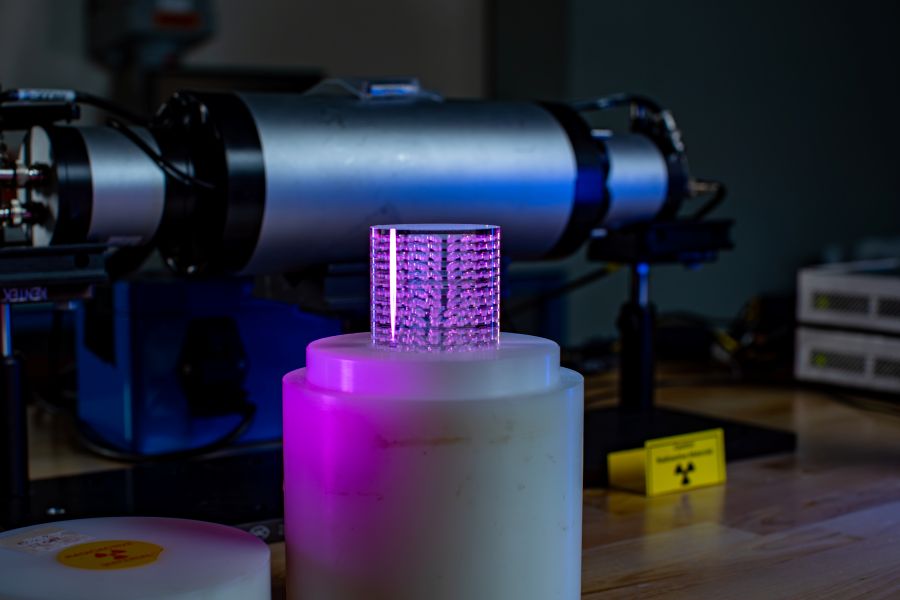
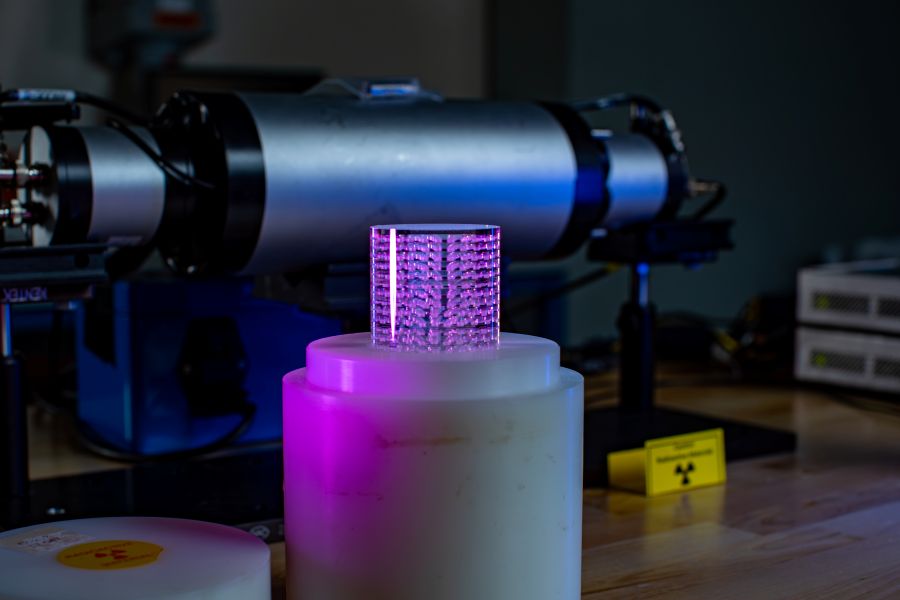
광검출기로의 효율적인 빛 전달을 위해 투명한 매트릭스에 중성자 감응 유리 소자를 내장한 적층 디스크 제조 방식을 구현한 고체 복합 중성자 검출기. (사진: LANL)
요약
카테고리: 기술
로스앨러모스 국립연구소(LANL)가 강력한 감마선 환경에서도 작동하는 새로운 중성자 센서 'ICONS'를 개발했으며, 기존 헬륨-3 기반 검출기와 동등하거나 그 이상의 성능을 입증했다.
기존의 헬륨-3 가스 충전 방식 대신 리튬-6 유리 섬광체 입자를 유기 매트릭스에 분산시킨 복합 섬광체를 활용하여 헬륨-3 공급 부족 문제를 해결했다.
ICONS는 단순한 펄스 적분 방법으로 뛰어난 중성자/감마선 식별 능력을 달성하며, 개별 배경 중성자부터 극도로 강렬한 중성자 플럭스까지 정확하게 측정할 수 있는 넓고 선형적인 측정 범위를 제공한다.
---
로스앨러모스 국립연구소(Los Alamos National Laboratory)는 강력한 감마선이 존재하는 환경을 포함하여 광범위한 조건에서 작동하는 새로운 유형의 중성자 센서 개발을 발표했다.
이 기술은 통합 복합 광학 중성자 센서(Integrated Composite Optical Neutron Sensor, ICONS)라고 불린다.
"중성자를 정확하게 측정하는 것은 에너지 연구, 국가 안보, 과학 실험, 의학, 원자력 안전조치 등 다양한 분야에서 매우 중요합니다," LANL의 과학자이자 ICONS 팀장인 마르쿠스 헤흘렌(Markus Hehlen)이 말했다. "하지만 정확한 중성자 측정을 달성하는 것은 놀라울 정도로 어렵습니다."
헬륨-3 가스 충전 중성자 비례 검출기가 광범위하게 사용되고 있지만, 수십 년간 지속된 가스 부족으로 인해 가격이 비싸고 구하기 어려워졌다. ICONS를 비롯한 다수의 신규 개발 센서들은 이 문제를 피하기 위해 리튬-6 기반 설계에 초점을 맞추고 있다.
헤흘렌은 중성자 검출기 설계에 새롭게 도입된 섬광 복합소재—유기 매트릭스에 분산된 리튬-6 유리 섬광체 입자로 구성—를 활용하여 ICONS가 기존의 헬륨-3 기반 검출기와 동등하거나 심지어 그 이상의 성능을 발휘하는 것이 입증되었다고 밝혔다.
"ICONS의 복합 섬광체 아키텍처는 단순한 펄스 적분 방법을 통해 탁월한 중성자/감마선 식별 능력을 발휘합니다. 이를 통해 다른 리튬-6 기반 벌크 섬광체 기술에서 사용해야 하는 펄스형 식별 방법의 복잡성을 크게 줄일 수 있습니다," 헤흘렌이 Nuclear News에 전했다.
광전 증배관의 이중 판독 방식을 사용하여 섬광 빛을 검출함으로써, ICONS는 넓고 선형적인 측정 범위를 달성한다. LANL에 따르면, 개별 배경 중성자부터 극도로 강렬한 중성자 플럭스에 이르기까지 정확도를 잃지 않고 측정할 수 있다.
2025년 Communications Physics에 게재된 논문은 "현재 리튬-6 유리 입자 검출 시스템의 소형성과 모듈성은 필수적인 특징"이라며 "휴대성이 중요한 원자력 안보 및 비상 대응 분야에서 특히 유용하다"고 밝혔다.
더욱 복잡해지는 원자력 시대: 유사한 연구가 미국에 대한 공격 억지를 임무로 하는 국방위협감소국(Defense Threat Reduction Agency, DTRA) 연구개발국에서도 진행 중이다. 현장에서 사용할 수 있는 휴대용 방사선 검출기에 대한 필요를 충족하기 위해, DTRA는 방사선 검출 소재를 연구하고 있으며 섬광체 기반 설계도 탐색해 왔다. 해당 기관은 감마선과 중성자 모두를 식별하는 고급 무기 섬광 결정을 개발했으며, 이는 병사의 장비에서 두 개의 별도 장치를 잠재적으로 대체할 수 있다.
AI 분석
로스앨러모스 국립연구소의 ICONS 기술은 수십 년간 지속된 헬륨-3 공급 부족 문제에 대한 실질적인 해결책을 제시한다는 점에서 중요한 의의를 지닌다. 리튬-6 기반 복합 섬광체를 활용한 접근법은 비용 절감과 성능 향상을 동시에 달성할 수 있는 가능성을 보여주며, 원자력 안전조치 및 국가 안보 분야에서의 활용 잠재력이 높다. 특히 단순한 펄스 적분 방법으로 중성자/감마선 식별이 가능하다는 점은 현장 운용의 실용성을 크게 높이는 요소다. DTRA의 유사 연구와 맞물려, 이 기술은 소형화 및 휴대성을 갖춘 차세대 방사선 검출 장비 개발을 가속화할 전망이다. 해당 기술이 상용화된다면 원자력 안보, 의료, 과학 연구 등 다양한 분야에서 중성자 측정의 접근성과 신뢰성을 획기적으로 향상시킬 수 있을 것이다.
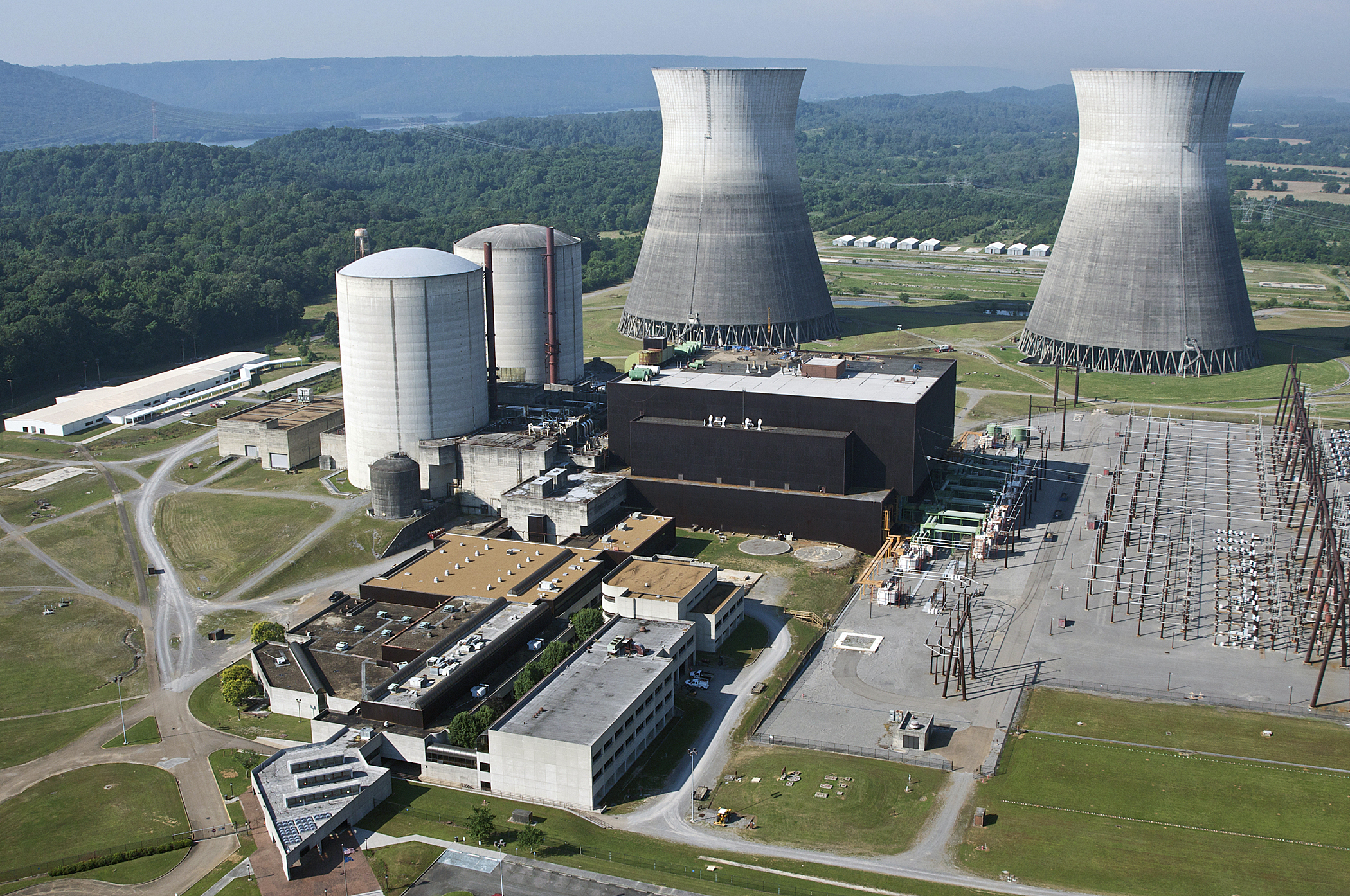
지난주, 테네시 밸리 공사(Tennessee Valley Authority, TVA)가 유포한 통합 자원 계획 초안(Draft Resource Plan)에, 앨라배마주 스콧츠버로(Scottsboro) 인근에 위치한 오랫동안 미완공 상태인 벨폰테(Bellefonte) 원자력 발전소가 완공되지 않을 것이라는 가정이 포함되어 있다는 사실이 공개적으로 알려졌습니다. TVA의 원자력 에너지 역사는 올해 6월로 50주년을 맞이하며, 벨폰테와 추후 언급될 또 다른 TVA 발전소와 관련된 사업들이 진행 중에 있습니다. 이 모든 사안은 올해 안에 결론이 날 것으로 예상되며, 오랜 우여곡절의 역사에서 마지막 권의 서문이 될 수도 있습니다.
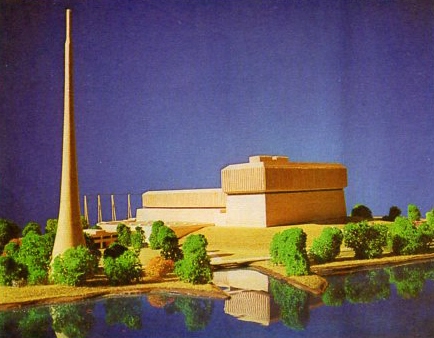
브라운스 페리(Browns Ferry) 원자력 발전소의 초기 모형으로, 처음에 2기 발전소로 구상되어 발주되었습니다. 브로셔 "TVA Power 1967" 수록.
시작
1966년 6월, TVA는 앨라배마주 북중부에 첫 번째 원자력 발전소를 발주·건설하겠다고 발표했습니다. 이 발전소인 브라운스 페리(Browns Ferry)는 세계 어디서도 처음으로 건설되는 제너럴 일렉트릭(General Electric) BWR/4 원자로 2기를 수용하도록 설계될 예정이었습니다. 각 호기는 순 출력 1,065 MWe(당시 발주된 것 중 가장 출력이 높은 비등수형 원자로)를 생산하도록 계획되었으며, 짧은 기간 안에 가동에 들어가는 것을 목표로 했습니다—1호기는 1970년, 2호기는 1971년, 즉 각각 착공 후 4년과 5년이 되는 시점이었습니다.
발전소 건설은 1967년 5월에 시작되었으나, 한 달 뒤 TVA는 동일한 형태의 3호기를 같은 부지 내에—이제는 확장될—동일한 구조물 안에 추가하기로 결정했습니다. TVA는 3호기를 추가하면 발전소의 총 설비용량이 3,456 MWe에 달하여 세계에서 가장 출력이 큰 증기 발전소가 될 것이라고 밝혔습니다. 그러나 발전소의 건설과 시험 운전은 당초의 낙관적인 목표를 달성하지 못했습니다.
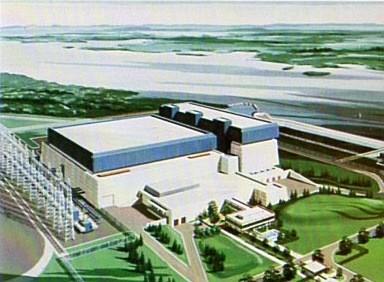
브라운스 페리 원자력 발전소 - 최종 3기 설계의 조감도. TVA 브라운스 페리 브로셔 1976 수록.
브라운스 페리(Browns Ferry) 원자력 발전소 - 최종 3기 설계의 조감도. TVA 브라운스 페리 브로셔 1976 수록.
---
원자력 기술 발전 현황에 관한 미국 원자력 위원회(U.S. Atomic Energy Commission)의 연간 보고서인 WASH-1174-71이 1971년도 사항을 다루어 발간되었습니다. 이 보고서에서 처음 두 호기의 완공 예정일은 각각 1972년과 1973년으로 연기되었으며, 원래 1972년에 가동될 예정이었던 3호기도 1973년으로 지연되어—수많은 지연 사태 중 첫 번째가 시작되었습니다.
수요 증가와 원자력 함대의 시작
1966~1967년 당시 TVA가 직면한 전력 생산 및 배전 설비의 규모와 예상 수요 증가세는 그 시대로서는 상당히 놀라운 수준이었습니다. 1967년, TVA는 총 11개 발전소에서 14 GW(기가와트)의 증기 발전 설비용량을 운영하고 있었으며, 47개 이상의 댐에서 4 GW의 수력 발전 용량을 보유하고 있었습니다. 당시 TVA는 6 GW 규모의 추가 증기 발전 설비(절반 이상이 브라운스 페리였고, 나머지는 석탄 발전)를 건설 중이었으며, 1972년까지 24 GW 이상을 가동할 수 있을 것으로 기대했습니다. 이 모든 것은 TVA의 수요 성장이 폭발적이었기 때문에 필요한 조치였습니다.
브로셔 _TVA Power 1967_ 에 따르면, 전력 사용량은 명백히 증가하고 있었습니다. 가정용 전력 사용량은 1950년에서 1954년 사이에 두 배로 늘었고, 1954년에서 1960년 사이에 또다시 두 배로 증가했으며, 1960년에서 1968년 사이에 한 번 더 두 배가 될 것으로 예상되었습니다. 증가하는 지자체 및 산업용 부하와 함께, 이는 막대한 발전 자원 증설의 필요성을 제시했습니다. 1960년대 말에 접어들면서 원자력 에너지는 수익성이 있음을 입증하기 시작했습니다. 설치된 발전소의 신뢰도와 이용률이 눈에 띄게 향상되기 시작했습니다. 원자력 연료는 이미 연간 2,700만 톤의 석탄을 소비하고 있던 회사에 중요한 추가 자원이 되었습니다.
1968년 4월, TVA는 테네시주에 2기짜리 원자력 발전소인 시콰이아(Sequoyah) 원자력 발전소를 발주했으며, 완공 예정일은 1974년이었습니다. 시콰이아는 웨스팅하우스(Westinghouse) 가압수형 원자로로 건설될 예정이었으며, 각 호기의 출력은 1,124 MWe였습니다.
1970년 8월, TVA는 테네시주에 와츠 바(Watts Bar) 원자력 발전소 건설을 발주했습니다. 웨스팅하우스(Westinghouse) PWR 2기(각 1,169 MWe)로 구성될 예정이었으며, 완공 시기는 대략 1976년과 1977년으로 계획되었습니다.
TVA 원자력 함대의 확장 / 초기 호기 완공 임박
1971년도 WASH-1174-71 보고서에는 흥미로운 기록이 있다: 1970년도 원자력 증기 공급 시스템(NSSS) 주문 목록에는 1175 MWe급 뱁콕 앤 윌콕스(Babcock & Wilcox) 가압수형 원자로(PWR) 두 기가 포함되어 있으며, 각각 1977년과 1978년 완공 예정으로 기재되어 있지만 발전소 명칭이나 위치는 기재되어 있지 않다. 이것이 테네시강유역개발공사(TVA)가 추진할 대규모 추가 건설 프로그램의 첫 번째 단서였다—그러나 이 시점 이후로는 실제로 가동에 들어간 원자로가 단 한 기도 나오지 않는 프로그램이 될 것이었다.
그 신비로운 목록은 사실 벨폰테(Bellefonte) NSSS 주문을 나타낸 것이었다(왓츠 바(Watts Bar)가 주문된 1970년 8월에 함께 주문되었다).
TVA Three Nuclear Plants Projected
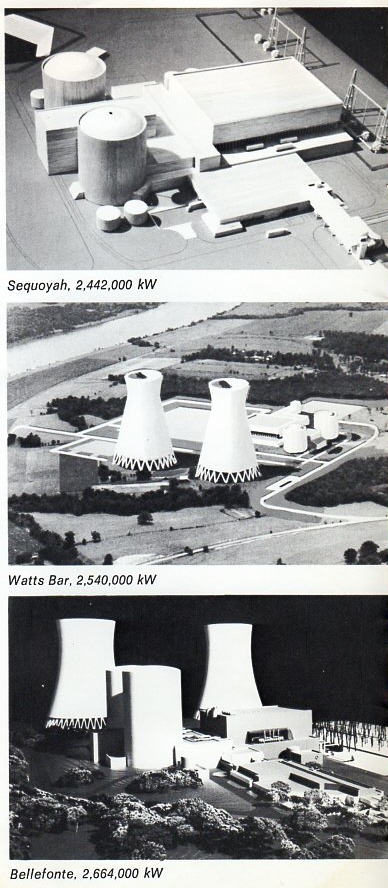
1976년 TVA 브로셔에는 시코야(Sequoyah) 발전소와 벨폰테(Bellefonte) 발전소의 개념 모형(상단과 하단)과 왓츠 바(Watts Bar)의 조감도(중앙)가 담겨 있다.
1971년 초, TVA는 주문 완료 또는 건설 중인 원자력 발전소를 총 4곳 보유하고 있었으며, 여기에는 총 9기의 원자로와 합산 1만 1,100 메가와트 이상의 순발전 용량이 포함되어 있었다. (발전소 등급은 건설 기간 중 변경되는 경우가 많았으며, 대체로 소폭 상승하였음을 유의해야 한다.)
Browns Ferry Nuclear Plant under construction, showing the containment vessels for all three units \(Unit 1 furthest from camera.\) From 1976 TVA brochure.
브라운스 페리(Browns Ferry) 원자력 발전소 건설 현장으로, 3개 호기 전체의 격납 용기가 보인다(1호기가 카메라에서 가장 멀리 위치). 1976년 TVA 브로셔 수록.
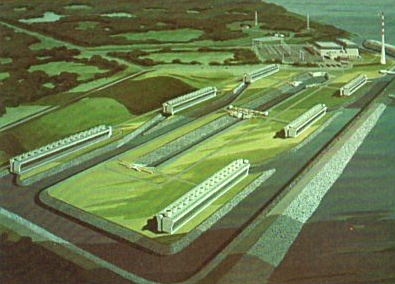
1972년 12월, TVA는 대형 원자력 발전소를 주문하였다. 테네시주 하츠빌(Hartsville) 인근에 건설될 이 발전소는 거울 대칭 구조의 두 개 하위 부지에 4기의 호기를 갖추도록 설계되었으며, 총 발전 용량 5,140 MWe로—당시까지 전 세계에서 주문된 원자력 발전소 중 최대 규모였다. 하츠빌(Hartsville)은 "A"와 "B" 부지로 나뉘어, 각 호기는 하츠빌 A1, A2, B1, B2로 명명될 예정이었다. TVA는 이 4기의 호기에 GE BWR/6 원자로를 주문하였는데, 이는 브라운스 페리(Browns Ferry)에 채택된 BWR/4만큼 당시로서는 최신 기종이었다. 이 발전소의 4개 원자력 아일랜드는 GE의 GESSAR(제너럴 일렉트릭 표준 안전 보고서, General Electric Standard Safety Report) 설계 기준에 따라 설계되었으며, 이는 설계 및 인허가 절차 간소화를 위한 업계 초기 표준화 시도였다.
1974년 8월은 TVA의 원자력 프로그램에 있어 중요한 달이었다. 8월 1일, 브라운스 페리(Browns Ferry) 1호기가 마침내 상업 운전을 시작하였다. 같은 달, TVA는 기존 주문 및 건설 중인 발전소 외에 믿기 어렵게도 두 개의 원자력 발전소를 추가로 주문하였다. 테네시주 킹스포트(Kingsport) 인근의 핍스 벤드(Phipps Bend) 원자력 발전소는 GE BWR/6 원자로 2기로 주문되었으며, 부지 총 순발전량은 약 2,600 MWe였다(하츠빌(Hartsville) 4기와 마찬가지로 GE 표준 원자력 아일랜드 채택). 미시시피주 코린스(Corinth) 인근의 옐로 크리크(Yellow Creek) 원자력 발전소는 컴버스천 엔지니어링(Combustion Engineering) "시스템 80(System 80)" 가압수형 원자로 2기로 주문되었으며, 부지 총 순발전량은 약 2,600 MWe였다.
TVA는 1976년, 1985년까지 총 발전 용량의 놀라운 45%를 원자력이 차지할 것이라고 발표하였다. 당시 TVA는 총 17기의 원자로를 갖춘 7개의 원자력 발전소를 주문 완료한 상태였으며, 합산 용량은 210억 와트(21 기가와트)를 넘었다. 또한 미국 4대 원자로 공급사 전체로부터 NSSS 장비를 주문한 상태였다. (흥미롭게도, 1972년과 1974년에 주문된 모든 호기에는 브라운 보베리(Brown Boveri) 터빈 발전기가 채택되었는데, 이는 미국 원자력 발전소에서 매우 이례적인 제조사였으며, 6기의 GESSAR 기반 원자력 호기에 필요한 장비는 일괄 주문을 통해 개별 구매 대비 비용을 절감하였다.)
가동 호기, 연기 호기, 취소 호기—그리고 운전 정지 호기Before Browns Ferry was fully operational a giant 3000 foot long complex of mechanical draft cooling towers was added to satisfy new legislation that restricted impact to natural bodies of water. From 1976 TVA brochure.
브라운스 페리(Browns Ferry)가 완전 가동에 들어가기 전, 자연 수계에 대한 영향을 제한하는 새 법률을 준수하기 위해 약 900미터(3,000피트) 길이에 달하는 대규모 기계식 냉각탑 단지가 추가로 설치되었다. 1976년 TVA 브로셔 수록.
미국(그리고 초기 원자력 건설 프로그램이 완전히 완료되지 못한 여러 나라)의 원자력 역사에 익숙한 이들이라면 다음에 무슨 일이 벌어졌는지 알 것이다—수요 전망의 하향 조정, 1970년대 초의 규제 지연, 그리고 스리마일 아일랜드(Three Mile Island) 사고 이후의 규제 반(半)교착 상태. 원자력 발전소에 대한 금융 비용 증가 역시 이 상황에 한몫을 하였다. 브라운스 페리(Browns Ferry)는 가동을 시작한 후 여러 어려움을 겪었지만, 현재는 탄탄한 실적을 바탕으로 가동 중이다. 시코야(Sequoyah)의 호기들은 1981년과 1982년에 각각 상업 운전에 들어갔으며, 왓츠 바(Watts Bar) 1호기는 오랜 지연 끝에 1996년에야 운전을 시작하였고, 왓츠 바(Watts Bar) 2호기는 2015년 12월 운전 개시가 예정되어 있었다.
명백한 사실은, TVA가 1950년대와 1960년대에 경험했던 엄청난 수요 증가가 1970년대와 1980년대까지 이어지지 않았다는 것이다. 또한 규제 지연과 건설 문제(이 시기 대부분의 미국 원자력 발전소에서 공통적으로 나타난 문제)가 건설 중인 발전소의 일정을 늘어지게 만들기 시작했다. 1976년에 이르러 TVA는 당초 4개년 계획이 불가능하다는 사실을 인식하고, 발전소 완공에 최소 8~10년은 걸릴 것이라고 밝혔다. 그러나 TVA가 예상 수요보다 앞서가야 하며 뒤처져서는 안 된다는 원칙은 여전히 최우선 과제였다. 1976년 브라운스 페리(Browns Ferry)에 관한 TVA 브로슈어의 한 단락이 당시 상황을 잘 보여준다:
현재의 절차에 따르면, 지금 착공하는 원자력 발전소는 8~10년 후, 즉 현재 초등학교 2~3학년인 아이들이 고등학교를 졸업할 때쯤에야 완공될 것입니다. 이처럼 긴 선행 기간은 미래의 충분한 발전 용량을 확보하기 위해 신중한 추정, 세밀한 계획, 그리고 신속한 건설을 요구합니다. 추정이 어느 방향으로든 빗나갈 수 있지만, 너무 적은 용량을 너무 늦게 확보하는 실수는 너무 이른 시기에 새로운 용량을 계획하는 실수보다 훨씬 심각한 사회적·경제적 결과를 초래할 것입니다.
TVA에 따르면, 1980년대 들어 전력 수요 예측치가 급격히 감소하기 시작했다. 그런데도 TVA는 앞서 인용된 원칙에 따라 엄청난 양의 발전 설비를 건설 중이었으며, 미국 전역의 다른 많은 전력 회사들도 마찬가지였다. 1982년 8월, TVA는 단호한 결정을 내렸다. 각각 17%와 7%가 완공된 하츠빌-B1 및 -B2(Hartsville-B1, -B2)와, 각각 29%와 5%가 완공된 핍스 벤드-1 및 -2(Phipps Bend-1, -2)를 취소했다. 동시에 하츠빌-A1 및 -A2와 옐로 크리크-1 및 -2(Yellow Creek-1, -2)의 건설을 무기한 연기했다.
1984년 7월, TVA 직원들은 이사회에 하츠빌과 옐로 크리크의 나머지 미완성 호기들도 취소할 것을 권고했다. 이는 전력 수요 예측뿐만 아니라 비용 증가(이 시기 건설 중인 원자력 발전소에 관해서는 TVA만의 문제가 결코 아니었다)를 함께 고려한 것이었다. 그해 10월, 이 결정이 최종 확정되어 하츠빌-A1 및 -A2와 옐로 크리크-1 및 -2가 모두 취소되었다(완공률은 각각 44%, 34%, 35%, 3%였다).
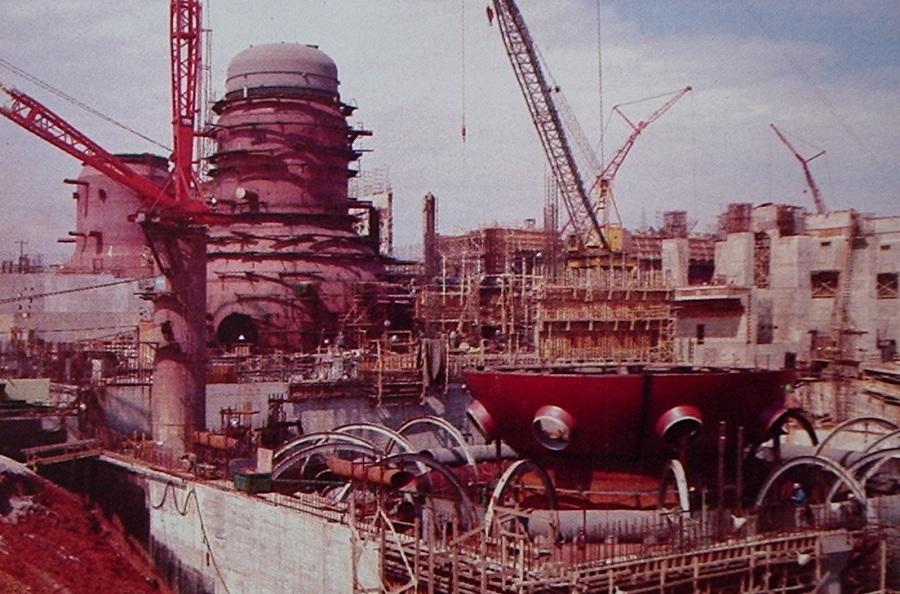
두 기의 왓츠 바(Watts Bar) 호기와 두 기의 벨폰테(Bellefonte) 호기는 불확실한 상태에 놓였다. 이 모든 호기의 건설이 느려졌으며, 1988년 TVA는 두 기의 벨폰테 호기를 이른바 "보관(layup)" 상태로 전환하기로 결정했다. 이 상태에서는 이미 설치된 설비를 유지하기 위한 보수 작업만 수행하고 새로운 장비는 반입하지 않았다. 벨폰테-1은 90%, 벨폰테-2는 58%가 완공된 상태였다.
벨폰테는 1993년 TVA가 건설을 재개할 때까지 사실상 장기 보관 상태로 남아 있었다. 2001년에는 2011년과 2014년에 각 호기를 완공할 것으로 예상했지만, 2005년 해당 호기들은 결국 취소되었다(웨스팅하우스(Westinghouse) AP1000 발전소를 사용하는 벨폰테-3 및 -4 건설 계획과 함께, 변전소 등 B&W 호기를 위해 원래 마련된 일부 부지 시설을 재활용하는 계획이 추진되었다). AP1000 호기에 대한 계획도 실현되지 못했으며, TVA가 결국 다시 방침을 바꿔 기존 벨폰테 호기 작업을 재개했음에도 불구하고, 이제는 초안 자원 계획(Draft Resource Plan)에서 해당 호기들이 회사의 미래 발전 계획에 포함되지 않는다고 발표했다. 이것이 호기들의 최종 취소 및 해체를 의미하는지 여부는 여전히 미지수다.
한편, 왓츠 바-2(Watts Bar-2)는 TVA의 방대한 원래 계획에서 완공과 운영의 희망이 남아 있는 마지막 미완성 호기이며, 순조롭게 진행된다면 올해 그 일이 이루어질 것이다. 그렇게 되고, 또 TVA가 벨폰테를 영원히 완공하지 않기로 결정하여 부지 해체를 시작한다면, 처음 구상되고 계획된 지 반 세기 만에 TVA 원자력 발전 대열의 최종적인 모습이 갖춰질 것이다.
(참고: 본 글에서는 클린치 리버(Clinch River) 부지에 대한 언급을 의도적으로 피했다. 초기의 증식로 계획이든 후기의 소형 모듈 원자로 계획이든, 이 프로젝트들은 엄밀히 말해 TVA의 프로젝트가 아니었기 때문이다.)
AI 분석
이 기사는 2015년 당시 TVA(테네시 강 유역 개발공사)의 원자력 역사 50주년을 맞아 미완성 핵발전소인 벨폰테(Bellefonte) 원전의 완공 포기 가능성을 다루고 있으며, TVA의 원자력 사업 전체 궤적을 돌아보는 중요한 전환점을 기록하고 있다. TVA는 1966년 브라운스 페리(Browns Ferry) 원전 발주를 시작으로 시퀴야(Sequoyah), 왓츠 바(Watts Bar) 등 대규모 원자력 플릿을 구축하며 폭발적 전력 수요에 대응하고자 했으나, 초기 낙관적 완공 일정은 반복적인 지연으로 이어졌다. 벨폰테 원전 포기 결정은 단순한 사업 축소가 아니라, 수십 년에 걸친 미국 원자력 산업의 기대와 좌절, 규제 환경 변화, 경제성 문제 등 복합적 도전을 상징적으로 보여준다. 이는 미국 원자력 산업이 1970~80년대의 팽창기 이후 장기적 침체와 구조 조정을 겪어온 역사적 흐름을 잘 반영하며, 에너지 정책 입안자들에게 대규모 인프라 투자의 리스크 관리와 장기 계획의 중요성을 다시금 상기시켜 준다.
※ 이 글은 해외 원자력 바로알기를 위한 정보 전달을 목적으로 제공됩니다. 특정 기업이나 종목에 대한 투자 권유가 아니며, 모든 투자 판단과 그에 따른 책임은 투자자 본인에게 있습니다.
남극 맥머도 기지에서 흐린 하늘 아래 황량한 해안 옆에 정박한 너새니얼 B. 팔머 쇄빙선.
남극 맥머도 기지의 너새니얼 B. 팔머(Nathaniel B. Palmer) 쇄빙선.
엘리 듀크(Eli Duke) / CC BY-SA 2.0
지난주에 발표된 대통령의 예산 요청서는 국립과학재단(NSF)의 모든 부서에 걸쳐 연구 자금의 대폭 삭감을 권고하고 있다. 이에 따라 행정부는 2027 회계연도에 지급되는 수상 건수와 NSF 활동에 직접 관여하는 인원이 크게 줄어들 것으로 예상한다. 동시에 이 요청서는 여러 주요 건설 프로젝트와 기관 내 "메타과학" 이니셔티브에 초점을 맞춘 새로운 사무소 설립을 제안하고 있다.
요청서는 NSF에 40억 달러를 배정할 것을 제안하는데, 이는 2026 회계연도 확정 예산 수준에서 54% 삭감된 금액이다. 이 금액은 작년에 제안되었다가 의회에서 완전히 거부된 39억 달러와 유사한 수준으로, 당시 의회는 기관에 87억 5천만 달러를 지원했다. 요청서는 또한 새로운 연구용 쇄빙선을 위해 9억 달러를 추가로 권고하고 있으나, 해당 자금은 기관의 나머지 예산과는 별도로 편성된다.
요청서에 따르면, NSF는 2027 회계연도에 경쟁 수상 건수를 2025 회계연도의 7,400건에 비해 2,900건만 지원할 계획이다. (경쟁 수상에는 연구 보조금뿐만 아니라 협력 협정, 펠로우십, 기타 보조금이 포함된다.)
연구 보조금의 경우, NSF는 2025 회계연도의 5,800건에 비해 2027 회계연도에는 2,100건을 지원할 예정이다. 다만, 기관은 각 수상 건당 평균 금액을 14% 늘릴 계획이다. NSF는 또한 연구자와 유·초·중·고교 학생 및 교사를 포함하여 NSF 프로그램과 활동에 직접 관여하는 인원이 69% 감소할 것으로 추정한다.
요청서에 따르면 각 연구 부서는 깊은 삭감을 받게 된다. 공학 부서는 75%, 생물과학 부서는 72%, 수학 및 물리과학 부서는 67%, 컴퓨터·정보과학·공학 부서는 63%, 기술·혁신·파트너십 부서는 43% 각각 삭감된다. (2026 회계연도 부서별 지출 합계는 아직 발표되지 않아 요청서는 2025년 수치와 비교하고 있다.)
요청서는 연구 및 관련 활동 계정 내에서 여러 개편을 제안하고 있으며, 그 중에는 지구과학 부서에서 극지 프로그램 사무소(OPP)를 분리하는 내용도 포함되어 있다. OPP는 13% 삭감되어 4억 9,700만 달러로 줄어들며, 지구과학 부서의 나머지 예산은 58% 삭감되어 4억 2,600만 달러가 된다.
요청서는 사회·행동·경제과학 부서를 폐지할 것을 제안하고 있으나, 국가과학공학통계센터는 별도 프로그램으로 유지하되 예산을 41% 삭감할 계획이다. 요청서에 따르면, "행동과학 및 인지과학 등 행정부의 우선순위에 부합하는" 지속적 보조금은 기관의 다른 부서로 이관되며, 영향을 받는 모든 직원들도 함께 이동한다.
이 제안은 STEM 교육 부서를 지원하는 계정을 연구 및 관련 활동 계정에 통합하려는 시도를 다시 추진하는 것으로, 2026 회계연도 최종 지출 법안에서 의회가 거부한 바 있다. 요청서는 STEM 교육 예산을 4억 2,800만 달러로 책정하며, 이는 2026년 대비 54% 삭감된 금액이다.
요청서는 STEM 교육 내 여러 펠로우십 및 장학금 프로그램에 대해 대폭 삭감을 제안하고 있으며, 특히 대학원 연구 펠로우십 프로그램(Graduate Research Fellowship Program)은 43% 삭감될 예정이다. 해당 프로그램은 작년에 이미 펠로우십 지급 건수가 큰 폭으로 줄어든 바 있다. 요청서는 NSF가 학생들로 하여금 후원된 연구 인턴십을 수행하는 대가로 업계 이해관계자들로부터 공동 자금을 유치할 것임을 명시하고 있다. 반면, 역사적으로 NSF 보조금 확보에 어려움을 겪어온 미국 주 및 자치령의 기관에 자금을 지원하는 EPSCoR 대학원 펠로우십 프로그램은 동일한 예산 수준을 유지할 것을 제안하고 있다.
NSF가 2026 회계연도에 "국가 최고의 전략적 중요성"을 지닌다고 지정한 "프론티어 이니셔티브"인 AI와 양자 정보과학 분야조차도 각각 32%와 37% 삭감될 예정이다. 추가적인 "혁신 핵심 분야"인 첨단 제조·소재 분야와 바이오테크놀로지 분야도 각각 70%와 40% 삭감될 예정이다.
요청서는 또한 국제과학공학사무소를 94% 삭감하고 연구 안보 전략 및 정책 사무소를 26% 삭감할 것을 제안하고 있다.
새로운 쇄빙선 및 주요 건설 프로젝트
이 예산 요청은 NSF(국립과학재단)를 위한 새로운 남극 연구선 개발을 지원하기 위해 40억 달러 상한선 외에 9억 달러를 추가로 제안합니다. 이 기관은 지난해 RV 나다니엘 B. 팔머(Nathaniel B. Palmer) 쇄빙선의 임대 계약을 종료했습니다.
나머지 주요 건설 프로젝트들에 대해 이 예산 요청은 31% 삭감을 제안합니다. 텍사스주의 리더십급 컴퓨팅 시설에 8,145만 달러, 남극 인프라 업그레이드에 6,000만 달러, 중간 규모 인프라 프로젝트에 3,000만 달러를 배정할 것을 권고합니다.
이 예산 요청은 NSF가 두 개의 초거대 망원경 중 자이언트 마젤란 망원경(Giant Magellan Telescope) 하나만을 선택해 최종 설계 단계로 진행하기로 했다고 밝히고 있으며, 이는 행정부가 지난해 요청한 사항입니다. GMT는 NSF의 추가 자금 없이 완공될 것이라고 이 요청서는 말합니다. 그러나 의회는 2026 회계연도 예산안에 대한 설명 보고서를 통해 기관이 서티 미터 망원경(Thirty Meter Telescope)도 함께 추진할 것을 지시했습니다. NSF의 의뢰로 외부 전문가들이 작성해 2024년 12월에 발표된 보고서는, 어느 망원경이든 추진할 경우 의회의 상당하고 지속적인 예산 증액 없이는 기관의 한정된 시설 예산을 지배하고 다른 연구 분야에 타격을 줄 수 있다고 밝혔습니다.
이 예산 요청은 두 개의 "잠재적" 건설 프로젝트 설계를 지원하기 위해 1,800만 달러를 제안합니다. 서밋 현대화 및 재건 프로젝트(Summit Modernization and Recapitalization project)는 남극의 서밋 연구 기지를 "더 안전하고, 더 효율적이며, 더 유연하게" 재건하는 사업이라고 이 요청서는 밝히고 있습니다. 차세대 초대형 배열(Next Generation Very Large Array) 프로젝트는 전파 망원경 배열로, 초대형 배열(Very Large Array)과 초장기선 배열(Very Long Baseline Array)을 대체하게 됩니다.
새로운 이니셔티브
이 요청안은 NSF(국립과학재단)와 에너지부(Department of Energy) 간의 에너지-물 안보 공동 이니셔티브에 1억 달러를 제안한다. 에너지부는 추가로 7,500만 달러를 지원할 예정이다. 이 이니셔티브는 "물 관련 문제가 안정적인 에너지 생산을 위협하는 취약 지점을 줄이는" 방향으로 추진될 것이다.
이 요청안은 또한 "메타과학(metascience)"을 전담하는 새로운 사무소 설립을 위한 재원 조달을 제안하고 있다. 메타과학이란 과학 연구 자체를 과학적으로 연구하는 분야를 말한다. 이 사무소는 미국 R&D 사업과 협력 연구팀의 효과성을 향상시키기 위한 새로운 방법론을 모색할 것이며, 여기에는 비전통적인 R&D 재원 조달 메커니즘도 포함된다. 이 요청안은 사무소가 추구할 아이디어의 예로 "장기 보조금과 병행하는 유연한 신속 보조금(flexible fast grants)"과 "골든 티켓(golden tickets)"을 제시하고 있으며, 골든 티켓이란 보조금 심사위원이 다른 심사위원들의 반대에도 불구하고 특정 신청서에 재원을 지원할 수 있도록 허용하는 제도를 말한다.
AI 분석
트럼프 행정부가 NSF(국립과학재단) 예산을 54% 삭감한 40억 달러를 요청함으로써, 미국의 기초과학 연구 기반에 심각한 타격이 예상된다. 경쟁 연구 과제 수가 2025년 7,400건에서 2027년 2,900건으로 60% 이상 줄어들고, NSF 프로그램에 직접 참여하는 인원도 69% 감소할 전망이어서, 연구자와 학생 모두에게 광범위한 영향이 미칠 것으로 보인다. 공학, 생명과학, 수리·물리과학 등 주요 연구 분야가 60~75%에 달하는 대규모 삭감을 받게 되며, 사회·행동·경제과학 부문은 아예 폐지될 예정이다. 아이러니하게도 행정부는 연구 예산 외에 신규 쇄빙선 건조를 위한 9억 달러를 별도로 요청하는 등 선택적 투자 기조를 보여주고 있어, 과학계의 우려가 크다. 의회가 작년에 유사한 삭감안을 부결시킨 전례가 있지만, 이번에도 같은 결과를 기대하기 어렵다는 점에서 미국의 장기적인 과학기술 경쟁력 약화가 우려된다.
※ 이 글은 해외 원자력 바로알기를 위한 정보 전달을 목적으로 제공됩니다. 특정 기업이나 종목에 대한 투자 권유가 아니며, 모든 투자 판단과 그에 따른 책임은 투자자 본인에게 있습니다.
퓨즈 에너지 테크놀로지스(Fuse Energy Technologies)가 뉴멕시코주 앨버커키에 최첨단 방사선 효과 시험 시설을 신설하며, 2026년 여름 운영 개시를 목표로 수천만 달러를 투자한다.
신규 시설은 '서비스형 방사선(RaaS: Radiation-as-a-Service)' 모델을 통해 국방·우주·반도체 분야의 시험 병목 현상 해소에 기여하며, 민간 투자가 정부 예산 대비 약 2년 빠르고 훨씬 낮은 비용으로 동급 인프라를 구축할 수 있음을 보여준다.
샌디아 국립연구소(Sandia National Laboratories) 및 로스앨러모스 국립연구소(Los Alamos National Laboratory)와 협력 연구개발 협약(CRADAs)을 체결하며, 미국 국가 안보 및 첨단 에너지 혁신 생태계를 강화한다.
---
_차세대 시험 인프라는 핵심 병목 현상(시험 수요가 공급 역량을 초과하는 상태)을 완화하고 국방, 우주, 반도체 기술의 배치를 가속화하는 데 기여할 것입니다_
캘리포니아주 샌레안드로, 2026년 4월 10일 /PRNewswire/ — 미국을 기반으로 한 선도적 핵융합 기업 퓨즈(Fuse)는 오늘 뉴멕시코주 앨버커키에 새로운 최첨단 시설 설립을 발표했다. 이 시설은 핵심 국방, 우주, 반도체 기술에 대한 미국의 방사선 효과 시험 역량을 확대하기 위한 것이다. 퓨즈 페더럴(Fuse Federal)은 수 에이커의 부지를 매입하고, 차세대 방사선 시험 인프라 구축에 수천만 달러를 투자할 예정이다. 이 시설은 향후 수년에 걸쳐 수십 개의 고숙련 엔지니어링·기술 일자리를 창출할 것으로 예상되며, 2026년 여름부터 고객 서비스를 시작할 계획이다.
퓨즈의 뉴멕시코주 앨버커키 신규 최첨단 시설.
"핵융합 기술은 상업 및 국가 안보 분야 모두에서 혁신적인 잠재력을 지니고 있으며, 뉴멕시코주는 이 두 가지 기회를 최대한 활용하기에 최적의 위치에 있습니다"라고 미국 상원의원 마틴 하인리히(Martin Heinrich)는 말했다. "퓨즈 에너지 테크놀로지스(Fuse Energy Technologies)가 샌디아 국립연구소와 로스앨러모스 국립연구소의 국가 안보 임무를 지원하는 방사선 시험 역량을 구축하는 앨버커키 시설과 함께 협력하게 되어 기쁩니다. 핵융합은 청정에너지 전환을 지원하고 국방을 뒷받침할 고임금 일자리를 뉴멕시코에 가져오고 있습니다."
앨버커키 시설은 서비스형 방사선(RaaS: Radiation-as-a-Service)을 제공하여, 미국 및 동맹국 정부 기관, 국방 프로그램, 그리고 방사선 집중 환경에서 운용되어야 하는 첨단 전자 장비, 위성 및 기타 기술을 개발하는 상업 기업들이 신속하고 온디맨드(on-demand, 필요할 때 즉시 제공받는 방식)로 시험을 수행할 수 있도록 지원한다. 이 시설에는 극한의 방사선 및 우주 환경을 재현하는 첨단 방사선 선원(radiation sources)이 갖춰지며, 차세대 역량이 구현됨에 따라 확대되는 시험 역량에 대한 긴급 수요를 충족하는 데 기여할 것이다. 퓨즈는 핵심 시험 병목 현상을 완화하고 배치 일정을 가속화하기 위해 역량을 확충하고 있다.
"방사선 효과 시험에 대한 수요는 정부와 기업이 점점 더 정교한 국방 플랫폼, 위성, 칩·반도체 분야의 발전, 그리고 핵심 인프라 기술을 배치함에 따라 빠르게 증가하고 있습니다"라고 퓨즈의 창립자 겸 CEO 제이씨 브타이체(JC Btaiche)는 말했다. "뉴멕시코로 확장함으로써, 우리는 미국에서 가장 중요한 국가 안보 및 연구 허브 중 하나에 차세대 시험 인프라를 구축하고 있습니다. 이 시설은 시험 병목 현상을 해소하고 핵심 국방 및 우주 시스템과 첨단 전자 장비의 실전 배치를 가속화하는 동시에, 핵융합 기술의 실세계 응용을 추진하는 데 기여할 것입니다."
퓨즈는 신규 시설이 비교 가능한 정부 예산 시험 인프라보다 약 2년 빠르게 가동되고, 비용은 그 일부 수준에 그칠 것으로 예상하고 있으며, 이는 방사선 시험 수요가 지속적으로 증가하는 가운데 민간 부문 투자가 단기적 역량 공백을 메우는 데 어떻게 기여할 수 있는지를 보여주는 사례다.
"퓨즈 에너지 테크놀로지스(Fuse Energy Technologies)가 앨버커키에 새로운 시설을 개설한다는 소식을 발표하게 되어 자랑스럽습니다. 이 시설은 핵융합 에너지 창출을 지원하고 샌디아 국립연구소에서 진행되는 작업을 보완하는 방사선 시험 시설을 구축할 것입니다"라고 미국 상원의원 벤 레이 루한(Ben Ray Luján)은 말했다. "뉴멕시코주는 첨단 에너지 기업이 성장하기 쉽도록 함으로써 주(州)가 어떻게 혁신을 따라잡을 수 있는지를 보여주고 있습니다. 이번 투자는 우리 경제를 활성화하고 양질의 일자리를 창출하며, 에너지, 국가 안보, 신기술 분야에서 뉴멕시코의 리더십을 강화할 것입니다."
뉴멕시코주는 로스앨러모스 국립연구소와 샌디아 국립연구소를 중심으로 강력한 생태계를 구축하며 첨단 에너지 및 국가 안보 혁신의 선도적 중심지로 부상했다. 퓨즈 페더럴(Fuse Federal)은 두 연구소 모두와 협력 연구개발 협약(CRADAs)을 체결했다.
"뉴멕시코주는 첨단 과학, 에너지 혁신, 국가 안보 연구 분야에서 미국을 지속적으로 선도하고 있습니다"라고 미셸 루한 그리샴(Michelle Lujan Grisham) 주지사는 말했다. "앨버커키에 대한 퓨즈의 투자는 우리 주가 양질의 일자리를 창출하고 국립연구소·연구기관과의 협력 기회를 확대하면서 최첨단 기술의 최전선에 있다는 또 하나의 증거입니다."
이번 확장은 캘리포니아주 샌레안드로에 본사를 두고 핵융합 연구 및 방사선 시험 운영을 진행하는 등 미국 전역에서 퓨즈의 입지가 성장하는 가운데 이루어졌다.
퓨즈(Fuse) 소개 퓨즈 에너지 테크놀로지스 코퍼레이션(Fuse Energy Technologies Corporation)은 청정하고 신뢰할 수 있는 글로벌 에너지 풍요를 확보하는 동시에, 방사선 효과 시험을 통해 미국 및 동맹국의 경쟁력을 보장함으로써 세계의 핵융합 에너지 전환을 가속화하고 있다. 자회사인 퓨즈 페더럴 엔터프라이즈(Fuse Federal Enterprise, LLC)를 통해, 핵심 국방 및 에너지 이니셔티브를 지원하는 필수 방사선 서비스를 미국 정부 기관에 제공하고 있다.
출처: 퓨즈 에너지 테크놀로지스 코퍼레이션(Fuse Energy Technologies Corporation)
---
AI 분석
퓨즈(Fuse)의 앨버커키 시설 설립은 미국 방위산업과 우주기술 분야에서 민간 기업이 정부 주도의 연구 인프라 공백을 보완하는 새로운 모델을 제시한다는 점에서 주목할 만하다. 서비스형 방사선(RaaS) 모델은 기존의 대규모 국가 연구소 중심 시험 체계를 민간 클라우드 서비스처럼 유연화하려는 시도로, 방사선 내성 부품 인증이 필요한 반도체·위성 산업 전반에 파급 효과가 클 것으로 보인다. 특히 정부 예산 대비 2년 단축·저비용 구현이라는 주장이 실제로 입증된다면, 국방부 및 NASA의 조달 전략에도 영향을 미칠 수 있다. 뉴멕시코 주정부와 연방 의원들이 일제히 지지 성명을 낸 것은 이 프로젝트가 지역 경제·국가 안보·청정에너지라는 세 가지 정치적 목표를 동시에 충족시키는 전략적 위치를 점하고 있음을 시사한다. 향후 샌디아 및 로스앨러모스 국립연구소와의 CRADAs가 어떤 구체적인 공동 연구 성과로 이어지는지가 이 시설의 장기적 가치를 가늠하는 핵심 지표가 될 것이다.
ANS has revised Position Statement #35 on Advanced Reactors by merging it with the retired Position Statement #25 on Small Modular Reactors, recognizing these categories often overlap in modern frameworks like the ADVANCE Act.
ANS updated Position Statement #47 from focusing solely on plutonium disposition to a broader strategy for leveraging surplus government-owned fissile materials for beneficial uses including advanced reactor fuels and medical isotope production.
Both position statements recommend increased federal support, regulatory reform, private-industry partnerships, and pilot programs to accelerate the deployment and utilization of advanced nuclear technologies.
Full Article
The Board of Directors of the American Nuclear Society, along with the ANS Public Policy Committee (PPC), recently approved revisions to Position Statement #35: _Advanced Reactors_ and Position Statement #47: _Management of Surplus U.S. Nuclear Material_.
ANS endorses a number of position statements that reflect the Society's perspectives on nuclear-related issues of relevance to both the public and legislators. These statements are prepared by Society members with related experience. They are then reviewed by relevant ANS committees and divisions before being considered by the Board of Directors.
PS #35 Revisions
Position Statement #35 describes advanced reactors as a broad category of technologies that often includes desirable innovations such as more efficient and flexible power generation, nonpower applications, reduced complexity and greater resilience, and improved fuel utilization and reduced volumetric waste generation.
With this new revision, PS #35 has been combined with the now retired Position Statement #25: _Small Modular Reactors_, recognizing that these categories often have been combined. A notable example of this merging of categories is in the ADVANCE Act, where the term "advanced nuclear reactor" includes SMRs.
The statement also endorses the following actions to accelerate the deployment of advanced reactors:
Continued federal support for existing advanced reactor projects and additional incentives to sustain new programs.
Continued progress toward a technology-inclusive regulatory framework using risk-informed, performance-based attributes in parallel with more efficient utilization of existing frameworks and environmental permitting reform.
The enabling of expedited siting, permitting, and funding of advanced reactors at the state level.
Innovative public-private partnerships to accelerate deployment and provide cost certainty to spur early movers.
Continued government support for nuclear R&D and associated workforce and infrastructure development by national labs, universities, and the private sector.
Accelerated and expanded implementation of the Nuclear Fuel Security Initiative by the government.
Proactive management of spent nuclear fuel from advanced reactors by federal agencies, private industry, and other stakeholders.
PS #47 Revisions
Position Statement #47 was originally titled _Disposition of Surplus Weapons Plutonium_ and called for converting weapons-grade plutonium into mixed oxide (MOX) fuel to be used by commercial light water reactors. This recommendation would have been supported by the U.S. MOX Fuel Fabrication Facility, which was canceled in 2018.
The updated PS #47 is significantly expanded in scope to include other surplus government-owned materials that could be made accessible to the nuclear industry for beneficial uses (such as for advanced reactor fuels or as sources of medical isotopes) rather than being disposed of.
In all, PS #47 recommends five approaches for leveraging these valuable and currently underutilized resources:
Establish fissile material disposition policies to prioritize energy production and innovation over waste disposal. ANS endorses the halt to surplus plutonium "dilute-and-dispose" in Executive Order 14302.
Congress should enact legislation to prioritize beneficial use of fissile material over disposal.
The DOE should conduct reviews involving potential industry users to identify alternatives to disposal for management of fissile materials.
Incentivize private industry to convert fissile materials into usable reactor fuels.
Support pilot projects to demonstrate the use and value of fissile materials in next-generation reactors.
Statement from PPC Leadership
"Significant effort went into revising these position statements, and the PPC would like to acknowledge the efforts and patience of Evan Swiker and Kurt Harris on stewarding them through the process," said Sven Bader, chair of the PPC.
Any questions, comments, or concerns regarding these position statements can be directed to sbader@epri.com. Bader also invites any ANS member with a desire to participate in the PPC to contact him via email.
These revisions reflect ANS's strategic recognition that advanced nuclear technologies—particularly small modular reactors and next-generation designs—are becoming increasingly central to nuclear energy's future deployment pathway. The merger of Position Statements #35 and #25 acknowledges the practical overlap between these categories, which regulatory frameworks like the ADVANCE Act have already begun treating as integrated. The expanded scope of PS #47 demonstrates a pragmatic shift from the previous focus on plutonium disposition to a broader circular-economy approach for fissile materials, recognizing that current government stockpiles represent valuable resources for innovation in advanced fuel cycles rather than mere waste management challenges. These position statements collectively advocate for enabling infrastructure changes—regulatory modernization, federal support, and public-private collaboration—that appear essential for accelerating the commercial deployment timeline of advanced reactors in the coming years.
Canada-based ARC Clean Technology signed a term sheet with Turkey's IC Nuclear & Industry to establish a commercial framework for deploying the ARC-100 advanced nuclear reactor in Turkey and the region.
The ARC-100 is a 100 MWe sodium-cooled fast reactor based on proven EBR-II technology; it completed Phase 2 of Canada's regulatory vendor design review in July 2025 with no fundamental licensing barriers identified.
Turkey aims to begin SMR construction between 2030-2034 with first units generating power before 2035, positioning the country as a regional manufacturing hub for advanced nuclear solutions.
Full Article
Canada-based ARC Clean Technology has signed a term sheet with IC Nuclear & Industry (ICN), a member of IC Holding, to establish the commercial framework for deployment of its ARC-100 in Türkiye and the wider region. ICN is one of Türkiye's leading diversified investment groups while IC Holding was a key partner in the engineering, procurement & construction (EPC) of Türkiye's Akkuyu NPP being built by Rosatom.
The collaboration supports ICN's active role in Türkiye's Domestic Nuclear Reactor Development Project announced by the Ministry of Industry and Technology, while establishing a comprehensive framework for advanced nuclear deployment. In line with Türkiye's energy infrastructure and industrial priorities, reactor design adaptation, engineering development, and local integration activities will be shaped under the leadership of ICN. In parallel, the parties aim to develop a Türkiye-based commercialisation strategy, positioning Türkiye as a regional hub for advanced nuclear solutions and enabling their long-term commercialisation and broader regional deployment.
About the ARC-100
The ARC-100 is a 100 MWe integrated sodium-cooled fast reactor with a metallic uranium alloy core. The design is based on the Experimental Breeder Reactor-II (EBR-II) fast reactor prototype which operated at the USA's Argonne National Laboratory from 1961 to 1994. ARC Nuclear signed an agreement with GE Hitachi Nuclear Energy in March 2017 to collaborate on the development and licensing of an SMR using proprietary technology from GEH's PRISM reactor, which is also based on the EBR-II.
Regulatory Progress
The ARC-100 completed Phase 2 of the Canadian Nuclear Safety Commission (CNSC) Vendor Design Review (VDR) in July 2025. CNSC concluded that no fundamental barriers to licensing had been identified. A licence to prepare site application for commercial demonstration of the ARC reactor in New Brunswick, Canada, was submitted to the CNSC in 2023 and remains under active review. ARC is also a participant in the US Department of Energy's Advanced Reactor Demonstration Program (ARDP).
Collaboration Framework
The cooperation framework includes joint technical, economic, and regulatory feasibility studies for the deployment of the ARC-100 in Türkiye, as well as the development of a long-term commercialisation and industrialisation roadmap for advanced nuclear technologies. Having reached consensus on the principal commercial terms, the parties intend to negotiate definitive agreements governing technology licensing, engineering collaboration, and project implementation. The term sheet is a non-binding preliminary document that outlines the fundamental terms and conditions for the proposed collaboration.
The term sheet outlines collaborative efforts for identifying potential project sites and conducting feasibility assessments within the region. Beyond electricity for the grid, a specific goal is utilising the ARC-100's capacity to provide industrial heat for heavy industries and potential future applications like hydrogen production. For ARC the agreement is a critical component of its international expansion and also aligns with recent US–Türkiye civil nuclear cooperation frameworks.
Türkiye's Timeline and Goals
Türkiye aims to finalise regulatory frameworks and begin construction on prioritised small modular rector (SMR) projects between 2030 and 2034. This aligns with the government's broader goal to have its first SMRs generating power before 2035. After 2035, the focus will shift to scaling up construction and increasing local production to over 50%, establishing Türkiye as a regional manufacturing hub for advanced nuclear solutions.
Current Development Status
As yet physical reactor construction of the ARC-100 has not begun. It remains in the pre-licensing and engineering phase, with some tangible progress toward physical development. In late 2025, ARC and Canadian Nuclear Laboratories (CNL) advanced their joint project to deliver a technology demonstration for the specific metallic fuel fabrication process. Following the July 2025 completion of the Phase 2 Vendor Design Review, engineers are producing the high-fidelity blueprints and safety analyses required for the Licence to Construct application. ARC has also begun formal engagement with specialised manufacturers like Hatch to design the secondary "balance of plant" systems (cooling and heat exchangers) necessary for the physical reactor build.
ARC is targeting a Licence to Construct in 2027 – the critical regulatory "green light" needed to break ground and begin pouring safety-grade concrete at the New Brunswick site. Following a Series B funding in January, ARC is expected to begin ordering long-lead items (like the reactor vessel and major sodium pumps) which often take years to manufacture. Nevertheless, physical assembly of the first unit in New Brunswick is targeted to begin in the late 2020s, with a goal for the reactor to achieve criticality and start power generation by 2030.
Challenges with the Timeline
A 2030 criticality for a First-of-a-Kind (FOAK) reactor is an extremely ambitious schedule leaving little margin for the typical delays associated with nuclear projects. Even with the CNSC Phase 2 review complete, ARC still needs a Licence to Construct. However, regulators typically take 24 to 36 months to review these applications. If submitted in late 2026, approval might not arrive until 2028 or 2029.
The reactor vessel and sodium pumps are not off-the shelf components. Manufacturing heavy nuclear components requires specialised forges with massive backlogs. Lead times for these items are currently 3-5 years. While SMRs are designed for modularity, the New Brunswick project is a prototype build and engineering challenges always emerge during FOAK assembly.
However, ARC argues that their timeline is possible because they are not inventing a new physics model but are scaling the EBR-II, which reduces the FOAK engineering risk. ARC plans to manufacture major sections in factories in parallel with site work, theoretically reducing construction time to under 36 months.
Stakeholder Statements
"The ARC-100 represents a highly compelling advanced nuclear technology with significant potential to support Türkiye's clean energy transition, industrial competitiveness, and long-term energy security. Against the backdrop of deepening US-Türkiye cooperation in civil nuclear energy, our collaboration with ARC Clean Technology creates a strategic platform to assess how next-generation nuclear solutions can be adapted to Türkiye's needs, strengthen domestic engineering and industrial capabilities, and contribute to sustainable economic growth."
>
— ICN Board Chairman Murad Bayar
"ARC is extremely excited to begin this collaboration with IC Nuclear & Industry to explore deployment opportunities for the ARC-100 in Türkiye. This collaboration is an important step in ARC's global market strategy, as we work with leading partners to deploy advanced nuclear solutions internationally."
>
— ARC CEO James Wolf
AI Analysis
This agreement represents a significant validation for ARC's advanced reactor technology and represents a strategic pivot toward international market deployment. Turkey's commitment to developing domestic nuclear capabilities and positioning itself as a regional manufacturing hub creates a compelling market opportunity, particularly given the country's alignment with Western nuclear cooperation frameworks. However, the ambitious timeline for ARC's New Brunswick demonstration unit remains dependent on regulatory approval and complex supply chain challenges typical of First-of-a-Kind projects, which will likely test the company's engineering and financial capabilities over the next several years.
English
Colorado, Montana bases selected for DOD microreactor program-Nuclear NewsWire
Colorado, Montana bases selected for DOD microreactor program
April 13, 2026
TL;DR
Buckley Space Force Base in Colorado and Malmstrom Air Force Base in Montana have been selected for the Advanced Nuclear Power for Installations (ANPI) program to potentially site microreactors
The microreactors are planned for deployment by 2030 or earlier, with eight eligible companies competing to supply them
The initiative aims to strengthen energy security at military installations and contribute to the Department of Defense's long-term energy leadership and power projection capabilities
Full Article
Malmstrom Air Force Base in Montana. (Photo: Malmstrom AFB)
The Department of the Air Force (DAF) and the Defense Innovation Unit within the Department of Defense have selected Buckley Space Force Base in Colorado and Malmstrom Air Force Base in Montana to potentially site microreactors.
Wednesday's announcement moves forward the plans of the Advanced Nuclear Power for Installations (ANPI) program, which was launched in 2024 with the objective of deploying "advanced, contractor-owned and operated" microreactors from commercial reactor companies on bases.
"By advancing the use of next-generation nuclear energy, the DAF is strengthening the energy security of our power projection platforms and contributing to long-term national energy leadership," said Nancy Balkus, DAF deputy assistant secretary for infrastructure, energy and environment. "This initiative represents a critical step in ensuring the department remains the world's premier air force and space force."
According to the news release, subject-matter experts from the DAF and Pacific Northwest National Laboratory conducted data and on-site analyses to evaluate key areas like environment, nuclear safety and energy integration. The Aurora, Colo., and Cascade County, Mont., military installations were selected because of their respective infrastructures, land availability, and critical mission requirements.
Buckley and Malmstrom will be paired with a vendor and microreactor that best fit their energy needs. According to the announcement, the anticipated deployment date is 2030 or earlier.
Advanced reactors and the military
As part of the ANPI program, the DOD announced in April 2025 that eight companies are eligible for other transaction awards for the project:
Antares Nuclear
BWXT Advanced Technologies
General Atomics Electromagnetic Systems
Kairos Power
Oklo
Radiant Industries
Westinghouse Government Services
X-energy
ANPI isn't the only program pushing advanced reactors on military bases. It is running parallel to the Janus Program, a U.S. Army project that seeks to deploy an operational demonstration microreactor power plant on a military installation by 2030. The Janus Program builds off another microreactor initiative, Project Pele, which is supporting the design, construction, and demonstration of a mobile microreactor at Idaho National Laboratory.
And ANPI, meanwhile, is not to be confused with a separate DAF pilot program that seeks to deploy a microreactor at Eielson AFB in Alaska.
The U.S. Air Force has ramped up efforts to deploy advanced reactor technology like microreactors. A recent DAF request for information seeks information from companies who could be interested in deploying small nuclear reactors, with an April 19 closing date of the RFI rapidly approaching.
According to the RFI, "The information collected will help assess industry confidence in achieving and installing a commercially viable nth-of-a-Kind (NOAK) capability."
AI Analysis
This announcement represents a significant milestone in the U.S. military's shift toward advanced nuclear energy for sustained power operations at critical installations. The selection of Buckley and Malmstrom, combined with the involvement of eight established reactor companies, demonstrates serious progress in transitioning from planning to deployment phases. The 2030 timeline aligns with broader national efforts to modernize energy infrastructure while maintaining military readiness and strategic independence from traditional grid vulnerabilities. The parallel development of multiple programs (ANPI, Janus, and Project Pele) reflects a coordinated, multi-pronged approach to integrating advanced reactor technology across different military branches. This initiative positions the U.S. military as a potential early adopter of next-generation nuclear technology, with implications for both domestic energy security and future defense capabilities.
Germany is decommissioning nuclear plants despite 55% of citizens now believing the phase-out was a strategic mistake, with Chancellor Merz calling it "irreversible"
Growing energy demand from AI data centers conflicts with the country's renewable-focused transition, leaving Germany reliant on expensive fossil fuels instead of low-carbon nuclear power
Three recently shut-down reactors could supply 32 terawatt-hours annually—enough for 9 million households—but technical and political barriers may make reversing the phase-out impossible
_Marc Felix Serrao is a Global Reporter with The Axel Springer Global Reporters Network._
The entrance to Germany's former Emsland nuclear power plant leads straight back in time. Visitors step into an elevator that displays not floors but altitude. The corridors are lined with telephone booths and phone books, as if the internet was never invented.
Everything that belongs to ordinary life has to stay outside, tucked in a locker: clothes, watches, phones, wedding rings… In return, visitors are issued clean but used underwear, socks, rubber slippers, a yellow hard hat and a pair of orange coveralls with yellow zippers.
Once this garish uniform is donned, the journey continues through a passageway with meter-thick doorframes into the heart of the complex, the controlled area. Above the entrance flutters a small plastic strip. Even the air, for safety reasons, is drawn inward.
Beneath the domed roof, the vast hall feels like a cathedral of high technology. From 1988 to 2023, atoms were split here to generate electricity — more than 400 billion kilowatt-hours of it, nearly as much power as Germany consumes in a year. Today, amid an infernal din, workers are taking the plant apart.
In the 15 years since Germany declared it would phase out nuclear power, scenes like this have been taking place all around the country, as workers toil to decommission its 33 remaining reactor units. Recently, however, the wars in Ukraine and Iran have pushed up energy prices in Germany, raising the question of whether turning away from nuclear energy was a good idea.
In 2011, after a tsunami caused the meltdown of a Japanese nuclear power plant in Fukushima, nearly nine out of 10 Germans said they favored a rapid nuclear exit. By 2023, 59 percent already believed the phase-out had been the wrong decision. In 2025, a representative survey showed a majority, 55 percent, supporting a return to nuclear power.
Perhaps sensing the political winds, two senior German politicians recently criticized the country's retreat from nuclear power. European Commission President Ursula von der Leyen — a minister in the German government when the decision was taken — called the move a "strategic mistake."
German Chancellor Friedrich Merz went further, describing it as a "grave strategic mistake."
And yet, he added, the decision is now "irreversible."
It was that last statement that brought me to the Emsland plant in the town of Lingen, near the Dutch border. It struck me as the perfect place to ask the question: To what extent does Merz's perfunctory dismissal reflect the technical and political reality? Is it too late for Germany's nuclear phase-out to be, well, phased out? Is the decision truly "irreversible?"
Energy hunger
My goal in coming here wasn't to weigh the pros and cons of nuclear energy. Nor was I seeking to answer the still unresolved question of where Germany should permanently store its highly radioactive waste. What I wanted to know was if the country could reverse its nuclear exit. As a question, it is complicated enough — now it's becoming increasingly urgent.
The Emsland nuclear power plant in Lingen, Germany, a country largely alone in phasing out nuclear power. | Sina Schuldt/picture alliance via Getty Images
German industry is hungry for energy. The country already needs vast amounts of electricity. And in the years ahead, as it builds data centers powering technologies like artificial intelligence, it will need even more.
At the same time, the country has embarked on an energy transition — known as the _Energiewende_ — that relies primarily on wind and solar. Last year, renewables accounted for 56 percent of the country's electricity generation. In the past, nuclear energy, a low-carbon mode of production, helped make up the rest of the mix. Today, coal and gas have to fill the gap. Germany still mines lignite domestically. Hard coal and natural gas, by contrast, come overwhelmingly from abroad.
This creates two problems: The first is emissions from fossil fuels. The second is dependence on natural gas suppliers that are, in some cases, authoritarian, unstable or both. Wars — whether in Ukraine or in the Middle East — can send prices flying.
German electricity is already expensive. In recent years, it's been among the priciest in the European Union. In the first half of 2025, the price was above 38.35 cents per kilowatt-hour; the EU average was almost 10 cents lower.
This doesn't have to be the case. In Europe, Germany is largely alone in its quest to phase out nuclear power. Many countries continue to back the technology. From France and the United Kingdom to Finland, Sweden and the Czech Republic, governments are building new reactors or laying the groundwork to do so. Others, such as Poland, are either entering the field for the first time, or they are exploring a return, like Italy.
Of the 33 reactor units Germany is decommissioning, three were shut down just three years ago. If those sites alone — Emsland, Neckarwestheim 2 and Isar 2 — were still operating, they would generate around 32 terawatt-hours of electricity per year. That would be enough to cover the annual consumption of roughly 9 million households, a significant part of the German population.
So, it was worth asking: What would it take to get those plants back online?
Inside the belly of the reactor
To the untrained eye, the decommissioned Emsland plant still looks largely intact, both the outside and within. At the center of the controlled area, the deep blue water of the spent-fuel pool still shimmers. At the bottom sit 718 fuel assemblies, which must continue cooling even after the end of power generation.
"Emsland was a state-of-the-art flagship plant, one of the best in the world," says Andreas Friehe. A tall engineer with gray stubble, Friehe knows the site's every detail. He started here as a student in 1996, wrote his thesis at the neighboring fuel-assembly factory, and now oversees the decommissioning. After talking in his office, we head together into the innermost part of the plant.
One might expect a man like Friehe to be melancholy. He chose a profession in a sector he believed had a future. Some years later, he learned the end was coming. Now, in the final third of his career, he is in charge of laying this plant to rest.
But the 56-year-old is either a pragmatist or an excellent actor. The decommissioning, he says, is an "enormous challenge that I enjoy." As for reversing the phase-out, "if you ask me, the point of no return was passed long ago," he says.
To make his case, he leads me to a tarpaulin in the controlled area. Behind it lies a gigantic metal hemisphere: the lid of the reactor pressure vessel, the steel container that houses the reactor core.
The interior of the reactor building of the Emsland nuclear power plan in August 2025. | Sina Schuldt/picture alliance via Getty Images
Emsland relied on a pressurized water reactor in which nuclear fission is used to heat water under high pressure. That water transfers its heat to a second circuit, which drives the turbine and generator. When I visited in early March, workers were in the process of sawing apart the lid. Deep cuts had already been sliced into the metal.
The lid, weighing 109 tons, was custom built, made specifically for this plant. "You cannot just order something like that off the shelf," says Friehe. "Nobody in Germany today could build one for you."
At this point, I might have been tempted to stop my reporting. If the manager in charge of dismantling one of Germany's most recently shuttered reactors says the process is irreversible, why should I doubt him? Anti-nuclear politicians often make exactly that argument: Look, they say, even experts from the industry consider a return impossible.
But it is not that simple. Friehe's employer, the Germany-headquartered energy multinational RWE, is hardly a neutral observer in this matter. It once operated Emsland and is now managing its decommissioning. For a decade and a half, politics have forced the company to prepare economically, technically and organizationally for the dismantling of its nuclear plants.
RWE CEO Markus Krebber has rejected a return to nuclear power in Germany; the era of the most recently shut-down plants, he has said, is "over." One of his spokespersons put it this way: "German politicians decided to phase out nuclear energy, and as a company we are implementing that decision. We are not participating in any debate about a return to nuclear power."
My visit to Emsland showed just how sensitive the issue remains for RWE. The company dispatched two press officers to accompany me and the plant manager at every step. Friehe's line about the "point of no return" matches the company's official position.
This wasn't always the company's view, of course. After German Chancellor Angela Merkel declared the risk of a Fukushima-style event "unmanageable" in 2011, RWE's then-CEO Jürgen Grossmann warned that a phase-out "could have massive consequences for Germany as a business location."
Indeed, many in the industry are still making a case for the restoration of plants like Emsland. "Individual existing German nuclear power plants that are in an early stage of decommissioning can be returned to operation," said KernD, an industry association that represents the interests of the sector.
Components that have already been dismantled could be reproduced and reinstalled. "Up to a certain point in the decommissioning process, this is even economically advantageous compared with building new," said the association.
KernD recommends a two-track approach: First, Germany should prepare for a future with new mini-reactors (small modular reactors, or SMRs), which manufacturers say could reach the market in the 2030s. Second, older nuclear plants should be refurbished where that remains feasible.
Many supposed obstacles, the association said, are in fact surmountable. Fuel assemblies could be procured anew. Key positions, such as shift supervisors and reactor operators, could be refilled before operations resumed.
Tarik Choho, chief commercial officer of the American nuclear company Westinghouse, is optimistic that Germany's nuclear exit could be reversed. His firm is supplying the reactor technology for Poland's nuclear energy effort. In Germany, meanwhile, it is involved in decommissioning.
A component like the freshly sawn-open reactor pressure vessel lid at Emsland, he says, could be replaced by Westinghouse "without difficulty."
'Not realistic'
So, if the problem isn't technical, what is it?
I sent detailed questions to key players in Berlin: What legal steps would be required to halt the decommissioning of plants like Emsland? What timelines would be realistic? What safety and licensing requirements would operators have to meet? What would be the biggest hurdles — and the decisive stop signs?
The federal government and the relevant regulatory authority both responded evasively. The Ministry for Economic Affairs, led by Katherina Reiche from the chancellor's conservative Christian Democratic Union (CDU), referred inquiries to the Ministry for the Environment, which is headed by Carsten Schneider of Merz's coalition partner, the Social Democratic Party (SPD).
BASE, the Federal Office for the Safety of Nuclear Waste Management, did the same. And a spokesperson for the environment ministry sent no real answers at all — only a description of the current status quo.
All nuclear power plants in Germany, the ministry said, have decommissioning licenses, and dismantling is well advanced. The federal government is neither considering nor reviewing any option to restart decommissioned plants. Former operators, it added, have repeatedly publicly stated that they are not available for further operation. And finally: "We do not comment on hypothetical scenarios."
The obstacle is clearly political.
Ahead of the 2025 parliamentary election that made Merz chancellor, the CDU pledged to keep the "nuclear option" alive. "We will examine the resumption of operations at the most recently shut-down nuclear power plants," announced his party's platform.
But after an unexpectedly disappointing result, Merz was forced to form a coalition with the SPD, which opposes the return of nuclear power.
Nina Scheer, the SPD parliamentary group's spokesperson on energy policy, told me a return is "not realistic." Restarting a decommissioned plant, she argued, is something entirely different than merely extending operations. Old licenses could not simply be prolonged. Instead, highly complex new procedures would be required, ones that could drag on for years.
Nuclear power, she added, is the most expensive form of electricity generation anyway. It is ill-suited to a system based on renewables, she continued. Waste disposal and safety issues remain unresolved. And Germany would not improve its resilience by creating new dependencies for fuel imports.
These points are, at best, debatable. It's true that new builds are costly. That's less obvious for existing plants, where construction costs have already been paid off. And countries like Spain show that nuclear power can, in principle, coexist with wind and solar.
Germany would, indeed, depend on foreign uranium imports, but not in a way that's fundamentally different from other energy sources; uranium ore was even mined domestically until 1990. At the same time, the solar industry Scheer champions illustrates just how deep such dependencies can run: In 2024, 86 percent of the photovoltaic systems imported into Germany came from China.
I asked Scheer whether there was any scenario that might prompt the SPD to reassess nuclear power. An extreme supply crisis, for example? She said no.
In the face of this opposition, Merz's conservatives have declined to push.
A return to operating the most recently shut-down plants would be "extremely difficult," Andreas Lenz, the CDU/CSU parliamentary group's energy-policy spokesperson, wrote to me. Like Scheer, he pointed to the advanced state of decommissioning, the loss of personnel and the lack of licenses.
Above all, however, he pointed to the SPD.
"It has to be said plainly — the coalition partner lacks the political will," he said.
Nuclear endgame
Fatih Birol, head of the International Energy Agency in Paris, is among the sharpest critics of Germany's energy policy. Speaking on the sidelines of a conference in Berlin, the 68-year-old also rejected the doctrine of finality. Restarting the most recently shut-down reactors would be "very challenging," he acknowledged. Still, he argues for "a sober second look." If even a single nuclear plant could return to the grid, he says, that would be "an important gain for Germany."
One country that has taken the right path, in Birol's view, is Poland. While Germany tears down its nuclear plants, Poland's state-owned company Polskie Elektrownie Jądrowe, or PEJ, is building its first one. For now, the site is little more than a cleared strip through a coastal forest, a few hundred meters from the Baltic Sea. The first concrete is to be poured at the end of 2028, and the first of three reactor units are scheduled to begin operating in 2036.
In conversation, PEJ chief Marek Woszczyk explains Poland's turn to nuclear power with a single word: sovereignty. For decades, coal carried the country's power system, but Poland also learned how risky dependence on Russian gas could be. Therefore, as coal declines, nuclear energy has become the obvious answer. It offers electricity that is reliably available, affordable over the long term and largely emissions-free. Poland, he says, is betting on proven and modern Generation III+ reactors that can run for 60 to 80 years, perhaps longer, and that become highly competitive once the steep upfront investment has been made.
What does Woszczyk make of Germany's course? "I do not want to lecture Germany," he says. "But I can explain Poland's momentum." In his country, he explains, the debate is not driven by ideology but by a simple question: "What else can guarantee clean, safe and predictable electricity on a large scale for decades?" Most Poles share his optimism. In surveys, support for nuclear energy has remained exceptionally high for years.
Back in Lingen, however, the decommissioning continues. Every dismantled component and every screw from the former power plant is logged and packed into compact metal containers. A red lid means the contents still need to be cleaned in the site's own decommissioning facility. A green lid means clean and decontaminated — that is, cleared of any potentially radioactive particles on the surface.
Once officially cleared for release, most of these materials enter the normal recycling stream. A small portion is burned or melted down. That leaves the radioactive waste. According to RWE, it accounts for only about 1 percent of the total material from a nuclear plant.
Since decommissioning began in 2024, Friehe says, his team has removed nearly 1,000 tons of material. In the end, the total will come to around 800,000 tons, not including the cooling tower. The job is supposed to be finished by the mid-2030s. Once the facility then "falls out of the Atomic Energy Act," as Friehe puts it, conventional demolition will follow.
But if I've learned anything from researching this article, it's that it's worth contemplating the alternative.
If Germany wanted to produce nuclear electricity again, the Bundestag would first have to amend the Atomic Energy Act. As things stand, the law effectively says that the license for commercial operation has expired. That sentence would have to be deleted or changed. A simple parliamentary majority would suffice.
If the law were amended this year, KernD estimates that a rough timeline might look like this: In 2027 and 2028, a political decision would need to be taken on which sites should be brought back online. In parallel, the relevant authorities would adapt their regulatory frameworks. A new operating organization could begin work — hiring and training staff, for example.
By the end of 2029, operators would then have time to recruit private investors and industrial offtakers. And if the final licenses were granted, the first reactors could be back online between 2031 and 2033, before the Emsland plant would even be fully decommissioned.
But to get there, German politicians would have to move now — and it's not looking likely. As the CDU's Lenz put it: "Every additional day of dismantling makes it harder and more expensive."
The phase-out of nuclear power in Germany might, indeed, turn out to be "irreversible," as Merz said. That, however, is not a hard reality but a political choice.
In the meantime, a nuclear power plant in decommissioning is a strange in-between thing. No longer a source of energy but not yet a pile of scrap — like Schrödinger's cat, it still contains the possibility of both.
_The Axel Springer Global Reporters Network is a multi-publication initiative publishing scoops, investigations, interviews, op-eds and analysis that reverberate across the world. It connects journalists from Axel Springer brands — including POLITICO, Business Insider, WELT, BILD, and Onet — on major stories for an international audience. Its ambitious reporting stretches across Axel Springer platforms: online, print, TV, and audio. Together, these outlets reach hundreds of millions of people worldwide._
AI Analysis
Germany's nuclear phase-out is being reconsidered as geopolitical tensions and energy demands expose the limitations of relying solely on renewables and fossil fuels. The shift in public opinion from 90% support for the exit in 2011 to 55% backing a return to nuclear by 2025 reflects a pragmatic reassessment driven by rising energy costs, security concerns over gas dependence, and the computational demands of AI infrastructure. While political leaders now acknowledge the decision as a "strategic mistake," the article's emphasis on its "irreversibility" underscores the technical and economic barriers to reversal, despite growing pressure to reconsider. This debate highlights a broader European tension between climate goals, energy security, and economic competitiveness in an increasingly multipolar world. The outcome of Germany's stance will likely influence other nations' long-term energy policies and attitudes toward nuclear power as part of decarbonization strategies.
English
Hanford places first vitrified waste canisters in disposal cell-Nuclear NewsWire
Hanford Places First Vitrified Waste Canisters in Disposal Cell
Published: April 13, 2026
TL;DR
The Department of Energy's Office of Environmental Management began permanent disposal of the first containers of vitrified low-level radioactive tank waste at the Hanford Site, placing 7.5-ton stainless steel canisters in the Integrated Disposal Facility (IDF).
The waste was vitrified at the Waste Treatment and Immobilization Plant's Low-Activity Waste Facility, which heated treated tank waste to 2,100°F and mixed it with glass-forming materials before pouring into containers about 4 feet wide by 7.5 feet high.
As of February 2026, approximately 50,000 gallons of tank waste have been converted into vitrified glass filling 34 containers, representing major progress toward the DOE's strategy of steady-state direct-feed low-activity waste (DFLAW) operations.
Full Article
A canister of vitrified waste is placed in Hanford's on-site LLW landfill. (Image: DOE)
The Department of Energy's Office of Environmental Management announced that it has begun the permanent disposal of the first containers of vitrified low-level radioactive tank waste at the Hanford Site near Richland, Wash., marking a pivotal step in the nation's radioactive tank waste cleanup mission.
Last week, DOE-EM and its contractor, Central Plateau Cleanup Company, placed the first 7.5-ton stainless steel canisters containing solidified tank waste in the Integrated Disposal Facility (IDF), Hanford's on-site engineered LLW landfill.
According to DOE-EM, the IDF received the first containers from the Waste Treatment and Immobilization Plant (WTP), where the waste is vitrified, last fall, staging them on a nearby concrete pad to prepare them for disposal. About 25 containers are now ready to be moved into the disposal cell, DOE-EM said.
DOE-EM and its contractor Bechtel began nuclear vitrification operations at the WTP's Low-Activity Waste Facility in October 2025. The LAW Facility is currently undergoing hot commissioning, during which facility systems will be tested and validated prior to obtaining regulatory approval for full-scale operations. Hot commissioning is expected to take another 6–12 months to complete.
During vitrification, treated tank waste is mixed in one of the LAW Facility's two melters, where it is heated to 2,100°F and mixed with glass-forming materials before being poured into containers about 4 feet wide by 7.5 feet high.
As of February, WTP crews have converted approximately 50,000 gallons of tank waste into vitrified glass, filling 34 containers. Hanford's underground waste tanks hold approximately 56 million gallons of radioactive and hazardous waste.
According to DOE-EM, disposal of the LLW containers at IDF is a pivotal step in the nation's tank waste cleanup mission and demonstrates progress toward steady‑state direct‑feed low‑activity waste (DFLAW) operations—the DOE's strategy for vitrifying Hanford's LLW while it works to complete the WTP's High-Level Waste Facility.
Statement
"This is a proud and meaningful achievement for the entire Hanford team," said Hanford site manager Ray Geimer. "Safely beginning disposal shows that the systems, facilities, and people needed to support tank waste treatment are working together. Each container placed in the IDF reduces long‑term environmental risk and moves us forward on DOE's commitment to protect the community and the environment."
AI Analysis
This milestone represents significant progress in addressing one of the nation's most complex environmental remediation challenges. The successful vitrification and disposal of the first containers demonstrates that decades of technological development at Hanford have reached operational maturity, allowing the facility to move from a construction and testing phase into steady-state waste processing. The achievement is particularly noteworthy given that Hanford's 56 million gallons of underground tank waste represents one of the largest legacies of the Cold War nuclear weapons program, making efficient treatment and disposal critical for long-term environmental protection and community safety.
Holtec gets a seat at the table in Trenton as New Jersey bets on nuclear power
Published: April 13, 2026
TL;DR
Holtec International, a Camden-based tech company previously under criminal investigation by New Jersey, has been appointed to Governor Sherrill's nuclear task force as the state ends its 50-year de facto moratorium on new atomic power plants.
Holtec plans to deploy SMR-300 small modular reactors and needs long-term power purchasing agreements, state funding, and federal loan guarantees to make new nuclear plants financially viable, as demonstrated by its Michigan projects.
The company faces scrutiny over past ethics violations, pending litigation regarding false financial disclosures, and a $5 million penalty settlement, raising questions about whether it should lead New Jersey's nuclear energy expansion.
Camden company once investigated by the state emerges as key player in Sherrill's atomic energy push
New Jersey Governor Mikie Sherrill tours the PSEG Salem Nuclear Power Plant in Lower Alloways Creek, N.J. on Wednesday, April 8, 2026. Photo by Tim Larsen, Office of the Governor.
Only about two years ago, Holtec International was under criminal investigation by New Jersey over allegations that it improperly sought $1 million from the state in tax breaks.
But now the Camden-based technology company has a seat at the table as the Sherrill administration launches a nuclear power initiative designed to help pull New Jersey out of its energy crisis.
On Wednesday, April 8, Sherrill named Patrick O'Brien, a Holtec lobbyist and communications executive, as a charter member of her nuclear task force. O'Brien joins a baker's dozen of utility executives, economic development figures, and government officials looking to boost atomic power in the Garden State.
The announcement, at the Salem Nuclear Power Plant on the Delaware River, came as Sherrill signed legislation that officially ended New Jersey's de facto moratorium on building new atomic power plants, a ban that's lasted a half century.
Sherrill and other officials said the ban was a dated piece of bureaucratic red tape that was holding back the promise of new nuclear technologies that could help electricity consumers save money on carbon-free power.
"New Jersey is well-positioned to be a leader in next-generation nuclear energy to help bring that supply, and we are open for business," Sherrill said.
O'Brien, in an email interview with The Jersey Vindicator, said Holtec is pleased to see an end to the ban. But he stressed that the new atomic plants are still many years off and will need support from the state to make them feasible.
"There's still a lot of work to be done to help support new builds," O'Brien said.
That work, he said, includes the complete decommissioning of the Oyster Creek Generating Station in Ocean County, which closed in 2018 and is now owned by Holtec. Workers have already removed spent nuclear fuel rods from a water pool to a bed of "dry casks" onsite, huge containers that are designed for long-term storage of radioactive waste.
Now, workers are in the process of dismantling the Lacey Township facility and transporting all radioactive equipment offsite. The latest target date for completion is 2029.
Holtec must also win approval from the Nuclear Regulatory Commission to begin manufacturing a fleet of mini-nuclear dynamos known as the SMR-300, a smallish nuclear reactor that works on boiled water a lot like larger, traditional atomic plants. Holtec's SMRs are already targeted for use at the Palisades nuclear facility in Michigan and would be ideal for use at Oyster Creek, O'Brien said.
But the final, and biggest, hurdle for Holtec is money.
O'Brien said building new nuclear plants might only make financial sense with "long-term purchasing agreements" that would guarantee solid markets for electricity that the new nukes generate. In Michigan, Holtec has signed such a long-term deal with a nonprofit rural cooperative that agreed to buy two-thirds of all the energy produced by the Palisades plant in Covert Township, Michigan.
The Michigan power deal, as well as construction of the new generators at Palisades, was made possible by $300 million in state funding and $1.5 billion in loan guarantees from the U.S. Department of Energy.
Backers of nuclear power say new projects, such as those at Palisades, may be initially expensive but will save money in the long run. Sherrill's office cited a 2020 analysis that showed New Jersey's three existing nuclear plants, which supply about 40 percent of the state's power needs, save consumers here more than $400 million a year compared to alternative sources.
Critics in and out of the state are deeply skeptical and cite several examples of failed nuclear projects that lost billions before collapsing. They also point out that New Jersey ratepayers have already spent a small fortune in surcharges to subsidize nuclear power in the state.
"It's a complete fantasy to believe that nuclear power plants will ever be economical," said Bill Wolfe, a former state Department of Environmental Protection official who tracks energy policy and other state issues on WolfeNotes, a popular blog. "The idea that nuclear will somehow lead to lower electricity prices is ridiculous on its face."
A proposed SMR project in Idaho that began in 2007 was estimated to cost $4.2 billion before its scheduled completion in 2018. The unfinished project collapsed in 2023 as costs spiraled over $9 billion.
Two new nuclear reactors in Waynesboro, Georgia, that were heralded as the start of a United States nuclear renaissance, took decades to build, even with multibillion-dollar taxpayer subsidies going back to the Obama administration. By the time the plant began generating electricity in 2023, it was $17 billion over budget.
In 2018, New Jersey lawmakers created the controversial "zero-emission credit program" to support nuclear power. The program sent $300 million annually to owners of New Jersey nuclear facilities who claimed they were in danger of shutting down without help. The subsidy, which ended in 2024, was supplied directly by ratepayers in the form of a $70 surcharge on electric bills.
Holtec acknowledges that upfront capital costs for new nuclear projects are large, but says that substantial savings come in later years, in addition to the real environmental benefits of carbon-free power.
O'Brien also said that the approval process for Holtec's SMRs is already well underway, reducing the start-up time for new generators in New Jersey. Other tech firms are using relatively exotic SMR designs based on untested materials like liquid sodium.
"Our technology is known pressurized water technology used in a majority of operating plants around the globe, it's proven safe … with decades of usage," he said. "This is the same technology used by the Navy to power the [atomic] fleet."
Holtec is a privately held firm founded in 1986 by physicist Krishna Singh, who still serves as the company's chairman. For decades, Holtec specialized in the handling and storage of spent nuclear material. Its sealed dry casks are used at nuclear facilities around the world.
Over the past decade or more, Holtec has rapidly expanded to the ownership and decommissioning of nuclear plants and now owns closed sites in New Jersey, Michigan, New York, and Massachusetts.
Singh has come under withering criticism over ethical questions and other alleged irregularities.
In 2010, the Tennessee Valley Authority fined Holtec $2 million and ordered company executives to take ethics training after a bribery investigation involving Singh's dealings with a key subcontractor. The TVA also banned Holtec from federal work for 60 days, the first-ever such debarment in the agency's history.
In 2023, Holtec's former chief financial officer filed a federal lawsuit claiming that he had been fired after refusing to sign off on false financial information the company was allegedly sending to potential investors. The suit alleged that Holtec intentionally sought to inflate revenue projections and conceal millions in expected losses, allegations the company has denied.
Those allegations include the company's effort to mask $750 million in potential losses for a controversial proposal to build a consolidated nuclear waste storage facility in southeast New Mexico.
In January 2024, Holtec agreed to pay a $5 million penalty to avoid criminal prosecution in New Jersey in connection with the alleged tax break scheme.
Former New Jersey Attorney General Matthew Platkin said at the time that Holtec had been stripped of $1 million awarded by the state in 2018 under the Angel Investor Tax Break Program. Holtec also agreed to submit to independent monitoring by the state for three years regarding any application for further state benefits, Platkin said.
The agreement, which also covered a real estate company owned by Singh, came after a lengthy criminal investigation that, according to state authorities, found Holtec had submitted false information to the state.
Holtec, which denied any wrongdoing connected to the tax break case, says its corporate ethics are second to none. The firm has stressed that all its work has been approved and reviewed by the federal government, and that the government's embrace of new SMR plans is a ringing endorsement of the company.
---
Author: Jeff Pillets is a freelance journalist whose stories have been featured by ProPublica, New Jersey Spotlight News, WNYC-New York Public Radio and The Record. He was named a Pulitzer Prize finalist in 2008 for stories on waste and abuse in New Jersey state government.
AI Analysis
This article illustrates the tension between New Jersey's urgent need for clean energy solutions and the troubling track record of the company positioned to lead the charge. While Holtec's SMR technology and federal backing represent genuine potential for carbon-free power generation, the company's history of ethics violations, ongoing litigation over financial disclosures, and recent criminal settlements raise legitimate concerns about whether it should be a key architect of the state's nuclear future. The broader context of failed nuclear megaprojects and past ratepayer subsidies suggests skepticism is warranted, particularly given that new SMRs would require substantial government funding and long-term purchasing agreements to remain viable—essentially shifting financial risk back to taxpayers.
English
New scintillating composite leads to versatile and inexpensive neutron sensor-Nuclear NewsWire
New scintillating composite leads to versatile and inexpensive neutron sensor
April 13, 2026
TL;DR
Los Alamos National Laboratory developed ICONS (Integrated Composite Optical Neutron Sensor), a new neutron detector using lithium-6 glass scintillator particles in an organic matrix, offering an alternative to expensive helium-3 detectors.
ICONS achieves excellent neutron/gamma discrimination and can detect both individual background neutrons and extremely intense neutron fluxes with equal accuracy due to its composite scintillator architecture.
The technology is compact, modular, and portable—making it valuable for nuclear security, emergency response applications, and field deployment of handheld radiation detectors.
Full Article
Solid-state composite neutron detector demonstrating the stacked-disk fabrication approach, with neutron-sensitive glass elements embedded in a transparent matrix to enable efficient light transport to the photodetector.Photo: LANL
Los Alamos National Laboratory has announced the development of a new type of neutron sensor that works across a wide range of conditions, including in the presence of strong gamma radiation.
The technology is called the Integrated Composite Optical Neutron Sensor (ICONS).
"Measuring neutrons accurately is critical for a variety of applications, including energy research, national security, scientific experiments, medicine, and nuclear safeguards," said Markus Hehlen, a scientist at LANL and ICONS team lead. "But getting accurate neutron measurements is surprisingly hard."
Helium-3 gas–filled neutron proportional detectors are widely used, but a shortage of the gas in recent decades has made it expensive and difficult to obtain. Many newly developed sensors, such as ICONS, have focused on lithium-6–based designs to avoid that problem.
Using a scintillating composite that is new to neutron detector design, consisting of Li-6 glass scintillator particles dispersed in an organic matrix, Hehlen said ICONS has been demonstrated to meet or even surpass traditional He-3 based detectors.
"The composite scintillator architecture of ICONS enables exquisite neutron/gamma discrimination via a simple pulse-integral method, thereby significantly reducing the complexity of pulse-shape discrimination approaches that have to be used for other Li-6–based bulk scintillator technologies," Hehlen told _Nuclear News_.
Using a dual readout of the photomultipliers used to detect the scintillation light, ICONS achieves a wide and linear measurement range. According to LANL, it can detect anything from individual background neutrons up to extremely intense neutron fluxes without losing accuracy.
A 2025 article published in _Communications Physics_ stated that "the compactness and modularity of the present Li-6 glass particle detection system are essential features. They are particularly valuable for nuclear security and emergency applications, where portability is crucial."
A more complex nuclear age
Similar work is ongoing in the Defense Threat Reduction Agency's Research and Development Directorate, which is tasked with enabling the deterrence of attacks against the United States. Seeking to meet the need for handheld radiation detectors that can be used in the field, DTRA researches radiation-detection materials and has also explored scintillator-based designs. The agency developed advanced inorganic scintillating crystals with both gamma ray and neutron discrimination capabilities, which could potentially replace two separate devices in a service member's pack.
AI Analysis
ICONS represents a significant advancement in neutron detection technology by addressing the longstanding helium-3 shortage problem with a modular, cost-effective alternative. The composite scintillator approach is particularly noteworthy for its ability to achieve superior neutron/gamma discrimination through simpler pulse-integral methods, reducing the complexity of competing lithium-6 designs. Its portability and compact design position ICONS as a critical tool for nuclear security, emergency response, and field applications where multiple specialized devices would otherwise be required. The parallel development efforts at DTRA underscore the growing demand for versatile radiation detection solutions in national security contexts. This innovation demonstrates how engineering advances can address both technical challenges and real-world operational constraints in nuclear detection.
TVA's Draft Resource Plan reveals the long-unfinished Bellefonte nuclear plant will not be completed, marking a significant shift in the agency's nuclear strategy
TVA's 50-year nuclear history began in 1966 with Browns Ferry, which became the first operational unit in August 1974 after years of delays
TVA's ambitious nuclear expansion program from 1966-1974 ordered multiple plants (Sequoyah, Watts Bar, Hartsville, Phipps Bend, Yellow Creek) totaling over 11,100 MW of capacity, though many faced construction delays
Last week, it was revealed publicly that a Draft Resource Plan being floated by the Tennessee Valley Authority (TVA) includes the presumption that the long-unfinished Bellefonte nuclear plant near Scottsboro, Alabama, will not be completed. TVA's nuclear energy history will span 50 years this June, and there are developments in the works with Bellefonte and one other TVA plant to be mentioned later. All are now expected to shake out this year, and may preface the final volume of that long up-and-down history.
Initial model of Browns Ferry nuclear plant as originally conceived and ordered as a two-unit plant. From brochure "TVA Power 1967."
The beginning
In June 1966, TVA announced that it would order and construct its first nuclear plant in north-central Alabama. This plant, Browns Ferry, would be designed to house the first two General Electric BWR/4 reactors built anywhere. The units would each produce 1065 MWe net (the most powerful boiling water reactors ordered at that time) and were intended to enter service in a short time span-1970 for Unit 1, and 1971 for Unit 2, or four years and five years respectively.
Construction of the station began in May 1967, but one month later TVA made a decision to add a third unit of identical type to the station-in the same structure, now to be expanded. TVA stated that the third unit would give the station a total capacity of 3456 MWe and make it the most powerful steam-driven electric generating station of any sort in the world. The construction and testing of the station did not meet those early, optimistic goals.
Browns Ferry Nuclear Plant - artist's concept of final three-unit design. From TVA Browns Ferry brochure 1976.
Browns Ferry nuclear plant - artist's concept of final three-unit design. From TVA Browns Ferry brochure 1976.
WASH-1174-71, the annual U.S. Atomic Energy Commission publication on the progress of nuclear technology, was issued covering 1971's developments. In that volume, the completion dates of the first two units were pushed back to 1972 and 1973 respectively; the third unit, originally hoped to be on-line in 1972, was delayed to 1973-revealing the first of a number of delays.
Growing demand and start of a nuclear fleet
Both the size of TVA's power generation and distribution facilities, and the expected demand growth it was facing in 1966-1967, were somewhat amazing for the time period. In 1967, TVA was operating 14 GW (gigawatts) of steam-generating capacity in a total of 11 plants; it also had four GW of capacity in hydroelectric power provided by no fewer than 47 dams. At that time TVA was building six GW of additional steam power (more than half of this was Browns Ferry, with the rest coal) and it expected to have more than 24 GW on-line by 1972. This was all necessary because TVA's growth in demand was so explosive.
According to the brochure _TVA Power 1967_, electricity use was clearly growing. It showed that residential use had doubled from 1950 to 1954 and again from 1954 to 1960, and it was expected to double again between 1960 and 1968. Together with increasing municipal and industrial load, this laid out a requirement for vastly increased generating resources. Nuclear energy was showing itself to be profitable toward the end of the 1960s. Reliability and capacity factors on installed plants began to improve markedly. Nuclear fuel was an important addition to a company that was already burning 27 million tons of coal per year.
In April 1968, TVA ordered a two-unit nuclear station for Tennessee-Sequoyah nuclear plant-with an expected completion date of 1974. Sequoyah was to be built with Westinghouse pressurized water reactors, and units each rated 1124 MWe.
In August 1970, TVA ordered Watts Bar nuclear plant to be built in Tennessee. It was to consist of two Westinghouse PWRs (rated 1169 MWe) and were slated for completion roughly in 1976 and 1977.
The TVA nuclear fleet expands/first units near completion
In WASH-1174-71 for 1971 there is an interesting note: Listed among the Nuclear Steam Supply System (NSSS) orders for 1970 is a pair of Babcock & Wilcox PWRs rated 1175 MWe and slated for completion in 1977 and 1978, but for which no plant name or location is given. This is the first hint of a massive further construction program that TVA would undertake-a program that would from this point forward produce no reactors that ever actually went into service.
That mysterious listing actually represents the order for the Bellefonte NSSSs (also in August 1970, when Watts Bar was ordered).
TVA Three Nuclear Plants Projected
A TVA brochure from 1976 shows concept models of the Sequoyah and Bellefonte plants (top and bottom) and an artist's concept illustration of Watts Bar (center.)
At the start of 1971, TVA had either on order or under construction a total of four nuclear plants that contained a total of nine reactors and an aggregate generating capacity of more than 11,100 megawatts net. (It is important to note that the ratings given for the plants changed over their construction periods, generally increasing slightly.)
Browns Ferry Nuclear Plant under construction, showing the containment vessels for all three units (Unit 1 furthest from camera.) From 1976 TVA brochure.
Browns Ferry nuclear plant under construction, showing the containment vessels for all three units (Unit 1 furthest from camera.) From 1976 TVA brochure.
In December 1972, TVA ordered an enormous nuclear generating plant. This plant, to be built near Hartsville, Tennessee, was to have four units on two mirror-image sub-sites, and was to be rated 5140 MWe total-the largest nuclear plant yet ordered anywhere at that time. Hartsville was to have been divided into "A" and "B" sites, with units called Hartsville A1, A2, B1, and B2. TVA ordered GE BWR/6 reactors for these four units-about as new then as the BWR/4 had been for Browns Ferry. The four nuclear islands of this plant were designed to GE's GESSAR (General Electric Standard Safety Report) design standard-an early industry attempt at standardization to ease design and licensing.
August 1974 was a significant month for TVA's nuclear program. On August 1, the first unit at Browns Ferry was finally placed in commercial operation. Also in that month, TVA incredibly ordered two more separate nuclear generating stations, in addition to those already ordered or being built. Phipps Bend nuclear plant (near Kingsport, Tennessee) was ordered with two GE BWR/6 reactors with a site total net output about 2600 MWe (also using the GE standard nuclear island, as with the four Hartsville units). Yellow Creek nuclear plant (near Corinth, Mississippi) was ordered with two Combustion Engineering "System 80" PWR reactors and a site total net output around 2600 MWe.
TVA stated in 1976 that by 1985 an incredible 45 percent of its total generating capacity would be nuclear. It now had seven nuclear generating stations on order with 17 reactors totaling more than 21 gigawatts of capacity. It had also now ordered NSSS equipment from all four major US vendors. (Interestingly, all of the units ordered in 1972 and 1974 were ordered with Brown Boveri turbine generators—a make that was quite unusual in US nuclear plants nationwide—and equipment for the six GESSAR-based nuclear units was ordered en masse with some savings over individual purchases.)
Units on line, units deferred, units cancelled—and units laid up
Before Browns Ferry was fully operational a giant 3000 foot long complex of mechanical draft cooling towers was added to satisfy new legislation that restricted impact to natural bodies of water. From 1976 TVA brochure.
Before Browns Ferry was fully operational a giant 3000-foot-long complex of mechanical draft cooling towers was added to satisfy new legislation that restricted impact to natural bodies of water. From 1976 TVA brochure.
Those familiar with the history of nuclear energy in the United States (and in many others, where initial nuclear builds were not completed fully) will know what came next—reducing demand projections, regulatory slowdowns of the early 1970s, and then the regulatory semi-gridlock following the Three Mile Island accident. Increasing financing costs for nuclear plants would also be part of the mix. Browns Ferry came on-line and later encountered troubles, although the plant is on-line today with a solid record. Sequoyah's units entered service in 1981 and 1982; Watts Bar-1 was long delayed, only entering service in 1996, while Watts Bar-2 is scheduled to enter service in December 2015.
The plain fact is that the enormous demand increases experienced by TVA in the 1950s and 1960s did not continue through the 1970s and 1980s. In addition, regulatory delays and construction problems (as with most US nuclear plants during this period) began to drag out the timelines of plants under construction. By 1976, TVA knew that the original four-year-plan was impossible and was stating that plants could not be completed in anything less than about eight to ten years. However, it was still paramount that TVA be in front of anticipated demand and not behind it. A paragraph from a 1976 TVA brochure on Browns Ferry sets the scene perfectly well:
Under present procedures, nuclear plants started now will not be finished for 8 to 10 years—when children who are now in the second or third grade graduate from high school. Such long lead times require careful estimates, detailed plans, and prompt construction to provide adequate capacity for the future. Although it is possible for an estimate to be off in either direction, to err on the side of too little capacity too late would have much more serious social and economic consequences than to err on the side of planning new capacity too soon.
According to TVA, its load estimates began to decrease sharply in the 1980s—and it had an enormous amount of generating capacity under construction because of the principles outlined in the quote above, as did many other utilities across the entire United States. In August 1982, TVA made a decisive move. It cancelled Hartsville-B1 and -B2 (which were 17 percent and 7 percent complete, respectively) and Phipps Bend-1 and -2 (29 percent and 5 percent complete, respectively.) At the same time it indefinitely deferred Hartsville-A1 and -A2, as well as Yellow Creek-1 and -2.
In July 1984, TVA's staff recommended to the Board of Directors that the remaining unfinished units at Hartsville and Yellow Creek be cancelled as well, considering not only the load projections but also the cost increases (which were not by any means unique to TVA for nuclear plants under construction at this time). In October, this action became final and Hartsville-A1 and -A2 and Yellow Creek-1 and -2 were all cancelled (these were 44 percent, 34 percent, 35 percent, and 3 percent complete, respectively).
In limbo were the two Watts Bar units and the two Bellefonte units. Construction was slowed on all of these, and in 1988 TVA decided to place the two Bellefonte units in what it referred to as "layup," where maintenance would be performed to sustain what had been installed already, but no new equipment would arrive. Bellefonte-1 was 90 percent complete and Bellefonte-2 was 58 percent complete.
Bellefonte remained essentially mothballed until 1993, when TVA restarted construction. By 2001, it expected to complete the units in 2011 and 2014; however, in 2005 the units were finally cancelled (amid plans to build Bellefonte-3 and -4 using Westinghouse AP1000 plants, and re-using some of the site services originally intended for the B&W units, such as substations). The plans for the AP1000 units also did not come to fruition, and although TVA eventually reversed itself again and began work on the original Bellefonte units, it has now announced in its Draft Resource Plan that the units are not in the future generating plans of the company. Whether or not this means that they'll finally be fully cancelled and dismantled remains open to question.
In the meantime, Watts Bar-2 remains as the last unfinished unit with hope of completion and operation from TVA's enormous original program, and if all goes well that will happen this year. If it does, and if TVA decides that Bellefonte will never be completed and begins to dismantle the site, the final shape of TVA's nuclear fleet will likely be taken, a half century after it was first imagined and conceived.
(Note: I have deliberately avoided mention of the Clinch River Site—either the breeder reactor of early days, or the small modular reactor plans of later days—as these projects were not properly TVA projects, _per se_.)
"The Nuclear Industry 1971 / WASH 1174-71," US Atomic Energy Commission, 1971
"General Description of a Boiling Water Reactor - BWR/6," General Electric, May 1978
"2012-2013 Information Digest," US Nuclear Regulatory Commission NUREG-1350 Vol. 24, August 2012
Nuclear Engineering International, September 1977
Nuclear Engineering International, October 1984
• All of these sources are in the author's collection. Illustrations from sources as noted.
---
DavisWill Davis is Communications Director, historian, newsletter editor and board member for the N/S Savannah Association, Inc. He is a consultant to the Global America Business Institute, a contributing author for Fuel Cycle Week, and writes his own popular blog Atomic Power Review. Davis is also a consultant and writer for the American Nuclear Society, and serves on the ANS Communications Committee. He is a former US Navy reactor operator, qualified on S8G and S5W plants.
AI Analysis
The article traces the Tennessee Valley Authority's pioneering nuclear expansion from 1966 through the 1970s, highlighting how TVA became an early adopter of large-scale nuclear technology with plants like Browns Ferry, Sequoyah, and Watts Bar to meet rapidly growing electricity demand. The significance lies in demonstrating how nuclear energy emerged as a critical resource solution during the post-war period of explosive growth in residential, municipal, and industrial power consumption, particularly when coal was becoming increasingly resource-intensive for utilities. The historical context reveals that nuclear technology's reliability and improving capacity factors made it economically viable during this era, positioning it as a complement to TVA's existing hydroelectric and coal-powered infrastructure. This period of expansion represents a pivotal moment in American energy history when utilities like TVA viewed nuclear power as essential to meeting future demand projections expected to double every 8-10 years. The eventual challenges and delayed completions referenced in the introduction suggest important implications about project management, cost overruns, and regulatory changes that would reshape the nuclear industry's trajectory.
Trump Proposes Deep Research Cuts, New Icebreaker for NSF
Published: April 9, 2026
TL;DR
The administration's budget request recommends a 54% cut to NSF funding (down to $4 billion from $8.75 billion enacted in FY2026), with an additional $900 million proposed separately for a new Antarctic research icebreaker.
NSF would award just 2,900 competitive research awards in FY2027 compared to 7,400 in FY2025, with an estimated 69% reduction in the number of people directly involved in NSF programs and activities.
Every research directorate faces major cuts ranging from 13% to 75%, including deep reductions to fellowships, international science programs, and even "Frontier Initiatives" like AI and quantum information science (32-37% cuts).
---
By Clare Zhang, Science Policy Reporter, FYI
The Nathaniel B. Palmer icebreaker parked next to a barren shore under a cloudy sky at McMurdo Station in Antarctica.The Nathaniel B. Palmer icebreaker at McMurdo Station in Antarctica. Eli Duke / CC BY-SA 2.0
The president's budget request, released last week, recommends major cuts to research funding at the National Science Foundation across all its directorates. Accordingly, the administration would expect a significant reduction in the number of awards given in fiscal year 2027 and in the number of people directly involved in NSF activities. At the same time, the request proposes several major construction projects and a new office focused on "metascience" initiatives at the agency.
The request proposes $4 billion for NSF, a 54% cut from the fiscal year 2026 enacted level. The amount echoes last year's proposal of $3.9 billion, which Congress soundly rejected, funding the agency at $8.75 billion. The request also recommends an additional $900 million for a new research icebreaker, but those funds are separate from the rest of the agency's budget.
NSF would plan to fund just 2,900 competitive awards in fiscal year 2027, compared to 7,400 in fiscal year 2025, according to the request. (Competitive awards include research grants as well as cooperative agreements, fellowships, and other grants.)
For research grants, NSF would award 2,100 in fiscal year 2027, compared to 5,800 in fiscal year 2025. However, the agency would increase the size of each award by 14%, on average. NSF also estimates that the number of people directly involved in NSF programs and activities, including researchers and K-12 students and teachers, would fall by 69%.
Each research directorate would receive deep cuts under the request, including a 75% cut to the Engineering Directorate, a 72% cut to Biological Sciences, a 67% cut to Mathematical and Physical Sciences, a 63% cut to Computer and Information Science and Engineering, and a 43% cut to Technology, Innovation, and Partnerships. (Directorate-level spending totals for fiscal year 2026 are not yet available, so the request compares to the figures released for 2025.)
The request proposes multiple reorganizations within the Research and Related Activities account, including moving the Office of Polar Programs out of the Geosciences Directorate. OPP would be cut by 13%, down to $497 million, while the remainder of the Geosciences Directorate would be cut by 58%, to $426 million.
The request would eliminate the Social, Behavioral, and Economic Sciences Directorate, though it would preserve the National Center for Science and Engineering Statistics as a separate program and cut its budget by 41%. The request says continuing grants that "align with administration priorities, such as in behavioral and cognitive science," would be transferred to other parts of the agency, as would all impacted employees.
The proposal again seeks to fold the account that funds the STEM Education Directorate into the Research and Related Activities account, which Congress rejected in the final fiscal year 2026 funding law. The request would fund STEM Education at $428 million, a 54% cut from 2026.
The request proposes deep cuts to several fellowship and scholarship programs within STEM Education, including a 43% cut to the Graduate Research Fellowship Program, which already saw a steep drop in the number of fellowships awarded last year. The request notes that NSF will seek co-funding from industry stakeholders in exchange for having students perform sponsored research apprenticeships. In contrast, the request proposes level funding for the EPSCoR Graduate Fellowship Program. EPSCoR provides funds to institutions in U.S. states and territories that have historically struggled to secure NSF grants.
Even AI and quantum information science, which NSF designated in fiscal year 2026 as "Frontier Initiatives" that represent "the highest strategic importance to the nation," would see cuts of 32% and 37%, respectively. The additional "innovation focal points" — advanced manufacturing and materials and biotechnology — would also receive cuts of 70% and 40%, respectively.
The request also proposes cutting the Office of International Science and Engineering by 94% and the Office of Research Security Strategy and Policy by 26%.
New Icebreaker and Major Construction Projects
The request proposes $900 million beyond the $4 billion topline figure to support the development of a new Antarctic research vessel for NSF. The agency terminated its lease on the RV Nathaniel B. Palmer icebreaker last year.
For the rest of the major construction projects, the request proposes a 31% cut. It recommends $81.45 million for the Leadership-Class Computing Facility in Texas, $60 million for Antarctic infrastructure upgrades, and $30 million for mid-scale infrastructure projects.
The request notes that NSF selected just one of the two Extremely Large Telescopes, the Giant Magellan Telescope, to move forward to the final design stage, as the administration requested last year. The GMT will be completed without further funds from NSF, the request says. However, Congress directed the agency to also advance the Thirty Meter Telescope in its explanatory report for the fiscal year 2026 funding bill. A report from December 2024, commissioned by NSF and written by external experts, said pursuing either telescope could dominate the agency's limited facilities budget and damage other research areas absent a significant and sustained budget increase from Congress.
The request proposes $18 million to support the design of two "potential" construction projects. The Summit Modernization and Recapitalization project would rebuild the Summit research station in Antarctica to be "safer, more efficient, and more flexible," the request says. The Next Generation Very Large Array project, a radio telescope array, would replace the Very Large Array and the Very Long Baseline Array.
New Initiatives
The request proposes $100 million for a joint initiative on energy-water security between NSF and the Department of Energy. DOE would provide an additional $75 million. The initiative would work to "reduce vulnerabilities where water-related issues threaten reliable energy production."
The request also proposes funding a new office dedicated to "metascience," which refers to the scientific study of scientific research. This office would explore novel methods for improving the effectiveness of the U.S. R&D enterprise and collaborative research teams, including non-traditional R&D funding mechanisms. The request raises "flexible fast grants alongside longer-duration grants" and "golden tickets," which would allow a grant reviewer to fund an application regardless of objections from the other reviewers, as examples of ideas the office would pursue.
AI Analysis
This budget proposal represents a dramatic restructuring of NSF's priorities, prioritizing construction projects and new strategic initiatives while dramatically reducing the number of research awards and scientists supported by the agency. The 69% reduction in total personnel involved in NSF programs signals a fundamental shift away from broad-based scientific research funding toward a more concentrated portfolio, though the 14% increase in average award size suggests an attempt to maintain impact per grant. Congress's repeated rejection of similar proposals (last year's $3.9 billion request) creates significant uncertainty about whether these cuts will be enacted, particularly given the widespread opposition from the scientific community regarding potential damage to emerging fields and traditional research enterprise infrastructure.
Fuse Expands U.S. Radiation Testing Capacity With New Albuquerque Facility
April 10, 2026
TL;DR
Fuse is establishing a state-of-the-art radiation testing facility in Albuquerque, New Mexico to expand U.S. testing capacity for critical defense, space, and semiconductor technologies
The facility will provide Radiation-as-a-Service (RaaS) for rapid, on-demand testing and is expected to come online by summer 2026, creating dozens of high-skilled engineering and technical jobs
The facility is expected to come online roughly two years sooner and at a fraction of the cost of comparable government-budgeted testing infrastructure
Overview
Next-generation testing infrastructure will help alleviate critical bottlenecks and accelerate the deployment of defense, space, and semiconductor technologies
SAN LEANDRO, Calif., April 10, 2026 /PRNewswire/ -- Fuse, a leading U.S.-based fusion company, today announced the establishment of a new state-of-the-art facility in Albuquerque, New Mexico that will expand U.S. radiation effects testing capacity for critical defense, space, and semiconductor technologies. Fuse Federal has acquired several acres of land and will invest tens of millions of dollars to build next-generation radiation testing infrastructure. The facility is expected to create dozens of high-skilled engineering and technical jobs over the coming years and is scheduled to begin serving customers by summer 2026.
Senator Martin Heinrich Comments
"Fusion technology has transformative potential in both commercial and national security applications, and New Mexico is perfectly situated to capitalize on both," said U.S. Senator Martin Heinrich. "I'm excited to work with Fuse Energy Technologies on their Albuquerque facility as they build radiation testing capabilities that support the national security mission of Sandia National Laboratories and Los Alamos National Laboratory. Fusion is bringing good-paying jobs to New Mexico that will support the clean energy transition and support our national defense."
Radiation-as-a-Service Capability
The Albuquerque site will deliver Radiation-as-a-Service (RaaS), enabling rapid, on-demand testing for U.S. and allied government agencies, defense programs, and commercial companies developing advanced electronics, satellites, and other technologies that must operate in radiation-intense environments. The facility will house advanced radiation sources that replicate extreme radiation and space environments, helping meet the urgent need for expanded testing capacity as next-generation capabilities come online. Fuse is scaling its capabilities to help alleviate critical testing bottlenecks and accelerate deployment timelines.
CEO Statement
"Demand for radiation effects testing is growing rapidly as governments and companies deploy increasingly sophisticated defense platforms, satellites, advancement in chips and semiconductors, and critical infrastructure technologies," said JC Btaiche, Founder and CEO of Fuse. "By expanding to New Mexico, we're building next-generation testing infrastructure in one of the nation's most important national security and research hubs. This facility will help relieve testing bottlenecks and accelerate the fielding of critical defense and space systems, as well as advanced electronics, while driving the real-world applications of fusion technology."
Cost and Timeline Advantages
Fuse expects the new facility to come online roughly two years sooner and at a fraction of the cost of comparable government-budgeted testing infrastructure, demonstrating how private-sector investment can help bridge near-term capability gaps while demand for radiation testing continues to increase.
Senator Ben Ray Luján Comments
"I'm proud to announce that Fuse Energy Technologies is opening a new facility in Albuquerque. This site will support fusion energy creation and also build a radiation testing facility that complements work being done at Sandia National Laboratories," said U.S. Senator Ben Ray Luján. "New Mexico is showing how states can keep up with innovation by making it easier for advanced energy companies to grow. This investment will boost our economy, create high-quality jobs, and strengthen New Mexico's leadership in energy, national security, and new technologies."
New Mexico's Innovation Hub
New Mexico has emerged as a leading center for advanced energy and national security innovation, with a strong ecosystem anchored by Los Alamos National Laboratory and Sandia National Laboratories. Fuse Federal has established Cooperative Research and Development agreements (CRADAs) with both laboratories.
Governor Michelle Lujan Grisham Comments
"New Mexico continues to lead the nation in advanced science, energy innovation and national security research," said Governor Michelle Lujan Grisham. "Fuse's investment in Albuquerque is yet another indication that our state is at the forefront of cutting-edge technology while creating high-quality jobs and expanding opportunities for collaboration with our national laboratories and research institutions."
National Expansion
The expansion builds on Fuse's growing presence across the United States, including its headquarters and fusion research and radiation testing operations in San Leandro, California.
About Fuse
Fuse Energy Technologies Corporation is accelerating the world's transition to fusion energy by securing clean, reliable, global energy abundance while also ensuring U.S. and Allied competitiveness through radiation effects testing. Through its subsidiary, Fuse Federal Enterprise, LLC, the company provides essential radiation services to U.S. government agencies, supporting critical defense and energy initiatives.
---
AI Analysis
This announcement represents a significant strategic investment in U.S. radiation testing infrastructure at a critical moment when demand for such capabilities is rapidly outpacing supply. By establishing this facility in Albuquerque near major national laboratories, Fuse is positioning itself to support both commercial and national security applications while filling a genuine gap in testing bottlenecks. The emphasis on delivering this capability faster and more cost-effectively than government-budgeted alternatives highlights how private-sector innovation can complement federal research institutions. The strong bipartisan political support and CRADA partnerships with both Sandia and Los Alamos indicate recognition of the facility's importance to U.S. competitiveness in advanced technologies. This move exemplifies the growing convergence between fusion energy development and defense/space sector needs, where radiation-hardened components are increasingly critical.