📋 오늘의 요약
Nuclear News Daily—12/16: Browns Ferry renewal / Fusion legislation / DNFSB bottleneck
발행일
Dec 16, 2025미리보기
In this issue: Browns Ferry receives its license renewals, a new piece of fusion legislation, DNFSB reports a possible bottleneck in waste processing, the DOE issues a contract extension to SIMCO, and more. Trivia Tuesday: It’s Tuesday, which means n...원문 링크
https://american-nuclear-society.read.axioshq.com/p/unclear-newswire-daily-practice/605c12b9-d929-4df4-a333-27f89eeed733전체 내용
도입부: In this issue: Browns Ferry receives its license renewals, a new piece of fusion legislation, DNFSB reports a possible bottleneck in waste processing, the DOE issues a contract extension to SIMCO, and more.Browns Ferry’s reactors receive operating license renewals
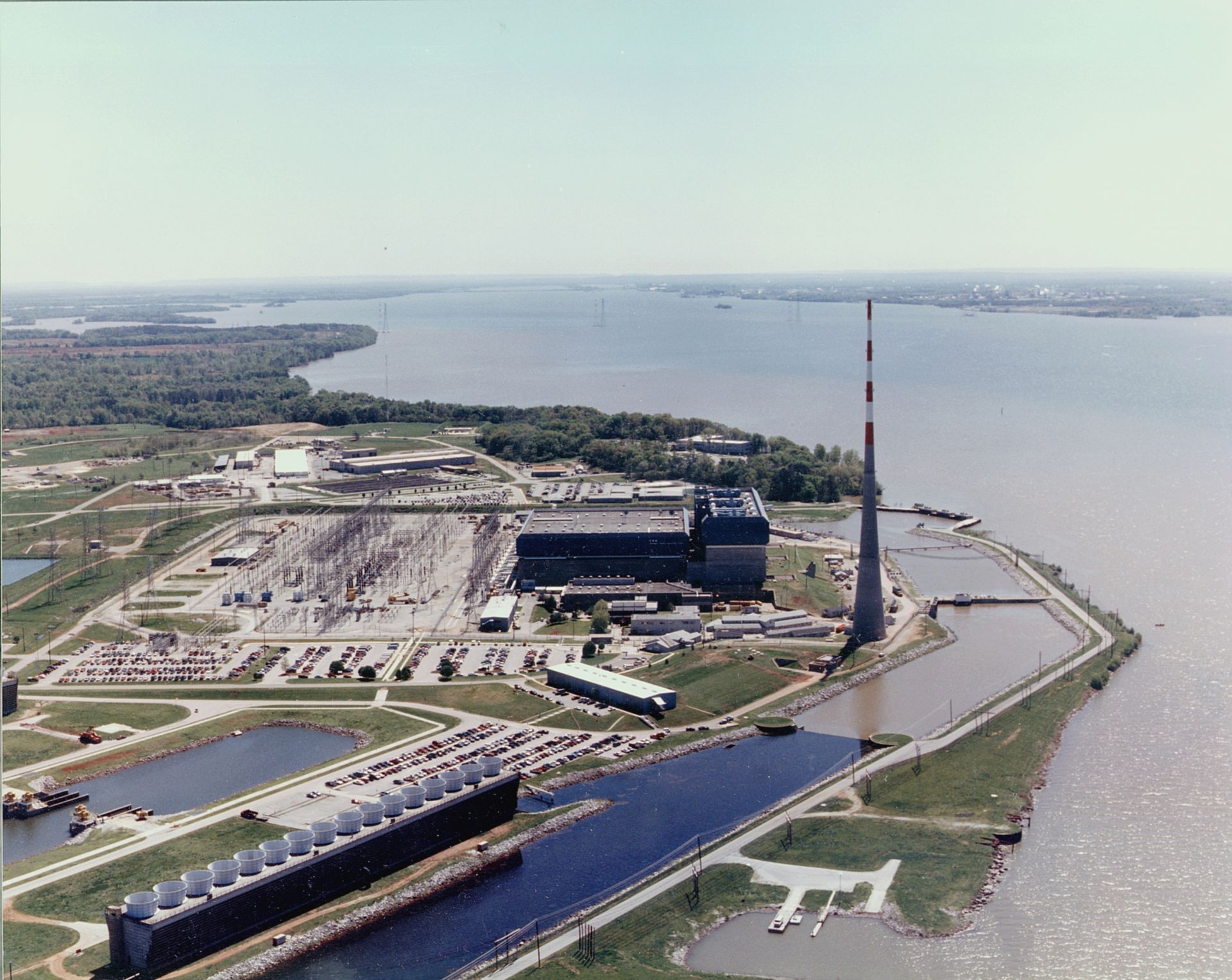
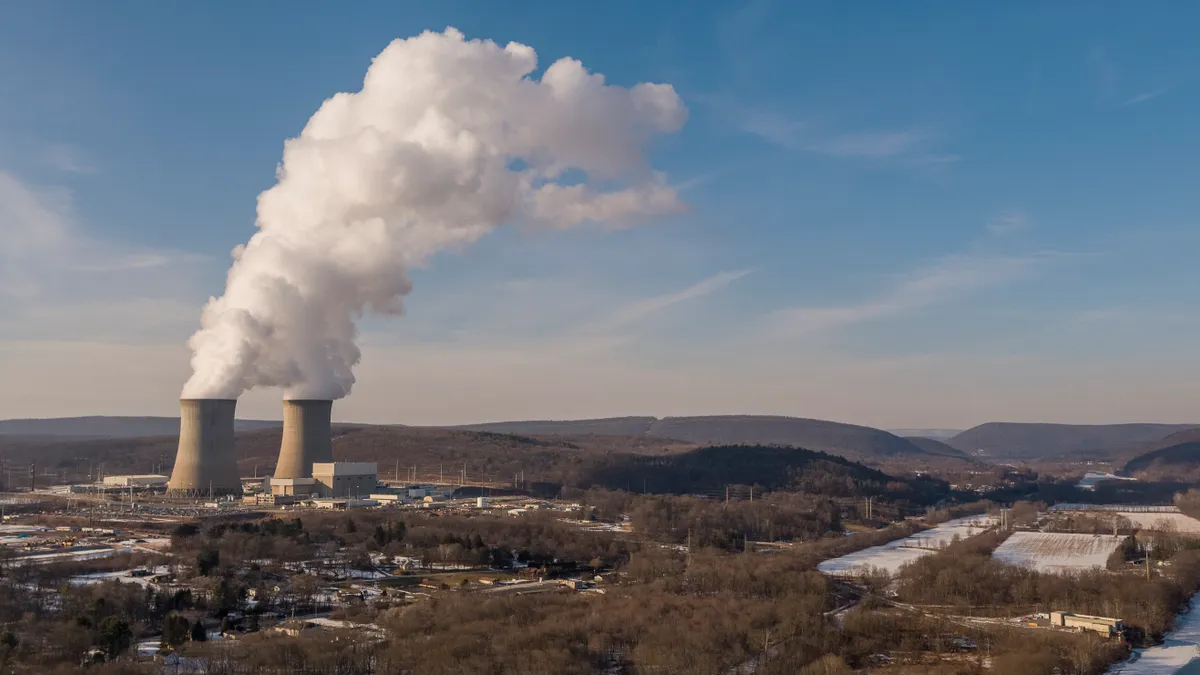
The operating licenses for the three boiling water reactors at Browns Ferry nuclear power plant in Athens, Ala., have each been renewed by the Nuclear Regulatory Commission for an additional 20 years. The reactors, operated by the Tennessee Valley Authority, are now licensed to operate until December 2053 for Unit 1, June 2054 for Unit 2, and July 2056 for Unit 3. Go deeper on Nuclear NewsWire.
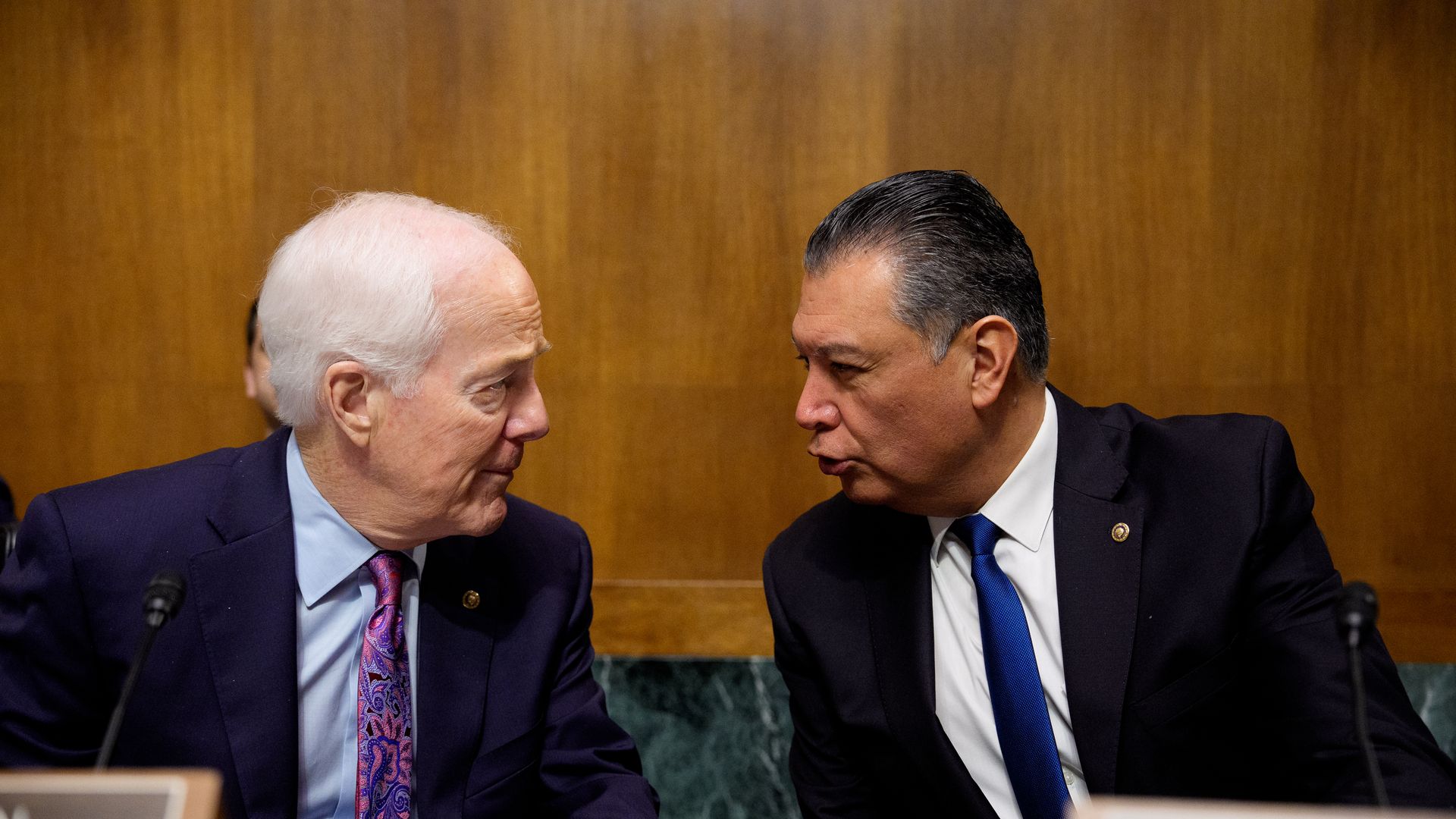
관련 링크:U.S. Sens. Alex Padilla
(D., Calif.) and John Cornyn (R., Texas) introduced bipartisan legislation to formally codify and establish the Office of Fusion at the DOE following a reorganization of the department last month. Axios; Senate.gov
관련 링크:After total nuclear capacity
shrank by 1.1 GW in 2025, a new report is projecting a turnaround in 2026, predicting that 15 reactors around the world will be switched on in the coming year. Bloomberg (subscription required)
관련 링크:FERC’s upcoming decision
on PJM’s colocation rules may benefit nuclear and gas plant owners by enabling contracts with data centers behind the meter, avoiding full grid charges. Utility Dive
관련 링크:The Trump administration
’s environmental rollbacks test a Supreme Court ruling limiting federal agency power, relying on Loper Bright to justify changes in environmental regulations without Chevron deference. E&E News
관련 링크:Poland’s Synthos Green Energy
signed an MOU with South Korea’s Samsung C&T to explore a future partnership on the deployment of a fleet of GE Vernova Hitachi BWRX-300 SMRs in the Central and Eastern European markets. World Nuclear News
관련 링크:The Senate is poised
to confirm a number of nominees before leaving for its holiday recess this week, including Douglas Weaver, who was nominated to fill the last open seat on the NRC. Roll Call; E&E News (subscription required)
관련 링크:Last Energy
raised $100M to develop a 20MW microreactor, positioning for commercialization amid rising energy demand driven by AI. Bloomberg
관련 링크:Advanced radiation-detection
systems around the globe, including government and DIY networks, ensure swift alerts for nuclear incidents. Post-Chernobyl and Fukushima, these systems enhance safety by monitoring radiation levels in real-time. WIRED
관련 링크:Dauren Sarsenbayev
, a doctoral student at MIT, is developing models to harness nuclear waste’s decay heat for geothermal energy, potentially transforming waste management into a sustainable energy source. MIT News
관련 링크:DNFSB spots possible bottleneck in Hanford’s waste vitrification
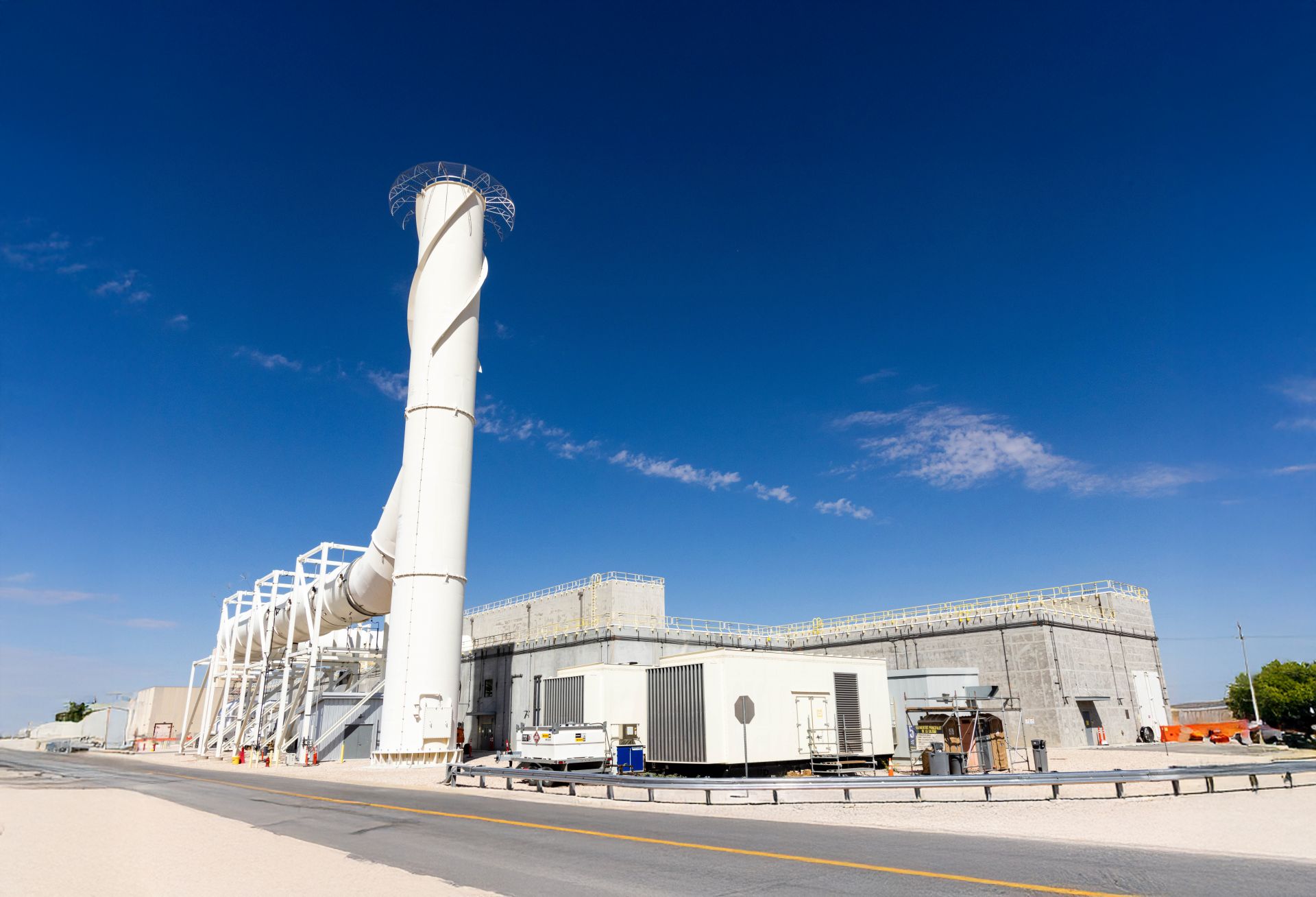
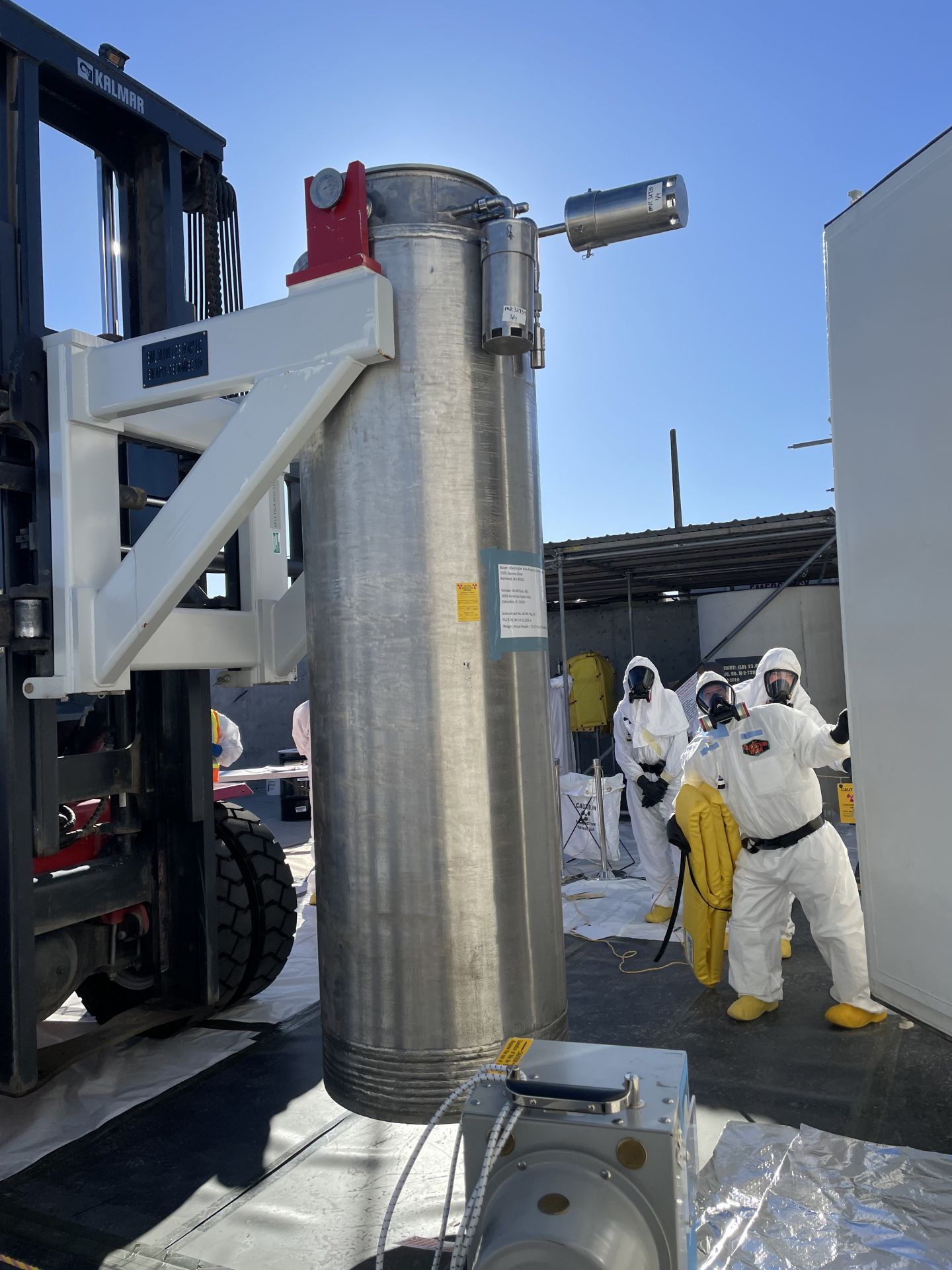
While the Department of Energy recently celebrated the beginning of hot commissioning of the Hanford Site’s Waste Treatment and Immobilization Plant (WTP), which has begun immobilizing the site’s radioactive tank waste in glass through vitrification, the Defense Nuclear Facilities Safety Board has reported a possible bottleneck in waste processing. According to the DNFSB, unless current systems run efficiently, the issue could result in the interruption of operations at the WTP’s Low-Activity Waste Facility, where waste vitrification takes place. Go deeper on Nuclear NewsWire.
관련 링크:Bechtel-led SIMCO awarded three-year WIPP contract extension
The Department of Energy has issued a three-year contract extension to Salado Isolation Mining Contractors (SIMCO), a single-purpose entity comprising Bechtel National and Los Alamos Technical Associates as a teaming contractor, for the continued management and operations of the Waste Isolation Pilot Plant, the DOE’s geologic repository for defense-generated transuranic waste in southeastern New Mexico. Go deeper on Nuclear NewsWire.
관련 링크:What’s the most difficult question you’ve been asked as a maintenance instructor?
"Where are the prints?!" This was the final question in an onslaught of verbal feedback, comments, and critiques I received from my students back in 2019. I had two years of instructor experience and was teaching a class that had been meticulously rehearsed in preparation for an accreditation visit. I knew the training material well and transferred that knowledge effectively enough for all the students to pass the class. As we wrapped up, I asked the students how they felt about my first big system-level class, and they did not hold back. Read Blye Widmar’s whole response on Nuclear NewsWire.
관련 링크:Nuclear trivia—reveal
The answer: The shortest initial license term for a power reactor anywhere in the world is only five years. The country that administers that extra-short license? India. While the standard initial license in India lasts five years, the country’s first licenses have a variable length ranging anywhere from five to 10years. The runners-up are Argentina, Canada, and Spain, each of which typically administer 10-year initial licenses. The longest term? Looking at the above chart, it’d be logical to conclude that the United Arab Emirates—which brought its first power reactor on line in 2021—holds the unique title of granting the longest initial licensing term with its 60-year period. In one way, that assertion is correct, but it comes with a large asterisk. The UAE’s initial term is the longest definitive term in the world. However, the first row in the above chart is hiding some complexity. Belgium, the Czech Republic, France, Slovakia, Sweden, Switzerland, the Netherlands, and the United Kingdom are among the countries whose initial license terms are indefinite. In these countries, nuclear power plants “are allowed to continue operation given a sufficient level of safety is always ensured, and the applicable legal and regulatory requirements are met,” according to the Electric Power Research Institute. One more note: There are two remaining countries that fall into the variable category in this chart: Finland and South Korea, both of which have definite (though varying) initial license lengths: In South Korea, in general, pressurized heavy water reactors are given 30-year initial licenses, whereas pressurized water reactors are given 40-year initial licenses. In Finland, the length of an initial license is considered on a case-by-case basis. However, the terms tend towards the longer side. Loviisa, for instance, had an initial license length of 30 years. Go deeper: To read more on each of the details of initial licenses (and to dive into the equally complex world of license renewals), see more data on the topic assembled by EPRI.
관련 링크:--- 크롤링 일시: 2025-12-31 12:00:18