Is there a future for nuclear power in South Dakota? NorthWestern Energy looking to find out
July 26, 2025 at 3:00 PM
TL;DR
• NorthWestern Energy received approval for a rate increase to fund research into small modular nuclear reactors (SMRs), adding about $2.11 to monthly customer bills to explore bringing nuclear power back to South Dakota for the first time since the 1960s.
• The company plans to spend approximately $540,285 on SMR research, with a feasibility determination targeted for 2027 and potential construction another 10 years later if the project proves viable.
• Mitchell Technical College and state officials are showing interest in nuclear power's potential, citing advantages like 92% reliability compared to natural gas plants' 45% reliability, zero carbon emissions, and growing demand from AI data centers and cryptocurrency mining.
MITCHELL, S.D. — Does nuclear power have a future in South Dakota? At least one energy company, a state elected official and a technical college president are interested in finding out.
The South Dakota Public Utilities Commission earlier this month approved a rate increase for NorthWestern Energy, a Sioux Falls-based utility company, with a portion of the funds raised to be put toward research into the possibility of the company adding small modular nuclear reactors to its energy production profile. The 3-0 vote by the commission authorized a rate increase that will equate to approximately an extra $2.11 on the monthly bills of NorthWestern customers who use 750 kilowatt hours of electricity per month.
It is the beginning of an exploratory process, but it could be the start of an effort that sees nuclear power generation return to South Dakota for the first time since the 1960s, and officials say it could be an answer to providing longterm, reliable energy for state residents.
Time to look ahead
NorthWestern presented an outline of its plan at the July 1, 2025, meeting of the state PUC.
The potential development of nuclear power is a move meant to address changing energy demands as current sources of power near the end of their viability as a power source, according to NorthWestern Energy officials.
"As energy demand grows and some of our existing resources near retirement, we're exploring SMRs as a clean, reliable, and cost-effective option for future power generation. This study will take several years and will focus on whether SMRs can deliver proven performance and affordability. We're also monitoring federal funding opportunities that could help reduce costs for customers through grants and low-interest financing,"
a statement released by the company in response to an inquiry from the Mitchell Republic reads.
An SMR, or small modular reactor, is a nuclear reactor that is 300 megawatts or less, while traditional nuclear plants rate at about 1,000 megawatts. According to a PUC memorandum, NorthWestern defines an SMR as having "the ability to provide safe, reliable and carbon-free power for generations to come. Due to their smaller footprint and modular design, SMRs are more easily sited than larger power plants and are generally simpler to operate than large nuclear plants as they rely on passive safety systems, rather than operators, to keep the public safe."
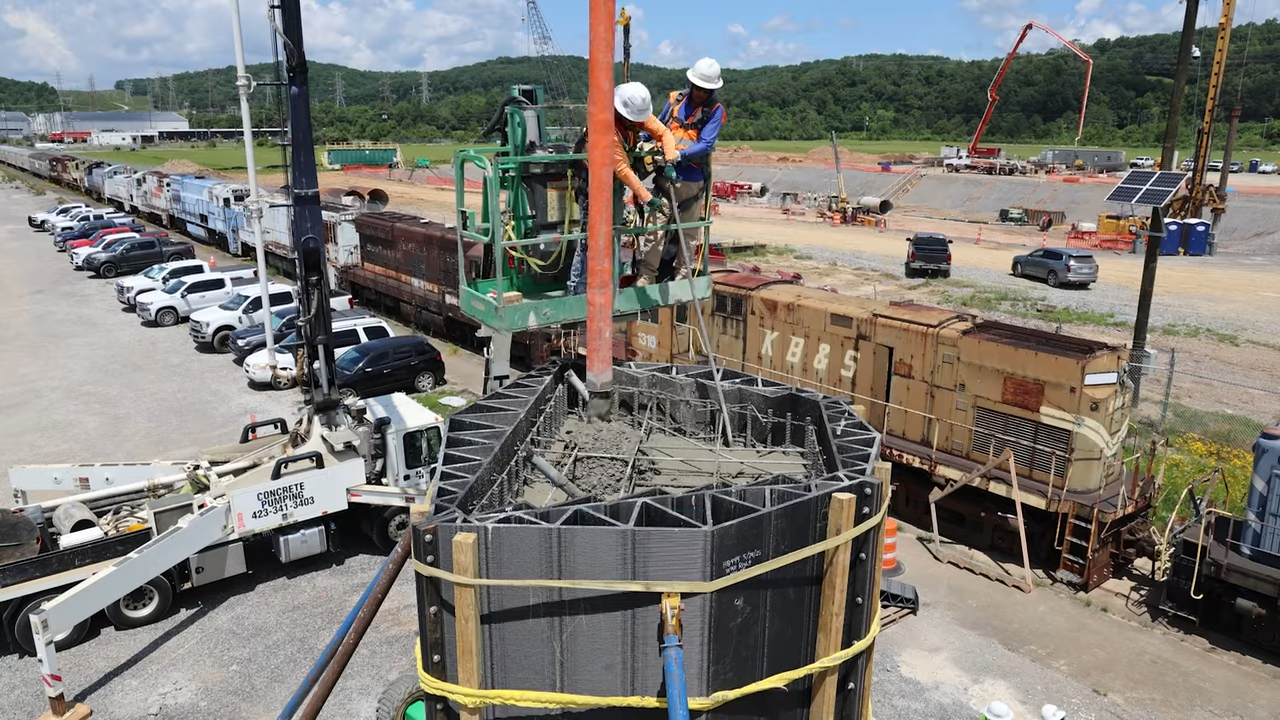
SMR reactors are generally much smaller than traditional plants, and are designed with modular components that can be factory-built and transported. The reactor design has been in development in a number of other countries, but one has yet to go online in the United States.
The company has said its work after 2025 will include potential site study and selection, partnership development and community engagement. NorthWestern has indicated that it is aiming for a 2027 date to determine whether following through on the plan is feasible. If it is feasible, it could be roughly another 10 years before such a reactor could be going up somewhere on the South Dakota prairie.
NorthWestern estimates that about $540,285 will go toward research into SMRs, with the rest of the funding from the rate increase going toward rebuilding the Aberdeen Generation Station, which is reaching the end of its service life.
An official with NorthWestern's public relations office told the Mitchell Republic that no specific communities or locations are being considered as a potential SMR site at this time. Any potential site would be located in NorthWestern's service area.
It's not the first time NorthWestern has approached the PUC on nuclear power. South Dakota Searchlight reported in 2023 that the company came before the commission that year for permission to defer costs of a study on nuclear power in order to be eligible for potential Department of Energy funding for such a project.
Interest in nuclear power growing
During its July 1 meeting, members of the three-person South Dakota Public Utilities Commission expressed interest in the process and potential of bringing nuclear power to South Dakota, including Gary Hanson, who serves as chair of the commission and has been a member of the PUC since 2002.
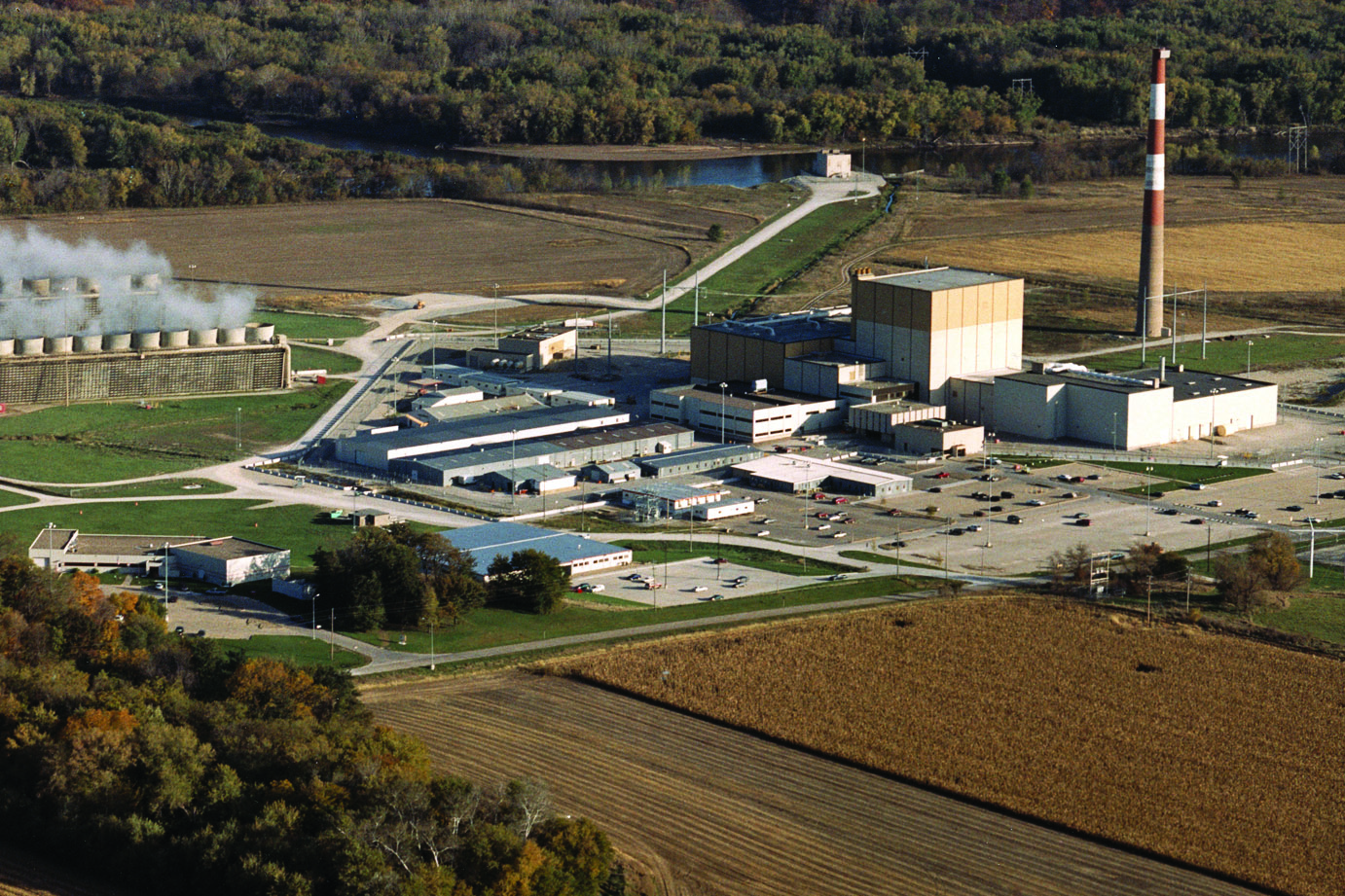
Hanson has long been interested in the potential of nuclear power for states like South Dakota, going back to his younger days when the experimental Pathfinder Nuclear Generation Station was in operation from 1966 to 1967 just northeast of Sioux Falls. Since then he has watched nuclear power evolve from traditional plants into modern, technologically advanced systems like SMRs.
"We're seeing a rebirth of the desire for nuclear energy at the present time. And there's a reason for that,"
Hanson told the Mitchell Republic.
Nuclear power has advantages over energy sources like wind and fossil fuels in several ways.
He noted it is highly reliable, environmentally friendly, does not produce carbon dioxide and can shore up the county's energy security. The process can also desalinate water and produce clean hydrogen, which can be utilized for energy storage and grid balancing, especially to address the intermittency of renewable energy sources.
"I support nuclear power generally on the basis that it is, as I've said before, highly reliable. It has what we call an extraordinary capacity factor, which means that you can depend upon it basically 92% of the time as opposed to some others like a natural gas plant that is dependable about 45% of the time. It's clean, so it's environmentally friendly,"
Hanson said.
There will be challenges.
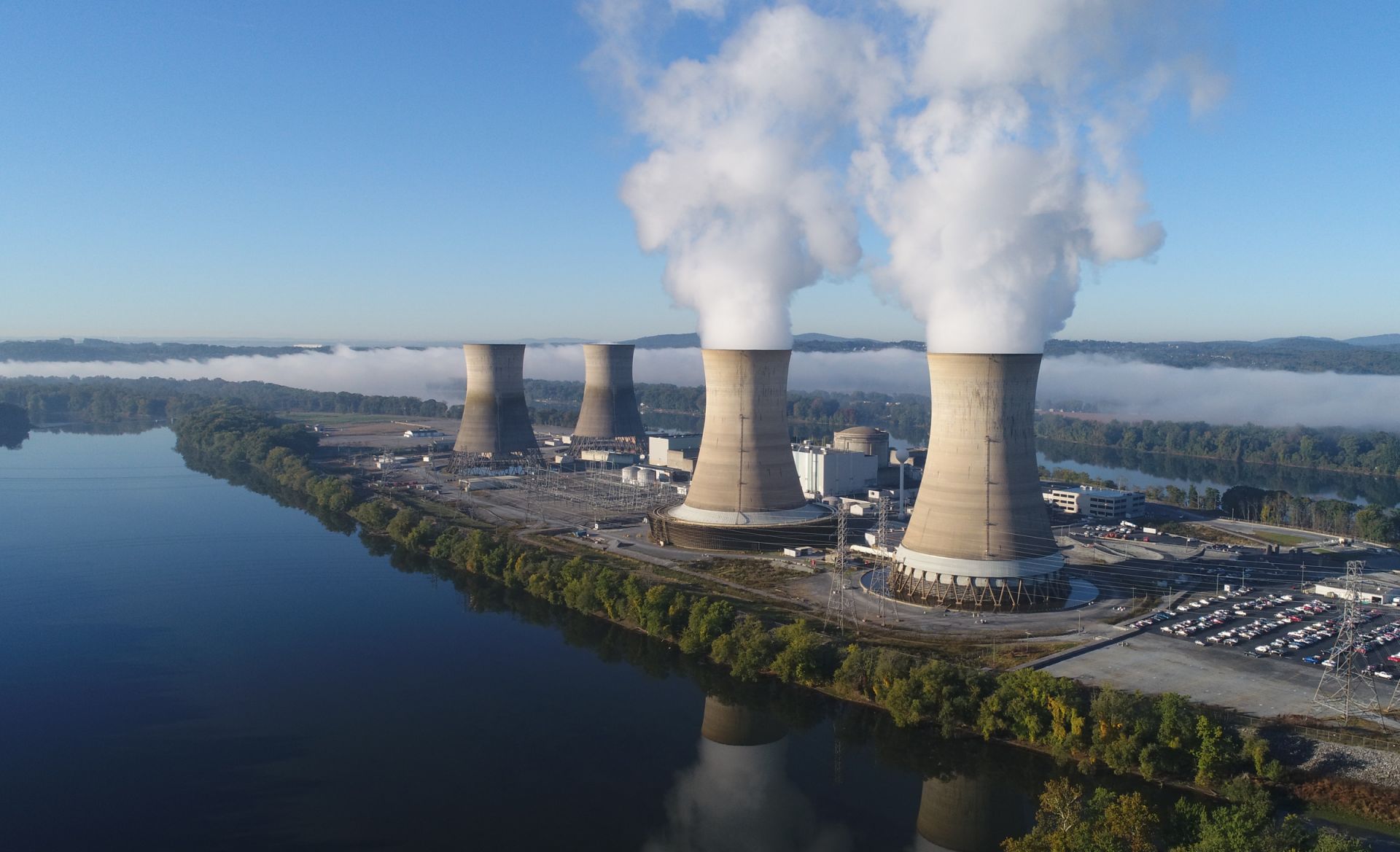
NorthWestern's own research into the viability of the plan will be vital in helping the regulatory body navigate a new world of nuclear energy, and all parties will need to weigh factors such as cost and affordability, safety and public perception, he said. Public outreach and education will be important in explaining the differences between SMRs and how modern nuclear energy works compared to older reactors famous for their failures, such as those at Three Mile Island in 1979 and Chernobyl in 1986.
Hanson said modern SMRs are a different animal than those reactors, and technology has come a long way in the last 40 years. The more the public realizes that, the more the benefits of nuclear energy become evident, he said.
"It's a very high percentage of people who support nuclear energy if they understand and have knowledge of nuclear energy, how it functions and how safe it is. A lack of knowledge breeds fear,"
Hanson said.
A new opportunity
Mitchell Technical College has prepared students for high-tech industry for decades, and the possibility of nuclear energy on the horizon for South Dakota could present another opportunity for graduates of the two-year school in Mitchell.
Theresa Kriese, president of Mitchell Technical College, said the school is keeping an eye on the emerging trend and how it could lead to more opportunities for the school, its industry partners and the students who could move on to provide support to SMRs.
"For us, it's about how we can partner with them to supply employees. They're going to need nuclear engineers, which is not our forte. We're not a four-year education institution that does that kind of engineering. But there are a lot of support personnel that support a nuclear engineer, just like there is in any industry,"
Kriese told the Mitchell Republic.
The school already has a background in working with energy providers like NorthWestern, and its electrician, powerline and SCADA programs have all supplied employees to the energy industry for years.
With other nuclear projects potentially on the rise in places like Wyoming, Michigan, Texas and New York, there is already a growing market for employees trained in the field. If South Dakota eventually becomes part of that group, there will be even more opportunities for Mitchell Tech students, many of whom already spread out around the country for careers after graduation.
The need for reliable power is expected to continue, if not increase. Artificial intelligence requires large amounts of energy to support its data centers and computational requirements, and cryptocurrency mining is also a significant draw on current power supplies.
Kriese said the school is keeping an open eye toward what develops with nuclear power, and it will evolve with the changing times to connect the power industry with graduates who know the business and can help it thrive. That could be a benefit to all parties, and support local and regional economies.
"We have some programs that we can rework and retool — not to take away from what they're already producing, but like an offshoot of it. So we're prepared to invest in the people that we have here so they can provide the training,"
Kriese said.
Kriese said there will be an energy summit held on the Mitchell Tech campus in August. That event will bring together energy company leaders, Mitchell Tech faculty and students, as well as other officials, to discuss the state of energy in South Dakota and what the future may hold. She expects nuclear power discussions to be a part of those meetings.
With discussions and debates expected in the upcoming years, Kriese said the school will keep an open ear to determine how to best serve its students, its industry partners and residents of the state should SMRs become a reality down the road.
If the demand is there, Mitchell Tech will look for a way to answer that demand.
"For us, it's to learn and see what we can do and can support. We stand at the ready. We will continue to have conversations with the energy industry about how we can support that,"
Kriese said.
AI Analysis
This article represents a significant development in South Dakota's energy landscape, showcasing how smaller utility companies are exploring advanced nuclear technology to meet future power demands. The timing aligns with growing national interest in SMRs as a bridge between traditional baseload power and renewable energy intermittency. NorthWestern Energy's cautious, research-first approach demonstrates prudent planning, especially given the lengthy regulatory approval process for nuclear facilities. The involvement of Mitchell Technical College highlights the broader economic implications, as nuclear power development could create specialized job markets in rural areas. However, the 10+ year timeline underscores the substantial challenges ahead, including public acceptance, regulatory hurdles, and the fact that no SMR has yet become commercially operational in the United States.